
What is Wrapped Bitcoin? Expert Explanation
Wrapped Bitcoin (WBTC) represents one of the most innovative solutions in the cryptocurrency ecosystem, bridging the gap between Bitcoin’s immense value and the flexibility of other blockchain networks. If you’re wondering what wrapped Bitcoin is and why it matters, you’ve come to the right place. This comprehensive guide will explain the mechanics, benefits, and considerations of this important crypto asset.
Bitcoin, despite being the world’s largest cryptocurrency by market capitalization, operates on its own independent blockchain with limited smart contract functionality. This limitation creates a problem: Bitcoin holders cannot easily participate in decentralized finance (DeFi) opportunities on other blockchains like Ethereum without converting their holdings. Wrapped Bitcoin solves this problem by creating a tokenized representation of Bitcoin that can move across different blockchain networks while maintaining Bitcoin’s value.
Understanding Wrapped Bitcoin Basics
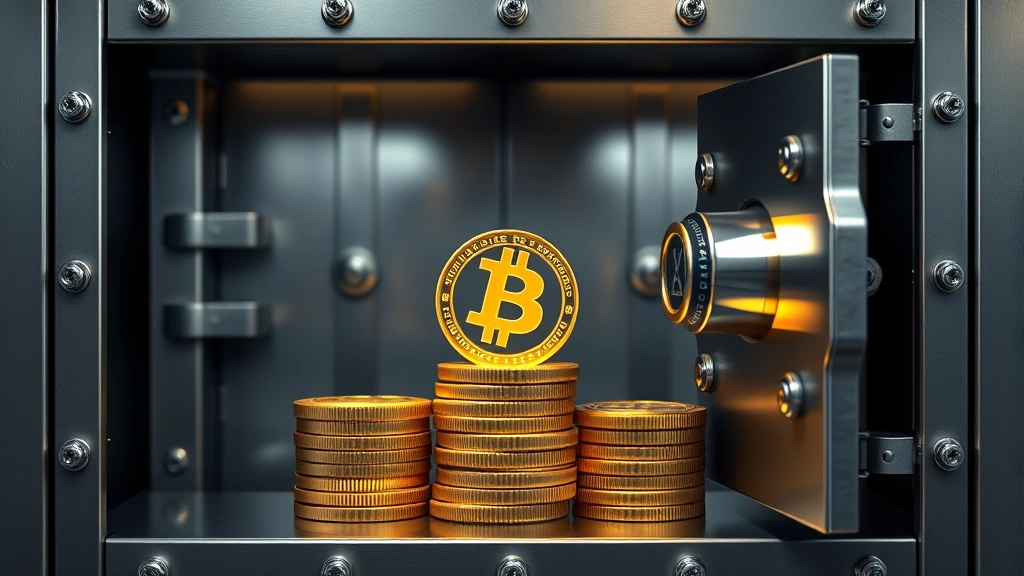
Wrapped Bitcoin is an ERC-20 token running on the Ethereum blockchain that represents a 1:1 value equivalent to Bitcoin. Each WBTC token is backed by one real Bitcoin held in reserve by custodians. Think of it as a digital receipt: when you hold WBTC, you’re holding a claim on actual Bitcoin stored securely in a vault. This mechanism allows Bitcoin holders to access Ethereum’s thriving DeFi ecosystem while maintaining exposure to Bitcoin’s price movements.
The concept of wrapped tokens extends beyond Bitcoin. You’ll find wrapped versions of many cryptocurrencies across various blockchains, but wrapped Bitcoin remains the most prominent and widely adopted wrapped asset. According to CoinDesk, WBTC has become a cornerstone of Ethereum’s DeFi infrastructure, with billions of dollars locked in various protocols.
The governance and custody of wrapped Bitcoin involves multiple parties working together. Merchant members (cryptocurrency exchanges and custodians) can mint and burn WBTC tokens, while custodians hold the underlying Bitcoin. This decentralized approach aims to prevent any single entity from controlling the entire wrapped Bitcoin supply.
How Wrapped Bitcoin Works
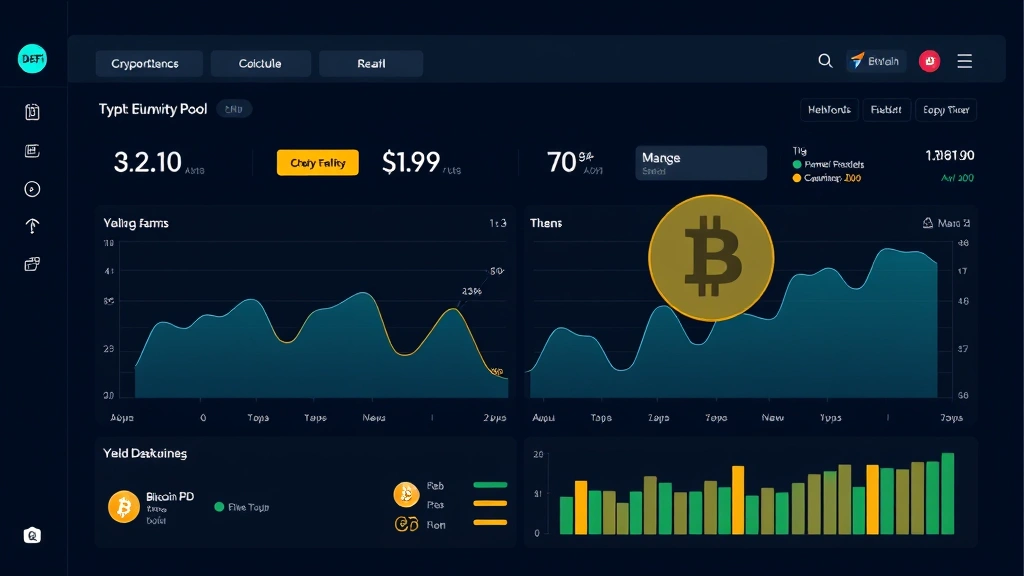
The mechanics of wrapped Bitcoin involve a straightforward but elegant process. When you want to convert your Bitcoin into WBTC, you send your Bitcoin to a merchant member or custodian. They verify receipt of your Bitcoin and then mint an equivalent amount of WBTC tokens on the Ethereum blockchain. You now hold WBTC in your Ethereum wallet and can use it on any platform that supports ERC-20 tokens.
Conversely, if you want to convert WBTC back to native Bitcoin, you initiate a burning process. You send your WBTC tokens to a merchant member, they verify the transaction, and then they release the equivalent amount of Bitcoin from the vault to your Bitcoin address. This two-way peg ensures that WBTC always maintains a 1:1 value relationship with Bitcoin, though market forces and liquidity conditions can create temporary price discrepancies.
The process relies on trust in the custodians holding the Bitcoin reserves. Multiple custodians are involved to reduce counterparty risk, and proof of reserves is regularly published to ensure that every WBTC token is backed by actual Bitcoin. This transparency is crucial for maintaining confidence in the wrapped asset.
If you’re interested in learning more about blockchain fundamentals, our guide on Bitcoin for Dummies provides essential context for understanding how Bitcoin and wrapped Bitcoin differ at the technical level.
The Minting and Burning Process
Understanding the minting and burning process is essential to grasping how wrapped Bitcoin maintains its value and security. Minting occurs when a merchant member receives Bitcoin and creates new WBTC tokens in return. This process increases the total supply of WBTC while the Bitcoin reserves increase proportionally.
Burning is the reverse process. When someone wants to redeem their WBTC for actual Bitcoin, they send their tokens to a merchant member who destroys (burns) the tokens and releases the corresponding Bitcoin from reserves. This maintains the critical 1:1 backing that gives WBTC its credibility.
The DAO (Decentralized Autonomous Organization) governance structure oversees these operations. Token holders can vote on important decisions affecting the wrapped Bitcoin ecosystem, including changes to fees, addition of new custodians, and protocol upgrades. This democratic approach helps prevent centralized control and encourages community participation.
Fees are charged for minting and burning, typically ranging from 0.1% to 0.3% depending on the merchant member and market conditions. These fees incentivize the merchant members to maintain the infrastructure while keeping costs reasonable for users. Before deciding whether to buy Bitcoin now, consider whether wrapped or native Bitcoin better suits your investment strategy.
Benefits of Using Wrapped Bitcoin
The primary advantage of wrapped Bitcoin is access to DeFi opportunities on Ethereum and other blockchains. Bitcoin holders can now participate in lending protocols, liquidity pools, yield farming, and other financial instruments without leaving the crypto ecosystem. This opens entirely new revenue streams for Bitcoin holders.
Wrapped Bitcoin enables significantly faster and cheaper transactions compared to moving Bitcoin across its native blockchain. Ethereum transactions are faster and often less expensive, making it more practical for frequent traders and those seeking flexibility. The ability to interact with smart contracts is another major benefit that native Bitcoin cannot provide.
Liquidity is dramatically improved through wrapped Bitcoin. Rather than being locked in Bitcoin wallets, WBTC can be deployed across numerous DeFi protocols, creating deep liquidity pools and efficient price discovery. This benefits both individual traders and the broader market ecosystem.
For those exploring diversified investment strategies, our article on how to invest with little money discusses how wrapped assets can be part of a balanced portfolio approach.
Portfolio flexibility represents another compelling advantage. Wrapped Bitcoin allows users to hedge their Bitcoin exposure, participate in yield generation, and maintain diversification without selling their core Bitcoin holdings. This flexibility has made WBTC particularly popular among sophisticated traders and institutional investors.
Risks and Considerations
The most significant risk associated with wrapped Bitcoin involves counterparty risk. Your WBTC is only valuable if the custodians holding the Bitcoin reserves remain solvent and honest. While multiple custodians are used to mitigate this risk, no system is completely risk-free. Historical examples of exchange failures remind us that cryptocurrency custody requires careful consideration.
Smart contract risk is another concern. If a vulnerability exists in the WBTC smart contract code or the DeFi protocols where you deploy your WBTC, your funds could be at risk. Regular audits and security assessments help minimize this risk, but they cannot eliminate it entirely.
Wrapped Bitcoin introduces additional complexity compared to holding native Bitcoin. The more steps involved in any transaction, the greater the potential for errors or unforeseen consequences. Users must understand how WBTC works before deploying significant capital.
Regulatory uncertainty could impact wrapped Bitcoin’s future. As governments develop cryptocurrency regulations, wrapped assets might face restrictions or require compliance measures that don’t currently exist. This regulatory landscape remains fluid and unpredictable.
Liquidity risk exists in specific markets. While WBTC is generally liquid, smaller exchanges or less popular trading pairs might have wider spreads and lower volume, making it difficult to enter or exit positions at desired prices. Understanding what market capitalization means helps you evaluate the liquidity and stability of WBTC relative to other assets.
Wrapped Bitcoin vs Regular Bitcoin
The fundamental difference between wrapped Bitcoin and regular Bitcoin lies in their underlying infrastructure and functionality. Native Bitcoin operates on the Bitcoin blockchain, a decentralized network designed primarily for peer-to-peer transactions. It has no smart contract capability and operates independently from other blockchains.
Wrapped Bitcoin, conversely, exists on the Ethereum blockchain as an ERC-20 token. This allows it to interact with smart contracts, DeFi protocols, and other Ethereum-based applications. However, this added functionality comes with increased complexity and additional layers of trust requirements.
Transaction speed and cost favor wrapped Bitcoin for most use cases. Bitcoin transactions can take 10-60 minutes to confirm and cost $5-50+ per transaction during network congestion. WBTC transactions settle in seconds to minutes and typically cost less than $1 on Ethereum, especially during periods of lower network activity.
Decentralization is arguably stronger with native Bitcoin. Bitcoin’s network is truly decentralized with thousands of independent nodes. Wrapped Bitcoin depends on custodians, merchant members, and Ethereum’s network, introducing additional points of potential failure.
If you’re evaluating whether to invest in Bitcoin or wrapped Bitcoin, our Bitcoin price prediction for May 2025 provides market analysis that applies equally to both forms of Bitcoin exposure.
Security models differ significantly. Bitcoin uses proof-of-work consensus with immense computational power securing the network. Wrapped Bitcoin relies on Ethereum’s proof-of-stake consensus and the security of the smart contract code, which are different security models with different strengths and weaknesses.
Real-World Applications
Wrapped Bitcoin has found numerous practical applications in the cryptocurrency ecosystem. The most common use case is collateral for borrowing stablecoins or other cryptocurrencies. Users deposit WBTC into lending protocols like Aave or Compound, earn interest on their holdings, and borrow against their collateral.
Liquidity provision is another major application. Users deposit WBTC alongside other assets into automated market makers (AMMs) like Uniswap, earning trading fees from the volume flowing through these pools. This allows Bitcoin holders to generate yield on their holdings while contributing to market liquidity.
Yield farming strategies have become increasingly sophisticated. Advanced traders combine WBTC with other protocols, leveraging their positions and deploying complex strategies to maximize returns. While potentially lucrative, these strategies carry substantial risks for inexperienced investors.
Hedging and arbitrage represent important institutional use cases. Traders exploit price discrepancies between Bitcoin and WBTC markets, or use WBTC to hedge Bitcoin exposure while maintaining other positions. These activities improve market efficiency and price discovery.
Understanding the pros and cons of cryptocurrency is essential before deploying capital into wrapped Bitcoin applications, as these platforms introduce unique risk profiles.
Cross-chain interoperability is an emerging application as more blockchains develop wrapped Bitcoin versions. Users can now move Bitcoin value across multiple chains, accessing opportunities on Polygon, Arbitrum, Optimism, and other layer-2 solutions and alternative blockchains.
Institutional adoption has accelerated significantly. Asset managers now use WBTC to access DeFi yields while maintaining Bitcoin exposure. This institutional interest has contributed to WBTC becoming one of the largest cryptocurrency assets by market value, with billions locked across various protocols.
For more detailed information about wrapped Bitcoin’s role in the broader cryptocurrency ecosystem, you can explore Ethereum’s official blog for technical discussions and WBTC’s official website for up-to-date information about reserves and governance.
FAQ
Is wrapped Bitcoin as secure as regular Bitcoin?
Wrapped Bitcoin introduces additional security considerations beyond those present in native Bitcoin. While Bitcoin’s security comes from its decentralized network consensus, wrapped Bitcoin’s security depends on custodian solvency, smart contract code integrity, and Ethereum’s network security. Both are reasonably secure but with different risk profiles. Regular audits and proof-of-reserves help maintain confidence in WBTC security.
Can I lose my wrapped Bitcoin?
Yes, wrapped Bitcoin can be lost or stolen through various mechanisms. If you lose access to your private keys, your WBTC is inaccessible. Smart contract vulnerabilities could result in funds being stolen. Custodian failure could theoretically result in loss of underlying Bitcoin. Using reputable wallets, enabling security features, and understanding the risks before investing helps minimize these dangers.
What happens if the Bitcoin backing WBTC is lost?
This is why proof-of-reserves is critical. Regular audits verify that sufficient Bitcoin exists in custodial accounts to back all WBTC in circulation. If backing Bitcoin were lost, WBTC would become fractionally backed, which would be a serious problem. This risk is why multiple custodians and transparent governance matter significantly.
How do I convert WBTC back to Bitcoin?
You can convert WBTC back to Bitcoin by initiating a redemption through a merchant member. Send your WBTC to the merchant, pay the redemption fee, and they’ll send Bitcoin to your specified address. The process typically takes 1-3 business days depending on the merchant member and blockchain confirmation times.
Why would I use wrapped Bitcoin instead of regular Bitcoin?
You’d choose wrapped Bitcoin if you want to access DeFi opportunities, earn yields, participate in governance, or benefit from faster transactions on Ethereum. If you primarily hold Bitcoin as a long-term store of value, native Bitcoin remains the simpler choice. Your use case determines which form makes more sense.
Is wrapped Bitcoin decentralized?
Wrapped Bitcoin uses decentralized governance through its DAO structure, with token holders voting on important decisions. However, the actual custody of Bitcoin reserves relies on centralized custodians. This hybrid model balances decentralization with practical security requirements, though it’s not as purely decentralized as Bitcoin itself.
What external links can I check for more information?
Several authoritative sources provide excellent information about wrapped Bitcoin. Blockchain.com offers blockchain explorers for tracking WBTC transactions. DeFi Pulse provides data on WBTC’s usage across protocols. Etherscan allows you to view WBTC smart contract details and transaction history. These resources help you independently verify information and track WBTC’s ecosystem development.


