Bitcoin ATM Machine Support: Complete Guide to Getting Help
Bitcoin ATMs have revolutionized how people buy and sell cryptocurrencies, offering a bridge between traditional cash and digital assets. However, like any financial technology, users occasionally encounter issues that require professional support. Whether you’re experiencing transaction problems, account verification delays, or technical glitches, knowing how to access bitcoin ATM machine support number and resources is essential for resolving issues quickly and securely.
The cryptocurrency ATM landscape has grown exponentially, with thousands of machines now operating globally. Each operator maintains different support channels, protocols, and response times. Understanding how to navigate these systems ensures you can resolve problems efficiently while protecting your funds and personal information.
Understanding Bitcoin ATM Support Systems
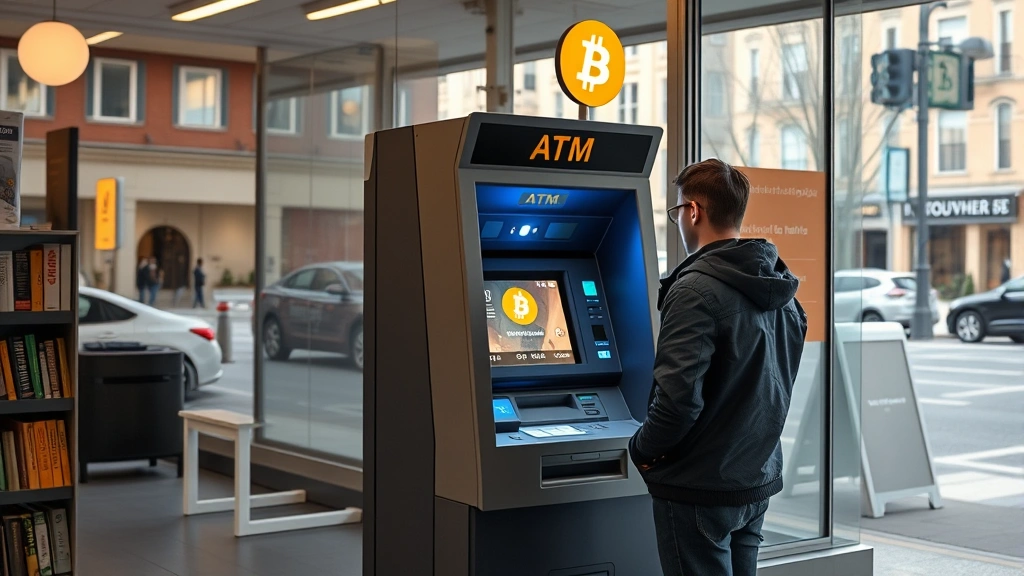
Bitcoin ATM operators provide customer support through various channels to assist users experiencing difficulties. Major operators like Genesis Coin, Lamassu, and Coinsource maintain dedicated support teams equipped to handle technical issues, transaction disputes, and account-related concerns. The support infrastructure differs significantly from traditional banking systems, as crypto ATMs operate across decentralized networks with varying regulatory requirements.
Most bitcoin ATM operators classify support requests into several categories: technical malfunctions, transaction errors, identity verification problems, and account lockouts. Each category requires different expertise and resolution timeframes. Understanding which category your issue falls into helps you communicate more effectively with support representatives and receive faster assistance.
The relationship between Bitcoin forecast 2025 trends and ATM usage patterns shows increasing demand for accessible cryptocurrency on-ramps. This surge has prompted operators to expand their support infrastructure significantly. Many operators now offer 24/7 support, multilingual assistance, and specialized teams for different problem types.
Response times vary considerably depending on the operator and issue severity. Critical security concerns typically receive priority handling within minutes, while routine inquiries might take 24-48 hours. Understanding these timeframes helps set appropriate expectations when contacting support.
Finding Your Bitcoin ATM Machine Support Number
Locating the correct bitcoin ATM machine support number requires identifying your specific operator first. Here’s how to find the right contact information:
- Check the ATM screen: Most machines display operator information and support contacts on their interface. Look for a “Help” or “Support” button that reveals contact details.
- Review your receipt: Transaction receipts typically include the operator’s name, location code, and support contact information.
- Visit operator websites: Genesis Coin, Lamassu, Coinsource, and other major operators maintain comprehensive support portals with phone numbers, email addresses, and live chat options.
- Use ATM locator services: Websites like Coin ATM Radar list machines with operator information and user reviews that often mention support experiences.
- Contact your local operator: If you used an independently operated machine, the location staff can provide direct operator contact information.
Major operators maintain the following general support structures: Genesis Coin operates a comprehensive support system accessible through their website and mobile app. Lamassu provides support through their operator network and direct contact channels. Coinsource maintains dedicated customer service teams with phone, email, and chat support. Each operator’s support number is operator-specific, as machines are independently operated despite using the same technology platforms.
When searching for support numbers, verify you’re using official channels. Scammers sometimes create fake support pages or phone numbers targeting frustrated users. Always cross-reference contact information across multiple official sources before calling.
Common Issues and Troubleshooting
Understanding common bitcoin ATM problems helps you troubleshoot before contacting support. Many issues have simple solutions that save time and frustration.
- Transaction timeouts: Bitcoin network congestion sometimes causes transactions to process slowly. Wait at least 30 minutes before contacting support, as the transaction often completes after initial delays.
- Wallet address errors: Entering incorrect wallet addresses is the most common user error. Double-check your address before confirming transactions. Most operators cannot reverse completed transactions sent to wrong addresses.
- Identity verification failures: KYC (Know Your Customer) requirements sometimes reject valid identification. Ensure your ID matches your facial features, lighting is adequate, and all information is current and legible.
- Cash dispensing failures: If the machine won’t dispense your cash after a successful transaction, contact support immediately with your transaction ID. This is a critical issue requiring urgent attention.
- Account lockouts: Multiple failed login attempts trigger security lockouts. Wait 24 hours before trying again, or contact support for immediate unlock assistance.
- Network connectivity issues: If the machine displays connection errors, try again later. Temporary network outages resolve independently within minutes to hours.
Understanding how Bitcoin price prediction May 2025 affects ATM usage helps contextualize support demand. During volatile price periods, support teams experience higher volume, potentially increasing response times. Patience during these periods is essential.
Before escalating to support, document your issue thoroughly. Record transaction IDs, timestamps, error messages, and the specific machine location. This information dramatically speeds up resolution processes and helps support representatives identify patterns affecting multiple users.
Security Considerations When Contacting Support
Protecting your security while seeking support is critically important in the cryptocurrency space. Malicious actors actively target users seeking customer service, attempting to steal credentials and funds.
- Never share private keys: Legitimate support representatives never request private keys, seed phrases, or sensitive credentials. If anyone asks for this information, immediately disconnect and contact official support through verified channels.
- Verify contact legitimacy: Always initiate contact through official operator websites or verified phone numbers. Never click links in unsolicited emails or messages claiming to be from support teams.
- Use secure communication: Prefer official support portals and verified phone numbers over email for sensitive issues. Email communications can be intercepted or spoofed.
- Be cautious with remote access: Never allow remote access to your devices or wallets without absolute certainty you’re communicating with legitimate operators. Scammers often pose as support to gain system access.
- Document interactions: Keep records of all support communications, including representative names, timestamps, and conversation summaries. This protects you if disputes arise.
- Report suspicious contacts: If someone contacts you claiming to be from bitcoin ATM support without your initiating contact, report them to the actual operator immediately.
The cryptocurrency industry’s decentralized nature makes security vigilance essential. Unlike traditional banks with centralized security protocols, crypto support channels vary significantly. Individual operators implement different security standards, making user awareness critical.
Alternative Support Channels
Beyond phone support, multiple channels exist for reaching bitcoin ATM operators. Different situations warrant different approaches:
Email support: Most operators maintain dedicated email addresses for non-urgent inquiries. Email provides documentation of your issue and the operator’s response, useful for dispute resolution. Expect 24-72 hour response times for email inquiries.
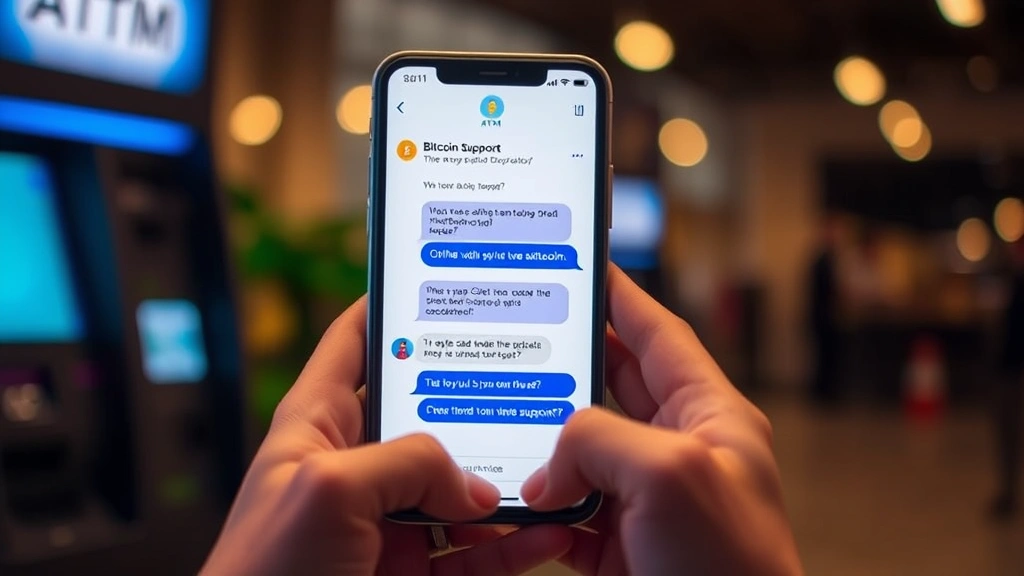
Live chat: Many operators offer real-time chat support through their websites or mobile applications. This channel works well for technical questions and simple troubleshooting. Response times typically range from minutes to hours depending on operator volume.
Social media: Operators increasingly monitor social media channels for support inquiries. Contacting them through verified official accounts sometimes generates faster responses, particularly for urgent matters receiving public attention.
Mobile applications: Operators’ dedicated apps often include integrated support features, help sections, and direct messaging capabilities. App-based support sometimes receives priority handling, as operators track issue resolution metrics through these channels.
In-person assistance: For machines located in retail locations, speaking with on-site staff can sometimes resolve issues or provide operator contact information. While staff may lack technical expertise, they can escalate urgent matters immediately.
Regulatory bodies: When operators fail to resolve issues through normal channels, regulatory bodies offer complaint mechanisms. Contact your state’s financial regulator or the Financial Crimes Enforcement Network (FinCEN) for unresolved disputes involving potential fraud or misconduct.
The relationship between how many Bitcoin are left to mine and ATM adoption shows increasing mainstream integration. This mainstream adoption has prompted operators to develop more sophisticated support infrastructure with multiple contact channels.
Prevention Tips to Avoid Future Problems
Proactive measures significantly reduce the likelihood of encountering bitcoin ATM issues requiring support contact:
- Verify wallet addresses: Always triple-check destination addresses before confirming transactions. Most operators cannot reverse transactions sent to incorrect addresses, making address verification the most critical preventive step.
- Understand fees: Review the operator’s fee structure before transacting. Bitcoin ATM fees typically range from 5-10%, higher than exchange rates. Understanding fees prevents surprise charges and related support inquiries.
- Start with small transactions: Test the ATM with minimal amounts before conducting larger transactions. Small test transactions help identify potential issues without significant financial risk.
- Keep documentation: Save all receipts and transaction confirmations. This documentation proves your transaction details if disputes arise and expedites support resolution.
- Monitor network status: Check Bitcoin network status before transacting during high-congestion periods. Blockchain explorers display current network conditions and estimated confirmation times.
- Update identification: Ensure your government-issued ID is current and clearly legible. Expired or damaged identification frequently causes KYC verification failures.
- Use secure wallets: Maintain your cryptocurrency in reputable wallets with strong security features. This prevents issues related to compromised wallets or lost funds.
- Understand confirmation times: Bitcoin transactions require network confirmation, typically taking 10-60 minutes depending on network conditions. Understanding this prevents false alarm support calls about “stuck” transactions.
Learning from is Bitcoin going to crash market analysis helps users time transactions strategically. During extreme volatility, network congestion increases, potentially causing support issues. Timing transactions during stable periods reduces complications.
Educating yourself about cryptocurrency fundamentals dramatically reduces support-related issues. Understanding blockchain basics, wallet functionality, and transaction mechanics prevents many common problems. Most operators provide educational resources on their websites explaining these concepts.
FAQ
What should I do if a bitcoin ATM machine takes my cash but doesn’t send cryptocurrency?
Contact the operator’s support team immediately with your transaction ID and receipt. This is a critical issue requiring urgent attention. Provide detailed information about the transaction timing, amount, and destination wallet. The operator should investigate the blockchain to verify whether the transaction was sent. If funds were sent, they’ll provide wallet confirmation details. If funds weren’t sent, the operator is typically responsible for reimbursement. Document everything and follow up regularly if resolution takes time.
How long do bitcoin ATM transactions typically take?
Bitcoin transactions sent from ATMs usually appear in your wallet within 10-60 minutes, depending on network congestion and the operator’s confirmation requirements. Some operators require multiple blockchain confirmations before completing transactions, which extends timeframes. During network congestion periods, transactions may take several hours. If a transaction hasn’t appeared after 2 hours, contact support with your transaction ID.
Can bitcoin ATM support reverse transactions sent to wrong addresses?
Unfortunately, no. Bitcoin transactions are irreversible once confirmed on the blockchain. If you send cryptocurrency to an incorrect address, the funds are permanently lost unless the recipient voluntarily returns them. This makes address verification critically important. Always triple-check addresses before confirming transactions. Most operators display prominent warnings about this irreversibility during the transaction process.
What identification is required for bitcoin ATM transactions?
Most operators require government-issued photo identification for transactions exceeding $500-$1,000, depending on local regulations and operator policies. Acceptable identification includes passports, driver’s licenses, and national ID cards. Your ID must be current, clearly legible, and match your facial features. Some operators also require additional verification like phone numbers or email addresses. Check specific operator requirements before visiting an ATM.
Are bitcoin ATM fees negotiable?
No, bitcoin ATM fees are fixed by operators and not negotiable. Fees typically range from 5-10% for buying and selling transactions. These higher fees reflect the convenience, regulatory compliance costs, and risk mitigation operators undertake. Compare fees across different operators in your area before transacting. Some operators offer loyalty programs or reduced fees for frequent users, so inquire about available discounts.
What happens if I forget my PIN or account password?
Contact the operator’s support team immediately with your identification and transaction history. They’ll verify your identity and either reset your credentials or unlock your account. Keep your account credentials secure and use strong, unique passwords. If you suspect unauthorized access, contact support immediately to prevent potential fraud.
How can I verify a bitcoin ATM operator is legitimate?
Research the operator through multiple sources including their official website, regulatory filings, and user reviews on trusted platforms like Coin ATM Radar. Legitimate operators maintain professional websites with clear contact information and transparent fee structures. Verify physical machine locations match operator records. Be wary of operators with poor reviews, unclear fee structures, or difficult-to-verify contact information. Check regulatory status with your state’s financial authority if available.
What should I do if a bitcoin ATM is malfunctioning?
Report the malfunction to the operator immediately using the contact information displayed on the machine or through their website. Provide the machine’s location, specific error messages displayed, and what you were attempting to do when the malfunction occurred. If you already initiated a transaction, provide your transaction ID. The operator will investigate and likely dispatch a technician to repair the machine. Avoid using malfunctioning machines until repairs are confirmed complete.


