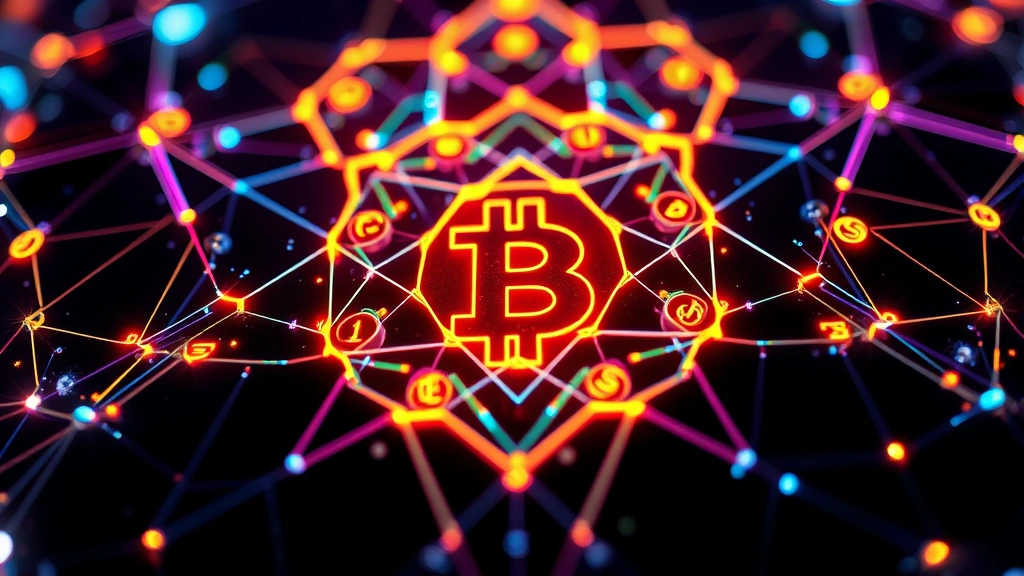
Exploring Bitcoin Art: A Collector’s Insight
Bitcoin art has emerged as one of the most fascinating intersections between cryptocurrency culture and creative expression. As digital assets continue to reshape how we perceive value, ownership, and authenticity, artists worldwide are leveraging blockchain technology to create, authenticate, and monetize their work in unprecedented ways. What began as a niche movement has evolved into a legitimate art market segment attracting serious collectors, institutional investors, and cultural institutions alike.
The phenomenon of bitcoin art extends far beyond simple digital images or NFTs. It encompasses a diverse ecosystem of artistic expressions—from conceptual pieces exploring blockchain philosophy to physical artworks embedded with cryptocurrency elements, generative art powered by Bitcoin transactions, and installations that visualize the distributed ledger’s complexity. Understanding this landscape requires examining both the technical foundations and the cultural significance driving this artistic revolution.
What Is Bitcoin Art and Its Evolution
Bitcoin art represents a paradigm shift in how artists conceptualize, create, and distribute their work. Unlike traditional digital art that relies on centralized platforms or copyright protections, bitcoin art leverages decentralized blockchain technology to establish immutable records of creation, ownership, and transaction history. This fundamental difference creates new possibilities for artists seeking independence from traditional galleries, auction houses, and intermediaries.
The origins of bitcoin art trace back to the early 2010s when artists first began exploring cryptocurrency as both a subject matter and a medium. Pioneer works like “The Bitcoin Angel” by Robbie Barrat and conceptual pieces by artists such as Kevin Abosch pushed boundaries by questioning what art could be in a post-scarcity digital environment. These early experiments were largely experimental, often created without expectation of significant financial return, driven instead by philosophical curiosity about decentralization and digital value.
The evolution accelerated dramatically with the introduction of NFT technology on various blockchains, though many bitcoin art purists argue for works created directly on the Bitcoin network itself. The distinction matters significantly to collectors: Bitcoin-native art uses the Bitcoin blockchain for immutability and security, while NFT art on other chains offers different technical capabilities and community dynamics. Understanding this bitcoin hyper price prediction context helps contextualize why certain works command premium valuations.
Today’s bitcoin art landscape includes several distinct categories. Ordinals, which inscribe data directly onto Bitcoin’s smallest unit (satoshis), represent the purest form of on-chain art. Generative art creates unique pieces algorithmically, often responding to Bitcoin blockchain data. Conceptual works explore philosophical dimensions of cryptocurrency, while hybrid pieces combine physical and digital elements, sometimes embedding private keys into tangible objects.
Understanding Digital Ownership and Authentication
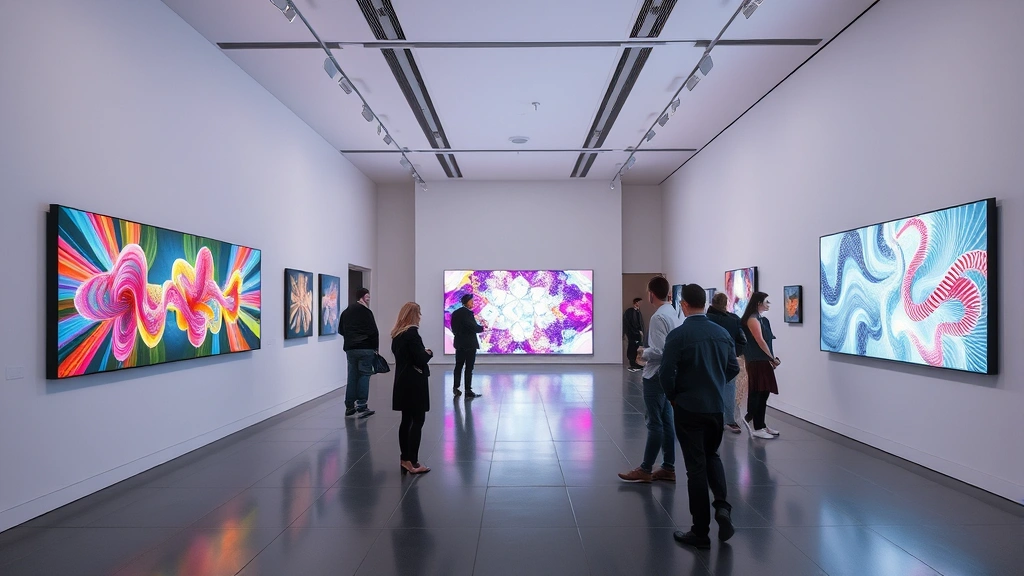
One of bitcoin art’s most compelling features is its solution to the digital ownership problem. Historically, digital files could be infinitely copied without degradation, making scarcity impossible and ownership ambiguous. Bitcoin art solves this through cryptographic verification on an immutable ledger, creating verifiable scarcity and transparent ownership history that cannot be forged or disputed.
When you own a piece of bitcoin art, you possess cryptographic proof of ownership—typically a private key that controls the asset on the blockchain. This proof is far more robust than a traditional certificate of authenticity, which can be forged. The blockchain creates a permanent, transparent record showing exactly when the work was created, who created it, and every subsequent transaction. Anyone can verify this history without trusting any central authority.
This authentication mechanism has profound implications for the art market. It eliminates the need for third-party authenticators, reduces fraud, and creates unprecedented transparency. Collectors can trace a work’s provenance through its entire existence with mathematical certainty. Furthermore, smart contracts can embed royalties directly into the blockchain, allowing artists to receive payments whenever their work is resold—a feature traditional art markets have struggled to implement effectively.
However, understanding the technical requirements is essential for collectors. Owning bitcoin art requires managing private keys securely, understanding wallet technology, and grasping the distinction between owning the asset on-chain versus merely possessing a digital file. Many newcomers conflate downloading an image with ownership; true ownership means controlling the private key associated with that asset. This technical requirement represents both a feature (absolute ownership) and a barrier (security responsibility) that distinguishes bitcoin art collecting from traditional digital art appreciation.
Notable Bitcoin Artists and Iconic Works
The bitcoin art world has produced remarkable creators whose work explores the intersection of technology, philosophy, and aesthetics. Robbie Barrat stands as one of the most influential figures, creating AI-generated artworks that examine beauty, computation, and consciousness. His works command significant valuations and have been featured in major exhibitions exploring digital culture. Barrat’s approach demonstrates how bitcoin art can achieve legitimacy within traditional art institutions while maintaining its decentralized ethos.
Kevin Abosch created “Planthasmagorica,” a series exploring the intersection of cryptocurrency and environmental consciousness. His conceptual approach treats bitcoin art as philosophical inquiry rather than mere digital decoration. Abosch’s work has influenced how serious collectors approach bitcoin art, shifting perception from novelty to legitimate artistic medium worthy of critical examination.
Pak, an anonymous artist collective, has become synonymous with generative and dynamic bitcoin art. Their works often incorporate interactive elements and evolving components, challenging traditional notions of what constitutes a finished artwork. The scale and ambition of Pak’s projects have attracted collectors willing to invest substantial sums in cutting-edge digital creativity.
Botto represents algorithmic creativity taken to its logical conclusion—an AI artist that creates works voted upon by a decentralized community of token holders. This model raises fascinating questions about authorship, creativity, and collective decision-making in the digital age. Works by Botto demonstrate how bitcoin art can implement new forms of governance and participation.
These artists have established that bitcoin art isn’t merely technical experimentation but legitimate creative expression. Their work informs understanding of broader market dynamics and helps distinguish between speculative pieces and works with lasting artistic merit. When considering your own collecting strategy, studying how these artists approach their practice provides valuable context for evaluating emerging creators.
Collecting Bitcoin Art: Practical Considerations
Before acquiring bitcoin art, collectors must address several fundamental questions about their intentions, risk tolerance, and technical capabilities. Are you collecting for aesthetic appreciation, investment potential, or cultural participation? Each motivation requires different due diligence and involves distinct risk profiles.
Technical Requirements: Bitcoin art collecting demands comfort with cryptocurrency infrastructure. You’ll need a secure wallet, understanding of private key management, and familiarity with blockchain explorers to verify ownership. Consider hardware wallets for significant holdings, ensuring your private keys never touch internet-connected devices. The technical barrier is real but manageable with proper education and caution.
Market Research: Evaluate artists’ track records, community engagement, and artistic trajectory. Look beyond hype to understand what makes specific works culturally significant. Follow bitcoin forecast 2025 discussions to understand market sentiment, though remember that art valuations operate differently than price speculation. Check blockchain explorers to view transaction history and verify claimed rarity or uniqueness.
Valuation Challenges: Bitcoin art valuations remain highly subjective and volatile. Unlike stocks with earnings multiples or commodities with supply-demand fundamentals, art value depends on collective perception, cultural significance, and speculative interest. Avoid overpaying based on temporary hype. Establish your own valuation framework based on artist reputation, work uniqueness, and cultural relevance rather than recent sales comparables.
Diversification: If treating bitcoin art as investment, diversify across multiple artists, styles, and price points. Don’t concentrate holdings in single creators, as individual careers can decline unexpectedly. Balance emerging artists with established figures. Much like understanding how to rebalance a portfolio, bitcoin art collectors should periodically reassess holdings and adjust allocations based on evolving market conditions and personal circumstances.
Liquidity Considerations: Bitcoin art liquidity varies dramatically. Established artists’ works typically have active secondary markets, while emerging creators’ pieces may be difficult to sell quickly. Understand that you might need to hold pieces longer than anticipated or accept discounts for rapid sales. This illiquidity risk is particularly acute for speculative purchases at peak market enthusiasm.
Market Trends and Investment Potential
The bitcoin art market has experienced remarkable growth, with certain pieces appreciating thousands of percent from initial sale. However, this volatility reflects the market’s immaturity and speculative nature rather than guaranteed investment returns. Understanding current trends requires distinguishing between sustainable development and bubble dynamics.
Institutional Adoption: Major auction houses, museums, and collectors have begun treating bitcoin art seriously, lending credibility to the market. This institutional validation suggests the space has moved beyond pure speculation toward lasting cultural significance. However, institutional participation also introduces traditional market dynamics and potential for manipulation.
Generational Shift: Younger collectors raised with digital-native experiences view bitcoin art as more legitimate than older demographics. This generational preference may sustain market growth as wealth transfers occur, though relying on demographic inevitability for investment returns is inherently speculative.
Creator Economy Integration: Bitcoin art connects to broader creator economy trends where artists seek direct audience relationships and ownership autonomy. As more creators adopt blockchain-based distribution, bitcoin art expands beyond niche communities toward mainstream adoption. This broader ecosystem growth could support higher valuations long-term.
Understanding BlackRock Bitcoin ETF 2025 predictions provides context for broader cryptocurrency market sentiment, which influences bitcoin art valuations. When Bitcoin itself experiences significant price movements, bitcoin art markets often follow, though sometimes with different intensity. Professional investors increasingly view bitcoin art as a distinct asset class worthy of portfolio allocation alongside other alternative investments.
Challenges and Controversies
Bitcoin art faces legitimate criticisms that collectors must acknowledge when evaluating the space. Understanding these challenges demonstrates sophisticated market awareness and helps identify overvalued or speculative pieces.
Environmental Concerns: Bitcoin’s proof-of-work consensus mechanism consumes substantial electricity, raising environmental questions about art created on this blockchain. While Bitcoin’s energy usage has become increasingly renewable-powered, environmental consciousness remains valid consideration for ethical collectors. Some artists explicitly address these concerns in their work, while others dismiss them as irrelevant to artistic merit.
Speculation and Bubbles: The bitcoin art market has experienced obvious speculative bubbles, with prices disconnected from artistic merit or scarcity fundamentals. Many pieces purchased at peaks became essentially worthless, particularly works by unknown artists whose only appeal was investment potential. Distinguishing between sustainable value and speculative mania requires careful analysis and emotional discipline.
Copyright and Plagiarism: The ease of uploading content to blockchain creates opportunities for copyright infringement. Works have been registered without artist permission, with bad-faith actors profiting from others’ creativity. Collectors should verify that artists actually created the works they’re purchasing, not that someone else simply inscribed them on-chain.
Accessibility Questions: Bitcoin art’s technical requirements and financial barriers exclude many potential participants. This gatekeeping effect raises questions about whether the space truly democratizes art or simply creates new forms of exclusivity based on technical knowledge and capital availability.
Regulatory Uncertainty: Governments worldwide continue developing frameworks for digital assets and NFTs. Regulatory changes could impact valuations, tax treatment, and market structure. Collectors should stay informed about regulatory developments through sources like SEC announcements and CoinDesk regulatory coverage.
The Future of Bitcoin Art
Predicting bitcoin art’s trajectory requires balancing technological potential against speculative excess. Several scenarios seem plausible, each with distinct implications for collectors.
Mainstream Integration: If bitcoin art achieves genuine cultural acceptance comparable to traditional digital art or photography, market growth could be substantial. Museums acquiring pieces, auction houses creating dedicated departments, and collectors treating these works as legitimate portfolio components would support higher valuations and broader participation. This scenario requires the space to mature beyond speculation toward artistic merit evaluation.
Niche Stabilization: Alternatively, bitcoin art might stabilize as a sophisticated niche market, similar to conceptual art or video art—respected within cultural circles but never achieving mainstream ubiquity. This outcome would still support viable creator careers and collector communities, just without explosive growth or mainstream adoption.
Technological Evolution: Improvements to Bitcoin’s scalability through layers like the Lightning Network could enable new artistic possibilities, reducing transaction costs and enabling more complex on-chain interactions. These technical developments might open creative possibilities currently impractical, attracting new artists and collectors.
Integration with Physical Art: The future likely includes more hybrid works combining physical and digital elements, leveraging blockchain for provenance while maintaining tangible presence. Artists increasingly experiment with this combination, creating experiences that transcend traditional medium boundaries.
Collectors positioning themselves for the future should prioritize works addressing enduring themes, created by artists demonstrating sustained commitment and growth. Avoid purely speculative purchases based on short-term hype, instead building collections reflecting genuine aesthetic appreciation and cultural significance. The artists and works that matter in five years will likely be those addressing substantive questions about technology, creativity, and human experience rather than those designed primarily for quick flips.
FAQ
What’s the difference between bitcoin art and NFT art?
Bitcoin art specifically uses the Bitcoin blockchain, while NFT art can exist on various blockchains like Ethereum, Solana, or others. Bitcoin art purists argue their approach offers superior security and decentralization, while NFT platforms often provide more sophisticated smart contract capabilities. Both involve blockchain ownership verification, but the underlying infrastructure differs significantly.
How do I securely store bitcoin art?
Secure storage requires controlling private keys yourself, typically using hardware wallets like Ledger or Trezor. Never share private keys, use only official wallet software, and keep recovery phrases in secure physical locations. For significant holdings, consider multisig wallets requiring multiple keys to authorize transactions. The technical responsibility of ownership is real but manageable with proper precautions.
Can I display bitcoin art if I don’t understand the technology?
Absolutely. You can appreciate and display bitcoin art just as you would traditional digital art, using various platforms and displays. However, true ownership—controlling the underlying blockchain asset—requires understanding private key management. You can enjoy the art without technical expertise, but investing or collecting requires learning these fundamentals.
Is bitcoin art a good investment?
Bitcoin art can be part of a diversified portfolio, but shouldn’t be treated as guaranteed investment returns. Market volatility is extreme, many pieces depreciate significantly, and speculation remains rampant. Invest only capital you can afford to lose, focus on works with genuine artistic merit, and understand you might hold positions longer than anticipated. Like all art investments, financial returns are uncertain.
How do I verify bitcoin art authenticity?
Use blockchain explorers to verify the asset exists on-chain and check transaction history. Research the artist to confirm they actually created the work. Beware of plagiarism or unauthorized reproductions. Check community forums and artist social media to verify claims. The blockchain provides technical verification, but confirming actual artist creation requires traditional research.
What should I consider before buying bitcoin art?
Evaluate the artist’s track record and reputation, understand the work’s cultural significance, assess your technical capability to manage ownership, and honestly assess whether you’re purchasing for aesthetic appreciation or speculation. Consider liquidity and how long you might hold the piece. Avoid emotional purchases during market enthusiasm and establish personal valuation frameworks independent of recent sales comparables.


