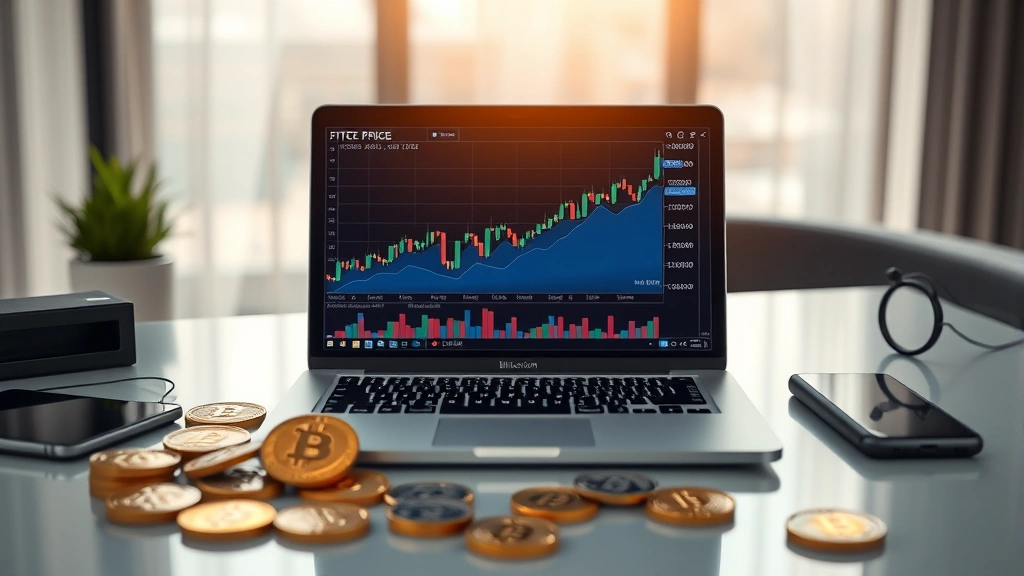
How to Invest in Bitcoin? Beginner’s Guide
Bitcoin has evolved from a niche digital currency into a mainstream investment asset that attracts institutional investors, financial advisors, and individual traders worldwide. Whether you’re curious about cryptocurrency or ready to allocate capital to digital assets, understanding how to invest in Bitcoin is essential for navigating this dynamic market. This comprehensive guide walks you through everything beginners need to know, from opening your first account to managing risk effectively.
The Bitcoin investment landscape has matured significantly since the cryptocurrency’s inception in 2009. Today, multiple pathways exist for investors to gain exposure to Bitcoin, ranging from direct ownership to regulated financial products. Each approach carries distinct advantages, risks, and tax implications that warrant careful consideration before committing funds.
Understanding Bitcoin Before Investing
Before deploying capital into Bitcoin, investors must comprehend the fundamental technology and market dynamics that drive price movements. Bitcoin operates on a decentralized blockchain network, where transactions are verified by miners through a process called proof-of-work. This mechanism ensures security and immutability without requiring a central authority like a bank or government.
The total supply of Bitcoin is capped at 21 million coins, creating artificial scarcity that some investors view as a hedge against inflation. This fixed supply contrasts sharply with traditional fiat currencies, which central banks can expand indefinitely. Understanding this scarcity principle helps explain Bitcoin’s appeal to investors concerned about currency debasement and purchasing power erosion.
Bitcoin’s price volatility represents both opportunity and risk. Historical price movements have ranged from near-zero valuations to over $69,000 per coin. This volatility stems from factors including regulatory announcements, macroeconomic conditions, institutional adoption rates, and sentiment shifts within the cryptocurrency community. Before investing, consider your risk tolerance and investment timeline carefully.
The regulatory environment surrounding Bitcoin continues evolving globally. Different jurisdictions impose varying requirements on cryptocurrency exchanges, custodians, and investors. Familiarizing yourself with your country’s tax treatment of Bitcoin gains and the regulatory status of cryptocurrency platforms is crucial for compliance and financial planning.
Setting Up Your Bitcoin Investment Account
Establishing a Bitcoin investment account begins with selecting an appropriate platform. Cryptocurrency exchanges like Coinbase and Kraken offer user-friendly interfaces designed for beginners, while platforms like Binance cater to more experienced traders seeking advanced features. Evaluate exchanges based on security certifications, regulatory compliance, fee structures, and customer support quality.
Most regulated exchanges require identity verification (KYC – Know Your Customer) before allowing deposits. This process typically involves providing government-issued identification, proof of residence, and sometimes answering questions about your investment experience. While KYC requirements may feel invasive, they protect you by ensuring the platform operates legally and maintains insurance coverage for customer assets.
After account creation, link a funding source—typically a bank account, debit card, or credit card. Bank transfers usually offer the lowest fees but require longer processing times (3-5 business days). Debit cards provide faster funding but often carry higher fees (1-4% depending on the exchange). Credit cards for cryptocurrency purchases may trigger cash advance fees, making them less economical for most investors.
Consider starting with small deposits to familiarize yourself with the platform’s interface and procedures. Many exchanges offer demo or practice modes where you can simulate trades without real money. Taking time to understand how to place orders, transfer funds, and access security settings prevents costly mistakes once you begin investing actual capital.
Different Ways to Invest in Bitcoin
Direct Purchase and Custody
The most straightforward approach involves buying Bitcoin directly on an exchange and holding it in your account. This method provides complete ownership and control, though it requires you to manage security keys and backup phrases. If you lose access credentials, recovery becomes difficult or impossible. Most exchanges insure customer assets against theft, but insurance typically doesn’t cover user error or forgotten passwords.
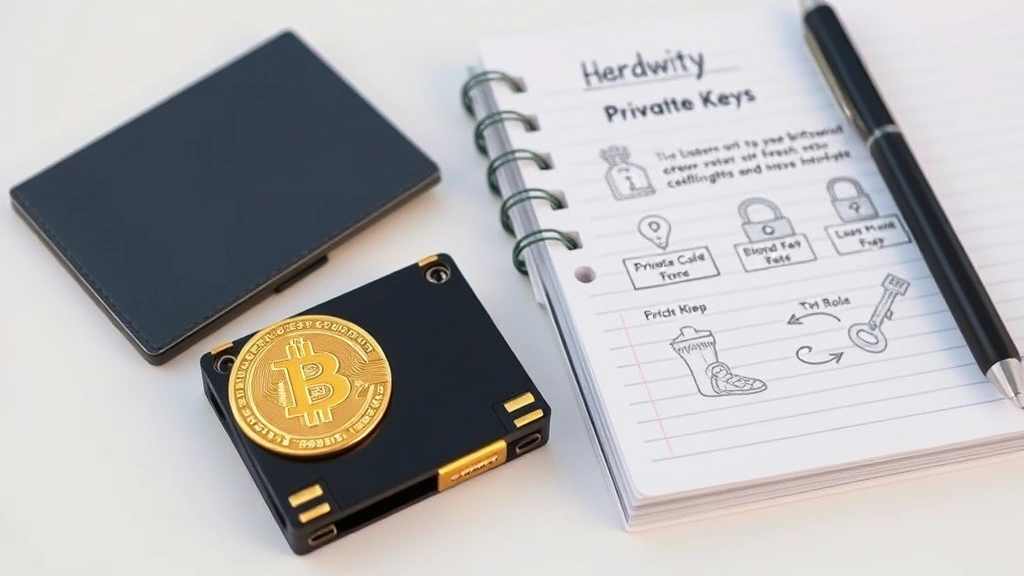
For enhanced security, many investors transfer purchased Bitcoin to hardware wallets—physical devices that store private keys offline. Popular hardware wallets include Ledger and Trezor, which cost $50-100 but provide significantly improved security compared to keeping funds on exchange servers. This approach suits investors planning to hold Bitcoin long-term rather than actively trade.
Bitcoin Investment Trusts and ETFs
Investors uncomfortable with direct ownership can gain Bitcoin exposure through regulated investment products. Spot Bitcoin ETFs, now available in the United States and other jurisdictions, track Bitcoin’s price while allowing trading through standard brokerage accounts. These products eliminate the need to manage private keys or navigate cryptocurrency exchanges, appealing to traditional investors.
Bitcoin futures contracts offer another avenue, allowing investors to speculate on price movements without holding the underlying asset. Futures involve leverage, amplifying both gains and losses, making them suitable only for experienced traders with sophisticated risk management practices. Beginners should typically avoid leveraged products until developing substantial market knowledge.
Bitcoin Mining and Staking
Some investors earn Bitcoin through mining—providing computational power to verify transactions and secure the network. However, mining requires significant capital investment in specialized hardware (ASIC miners) and ongoing electricity costs. For most individual investors, mining profitability depends on electricity rates and hardware efficiency, making it economically unviable in high-cost regions.
Bitcoin doesn’t support traditional staking like proof-of-stake cryptocurrencies. However, some platforms offer yield-bearing accounts where you deposit Bitcoin and earn interest from lending activities. These products carry counterparty risk—if the platform fails, your Bitcoin could be lost. Carefully evaluate platform security and insurance coverage before depositing significant amounts.
Creating Your Investment Strategy
Successful Bitcoin investing requires a coherent strategy aligned with your financial goals, risk tolerance, and investment timeline. Bitcoin price prediction analysis can inform your timing decisions, though predicting short-term price movements remains notoriously difficult.
Dollar-Cost Averaging (DCA)
Dollar-cost averaging involves investing fixed amounts at regular intervals regardless of price fluctuations. This strategy reduces the impact of volatility and eliminates the pressure of timing market entry perfectly. For example, investing $500 monthly for twelve months exposes you to varying prices, potentially reducing your average purchase price compared to a single lump-sum investment at market peaks.
DCA appeals particularly to beginners because it enforces discipline and reduces emotional decision-making. Automated investment plans offered by many exchanges execute DCA strategies effortlessly, purchasing Bitcoin daily, weekly, or monthly without requiring manual intervention.
Understanding Market Analysis
Learning Bitcoin technical analysis helps identify potential support and resistance levels. Technical analysts use price charts and trading volume to forecast likely price movements. While technical analysis remains controversial regarding predictive accuracy, understanding chart patterns helps you identify optimal entry and exit points.
Familiarizing yourself with Bitcoin chart indicators like moving averages and relative strength index (RSI) provides additional tools for investment decisions. However, no indicator guarantees accurate predictions, and combining multiple analysis methods with fundamental research produces more reliable decisions than relying on any single tool.
Portfolio Allocation and Diversification
Bitcoin should typically comprise only a portion of a diversified investment portfolio. Financial advisors often recommend allocating 1-5% of total investment capital to Bitcoin, depending on risk tolerance and investment objectives. Portfolio diversification principles suggest combining Bitcoin with traditional assets like stocks, bonds, and real estate to reduce overall portfolio volatility.
Regular portfolio rebalancing maintains your target allocation percentages. As Bitcoin’s price changes relative to your other holdings, rebalancing involves selling assets that have appreciated and buying those that have declined, systematically enforcing a buy-low, sell-high discipline.
Risk Protection Strategies
Consider implementing stop-loss orders that automatically sell Bitcoin if prices decline beyond predetermined levels. While stop-losses protect against catastrophic losses, they may trigger during temporary price dips, locking in losses prematurely. Protecting investments during economic downturns requires balancing protection against premature liquidation.
Setting profit-taking targets helps capture gains during bull markets. Deciding in advance to sell 25% of holdings after 50% appreciation removes emotion from selling decisions and locks in profits before inevitable corrections.
Security and Risk Management
Bitcoin security encompasses multiple dimensions, from exchange platform security to personal key management. Choosing exchanges with strong security records, two-factor authentication requirements, and insurance coverage protects your initial investment from hacking and theft.
Private Key Management
Bitcoin ownership depends entirely on controlling private keys—long cryptographic strings that authorize transactions. Anyone accessing your private keys can transfer your Bitcoin irreversibly. Storing keys securely without losing them represents a critical security challenge.
Hardware wallets provide excellent security by keeping private keys offline, inaccessible to internet-connected devices where hackers operate. Writing seed phrases (12-24 word recovery sequences) on paper and storing them in secure locations like safes creates backup access methods if hardware fails.
Never share private keys or seed phrases with anyone, including customer support representatives. Legitimate platforms never request this information. Scammers frequently impersonate support staff to trick users into revealing keys, resulting in complete asset loss.
Market Risk Management
Bitcoin’s volatility means prices can decline 20-50% within months. Only invest capital you can afford to lose without disrupting financial stability. Avoid investing money needed for emergency expenses, debt payments, or near-term obligations.
Leverage and margin trading amplify volatility’s impact, potentially resulting in losses exceeding initial investment. Beginners should avoid these advanced strategies until developing extensive market experience and implementing sophisticated risk controls.
Regulatory and Tax Considerations
Bitcoin investments trigger tax obligations in most jurisdictions. Capital gains from Bitcoin sales typically qualify as taxable events, with tax rates depending on holding periods and local regulations. Maintaining detailed transaction records facilitates accurate tax reporting and prevents compliance issues.
Some jurisdictions classify Bitcoin as property, others as currency, and some have yet to establish clear guidelines. Consulting with tax professionals familiar with cryptocurrency ensures compliance with applicable regulations and optimizes tax efficiency.
Monitoring and Optimizing Your Portfolio
Successful Bitcoin investing continues after initial purchase. Regular monitoring helps identify opportunities to rebalance holdings and assess whether your strategy remains aligned with evolving goals and market conditions.
Tracking Performance Metrics
Monitor your investment’s performance relative to Bitcoin’s overall price movement. If you purchased at $40,000 and Bitcoin now trades at $50,000, your position has appreciated 25%. However, if Bitcoin overall has appreciated 40%, your portfolio underperformed the benchmark, potentially indicating suboptimal strategy execution or poor entry timing.
Calculate your average cost basis—the average price paid for all Bitcoin holdings—to assess whether current prices represent attractive buying opportunities or suggest taking profits. Tracking this metric helps prevent emotional decisions based on short-term price fluctuations.
Staying Informed
The cryptocurrency landscape evolves rapidly, with regulatory changes, technological upgrades, and macroeconomic shifts affecting Bitcoin’s value proposition. Following reputable sources like CoinDesk keeps you informed about significant developments. Subscribing to blockchain explorers allows monitoring network activity and transaction volumes.
Understanding on-chain metrics—data derived from blockchain analysis—provides insights into investor behavior and potential price trends. Metrics like exchange inflows/outflows and whale activity (large holder movements) inform sophisticated investors’ decisions.
Adjusting Strategy Over Time
Your investment strategy should evolve as your knowledge deepens and circumstances change. Beginners might start with simple buy-and-hold approaches, gradually incorporating technical analysis and rebalancing as expertise develops.
Major life changes—receiving inheritance, changing employment, or approaching retirement—warrant strategy reassessment. Bitcoin’s volatility makes it less suitable as you approach retirement, when portfolio stability becomes increasingly important.

FAQ
How much money should I invest in Bitcoin as a beginner?
Begin with amounts you can afford to lose entirely without affecting financial stability. Many advisors suggest starting with $100-500, allowing you to learn platform mechanics and experience market movements with limited downside. As comfort increases, gradually increase investment amounts while maintaining overall portfolio allocation targets (typically 1-5% of total investments).
Is Bitcoin a good investment for retirement?
Bitcoin’s extreme volatility makes it unsuitable as a primary retirement investment. However, small allocations (1-3% of retirement portfolios) may enhance long-term returns for investors with high risk tolerance. Consult financial advisors to determine appropriate allocations based on your specific retirement timeline and goals.
Can I lose more money than I invest in Bitcoin?
If you purchase Bitcoin directly, your maximum loss equals your initial investment (if Bitcoin becomes worthless). However, using leverage or margin trading can result in losses exceeding your initial capital. Beginners should avoid leveraged trading entirely until developing extensive experience.
What’s the difference between Bitcoin and other cryptocurrencies?
Bitcoin is the original cryptocurrency with the largest market capitalization and network security. Other cryptocurrencies (altcoins) offer different features and use cases. Bitcoin remains the most established and least speculative cryptocurrency, making it appropriate for conservative investors. Altcoins carry substantially higher risk and volatility.
How do I report Bitcoin investments on my taxes?
Tax treatment varies by jurisdiction. Generally, Bitcoin purchases aren’t immediately taxable, but sales trigger capital gains taxes. Some jurisdictions tax Bitcoin received as income at higher rates. Maintain detailed transaction records and consult tax professionals familiar with cryptocurrency to ensure accurate reporting.
Should I invest in Bitcoin now or wait for lower prices?
Timing market bottoms is extremely difficult, even for professionals. Dollar-cost averaging eliminates this pressure by investing fixed amounts regardless of price. Rather than attempting perfect timing, focus on consistent investment execution and long-term strategy adherence.
What happens if I forget my Bitcoin exchange password?
Most exchanges allow password recovery through email verification. However, if you’ve transferred Bitcoin to a personal hardware wallet and lose the private key or seed phrase, recovery is impossible—your Bitcoin becomes permanently inaccessible. Store recovery information securely in multiple locations.
Can I invest in Bitcoin through my regular brokerage account?
Yes, many traditional brokers now offer Bitcoin ETFs and futures contracts. This approach avoids cryptocurrency exchange accounts but typically offers less flexibility than direct Bitcoin purchases. Compare fees and available features across platforms before deciding.


