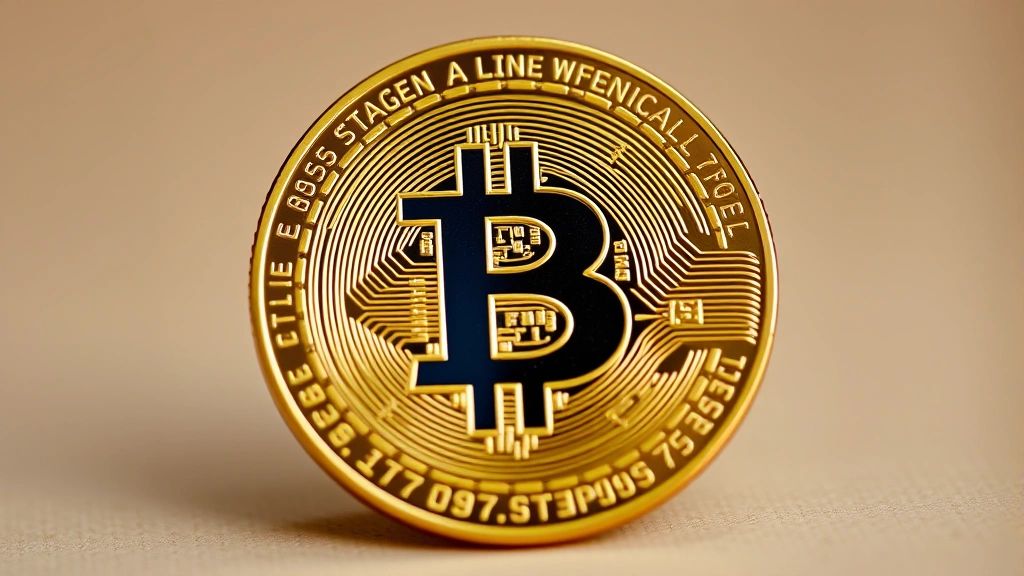
What is Physical Bitcoin? Gamer’s Insight
Physical Bitcoin represents a tangible bridge between the digital cryptocurrency world and real-world collectibles, gaining surprising prominence in gaming communities, particularly among Escape from Tarkov players. These physical representations of Bitcoin have evolved from novelty items to serious collectibles and educational tools, offering gamers and crypto enthusiasts a unique way to engage with blockchain technology beyond screens and wallets.
The intersection of gaming culture and cryptocurrency has created an interesting niche where physical Bitcoin coins serve multiple purposes: as investment vehicles, collectible items, and surprisingly, as in-game loot that mirrors real-world value. Understanding physical Bitcoin requires exploring both its technical foundations and its cultural significance in gaming ecosystems.
Understanding Physical Bitcoin Basics
Physical Bitcoin coins are tangible representations of Bitcoin that contain either actual cryptocurrency or the cryptographic keys needed to access Bitcoin stored on the blockchain. Unlike digital Bitcoin stored in wallets, physical Bitcoin provides a concrete object that collectors and gamers can hold, display, and trade. These coins bridge the gap between abstract digital assets and traditional collecting, making cryptocurrency more accessible to those who prefer physical ownership.
The concept emerged in the early 2010s when Bitcoin enthusiasts and craftspeople began creating physical representations of the digital currency. Some versions contain embedded security features like private keys sealed within the coin, while others serve purely as collectibles without actual Bitcoin value. The most sophisticated physical Bitcoin products use holographic elements, tamper-evident seals, and unique serial numbers to ensure authenticity and security.
For gamers, particularly those engaged with survival games like Escape from Tarkov, physical Bitcoin has taken on additional significance. The game features physical Bitcoin as a valuable in-game item that players seek, hoard, and trade. This gaming integration has surprisingly influenced real-world interest in physical Bitcoin, creating a feedback loop where game mechanics inspire curiosity about actual cryptocurrency. Understanding free Bitcoin mining methods can complement your knowledge of how Bitcoin is created, providing context for why physical representations hold value.
The real-world physical Bitcoin market encompasses several categories: hoarding coins with actual Bitcoin value locked inside, collectible coins designed purely for display, novelty items with minimal value, and educational coins used to teach blockchain principles. Each category serves different purposes within the broader cryptocurrency and gaming communities.
Physical Bitcoin in Tarkov Gaming
Escape from Tarkov, a hardcore tactical multiplayer game, features physical Bitcoin as one of the most sought-after loot items. Players raid locations searching for physical Bitcoin stashes, and these items represent significant in-game wealth. The Tarkov Bitcoin serves as a virtual representation of real-world physical Bitcoin, though the game mechanics don’t require players to understand actual cryptocurrency to appreciate the item’s value within the game economy.
Within Tarkov’s economy, physical Bitcoin functions as both a currency and a collectible asset. Players can sell Bitcoin to NPCs for in-game currency (Rubles), use it for trades, or collect multiple coins as part of their stash. The game’s realistic approach to item valuation means Bitcoin’s in-game price fluctuates based on market demand and supply dynamics, mirroring how actual cryptocurrency markets operate. This gamification of Bitcoin has introduced thousands of players to cryptocurrency concepts without requiring them to invest real money.
The Tarkov community has developed extensive knowledge about Bitcoin spawning locations, optimal farming routes, and trading strategies. Streamers and content creators often showcase their Bitcoin hauls, and the in-game item has become iconic within the game’s culture. This mainstream gaming exposure to physical Bitcoin concepts has inadvertently educated a generation of gamers about cryptocurrency assets, even if they never directly engage with actual Bitcoin.
Interestingly, the Tarkov Bitcoin mechanic reflects real-world dynamics: scarcity increases value, players compete for limited resources, and holding Bitcoin is considered a smart long-term strategy within the game. These principles parallel actual cryptocurrency investing, making Tarkov an unusual but effective introduction to financial concepts. The game’s approach to Bitcoin Pi Cycle Top Indicator concepts could theoretically apply to in-game market analysis.
Types and Designs
Physical Bitcoin comes in numerous designs and formats, each offering different features and appeal to collectors. The most common types include loaded coins containing private keys to actual Bitcoin, hollow collectible coins designed for display, artistic limited editions, and educational coins used in classrooms and presentations.
Loaded physical Bitcoin coins typically feature:
- Embedded private keys sealed within tamper-evident holographic elements
- Unique serial numbers for tracking and verification
- Security features including laser engraving and specialized materials
- Certificate of authenticity documenting the Bitcoin value and key information
- Specific Bitcoin amounts ranging from 0.1 BTC to 1 BTC or more
Collectible physical Bitcoin designs vary widely, from minimalist representations of the Bitcoin logo to elaborate artistic interpretations. Limited edition coins often commemorate significant Bitcoin milestones, feature famous artists’ work, or represent specific Bitcoin events. Some coins are minted from precious metals like gold or silver, adding intrinsic material value to their numismatic worth.
The design philosophy behind physical Bitcoin reflects the cryptocurrency’s decentralized ethos. Many coins feature the iconic Bitcoin symbol prominently, often with blockchain-inspired patterns or representations of cryptographic concepts. Premium versions might include:
- Gold or silver plating for aesthetic and material value
- Intricate engravings depicting blockchain networks
- Colored enamel details highlighting the Bitcoin brand
- Anti-counterfeiting measures visible to the naked eye
- Numbered editions establishing scarcity and collectibility
Gaming-inspired designs have emerged following Tarkov’s popularity, with coins featuring imagery reminiscent of the game’s aesthetic. These crossover items appeal to both cryptocurrency enthusiasts and gaming communities, creating unique collector categories.
Investment and Collectible Value
Physical Bitcoin’s value proposition spans three dimensions: the actual Bitcoin stored within loaded coins, the numismatic and collectible value of the physical object, and the cultural significance within gaming and crypto communities. Understanding these layers is essential for anyone considering physical Bitcoin as an investment.
Loaded coins with actual Bitcoin represent direct cryptocurrency ownership. If a coin contains 1 BTC sealed within, its baseline value equals the current Bitcoin market price plus any premium for the physical representation. However, this value is only accessible through redemption, which involves breaking or opening the coin and accessing the private key. This creates an interesting collector’s dilemma: does one preserve the coin’s physical integrity or realize its cryptocurrency value?
The collectible value of physical Bitcoin varies dramatically based on several factors:
- Rarity and edition size – Limited runs command higher premiums than mass-produced coins
- Historical significance – Coins commemorating important Bitcoin events appreciate over time
- Condition and preservation – Mint condition coins sell for substantially more than circulated versions
- Designer reputation – Coins created by renowned artists or mints command collector premiums
- Material composition – Gold or silver coins have intrinsic metal value beyond numismatic worth
When considering physical Bitcoin as investment, consult resources like Is Bitcoin Going to Crash to understand broader market dynamics. While individual coin performance depends on specific factors, overall cryptocurrency market trends affect physical Bitcoin’s investment appeal. Investors should also explore how to invest in index funds as a comparison for diversification strategies.
The Tarkov effect has created an unusual investment dynamic where gaming popularity influences real-world collector interest. Coins with Tarkov-related imagery or themes have seen increased demand from the gaming community, even among players who don’t actively trade cryptocurrency. This demonstrates how cultural crossover can create value independent of traditional financial metrics.
Professional numismatists and cryptocurrency experts have begun tracking physical Bitcoin as a distinct asset class. Major auction houses occasionally feature rare physical Bitcoin coins, and specialized dealers maintain inventories of collectible pieces. The emergence of this professional market suggests physical Bitcoin may establish itself as a legitimate collectible category alongside traditional numismatics.
Security and Verification
Authenticity and security represent critical concerns for physical Bitcoin collectors and investors. The high value of loaded coins makes them targets for counterfeiting, and purchasers must verify both the physical object’s authenticity and the actual Bitcoin value contained within.
Legitimate physical Bitcoin manufacturers employ multiple security features to prevent counterfeiting and unauthorized access:
- Holographic seals covering the private key, with unique visual properties that change with viewing angle
- Tamper-evident design making any attempt to open the coin immediately visible
- Laser-engraved serial numbers that cannot be replicated without specialized equipment
- Microprinting visible only under magnification, creating an additional verification layer
- Material authentication through specific alloy compositions or precious metal content
Verification procedures for physical Bitcoin typically involve:
- Examining the coin’s physical characteristics against known examples
- Checking the serial number against manufacturer records
- Verifying the private key without revealing it through specialized scanning equipment
- Confirming the Bitcoin balance on the blockchain without compromising security
- Reviewing the certificate of authenticity from the original manufacturer
Reputable sources for physical Bitcoin include established cryptocurrency companies, recognized coin manufacturers, and specialized dealers. CoinDesk occasionally covers physical Bitcoin developments and provides resources for verification. Always purchase from dealers with verifiable track records and avoid suspiciously discounted offerings.
The blockchain itself provides an ultimate security verification method. Since loaded coins contain private keys that control actual Bitcoin on the blockchain, the Bitcoin’s existence can be verified by checking the blockchain address without accessing the private key. This creates a unique security advantage: you can confirm value without compromising the coin’s integrity.
Redemption and Conversion
Converting physical Bitcoin back to digital currency or fiat money requires accessing the private key stored within the coin. This process involves several considerations that collectors must understand before purchasing loaded coins.
Redemption procedures vary depending on the coin type:
- Sealed holographic coins require breaking the seal, which destroys the coin’s physical integrity but reveals the private key
- Coins with accessible keys may have designs allowing key access without destroying the physical object
- Manufacturer-verified coins sometimes offer redemption through the original manufacturer, which may preserve the physical object
- Collectible-only coins have no redemption function since they contain no actual Bitcoin
Once you access the private key, converting Bitcoin to fiat currency involves standard cryptocurrency exchange procedures. You would import the private key into a digital wallet, confirm the Bitcoin balance, and then trade it on a cryptocurrency exchange. Resources explaining difference between active and passive investing can help you develop a strategy for when and how to redeem your physical Bitcoin.
Tax implications require careful consideration. In many jurisdictions, redeeming physical Bitcoin triggers capital gains taxation based on the difference between your purchase price and the Bitcoin’s current value. Consulting tax professionals familiar with cryptocurrency is essential before redemption.
The decision to redeem represents a significant choice for collectors. Many prefer preserving their physical Bitcoin coins as collectibles, accepting that they won’t access the cryptocurrency value but maintaining the object’s aesthetic and collector appeal. Others view loaded coins purely as investment vehicles and plan redemption when market conditions align with their financial goals.
Understanding what is compound interest principles can inform long-term holding strategies for physical Bitcoin, particularly if you’re considering the investment timeline before redemption.
Market Dynamics and Future Outlook
The physical Bitcoin market continues evolving as cryptocurrency adoption grows and gaming culture intersects with blockchain technology. Several trends suggest the market will expand significantly in coming years.
Institutional interest in physical Bitcoin remains limited compared to digital holdings, but specialized collectors and museums have begun acquiring significant pieces. The potential for physical Bitcoin to become recognized as a legitimate numismatic category could increase its value and mainstream appeal. As blockchain explorers make cryptocurrency verification more accessible, collectors can confidently verify their coins’ authenticity and value.
Gaming integration has proven surprisingly effective for introducing physical Bitcoin concepts to younger audiences. As more games incorporate cryptocurrency elements or reference physical Bitcoin, mainstream awareness will likely increase. This could create a virtuous cycle where gaming popularity drives collector interest, which drives game developer interest in featuring cryptocurrency items.
The intersection of NFTs (non-fungible tokens) and physical Bitcoin represents an emerging frontier. Some manufacturers are now creating physical coins paired with digital NFT certificates, creating hybrid collectibles that bridge physical and digital ownership. This approach appeals to both traditional collectors and cryptocurrency-native audiences.
Regulatory clarity surrounding physical Bitcoin will significantly impact future market development. As governments establish clearer frameworks for cryptocurrency ownership and taxation, physical Bitcoin may benefit from regulatory certainty. Conversely, restrictive regulations could limit market growth in certain jurisdictions.
FAQ
What is the actual value of physical Bitcoin?
Physical Bitcoin value consists of three components: the actual Bitcoin stored within loaded coins (if any), the numismatic and collectible value of the physical object, and cultural significance within gaming or collector communities. Loaded coins with 1 BTC might cost $40,000-$50,000 depending on current Bitcoin price plus premiums. Collectible-only coins range from $50-$500+ depending on rarity and design.
Can you actually use physical Bitcoin as currency?
Physical Bitcoin coins themselves aren’t used as currency. They’re collectibles or storage devices containing private keys to Bitcoin stored on the blockchain. To use the Bitcoin, you must redeem the coin by accessing its private key and transferring the cryptocurrency through digital channels. Collectible coins without embedded Bitcoin have no currency function.
Are physical Bitcoin coins a good investment?
Physical Bitcoin can serve investment purposes, but returns depend on multiple factors including the actual Bitcoin value, collectibility, market demand, and timing. Like any collectible, physical Bitcoin involves risk. Investors should research specific coins, verify authenticity, and understand their investment timeline before purchasing. Consider diversification strategies rather than viewing physical Bitcoin as a standalone investment.
How do I verify a physical Bitcoin is authentic?
Verify physical Bitcoin through: examining security features like holographic seals and laser engraving, checking serial numbers against manufacturer records, reviewing certificates of authenticity, examining the physical coin against known legitimate examples, and verifying the Bitcoin address on the blockchain. Purchase only from reputable dealers with verifiable track records.
Why is physical Bitcoin popular in Tarkov?
In Escape from Tarkov, physical Bitcoin is a valuable in-game item representing significant wealth. Players seek these coins during raids, and possessing multiple Bitcoin indicates successful gameplay and financial status within the game. The item’s prominence in Tarkov has introduced thousands of players to Bitcoin concepts and influenced real-world collector interest in physical Bitcoin.
What’s the difference between loaded and collectible physical Bitcoin?
Loaded coins contain actual Bitcoin secured within tamper-evident seals, with private keys that give access to cryptocurrency on the blockchain. Collectible coins are purely physical objects designed for display and appreciation, containing no actual Bitcoin value. Loaded coins serve dual purposes as collectibles and cryptocurrency storage, while collectible coins are purely numismatic items.
Can physical Bitcoin be used to store Bitcoin long-term?
Yes, loaded physical Bitcoin coins can serve as long-term storage if the private keys remain secure and the coin’s physical integrity is maintained. This approach appeals to collectors who prefer holding physical objects and those concerned about digital wallet security. However, the Bitcoin remains inaccessible until the coin is redeemed by revealing the private key.


