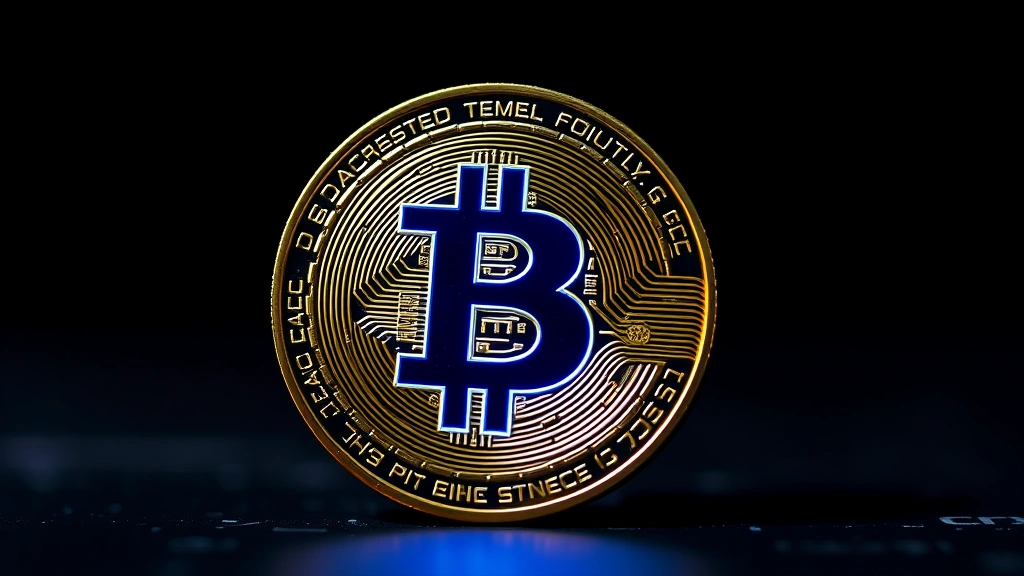
Truth Social’s Bitcoin ETF: Investment Insights
The intersection of social media platforms and cryptocurrency investment products represents one of the most intriguing developments in modern finance. Truth Social, the social network founded by former President Donald Trump, has become a focal point for discussions surrounding Bitcoin exchange-traded funds (ETFs) and their accessibility to retail investors. This convergence raises important questions about how mainstream platforms are reshaping cryptocurrency adoption and what it means for your investment portfolio.
Bitcoin ETFs have fundamentally changed the landscape of cryptocurrency investing by allowing traditional investors to gain exposure to Bitcoin without directly managing digital wallets or private keys. The emergence of spot Bitcoin ETFs in 2024 marked a watershed moment, enabling investors to hold actual Bitcoin through regulated investment vehicles. Truth Social’s growing community of financially-minded users has become increasingly interested in understanding these investment vehicles, creating a unique intersection between social discourse and financial decision-making.
Understanding Bitcoin ETFs and Their Significance
Bitcoin exchange-traded funds represent a paradigm shift in how traditional investors access cryptocurrency assets. Unlike purchasing Bitcoin directly from exchanges, ETFs provide regulatory oversight, tax reporting simplicity, and integration with existing brokerage accounts. When you invest in a spot Bitcoin ETF, you’re purchasing shares that represent actual Bitcoin holdings, distinguishing them from futures-based ETFs that track Bitcoin price movements through derivatives.
The approval of spot Bitcoin ETFs by the SEC marked a critical inflection point for institutional adoption. These investment vehicles allow investors to gain Bitcoin exposure through familiar platforms like their existing stock brokerage accounts. The significance extends beyond mere convenience—it represents regulatory acceptance of Bitcoin as a legitimate asset class worthy of mainstream investment infrastructure.
Understanding market capitalization becomes essential when evaluating Bitcoin’s position within your portfolio. Bitcoin’s market cap, currently in the hundreds of billions of dollars, positions it as a substantial asset class that institutional investors increasingly view as portfolio diversification.
The mechanics of Bitcoin ETFs involve fund managers purchasing and holding actual Bitcoin to back the shares you own. This structure ensures that each share represents a proportional claim on the underlying Bitcoin reserves. Major players in this space include CoinDesk, which provides comprehensive coverage of Bitcoin ETF developments and market analysis.
Truth Social’s Role in Cryptocurrency Discourse
Truth Social has emerged as an unexpected hub for Bitcoin and cryptocurrency discussions, particularly among politically-aligned investors seeking alternatives to mainstream social platforms. The platform’s user base includes significant numbers of cryptocurrency enthusiasts, entrepreneurs, and retail investors engaged in active financial discourse. This unique demographic composition has created an environment where Bitcoin investment strategies and ETF analysis receive substantial attention and discussion.
The platform’s influence on investment decision-making warrants careful examination. While Truth Social facilitates information sharing about Bitcoin ETFs and cryptocurrency investment opportunities, investors must maintain critical thinking when evaluating investment recommendations from any social media source. The democratization of financial information through platforms like Truth Social can accelerate knowledge dissemination but also increases exposure to unvetted advice and potentially misleading claims.
Community-driven discussions on Truth Social about Bitcoin ETFs often highlight accessibility concerns, tax advantages, and portfolio diversification strategies. These conversations reflect broader retail investor interest in cryptocurrency exposure through regulated investment vehicles. However, the informal nature of social media discourse means that comprehensive risk analysis may be lacking.
Truth Social’s role extends beyond passive information sharing. The platform has become a venue where investors discuss timing strategies, share market analysis, and debate the merits of various Bitcoin ETF providers. This peer-to-peer knowledge exchange can provide valuable perspectives, particularly regarding practical implementation questions that institutional resources may not address with retail investor focus.

” alt=”Bitcoin blockchain network visualization showing interconnected nodes and digital currency transactions” />
Investment Considerations for Bitcoin ETF Investors
Before allocating capital to Bitcoin ETFs, investors should evaluate several critical factors aligned with their financial objectives and risk tolerance. The first consideration involves determining appropriate allocation size. Experts suggest that how much you should invest in Bitcoin depends on your overall portfolio size, time horizon, and risk capacity. Bitcoin’s volatility suggests that most investors should limit cryptocurrency exposure to a small percentage of their total portfolio.
Tax implications represent another essential consideration. Bitcoin ETFs held in taxable accounts generate capital gains taxes when you sell shares at a profit. The holding period determines whether gains receive long-term or short-term tax treatment, with long-term holdings (over one year) typically receiving preferential tax rates. Understanding these tax consequences helps optimize your after-tax returns and allows for strategic tax-loss harvesting opportunities.
Fee structures vary significantly among Bitcoin ETF providers. Expense ratios typically range from 0.2% to 0.95% annually, with lower-cost options increasingly available from major fund managers. Over extended holding periods, fee differences compound substantially, making expense ratio comparison an important optimization step. Additionally, investors should understand the custody arrangements and insurance protections provided by different ETF sponsors.
Liquidity considerations matter for investors with significant positions. While major Bitcoin ETFs enjoy substantial trading volumes, investors should verify that their chosen fund provides adequate liquidity for their anticipated trading patterns. Higher trading volumes typically indicate tighter bid-ask spreads and easier entry and exit execution.
The timing question frequently arises among prospective investors. While attempting to time market bottoms remains notoriously difficult, investors can benefit from understanding current Bitcoin price prediction frameworks and market sentiment indicators. Dollar-cost averaging—investing fixed amounts at regular intervals—can reduce timing risk for long-term investors building positions over time.
Risk Factors and Market Volatility
Bitcoin ETF investments carry substantial volatility risk that distinguishes them from traditional fixed-income and equity investments. Bitcoin’s price has experienced swings exceeding 50% within single calendar years, creating significant drawdown potential for concentrated positions. Investors must possess sufficient emotional discipline and financial capacity to maintain positions through substantial temporary losses without panic-driven decisions.
Market volatility stems from multiple sources including regulatory announcements, macroeconomic conditions, institutional adoption trends, and technical factors unique to cryptocurrency markets. The relatively immature state of Bitcoin markets means that large orders can move prices significantly, and liquidity can evaporate during stress periods despite generally healthy ETF trading volumes.
The question of whether Bitcoin is going to crash represents a perpetual concern among investors. Historical analysis demonstrates that Bitcoin has experienced multiple 70%+ drawdowns followed by recovery and new all-time highs. This pattern suggests that while crashes occur regularly, long-term holders who maintain conviction through volatility cycles have historically benefited. However, past performance provides no guarantee of future results.
Concentration risk emerges when Bitcoin represents an oversized portion of your portfolio. If Bitcoin declines sharply, concentrated positions can dramatically impact overall portfolio performance and wealth. Proper position sizing ensures that a Bitcoin ETF decline, however severe, doesn’t derail your broader financial plan.
Regulatory risk presents another material consideration. Governments worldwide continue developing cryptocurrency regulatory frameworks. Adverse regulatory developments could constrain Bitcoin utility or reduce institutional demand, potentially pressuring prices. Conversely, favorable regulatory evolution could accelerate adoption. Monitoring regulatory developments through sources like the SEC’s official announcements helps investors stay informed about legal environment changes.
Regulatory Landscape and Compliance
The regulatory environment surrounding Bitcoin ETFs has evolved dramatically, with the 2024 approval of spot Bitcoin ETFs representing a major milestone. The SEC’s determination that Bitcoin ETF providers adequately addressed fraud prevention and market manipulation concerns paved the way for mainstream investment access. This regulatory blessing provides investor protections through oversight and custody standards that direct Bitcoin ownership lacks.
Compliance requirements for Bitcoin ETF issuers include maintaining segregated custody arrangements, implementing comprehensive audit procedures, and submitting to ongoing SEC examination. These regulatory requirements create protective structures that retail investors benefit from without bearing the compliance burden directly. Understanding that your Bitcoin ETF investment operates within a regulated framework provides assurance that fund assets receive appropriate safeguards.
The regulatory landscape continues evolving as governments develop comprehensive cryptocurrency policy frameworks. The Commodity Futures Trading Commission also influences Bitcoin regulation through oversight of derivatives markets. Investors should monitor regulatory developments, as significant policy changes could affect Bitcoin valuations and ETF accessibility.
Tax regulations surrounding Bitcoin ETFs continue clarifying as tax authorities worldwide develop guidance. The IRS currently treats Bitcoin as property rather than currency, triggering capital gains taxation on profitable sales. Some proposals suggest modifying this treatment, potentially affecting future tax consequences. Staying informed through resources like IRS guidance documents helps investors understand current obligations and anticipate potential changes.

” alt=”Modern cryptocurrency trading interface with Bitcoin candlestick charts and market data displayed on digital screens” />
Comparing Bitcoin ETFs to Direct Ownership
The choice between Bitcoin ETF investment and direct Bitcoin ownership involves evaluating convenience, security, taxation, and operational considerations. Bitcoin ETFs offer significant advantages for most investors including simplified custody, tax reporting through standard 1099 forms, and integration with existing brokerage infrastructure. These conveniences eliminate the technical knowledge requirements and security responsibilities inherent in direct Bitcoin ownership.
Direct Bitcoin ownership provides certain advantages including absolute control over your assets, elimination of counterparty risk through self-custody, and potential tax optimization through specific identification of coins sold. However, direct ownership requires managing private keys, understanding wallet security best practices, and maintaining backup procedures—responsibilities that introduce operational complexity and security risks for inexperienced users.
The pros and cons of cryptocurrency investment apply differently depending on whether you pursue ETF or direct ownership approaches. ETFs remove many cryptocurrency disadvantages while preserving the upside potential. For most retail investors, particularly those unfamiliar with cryptocurrency security protocols, Bitcoin ETFs represent the more practical approach.
Fee considerations also distinguish these approaches. Bitcoin ETF expense ratios typically consume 0.2-0.95% annually, while direct Bitcoin ownership through reputable exchanges may involve lower percentage fees but requires active management and security vigilance. For long-term holders with substantial positions, fee differences can be significant, but for most retail investors, the convenience and security benefits of ETFs justify modest fee costs.
Insurance protections differ substantially between ETFs and direct ownership. Bitcoin ETF custody arrangements typically include insurance coverage protecting against theft and operational failures. Direct Bitcoin ownership provides no such insurance unless you separately purchase coverage—an often overlooked expense and complexity factor.
Future Outlook for Cryptocurrency Investment Products
The trajectory of Bitcoin ETF development suggests continued innovation and expansion of cryptocurrency investment products. Institutional adoption continues accelerating, with major asset managers increasingly adding Bitcoin exposure to their product lineups. This institutional embrace provides validation that Bitcoin investment vehicles will remain accessible and potentially become increasingly cost-efficient as competition intensifies.
Emerging developments include potential expansion to other cryptocurrencies through ETF products, integration of cryptocurrency exposure into traditional index funds, and development of cryptocurrency-backed financial derivatives. These innovations will likely make cryptocurrency exposure increasingly mainstream while reducing barriers to entry for retail investors.
The role of platforms like Truth Social in shaping cryptocurrency investment discourse will likely continue evolving. As Bitcoin ETFs become more established and mainstream, social media discussions may transition from novelty and speculation toward practical portfolio construction conversations. This maturation could improve the quality of information shared and reduce misleading claims within these communities.
Long-term Bitcoin price prospects remain subject to significant uncertainty. Some analysts project substantial appreciation based on scarcity narratives and institutional adoption trends, while skeptics question whether Bitcoin’s use cases justify valuations. Understanding Bitcoin price prediction methodologies helps investors evaluate these competing perspectives critically rather than accepting projections uncritically.
Integration with traditional financial markets will likely deepen, with Bitcoin increasingly treated as a standard asset class alongside stocks and bonds. This integration could reduce volatility as Bitcoin comprises a larger share of overall market capitalization and institutional portfolios. However, the unpredictable nature of technological and regulatory developments ensures that Bitcoin remains a higher-risk investment than traditional assets.
FAQ
What exactly is a Bitcoin ETF?
A Bitcoin ETF is an investment fund that tracks Bitcoin’s price and holds actual Bitcoin assets. Investors purchase shares representing proportional claims on the underlying Bitcoin. Spot Bitcoin ETFs hold physical Bitcoin, while futures-based ETFs track Bitcoin through derivatives contracts. Bitcoin ETFs provide regulated investment access without requiring direct cryptocurrency exchange accounts or wallet management.
Why would I choose a Bitcoin ETF over buying Bitcoin directly?
Bitcoin ETFs offer simplicity through integration with existing brokerage accounts, automatic tax reporting, professional custody and insurance, and elimination of technical security responsibilities. Direct Bitcoin ownership provides absolute control and potential fee savings but requires managing private keys, understanding security best practices, and handling your own tax reporting. For most retail investors, ETFs’ convenience and security advantages outweigh direct ownership benefits.
Are Bitcoin ETFs safe investments?
Bitcoin ETFs operate under SEC oversight with custody and insurance protections, making them safer than direct Bitcoin ownership from operational security perspectives. However, Bitcoin itself remains volatile and speculative, so ETF safety applies to fund structure rather than investment risk. Bitcoin ETF shares can decline substantially in value, making them unsuitable for risk-averse investors or short-term capital needs.
How much of my portfolio should I allocate to Bitcoin ETFs?
Allocation depends on your risk tolerance, time horizon, and overall financial situation. Conservative investors typically allocate 1-3% to Bitcoin, while aggressive investors may go up to 10-15%. Understanding how much to invest in Bitcoin requires honest assessment of your ability to tolerate significant temporary losses without derailing your financial plan. Dollar-cost averaging reduces timing risk when building positions.
What are the tax implications of Bitcoin ETF ownership?
Bitcoin ETF gains receive capital gains taxation—short-term rates if held under one year, long-term rates if held longer. Most brokers provide 1099 forms for tax reporting. Losses can be harvested for tax purposes. Some jurisdictions may develop different cryptocurrency tax treatments, so consulting a tax professional helps optimize your specific situation and ensures compliance with evolving regulations.
Can I invest in Bitcoin ETFs through my retirement account?
Yes, Bitcoin ETFs can be held in IRAs and other qualified retirement accounts, allowing tax-deferred or tax-free growth depending on account type. However, some IRA custodians restrict cryptocurrency holdings, so verify that your custodian permits Bitcoin ETF purchases. Retirement account holdings eliminate short-term trading opportunities but provide tax advantages for long-term Bitcoin positions.
What’s the difference between spot and futures Bitcoin ETFs?
Spot Bitcoin ETFs hold actual Bitcoin, providing direct price exposure. Futures-based ETFs track Bitcoin through derivatives contracts, introducing complexity and potential tracking errors. Spot ETFs generally provide more straightforward exposure and have become the standard since their 2024 approval. Futures ETFs may appeal to certain investors with specific tax or regulatory considerations, but spot ETFs suit most retail investors better.
How do I choose among different Bitcoin ETF providers?
Compare expense ratios (lower is better), trading volumes (higher indicates better liquidity), custody arrangements (established providers offer better security), and insurance coverage. Major providers with strong reputations and competitive fees typically serve retail investors well. Reading prospectuses and understanding fee structures helps identify the best fit for your specific situation and investment size.


