What is Bitcoin Depot? GRC Insights
Bitcoin Depot has emerged as one of North America’s largest networks of Bitcoin ATM machines, fundamentally changing how individuals access cryptocurrency without traditional banking intermediaries. With thousands of machines strategically positioned across the United States and Canada, Bitcoin Depot represents a critical bridge between legacy financial systems and the decentralized crypto economy. This comprehensive guide explores the platform’s architecture, operational mechanisms, regulatory compliance, and implications for cryptocurrency adoption.
As the crypto industry matures, physical access points like Bitcoin Depot become increasingly essential for mainstream adoption. The platform enables users to convert fiat currency into Bitcoin and other digital assets through automated machines, eliminating the need for complex online exchanges or lengthy verification processes. Understanding Bitcoin Depot’s role within the broader cryptocurrency ecosystem provides valuable insights into how blockchain technology intersects with traditional retail infrastructure.

What is Bitcoin Depot?
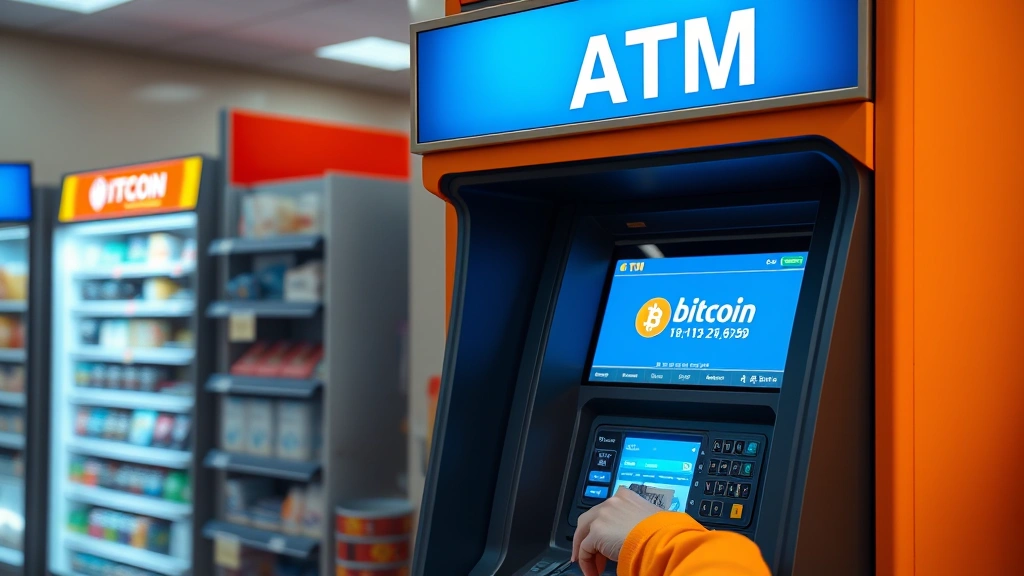
Bitcoin Depot is a cryptocurrency ATM operator and financial services platform that facilitates the purchase and sale of Bitcoin and other digital assets through automated kiosk machines. Founded in 2016, the company has grown to operate thousands of machines across North America, making it one of the largest Bitcoin ATM networks in the region. The platform serves as a crucial infrastructure component for individuals seeking to enter the cryptocurrency market through familiar, accessible physical locations.
The company’s business model centers on providing convenient access to cryptocurrency transactions in retail environments such as convenience stores, grocery stores, and gas stations. Bitcoin Depot machines function similarly to traditional ATMs but enable bidirectional transactions—users can deposit fiat currency to purchase Bitcoin or withdraw fiat by selling Bitcoin. This accessibility has proven particularly valuable for unbanked and underbanked populations who may lack access to traditional cryptocurrency exchanges.
Bitcoin Depot operates as a money services business, requiring compliance with anti-money laundering (AML) and know-your-customer (KYC) regulations across multiple jurisdictions. The platform maintains partnerships with various financial institutions and regulatory bodies to ensure legitimate operations while maintaining the speed and convenience that distinguish ATM transactions from web-based exchanges.
How Bitcoin Depot Operates
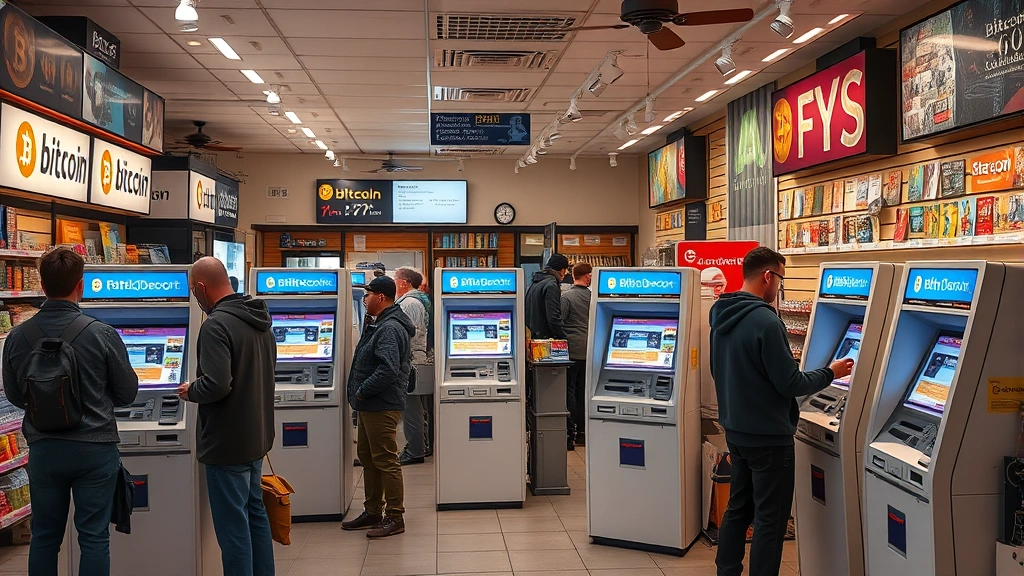
Bitcoin Depot’s operational framework involves several interconnected components that facilitate seamless cryptocurrency transactions. When users approach a Bitcoin Depot machine, they follow a straightforward process: insert cash, provide a wallet address, and complete the transaction within minutes. The platform’s technology stack includes proprietary software, blockchain integration, and real-time market data feeds that ensure accurate pricing and transaction execution.
The transaction process begins with identity verification, which varies depending on transaction amounts and local regulations. Smaller transactions may require minimal identification, while larger purchases trigger enhanced verification procedures. This tiered approach balances regulatory compliance with user convenience, a critical consideration for Bitcoin’s value as a censorship-resistant asset.
Bitcoin Depot machines connect to blockchain networks through secure APIs that interact with the Bitcoin network directly. When a user purchases Bitcoin, the company acquires the asset from its liquidity providers and transfers it to the user’s specified wallet address. The transaction appears on the blockchain within minutes, providing immutable proof of ownership. This direct blockchain interaction distinguishes Bitcoin Depot from custodial exchanges that hold assets on behalf of users.
The platform employs sophisticated pricing mechanisms that adjust Bitcoin prices based on real-time market data, transaction volumes, and operational costs. Fees typically range from 5-8% for purchases and sales, reflecting the premium users pay for convenience and accessibility. This pricing structure remains significantly higher than online exchanges but competitive within the physical ATM market segment.
Network Expansion and Growth
Bitcoin Depot’s expansion strategy focuses on increasing machine density in high-traffic retail locations, particularly in underserved markets with limited cryptocurrency exchange access. The company has successfully negotiated partnerships with major convenience store chains and independent retailers, enabling rapid deployment across diverse geographic regions. This retail-first approach contrasts with purely digital platforms and represents a unique positioning strategy within the crypto infrastructure landscape.
The company’s growth trajectory has accelerated significantly since 2020, driven by increased cryptocurrency adoption and mainstream acceptance. Bitcoin Depot’s valuation has grown substantially, reflecting investor confidence in the physical cryptocurrency infrastructure segment. The platform’s expansion has coincided with broader trends showing Bitcoin price volatility affecting retail participation rates, demonstrating the interconnected nature of adoption metrics and asset valuations.
Strategic partnerships have proven central to Bitcoin Depot’s expansion model. Collaborations with convenience store operators, payment processors, and financial service providers have enabled the company to leverage existing retail infrastructure. These partnerships reduce deployment costs compared to establishing independent locations while providing retailers with additional revenue streams through transaction fees and customer traffic generation.
Regulatory Compliance Framework
Bitcoin Depot operates within a complex regulatory environment that varies significantly across jurisdictions. The company maintains compliance with the Financial Crimes Enforcement Network (FinCEN) regulations, which classify Bitcoin ATM operators as money services businesses. This classification requires registration, reporting obligations, and adherence to anti-money laundering standards.
State-level regulations add additional complexity to Bitcoin Depot’s operations. Many states require specific licensing for money services businesses, with varying requirements regarding capital reserves, transaction reporting, and consumer protection measures. Bitcoin Depot has invested substantially in compliance infrastructure, employing dedicated legal and compliance teams to navigate this regulatory landscape.
International operations introduce further regulatory considerations. In Canada, where Bitcoin Depot operates significantly, the company must comply with regulations administered by the Financial Transactions and Reports Analysis Centre (FINTRAC). These regulations classify cryptocurrency exchanges as money services businesses subject to AML/KYC requirements similar to those in the United States.
Regulatory scrutiny of cryptocurrency ATMs has intensified as government agencies recognize their role in the broader financial system. Bitcoin Depot has proactively engaged with regulators, providing transaction data and implementing enhanced monitoring systems. This cooperative approach helps mitigate regulatory risk while establishing the company as a responsible infrastructure provider within the emerging crypto economy.
Advantages and Benefits
Bitcoin Depot’s primary advantage lies in accessibility and convenience. Users can purchase Bitcoin without creating online accounts, navigating complex exchange interfaces, or waiting for bank transfers to process. This immediacy appeals particularly to individuals seeking quick entry into cryptocurrency markets or those preferring physical transaction methods over digital platforms.
The platform democratizes cryptocurrency access for underbanked populations, individuals without traditional banking relationships, or those uncomfortable with digital-only financial services. Bitcoin Depot machines operate in communities where cryptocurrency exchanges lack physical presence, addressing geographic gaps in the crypto infrastructure landscape.
For individuals considering how much to invest in Bitcoin, Bitcoin Depot provides a lower-friction entry point than online exchanges. The straightforward cash-to-Bitcoin conversion eliminates technical barriers that discourage new users from participating in cryptocurrency markets. This accessibility contributes to broader adoption metrics and market expansion.
Bitcoin Depot’s network also provides exit liquidity for cryptocurrency holders, allowing them to convert Bitcoin back to fiat currency through the same convenient mechanism. This bidirectional functionality enhances Bitcoin’s utility as a medium of exchange and store of value, supporting the asset’s fundamental value proposition.
Security Considerations
Security represents a critical concern for Bitcoin Depot users and the company itself. The physical nature of Bitcoin ATM transactions creates unique security challenges distinct from online exchange platforms. Bitcoin Depot implements multiple security layers including machine-level encryption, network security protocols, and comprehensive fraud detection systems.
User security depends heavily on proper wallet management practices. Bitcoin Depot cannot reverse transactions or recover funds sent to incorrect addresses, as blockchain transactions are immutable. Users must ensure they input correct wallet addresses before confirming transactions, as errors result in permanent fund loss. The company provides clear warnings and verification steps to minimize these risks.
The company’s security infrastructure protects against physical tampering, network attacks, and internal fraud. Machines are regularly monitored and maintained to prevent hardware manipulation. Bitcoin Depot also maintains insurance coverage for operational risks, providing an additional layer of protection for users and the company.
Regulatory compliance intersects with security through AML/KYC requirements designed to prevent illicit activities. While these requirements may seem burdensome, they protect legitimate users by ensuring that Bitcoin Depot maintains operational legitimacy and avoids association with criminal enterprises. This regulatory framework, though sometimes criticized by privacy advocates, enables Bitcoin Depot to operate legally across multiple jurisdictions.
Comparison with Other Platforms
Bitcoin Depot competes with other cryptocurrency ATM operators including Coinsource, Coinbase’s Crypto ATMs, and various regional providers. Compared to these competitors, Bitcoin Depot maintains one of the largest networks, offering superior geographic coverage in many markets. The company’s retail partnerships and location strategy provide competitive advantages in accessibility and convenience.
Traditional cryptocurrency exchanges like Coinbase, Kraken, and Gemini offer lower fees and broader asset selection but require digital account setup and bank transfers. For users prioritizing speed and simplicity over fee optimization, Bitcoin Depot’s higher costs represent acceptable trade-offs. The choice between platforms depends on individual priorities regarding cost, convenience, location, and asset diversity.
Bitcoin Depot also competes indirectly with peer-to-peer platforms like LocalBitcoins and Cash App, which provide alternative methods for acquiring Bitcoin. However, Bitcoin Depot’s institutional backing, regulatory compliance, and machine-based interface appeal to users seeking established, trustworthy infrastructure for cryptocurrency transactions.
Understanding these comparative advantages requires familiarity with technical analysis and market dynamics that influence adoption patterns. Users evaluating platform options should consider their specific needs, transaction frequency, and long-term cryptocurrency strategy when selecting between providers.
GRC Insights and Market Analysis
GRC (Global Regulatory Compliance) insights into Bitcoin Depot reveal important trends regarding cryptocurrency infrastructure maturation. As regulatory frameworks solidify around cryptocurrency ATM operations, companies like Bitcoin Depot that prioritize compliance gain competitive advantages through legitimacy and operational stability. This regulatory clarity attracts institutional investors and enables sustainable business models.
Market analysis indicates that physical cryptocurrency infrastructure will remain valuable despite digital exchange proliferation. Bitcoin Depot’s continued growth demonstrates sustained demand for convenient, accessible cryptocurrency transaction methods. The company’s valuation reflects investor recognition that cryptocurrency adoption requires diverse access mechanisms serving different user demographics and preferences.
The intersection of cryptocurrency adoption and retail infrastructure creates significant growth opportunities. As Bitcoin price predictions consider long-term adoption scenarios, physical access infrastructure becomes increasingly critical to realizing these projections. Bitcoin Depot’s network expansion directly supports the infrastructure requirements for mainstream cryptocurrency adoption.
Regulatory bodies increasingly recognize cryptocurrency ATM operators as legitimate financial service providers rather than suspicious intermediaries. This regulatory evolution enables companies like Bitcoin Depot to expand operations with greater certainty regarding legal status. GRC analysis suggests that regulatory clarity will accelerate infrastructure development and institutional participation in cryptocurrency markets.
Understanding Bitcoin Depot’s role requires broader context about cryptocurrency market dynamics. Learning how to read stock charts provides valuable perspective on analyzing market data relevant to cryptocurrency infrastructure companies. These analytical skills help investors evaluate Bitcoin Depot’s competitive positioning and growth prospects within the evolving crypto ecosystem.
FAQ
What fees does Bitcoin Depot charge for transactions?
Bitcoin Depot typically charges 5-8% in fees for both purchases and sales, though rates vary by location and market conditions. These fees are higher than online exchanges but reflect the premium users pay for convenience and accessibility. Some locations may offer promotional rates or loyalty discounts for frequent users.
Is Bitcoin Depot safe and regulated?
Yes, Bitcoin Depot operates as a registered money services business complying with FinCEN regulations and state-level requirements. The company implements comprehensive security measures and maintains compliance with anti-money laundering standards. However, users remain responsible for securing their private keys and wallets after transactions complete.
How long do Bitcoin Depot transactions take?
Bitcoin purchases typically complete within 5-10 minutes for smaller transactions, though blockchain confirmation may require additional time. Sales of Bitcoin may take slightly longer depending on verification requirements. Network congestion and regulatory delays can extend processing times during peak periods.
Can I purchase cryptocurrencies other than Bitcoin at Bitcoin Depot?
Bitcoin Depot primarily focuses on Bitcoin transactions, though some machines support Ethereum and other popular cryptocurrencies. Availability varies by location, so users should verify which assets their local machine supports before visiting.
What identification is required for Bitcoin Depot transactions?
Identification requirements depend on transaction amounts and local regulations. Smaller purchases may require minimal verification, while larger transactions trigger enhanced KYC procedures. Users should bring government-issued identification and be prepared to provide additional information for substantial purchases.
How does Bitcoin Depot compare to online cryptocurrency exchanges?
Bitcoin Depot offers greater convenience and accessibility but charges higher fees than online exchanges. Online platforms provide broader asset selection and lower costs but require account creation and bank transfers. The choice depends on individual priorities regarding speed, cost, and convenience.


