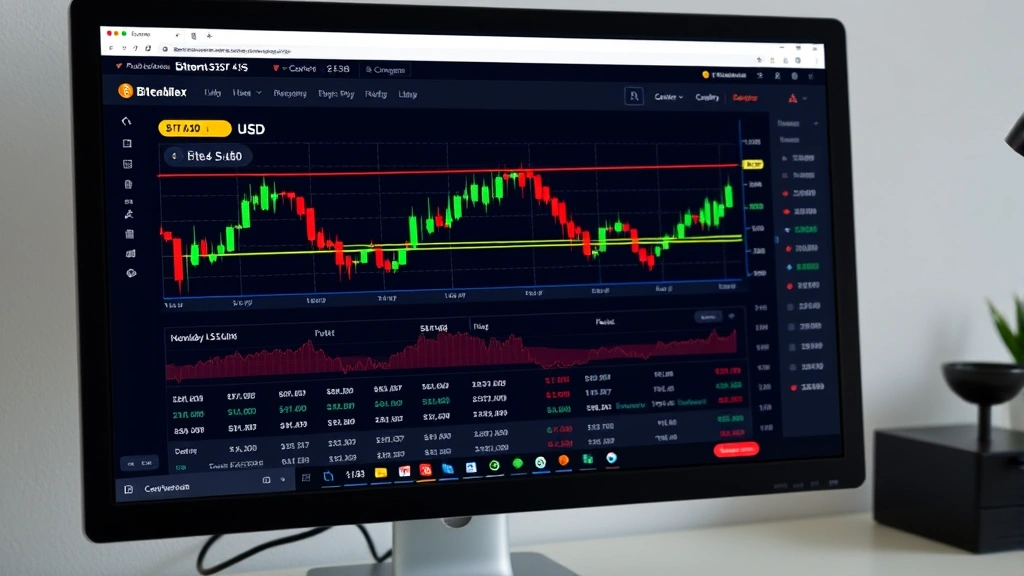
Convert Bitcoin to USD? Latest Rates Insight
Converting 600,000 Bitcoin to USD represents one of the most significant cryptocurrency transactions imaginable. At current market valuations, this amount would translate to hundreds of billions of dollars, making it a theoretical exercise that highlights both the immense value stored in Bitcoin and the practical complexities of large-scale crypto-to-fiat conversions. Understanding how Bitcoin pricing works, what factors influence exchange rates, and the mechanisms available for converting substantial amounts of cryptocurrency is essential for investors, traders, and anyone interested in the digital asset ecosystem.
The journey from Bitcoin holdings to US dollars involves navigating multiple platforms, understanding real-time market dynamics, and considering the tax implications of such conversions. Whether you’re contemplating a smaller transaction or simply curious about how the largest Bitcoin conversions would work, this guide explores the current landscape of Bitcoin-to-USD conversion rates and the practical considerations that come with it.
Current Bitcoin to USD Exchange Rates
Bitcoin’s price fluctuates constantly based on market demand, macroeconomic factors, and investor sentiment. As of the latest market data, Bitcoin trades in the range that determines how much USD you’d receive for any given amount. To convert 600,000 Bitcoin to USD, you would multiply the current Bitcoin price by 600,000. For example, if Bitcoin trades at $45,000 per coin, 600,000 BTC would equal $27 billion USD.
The real-time nature of Bitcoin pricing means that conversion rates change every second. Major cryptocurrency exchanges like CoinDesk provide live price feeds that aggregate data from multiple trading venues. These rates reflect the aggregate buying and selling pressure across global markets, making Bitcoin’s price a true reflection of worldwide investor demand.
It’s crucial to note that the price you see on one exchange may differ slightly from another due to market inefficiencies and regional variations. However, these differences are typically small percentages, and major exchanges maintain relatively synchronized pricing through arbitrage mechanisms.
Methods for Converting Bitcoin to USD
Several pathways exist for converting Bitcoin to US dollars, each with distinct advantages and limitations depending on the size of your transaction and your specific needs.
Centralized Cryptocurrency Exchanges represent the most common conversion method. Platforms like Coinbase, Kraken, and Binance allow users to sell Bitcoin directly for USD. You deposit Bitcoin into your exchange wallet, place a sell order at market price or set a limit order, and receive USD into your connected bank account. For smaller amounts, this process is straightforward and typically completes within 1-5 business days.
Decentralized Exchanges (DEXs) offer an alternative that maintains greater privacy and control over your private keys. Platforms like Uniswap and dYdX allow peer-to-peer trading without a centralized intermediary. However, DEXs typically have lower liquidity for large fiat conversion pairs, making them less suitable for converting massive amounts.
Over-the-Counter (OTC) Trading Desks become essential when dealing with extremely large amounts like 600,000 Bitcoin. Major institutions and specialized OTC brokers handle block trades worth millions or billions of dollars. These desks work directly with buyers and sellers to negotiate prices and terms, often providing better execution than attempting to dump such a massive amount on public exchanges.
Bitcoin ATMs offer another conversion method for smaller amounts, though they typically charge higher fees. If you’re interested in this option, our guide on Bitcoin ATM fees explains the cost structure involved.
Understanding Fees and Conversion Costs
Converting Bitcoin to USD incurs multiple layers of fees that can significantly impact your final USD amount. Understanding these costs is critical for calculating your true conversion rate.
Exchange Trading Fees typically range from 0.1% to 0.5% on major platforms, though some exchanges offer tiered pricing that reduces fees for high-volume traders. For a 600,000 BTC conversion, even a 0.1% fee represents a substantial amount in absolute terms.
Network Fees apply when transferring Bitcoin from your wallet to an exchange. These fees fluctuate based on network congestion. Our article on how long does a Bitcoin transaction take discusses transaction speed and associated fees in detail.
Withdrawal Fees apply when moving USD from the exchange to your bank account. These typically range from $5 to $25 depending on the exchange and your location.
Bank Transfer Fees may apply on the receiving end, though most banks handle incoming ACH transfers without charge.
Spread Costs represent the difference between the bid and ask price. When selling a massive amount, you may impact the market price yourself, resulting in a less favorable execution price than the current market rate.
For large transactions, consulting with CoinDesk or specialized crypto financial advisors helps optimize fee structures and execution strategies.

” alt=”Cryptocurrency exchange interface showing Bitcoin trading pairs and USD conversion options with digital wallet connectivity”>
Factors Affecting Bitcoin Prices
Bitcoin’s USD price responds to numerous interconnected factors that create constant price movement. Understanding these dynamics helps explain why conversion rates fluctuate throughout the day and across different market conditions.
Macroeconomic Indicators profoundly influence Bitcoin’s value. Interest rate decisions from central banks, inflation data, and economic growth forecasts all impact investor appetite for risk assets. When traditional markets face uncertainty, Bitcoin sometimes benefits as a hedge, while in other scenarios it trades in correlation with equities.
Regulatory Developments create significant price movements. Announcements about government restrictions, positive regulatory clarity, or institutional adoption can swing Bitcoin’s price by thousands of dollars in minutes. Major regulatory changes in jurisdictions like the United States, European Union, or Asia ripple through global markets.
Institutional Adoption continues accelerating Bitcoin’s legitimacy and demand. When major corporations, pension funds, or governments announce Bitcoin holdings, price typically responds positively. The narrative around Bitcoin as a store of value versus speculative asset influences its valuation.
Supply Dynamics matter significantly. Bitcoin’s fixed supply cap of 21 million coins creates scarcity that underpins its value proposition. Halving events, which reduce mining rewards every four years, historically precede price increases as supply growth slows.
Technical Sentiment drives short-term price action. Chart patterns, moving averages, and support/resistance levels influence trader behavior. Our guide on Bitcoin price prediction May 2025 explores technical and fundamental analysis approaches.
Market Sentiment and News Cycles create volatility through fear and greed dynamics. Social media trends, celebrity endorsements, and media coverage can temporarily inflate or deflate prices independent of fundamental factors.
Liquidity and Large Transactions
Converting 600,000 Bitcoin to USD raises critical questions about liquidity—the ability to execute such a massive transaction without significantly impacting the market price.
Global Trading Volume determines how quickly you could realistically convert such an amount. Bitcoin’s total daily trading volume across all exchanges typically ranges from $20-40 billion. Attempting to sell 600,000 BTC (worth potentially $25+ billion) would require patient execution over days or weeks, or working through specialized channels.
Market Impact becomes unavoidable with transactions this large. Dumping such volume on public exchanges would almost certainly push prices lower as the market absorbs the supply. This creates a dilemma: patient selling captures lower prices, while aggressive selling ensures faster execution but at worse rates.
OTC Desks Advantage becomes apparent for mega-transactions. Institutions like Galaxy Digital, Genesis, and Fidelity Digital Assets operate OTC desks specifically designed to handle block trades. These venues facilitate transactions between sophisticated buyers and sellers away from public order books, minimizing market impact.
Buyer Identification represents another challenge. Finding counterparties willing to purchase billions of dollars in Bitcoin requires either existing relationships with wealthy buyers, corporations, or other institutions, or working with brokers who maintain networks of potential acquirers.
Settlement Considerations matter for transactions this size. The buyer would need confidence in receiving actual Bitcoin, not just promises. This typically involves escrow arrangements, multi-signature transactions, and legal documentation.
Tax Implications of Bitcoin Conversion
Converting Bitcoin to USD triggers tax events in most jurisdictions that significantly reduce your net proceeds. Understanding your tax obligations before converting is essential for accurate financial planning.
Capital Gains Tax applies in the United States and most countries. If you purchased Bitcoin years ago and convert it today at a much higher price, the difference constitutes capital gains. Long-term capital gains (assets held over one year) typically receive preferential tax treatment compared to short-term gains.
For a 600,000 BTC conversion, calculating your cost basis and gains requires detailed records of when and at what price each Bitcoin was acquired. This becomes complex if you’ve made purchases at different times and prices.
Income Tax Considerations apply if you mined Bitcoin or received it as compensation, as these create ordinary income tax events separate from capital gains treatment.
Reporting Requirements mandate disclosure of cryptocurrency transactions on tax returns. The IRS and other tax authorities increasingly scrutinize crypto transactions, and exchanges provide transaction reports to tax authorities.
State and Local Taxes may apply in addition to federal taxes, and some jurisdictions treat cryptocurrency differently than others.
Consulting with a tax professional experienced in cryptocurrency before executing such a large conversion is absolutely critical. Our guide on how to read financial statements helps you understand the financial documentation you’ll receive from exchanges.
Security Considerations During Conversion
Converting Bitcoin to USD involves moving significant value through multiple systems, creating security risks that require careful management.
Exchange Security matters greatly. Reputable exchanges like Coinbase, Kraken, and Gemini maintain institutional-grade security with insurance against theft and hacks. However, smaller exchanges carry higher risk. Researching an exchange’s security practices, insurance coverage, and regulatory compliance before depositing substantial Bitcoin is essential.
Wallet Security becomes critical before depositing to exchanges. Ensure your Bitcoin resides in secure wallets—either hardware wallets like Ledger and Trezor for long-term storage, or reputable software wallets for active trading. Never leave massive amounts on internet-connected devices.
Private Key Protection ensures only you control your Bitcoin. If you lose private keys or they’re stolen, your Bitcoin is gone forever. For amounts this large, multi-signature wallets requiring multiple approvals for transactions add essential security layers.
Phishing and Social Engineering represent serious risks when dealing with large amounts. Scammers target high-net-worth individuals with sophisticated phishing attacks. Verify exchange URLs directly, enable two-factor authentication, and be skeptical of unexpected communications.
Banking Security applies when USD lands in your bank account. Ensure your banking credentials are secure, and monitor accounts closely for suspicious activity. Large deposits may trigger banking investigation requirements (know your customer/anti-money laundering procedures), which are normal and not concerning.
Custody Solutions for institutional amounts often involve professional custody providers. Companies like Coinbase Custody and Fidelity Digital Assets offer institutional-grade safekeeping for Bitcoin holdings, which may be preferable to self-custody for mega-amounts.
Considering Bitcoin options trading strategies or hedging approaches can also help manage risk during large conversions by locking in prices in advance.

” alt=”Secure cryptocurrency wallet interface with multi-layer authentication showing blockchain verification and transaction confirmation process”>
FAQ
What is the current Bitcoin to USD conversion rate?
Bitcoin’s price fluctuates constantly throughout the day based on global trading. Current rates are available on CoinDesk, major exchanges, and blockchain explorers. To find your specific conversion rate, multiply the current Bitcoin price by your desired amount. Rates vary slightly between exchanges due to market inefficiencies.
How long does converting Bitcoin to USD take?
Converting Bitcoin to USD typically requires 2-5 business days once the sell order is placed. Bitcoin network transfer to an exchange takes 10 minutes to several hours depending on network congestion. Bank processing of USD withdrawals adds 1-3 business days. Expedited options may be available for additional fees. For details on timing, see our article on how long does a Bitcoin transaction take.
What fees apply when converting Bitcoin to USD?
Multiple fees apply: exchange trading fees (0.1%-0.5%), Bitcoin network transfer fees ($5-50 depending on congestion), exchange withdrawal fees ($5-25), and potentially bank fees on the receiving end. For large amounts, the spread between bid and ask prices may increase. Detailed fee structures are explained in our section on Bitcoin ATM fees, which also discusses alternative conversion methods.
Is converting Bitcoin to USD taxable?
Yes, in virtually all jurisdictions, converting Bitcoin to USD is a taxable event. Capital gains tax applies on the difference between your purchase price and the sale price. Long-term holdings (over one year) typically receive preferential tax treatment. You must report the transaction on tax returns. Consult a tax professional for your specific situation.
Can I convert 600,000 Bitcoin to USD easily?
Converting such a massive amount presents significant challenges. Public exchanges lack sufficient liquidity to absorb this volume without substantial price impact. Over-the-counter (OTC) trading desks designed for institutional block trades are necessary. This requires working with specialized brokers, identifying counterparties, and potentially negotiating terms. The process would take weeks or months, not days.
What’s the safest way to convert large Bitcoin amounts?
For large conversions, work with institutional-grade services like Coinbase Custody, Galaxy Digital, or Fidelity Digital Assets. Use hardware wallets for long-term storage before conversion. Enable multi-factor authentication on all accounts. Verify exchange URLs directly. Consider OTC desks for mega-transactions. Consult legal and tax professionals. Never share private keys or seed phrases.
How does Bitcoin price volatility affect conversion rates?
Bitcoin’s price can swing thousands of dollars daily based on market sentiment, news, and macroeconomic factors. This volatility directly impacts your USD proceeds. If Bitcoin drops $5,000, a 600,000 BTC conversion loses $3 billion in value. Limit orders help lock in specific prices. Some traders use Bitcoin options trading to hedge against price movement during conversion.
What should I do before converting Bitcoin to USD?
First, verify your cost basis and calculate tax obligations. Research exchange options and security practices. Enable two-factor authentication and use hardware wallets. Consult tax and legal professionals. Consider market timing and price forecasts—our guide on Bitcoin price prediction May 2025 discusses analysis approaches. For large amounts, contact OTC desks. Plan for the conversion timeline and ensure your bank can handle large deposits. Finally, verify whether this is the right time by reviewing our analysis of is Bitcoin going to crash.


