
What is Bitcoin Solaris? In-Depth Overview
Bitcoin Solaris represents an emerging concept in the cryptocurrency ecosystem that combines blockchain technology with solar energy infrastructure and sustainability initiatives. As the crypto market evolves, projects that integrate renewable energy solutions are gaining significant traction among environmentally conscious investors and developers seeking to address Bitcoin’s energy consumption concerns.
This comprehensive guide explores Bitcoin Solaris in detail, examining its technical foundations, investment potential, and role within the broader cryptocurrency landscape. Whether you’re a seasoned crypto enthusiast or exploring digital assets for the first time, understanding Bitcoin Solaris provides valuable insights into how blockchain technology is adapting to meet modern sustainability standards and environmental challenges.
Understanding Bitcoin Solaris
Bitcoin Solaris is an innovative blockchain initiative that focuses on integrating solar energy production with Bitcoin mining operations. Unlike traditional Bitcoin mining, which consumes enormous amounts of electricity from various power grids, Bitcoin Solaris specifically leverages renewable solar energy to power mining activities. This approach addresses one of the most significant criticisms of cryptocurrency: its environmental impact and carbon footprint.
The project emerged from growing concerns about Bitcoin’s energy consumption, which rivals that of entire nations in some comparisons. By anchoring mining operations to solar infrastructure, Bitcoin Solaris aims to create a more sustainable cryptocurrency ecosystem while maintaining the security and decentralization principles that make Bitcoin valuable.
Bitcoin Solaris operates on several core principles. First, it emphasizes renewable energy utilization, specifically solar power generation. Second, it maintains Bitcoin’s fundamental security model through proof-of-work consensus. Third, it seeks to create economic incentives for building new solar infrastructure by making mining profitable enough to justify investment in renewable energy projects.
The initiative appeals to multiple stakeholder groups: environmentally conscious investors seeking sustainable cryptocurrency investment opportunities, energy companies looking to monetize excess solar capacity, and miners wanting to reduce operational costs through renewable energy sources. This convergence of interests creates a unique value proposition in the cryptocurrency market.
How Bitcoin Solaris Works
Bitcoin Solaris functions by creating direct connections between solar energy generation facilities and Bitcoin mining operations. The technical implementation involves several key components working in concert to optimize energy utilization and mining profitability.
At its foundation, Bitcoin Solaris uses the same proof-of-work consensus mechanism as Bitcoin. Miners compete to solve complex mathematical problems, validating transactions and securing the network. The fundamental difference lies in the power source: instead of drawing electricity from traditional grids powered by fossil fuels or mixed energy sources, Bitcoin Solaris mining operations run exclusively on solar-generated electricity.
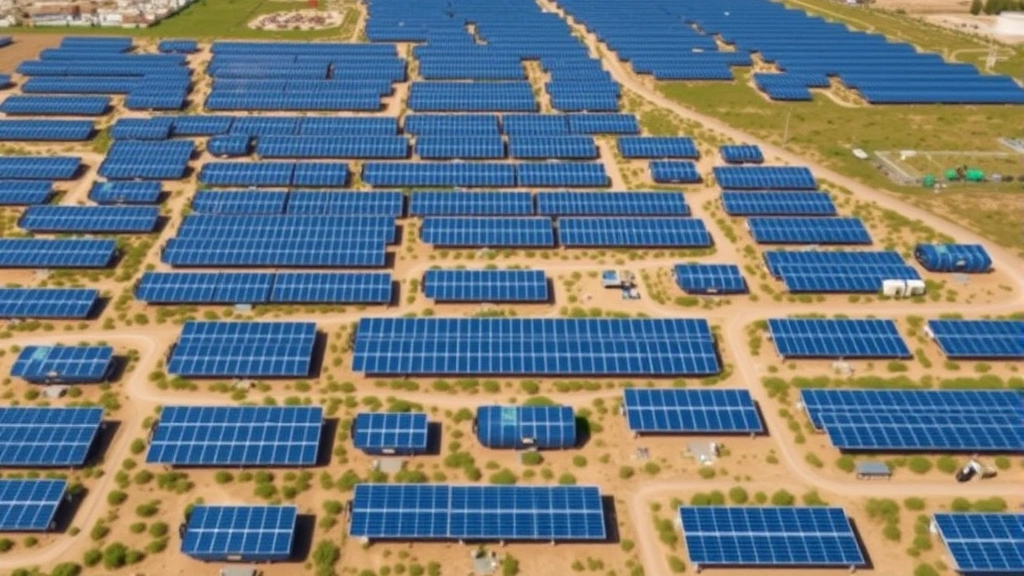
The architecture typically includes solar panel arrays that generate direct current electricity, inverters that convert this to alternating current compatible with mining hardware, and specialized mining rigs optimized for efficiency. Advanced energy management systems monitor real-time solar output and adjust mining operations accordingly, maximizing the use of available renewable energy while minimizing waste.
Smart contracts play an important role in Bitcoin Solaris infrastructure. These automated agreements can manage energy distribution, allocate mining rewards, and ensure transparent tracking of renewable energy usage. By leveraging blockchain technology itself, the project creates verifiable proof of sustainable mining practices that investors and regulators can audit independently.
The economic model behind Bitcoin Solaris creates interesting incentives. Solar energy costs are primarily capital expenses for infrastructure, with minimal ongoing fuel costs. Once solar installations are built, the marginal cost of additional electricity for mining approaches zero. This economic advantage allows Bitcoin Solaris mining to remain profitable even during periods when Bitcoin prices decline, as long as infrastructure investments have already been made.

Energy Efficiency and Sustainability
Environmental sustainability forms the cornerstone of Bitcoin Solaris’s value proposition. Traditional Bitcoin mining consumes approximately 120 terawatt-hours of electricity annually, according to various industry estimates. This consumption generates substantial carbon emissions, particularly in regions relying on fossil fuel-based power generation.
Bitcoin Solaris directly addresses this challenge by eliminating fossil fuel dependence for mining operations. Solar energy is infinitely renewable, produces zero operational emissions, and becomes increasingly cost-competitive as technology improves. By anchoring mining to solar infrastructure, the project creates economic incentives for expanding renewable energy capacity globally.
The efficiency gains extend beyond simple energy sourcing. Bitcoin Solaris operations often incorporate additional sustainability measures, including energy storage systems that buffer solar output variability, waste heat recovery systems that utilize mining equipment heat for other purposes, and water-efficient cooling solutions. These integrated approaches maximize overall resource efficiency.
Furthermore, Bitcoin Solaris mining can support grid stability in regions with high solar penetration. By providing flexible demand that can adjust to available solar output, mining operations help utilities manage intermittency challenges associated with renewable energy sources. This grid stabilization function adds value beyond cryptocurrency generation, benefiting entire energy ecosystems.
Environmental impact assessments of Bitcoin Solaris operations show dramatically reduced carbon footprints compared to conventional mining. A facility powered entirely by solar energy produces zero direct emissions, while grid-powered mining in coal-heavy regions generates 10-15 kilograms of CO2 per Bitcoin mined. This 100% reduction in operational emissions represents a significant environmental advantage.
Investment Considerations
Evaluating Bitcoin Solaris as an investment requires understanding both opportunities and risks inherent in this emerging sector. Like all cryptocurrency and energy infrastructure investments, Bitcoin Solaris carries specific considerations that potential investors should carefully analyze.
From a financial perspective, Bitcoin Solaris mining operations benefit from the structural economics of renewable energy. Once solar infrastructure is installed, electricity costs become negligible, creating a sustainable cost advantage. This economic moat persists regardless of short-term Bitcoin price fluctuations, providing some protection during bear markets when grid-powered mining becomes unprofitable.
However, investors must recognize that Bitcoin Solaris projects require substantial upfront capital investment in solar infrastructure. A utility-scale mining operation might require millions of dollars in solar installation costs before generating any returns. This capital intensity creates barriers to entry but also protects established operations from competition.
When considering Bitcoin Solaris investments, understanding cryptocurrency market capitalization helps contextualize the broader market. Bitcoin Solaris represents a niche within the larger cryptocurrency ecosystem, making liquidity and price discovery important considerations for investors.
Dollar cost averaging strategies can be particularly effective for Bitcoin Solaris investments, as they reduce exposure to price volatility while allowing investors to accumulate positions over time. This approach suits the long-term sustainability focus of Bitcoin Solaris projects.
Regulatory risk represents another critical consideration. As governments worldwide develop cryptocurrency regulations, Bitcoin Solaris operations may face changing compliance requirements. However, the environmental credentials of these operations may actually attract regulatory support in jurisdictions prioritizing renewable energy and climate goals.
Portfolio diversification principles suggest that Bitcoin Solaris holdings should represent only a portion of overall cryptocurrency exposure. While the renewable energy angle offers unique appeal, Bitcoin Solaris remains subject to cryptocurrency market volatility and regulatory uncertainties.
Market Position and Competition
Bitcoin Solaris competes within both cryptocurrency mining and renewable energy sectors, facing competition from multiple directions. Understanding this competitive landscape helps investors assess Bitcoin Solaris’s long-term viability and market potential.
Within cryptocurrency mining, Bitcoin Solaris faces competition from traditional mining operations that benefit from cheap electricity in regions like Iceland, El Salvador, and parts of China. These operations may use hydroelectric, geothermal, or fossil fuel power sources. Bitcoin Solaris’s competitive advantage lies not in immediate cost efficiency but in long-term sustainability and regulatory alignment.
Other renewable energy mining projects also compete with Bitcoin Solaris. Wind-powered mining operations, geothermal mining facilities, and hybrid renewable energy mining platforms all pursue similar sustainability goals. The market is large enough for multiple approaches to succeed, as global renewable energy capacity continues expanding rapidly.
Bitcoin Solaris also competes with alternative cryptocurrencies using less energy-intensive consensus mechanisms. Proof-of-stake networks, for example, consume dramatically less electricity than proof-of-work systems. However, Bitcoin’s network effects and market dominance mean that improving Bitcoin’s sustainability through projects like Bitcoin Solaris may be more impactful than shifting to alternative cryptocurrencies.
Market adoption of Bitcoin Solaris depends on several factors. Continued Bitcoin price appreciation would improve mining profitability and justify larger solar infrastructure investments. Increasing environmental regulations might favor sustainable mining operations. Growing investor demand for ESG-compliant cryptocurrency exposure could drive capital toward Bitcoin Solaris projects.
Technical Architecture
The technical foundation of Bitcoin Solaris represents a sophisticated integration of renewable energy systems, cryptocurrency mining hardware, and blockchain technology. Understanding these technical elements illuminates how Bitcoin Solaris achieves its sustainability goals while maintaining cryptocurrency security.
Bitcoin Solaris mining operations utilize standard ASIC (Application-Specific Integrated Circuit) miners, the same hardware used in conventional Bitcoin mining. These specialized processors perform the cryptographic calculations necessary for proof-of-work consensus. The distinction lies entirely in the power source feeding these devices.
Solar photovoltaic systems generate direct current electricity from sunlight. DC electricity must be converted to alternating current through inverters before powering mining equipment. Advanced inverter technology in Bitcoin Solaris installations optimizes voltage and frequency to maximize mining hardware efficiency, reducing energy losses in the conversion process.
Energy management systems represent crucial technical components. These sophisticated software and hardware combinations monitor real-time solar output, ambient temperature, mining difficulty, and Bitcoin prices. Based on these variables, the system dynamically adjusts mining operations, powering on additional mining rigs when solar output is high and scaling back during cloudy periods or night hours.
Battery energy storage systems buffer solar output variability, enabling continuous mining operations even when solar generation fluctuates. These systems store excess solar energy during peak generation hours and discharge it during lower generation periods. Advanced battery management systems optimize charging and discharging cycles to maximize battery lifespan and overall system efficiency.
The blockchain itself provides transparency and verification of Bitcoin Solaris operations. Mining pools and individual miners can publish verifiable records of energy usage and mining output on the blockchain, creating immutable audit trails. Third-party validators can independently verify these claims, building confidence in the sustainability credentials of Bitcoin Solaris operations.
Cooling systems also receive special attention in Bitcoin Solaris design. Mining operations generate substantial heat, requiring efficient cooling to maintain optimal hardware performance. Liquid cooling systems, immersion cooling, and innovative heat recovery systems that repurpose mining heat for other purposes all appear in advanced Bitcoin Solaris installations.
FAQ
What makes Bitcoin Solaris different from regular Bitcoin mining?
Bitcoin Solaris specifically powers mining operations using solar energy, whereas traditional Bitcoin mining draws electricity from various grid sources that may include fossil fuels. Both use identical proof-of-work consensus mechanisms, but Bitcoin Solaris emphasizes environmental sustainability and renewable energy integration as core operational principles.
Is Bitcoin Solaris a separate cryptocurrency?
No, Bitcoin Solaris is not a separate cryptocurrency. It refers to Bitcoin mining powered by solar energy. Miners using Bitcoin Solaris infrastructure produce standard Bitcoin, not a different digital asset. The distinction lies in the sustainable energy sourcing rather than the cryptocurrency itself.
How profitable is Bitcoin Solaris mining?
Profitability depends on several factors: Bitcoin price, mining difficulty, solar installation costs, local climate conditions, and electricity grid prices. Once solar infrastructure is installed, marginal electricity costs approach zero, providing a significant advantage over grid-powered mining. However, initial capital investment is substantial, requiring careful financial analysis before deployment.
What are the main risks of investing in Bitcoin Solaris?
Key risks include Bitcoin price volatility, cryptocurrency regulatory uncertainty, solar installation capital requirements, weather-dependent energy generation, and competition from other renewable energy mining operations. Investors should conduct thorough due diligence and consider these risks carefully before committing capital.
How does Bitcoin Solaris compare to other renewable energy mining approaches?
Bitcoin Solaris uses solar energy specifically, while other projects use wind, geothermal, or hydroelectric power. Each approach has advantages depending on geographic location and resource availability. Solar offers excellent scalability and is increasingly cost-competitive, while other renewable sources may offer better reliability in specific regions.
Can Bitcoin Solaris help reduce cryptocurrency’s environmental impact?
Yes, Bitcoin Solaris directly reduces environmental impact by eliminating fossil fuel usage in mining operations. As more miners adopt renewable energy sources like those used in Bitcoin Solaris, overall Bitcoin network energy consumption becomes cleaner and more sustainable.
Where can I learn more about Bitcoin Solaris investments?
Research cryptocurrency investment platforms, renewable energy companies developing mining operations, and industry publications covering sustainable blockchain technology. CoinDesk provides comprehensive cryptocurrency market analysis, while Blockchain.com offers blockchain data and statistics. For technical details, consult GitHub repositories of mining projects. The International Energy Agency publishes research on renewable energy and cryptocurrency, providing valuable context for understanding Bitcoin Solaris’s role in global energy transitions.


