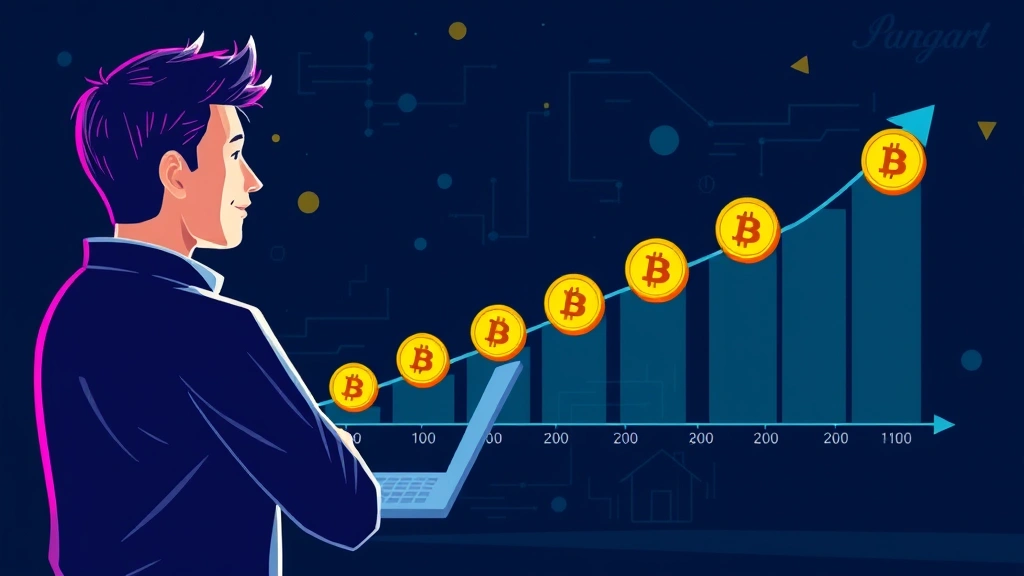
DCA Bitcoin: Proven Method for Risk Management
Dollar-Cost Averaging (DCA) has emerged as one of the most effective strategies for managing risk in Bitcoin investments. Rather than attempting to time the market—a notoriously difficult endeavor even for seasoned investors—DCA allows you to accumulate Bitcoin gradually over time, regardless of price fluctuations. This methodical approach reduces the psychological burden of market volatility and removes the pressure to make perfect entry decisions.
Bitcoin’s price history demonstrates extreme volatility, with swings of 20-30% occurring within days or weeks. For investors without extensive experience or emotional discipline, this volatility can lead to panic selling at market bottoms or euphoric buying at peaks. DCA Bitcoin strategies counter these human behavioral biases by establishing a consistent purchasing schedule, transforming market uncertainty into an advantage rather than a liability.
This comprehensive guide explores how DCA works, why it’s particularly suited to Bitcoin investment, and how to implement it effectively within your financial framework.
Understanding Dollar-Cost Averaging
Dollar-Cost Averaging is an investment technique where you invest a fixed amount of money at regular intervals, regardless of the asset’s price. When applied to Bitcoin, this means committing to purchase the same dollar amount—say $100 or $500—every week, month, or other predetermined period.
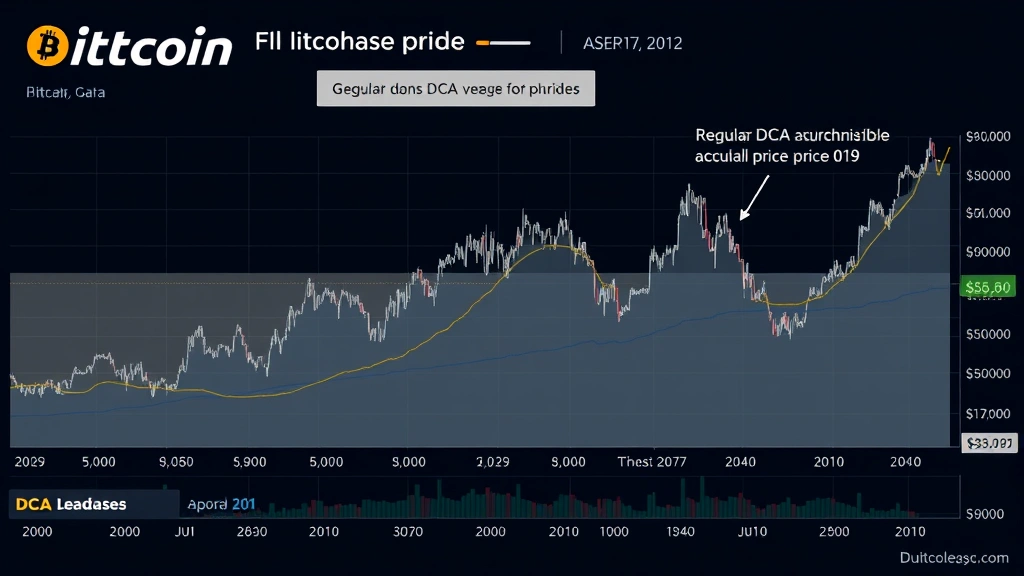
The mathematical beauty of DCA lies in its effect on your average purchase price. During market downturns, your fixed dollar amount purchases more Bitcoin. During rallies, it purchases less. Over extended periods, this averaging effect typically results in a lower average cost per Bitcoin than if you had invested the entire amount at a single point in time.
Consider a practical example: If you invest $200 monthly over six months when Bitcoin prices are $40,000, $35,000, $45,000, $30,000, $50,000, and $42,000, your average purchase price would be approximately $40,333. This is lower than the mean of those prices because you bought more Bitcoin during the lower-priced months. This natural hedging mechanism is DCA’s core strength.
The strategy’s effectiveness doesn’t depend on market timing or price prediction. You don’t need to forecast whether Bitcoin will rise or fall; you simply commit to consistent purchases and let the averaging process work. This philosophical shift removes one of investing’s greatest sources of stress and error.
Why DCA Works for Bitcoin Investment
Bitcoin presents unique characteristics that make it particularly suitable for dollar-cost averaging strategies. First, Bitcoin operates on a 24/7 market with no closing bell, meaning prices can move dramatically at any hour. This constant volatility creates frequent opportunities for DCA investors to purchase at varying prices, amplifying the averaging effect.
Second, Bitcoin’s long-term adoption trajectory remains uncertain yet promising. Unlike established assets with predictable cash flows, Bitcoin’s value depends on network growth, institutional adoption, regulatory developments, and macroeconomic conditions. This fundamental uncertainty makes timing impossible, making DCA’s time-based approach more rational than trying to predict short-term price movements.
Third, understanding the pros and cons of cryptocurrency reveals that volatility, while risky, also creates opportunity. DCA transforms volatility from a source of fear into a mathematical advantage. Investors who panic during 40% Bitcoin corrections miss the opportunity to accumulate at discounted prices—something DCA investors capture automatically.
Fourth, DCA aligns with behavioral finance principles. Research consistently shows that individual investors underperform markets by trying to time entries and exits. By removing discretion, DCA eliminates emotional decision-making. You’re not tempted to invest more when Bitcoin reaches new highs or to stop investing during crashes.
The regulatory environment surrounding Bitcoin continues evolving. Having a systematic DCA plan insulates you from making reactive decisions based on regulatory news. Whether Bitcoin Up App or other trading tools show bullish signals, your DCA schedule remains unchanged, maintaining discipline.
Implementing Your DCA Bitcoin Strategy
Successful DCA Bitcoin implementation requires clarity on several foundational decisions. Start by determining your investment horizon. DCA works best over extended periods—ideally 5-10 years or longer. Shorter timeframes reduce the averaging effect’s benefits and may not accommodate sufficient price variation.
Next, establish your investment amount and frequency. Most investors choose monthly or weekly contributions, though daily is possible on certain platforms. Your contribution should represent money you can afford to invest without impacting essential expenses or emergency funds. A common approach is allocating a percentage of monthly income—perhaps 5-10%—to Bitcoin DCA.
Calculate your total capital deployment over your investment period. If you invest $200 monthly for five years, you’ll deploy $12,000 total. Understanding this total helps you assess whether you’re truly comfortable with your investment thesis. If you’re uncomfortable deploying this amount regardless of Bitcoin’s price trajectory, your allocation is too aggressive.
When setting investment goals, define what you’re building toward. Are you accumulating a specific Bitcoin quantity? Building a percentage of your net worth in Bitcoin? Creating a retirement supplement? Clear goals help you maintain discipline during market turmoil.
Consider tax implications of your DCA strategy. In most jurisdictions, each Bitcoin purchase is a taxable event. Maintaining detailed records of purchase dates, amounts, and prices is essential for tax reporting. Some investors use Vanguard Bitcoin ETF or similar vehicles that simplify tax reporting compared to direct Bitcoin ownership.
DCA vs. Lump Sum Investment
A persistent question for Bitcoin investors is whether DCA outperforms investing a large amount immediately—the lump sum approach. The answer is nuanced and depends on market conditions.
Mathematically, lump sum investing outperforms DCA in bull markets. If you invest $12,000 immediately and Bitcoin rises 50% before you would have finished your DCA schedule, lump sum wins decisively. You’ve captured gains on the entire amount throughout the rise.
Conversely, DCA outperforms in bear or sideways markets. If Bitcoin declines 30% over your DCA period, you’ve purchased most of your allocation at lower prices, resulting in a lower average cost and more accumulated Bitcoin.
Historically, markets rise more often than they fall, suggesting lump sum might have an edge. However, this analysis ignores psychological factors. Most investors lack the emotional fortitude to invest everything immediately, especially after Bitcoin’s previous boom-bust cycles. The investor who actually executes DCA consistently typically outperforms the investor who intends lump sum but abandons it during volatility.
A hybrid approach appeals to many sophisticated investors: invest a portion immediately (perhaps 30-50% of intended capital) to capture potential gains, then DCA the remainder over 12-24 months. This balances the mathematical advantages of lump sum with DCA’s psychological benefits and downside protection.
Tools and Platforms for DCA Bitcoin
Several platforms facilitate automated DCA Bitcoin investing. Major cryptocurrency exchanges like Coinbase, Kraken, and Gemini offer recurring purchase features allowing you to schedule automatic Bitcoin buys on your preferred frequency. These platforms handle the technical complexity while you maintain control over amounts and timing.
For those seeking broader portfolio exposure, Bitcoin ETFs provide DCA-friendly vehicles through traditional brokerage accounts. You can set up automatic investments through your existing broker, treating Bitcoin like any other ETF holding. This approach simplifies tax reporting and integrates seamlessly with retirement accounts like 401(k)s—though direct Bitcoin exposure in retirement accounts requires special custodians.
Understanding retirement planning vehicles becomes important for long-term DCA investors. Some employers now offer Bitcoin options in 401(k) plans, enabling tax-advantaged DCA investing. This is particularly valuable since DCA’s benefits amplify over decades—precisely the timeframe of retirement investing.
For technical investors, blockchain explorers and price tracking tools help monitor your accumulation progress. Spreadsheets tracking your DCA purchases, costs, and accumulated Bitcoin quantity provide valuable motivation and accountability.
Third-party services like Swan Bitcoin and River specialize in DCA, offering streamlined interfaces specifically designed for recurring Bitcoin purchases. These platforms often provide educational resources and community support valuable for newer Bitcoin investors.
Common Mistakes to Avoid
Even with DCA’s protective structure, investors can sabotage their results through behavioral mistakes. The most common error is abandoning your DCA plan during extreme volatility. When Bitcoin crashes 50%, continuing your scheduled purchases feels counterintuitive—yet this is precisely when DCA provides maximum benefit. Investors who pause DCA during crashes miss the opportunity to accumulate at steep discounts.
Another frequent mistake is increasing your DCA amount during bull markets. Euphoria during price rallies tempts investors to accelerate purchases, effectively implementing a reverse-DCA that buys more at peaks. Maintain your predetermined amount regardless of price action.
Conversely, reducing your DCA amount during bear markets due to fear or cash flow concerns undermines the strategy’s foundation. If your contribution is unsustainable during downturns, you’ve allocated too aggressively. Adjust your baseline contribution downward before implementing DCA, ensuring you can maintain it through inevitable market cycles.
Over-monitoring is a psychological trap. Checking Bitcoin’s price daily or hourly intensifies emotional reactions to volatility. DCA investors benefit from checking their portfolio infrequently—perhaps monthly or quarterly—to verify purchases executed as scheduled without becoming emotionally reactive to daily price movements.
Mixing DCA with speculation undermines its risk management benefits. Some investors DCA systematically while simultaneously trading or timing smaller amounts. This hybrid approach often results in speculative losses exceeding DCA gains, creating net negative returns. Maintain discipline: if DCA is your strategy, let it be your primary strategy.
Long-Term Wealth Building with DCA
The true power of DCA Bitcoin emerges over extended periods. Consider an investor who began DCA with $200 monthly in January 2015. Across nearly a decade, they would have deployed approximately $28,800 while accumulating roughly 1.8 Bitcoin (accounting for price variation). At current Bitcoin prices exceeding $40,000, this position would be worth substantially more, demonstrating DCA’s wealth-building potential.
More importantly, this investor would have maintained psychological discipline throughout Bitcoin’s 2018 crash (80% decline), 2022 bear market, and numerous 30-40% corrections. Rather than panic-selling near bottoms, they continued accumulating, purchasing more Bitcoin when prices were depressed. This behavioral advantage often exceeds the mathematical advantages of perfect timing.
DCA integrates naturally with broader financial planning. Rather than viewing Bitcoin as a speculative bet requiring perfect timing, DCA positions it as a systematic wealth-building component alongside traditional investments. Many advisors recommend Bitcoin representing 1-5% of diversified portfolios—precisely the allocation DCA makes manageable.
The compounding effect extends beyond price appreciation. Bitcoin held through DCA accumulation can be staked on certain platforms (though this involves custodial risks), generating additional Bitcoin yield. Some investors use DCA to accumulate Bitcoin, then deploy accumulated holdings into yield-generating strategies, creating multiple wealth-building vectors.
Tax-loss harvesting opportunities emerge with DCA in taxable accounts. When Bitcoin declines significantly, you can sell positions at losses (capturing tax deductions) while immediately repurchasing through your DCA schedule. This amplifies the tax efficiency of long-term accumulation.

Monitoring and Adjusting Your DCA Plan
While DCA’s strength lies in removing the need for constant adjustment, periodic reviews ensure your plan remains aligned with your circumstances. Annually, assess whether your contribution amount remains sustainable given income changes, expense modifications, or financial goals evolution.
Monitor whether Bitcoin’s allocation remains appropriate within your overall portfolio. If Bitcoin appreciates significantly, it may represent a larger percentage than intended. Rebalancing—selling some Bitcoin to maintain your target allocation—may be appropriate, though this conflicts somewhat with pure DCA philosophy. Many investors compromise by continuing DCA while rebalancing only significantly overweight positions.
Review your investment thesis periodically. Has Bitcoin’s fundamentals changed? Have regulatory developments altered your conviction? DCA doesn’t mean ignoring developments; it means not making reactive decisions based on short-term price movements. Significant shifts in Bitcoin’s technological, regulatory, or adoption landscape warrant strategy reconsideration.
Assess whether you’re maintaining psychological discipline. If you find yourself constantly checking prices or experiencing anxiety during volatility, your allocation may be too aggressive. Conversely, if Bitcoin represents an insignificant portion of your portfolio, you might increase contributions if your conviction remains high.
FAQ
How much should I invest monthly with DCA Bitcoin?
Your monthly DCA amount should represent money you can invest consistently for years without impacting essential expenses or emergency funds. Most advisors recommend 5-10% of monthly income, though this varies based on individual circumstances. Start conservatively—you can increase contributions if your financial situation improves, but decreasing contributions during downturns undermines DCA’s effectiveness.
Does DCA work if Bitcoin’s price never recovers?
DCA assumes Bitcoin has long-term value potential. If Bitcoin fundamentally fails as a technology or asset class, DCA cannot overcome that. However, DCA does minimize losses if you’re wrong—you’ll have invested gradually rather than all at once at a peak. DCA is most suitable for investors with genuine conviction in Bitcoin’s long-term prospects.
Should I use exchanges or Bitcoin ETFs for DCA?
Both approaches work. Direct Bitcoin purchases through exchanges offer lower fees but require more technical knowledge and present security considerations. ETFs simplify tax reporting and integrate with existing brokerage accounts, though they carry management fees. Choose based on your comfort level with cryptocurrency technology and integration with your existing financial accounts.
Can I use DCA with other cryptocurrencies?
Yes, DCA works with any volatile asset. However, Bitcoin’s relatively superior liquidity, brand recognition, and regulatory clarity make it most suitable for DCA. Smaller altcoins present higher risks that DCA doesn’t fully mitigate. If diversifying across cryptocurrencies, apply DCA to your overall crypto allocation rather than individual coins.
What if I inherit money or receive a bonus—should I invest it immediately or add to DCA?
This depends on your psychological tolerance and Bitcoin’s recent price action. A reasonable approach: invest 50% immediately and add the remainder to your DCA schedule over 6-12 months. This captures potential gains while maintaining DCA’s averaging benefits and avoiding the psychological trap of investing large amounts at market peaks.
How does DCA interact with Bitcoin halving events?
Bitcoin’s halving (occurring approximately every four years) reduces the new Bitcoin supply entering circulation. Historically, this has preceded major price rallies. However, DCA investors don’t need to time around halving events. Your consistent purchasing schedule will capture pre-halving accumulation at lower prices and post-halving appreciation if it materializes, maximizing the averaging effect.
External Resources: CoinDesk provides comprehensive Bitcoin news and analysis. Blockchain.com Explorer allows you to monitor Bitcoin network activity and transaction data. SEC.gov offers regulatory guidance relevant to Bitcoin and cryptocurrency investments. CFTC.gov provides futures market information for Bitcoin derivatives. CNBC Crypto delivers institutional perspectives on Bitcoin markets and trends.


