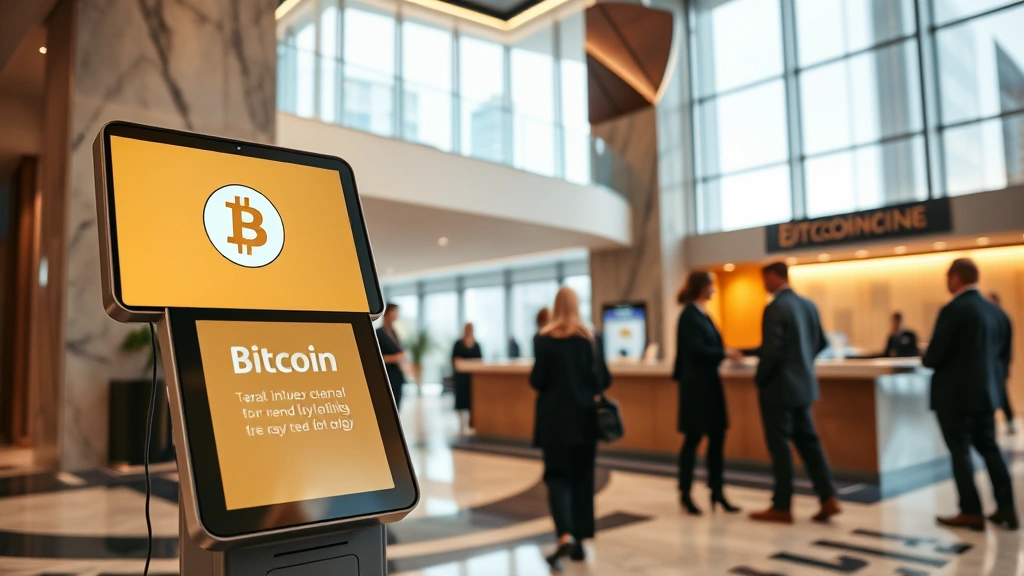
Hotel Bitcoin Acceptance 2024: Industry Overview
The hospitality industry stands at a pivotal intersection with cryptocurrency adoption in 2024. As Bitcoin and other digital assets gain mainstream recognition, luxury hotels, boutique properties, and international chains are increasingly exploring payment options that cater to tech-savvy travelers. This shift represents more than a novelty feature—it reflects fundamental changes in how businesses perceive customer preferences and payment infrastructure. Hotels accepting Bitcoin in 2024 are positioning themselves as forward-thinking establishments ready to serve the evolving demographic of cryptocurrency holders and enthusiasts worldwide.
Understanding the landscape of hotel Bitcoin acceptance requires examining the motivations, challenges, and real-world implementations across the global hospitality sector. From major metropolitan areas to luxury resorts, properties are experimenting with blockchain-based payment solutions. The trend intersects with broader discussions about Bitcoin price movements and market sentiment, as hotel operators consider whether cryptocurrency payments represent a genuine business opportunity or a temporary trend.
Current Adoption Rates and Major Players
As of 2024, Bitcoin acceptance in the hospitality sector has expanded significantly from its early experimental phase. While traditional hotel chains like Marriott and Hilton have not universally implemented Bitcoin payments, numerous independent luxury properties, boutique hotels, and resort destinations have embraced cryptocurrency as a payment option. Countries like El Salvador, where Bitcoin holds legal tender status, have seen widespread adoption across hospitality establishments. Meanwhile, in developed markets like the United States, United Kingdom, and Switzerland, progressive properties are testing cryptocurrency payment gateways.
The adoption varies dramatically by region and property type. Luxury resorts in tourist destinations tend to lead adoption, particularly in areas with high concentrations of cryptocurrency enthusiasts. Asian markets, particularly in Singapore, Hong Kong, and Dubai, have shown strong momentum in integrating Bitcoin payments. European cities like Zug, Switzerland—often called the “Crypto Valley”—boast numerous hotels accepting Bitcoin as a standard payment method alongside traditional currencies.
Major hospitality technology providers and payment processors have recognized this trend, developing specialized solutions for hotels. Companies like BTCPay Server, OpenNode, and Coinbase Commerce have created infrastructure that simplifies Bitcoin acceptance for hospitality businesses of all sizes. These platforms handle the technical complexity, allowing hotel staff to process transactions without deep cryptocurrency knowledge.

Implementation Methods and Payment Processors
Hotels implementing Bitcoin acceptance typically employ one of several technological approaches. The most common method involves third-party payment processors that convert Bitcoin to fiat currency instantly, eliminating volatility concerns for the hotel operator. This approach allows properties to accept Bitcoin while maintaining traditional accounting practices and financial reporting.
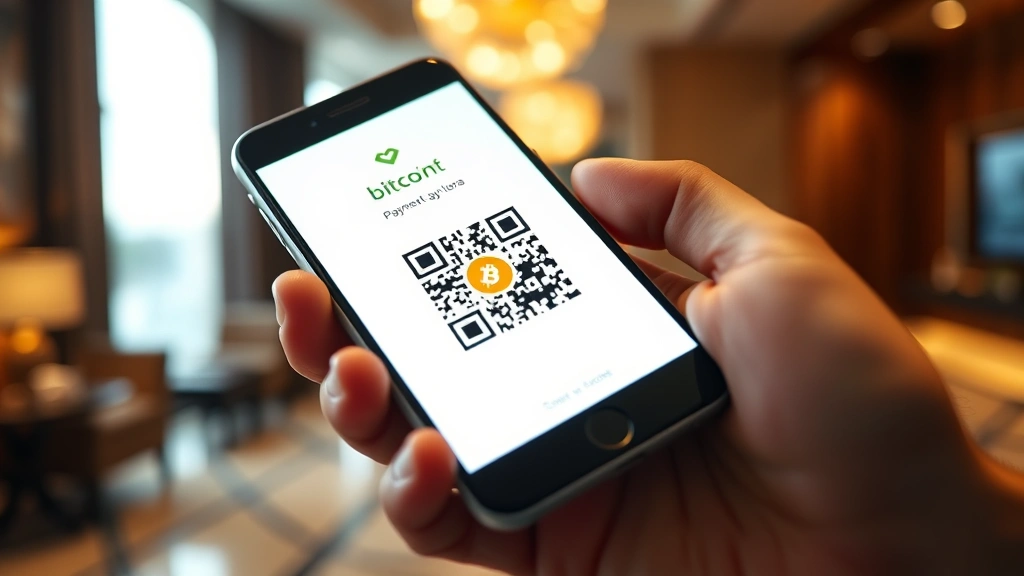
The technical infrastructure generally follows this workflow: guests initiate a payment through a QR code or payment gateway, Bitcoin transfers to the processor’s wallet, and the equivalent fiat currency deposits into the hotel’s bank account within hours. This seamless conversion process removes one of the primary barriers to adoption—the need for hotels to manage cryptocurrency holdings and navigate complex treasury decisions.
Some progressive properties choose to hold a portion of Bitcoin payments, betting on future Bitcoin price appreciation. These hotels combine operational payments with investment strategy, viewing Bitcoin acceptance as both a customer service feature and a hedge against currency devaluation. This approach requires more sophisticated cryptocurrency management and accounting procedures.
Payment processors also offer additional features valuable to hoteliers: detailed transaction reporting, multi-currency support, integration with existing point-of-sale systems, and fraud protection. Some platforms provide settlement in multiple currencies, allowing hotels to receive payments in their preferred fiat currency or maintain cryptocurrency reserves for strategic purposes.
The integration process typically takes weeks rather than months. Hotels must update their booking systems, train staff, and communicate payment options to guests. Progressive properties often feature Bitcoin payment prominently in their marketing materials and booking platforms, attracting cryptocurrency-holding travelers seeking convenient payment methods.
Benefits for Hotels and Guests
Bitcoin acceptance provides tangible benefits for both hotel operators and their guests. For hotels, the primary advantages include access to a growing demographic of cryptocurrency holders, reduced payment processing fees compared to credit card transactions, and enhanced brand positioning as a technology-forward establishment. Bitcoin transactions typically cost less than traditional card payments, which can represent meaningful savings for high-volume hospitality businesses.
The guest experience improves when travelers can pay using their preferred method. Cryptocurrency holders often face challenges finding businesses that accept digital assets, making Bitcoin-accepting hotels particularly attractive to this demographic. Guests traveling internationally appreciate the borderless nature of Bitcoin, avoiding currency conversion fees and exchange rate risks. Wealthy crypto entrepreneurs and investors frequently seek establishments that understand and accommodate their preferred payment methods.
From a marketing perspective, Bitcoin acceptance generates media coverage and attracts attention from technology publications and cryptocurrency communities. Hotels gain differentiation in competitive markets by offering cutting-edge payment options. This positioning appeals to younger travelers and tech professionals who view cryptocurrency adoption as a sign of innovation and forward-thinking management.
Security represents another benefit for both parties. Bitcoin transactions are immutable and irreversible, protecting hotels from certain types of payment fraud. Guests appreciate the transparency and security of blockchain-based transactions, particularly in regions with less developed financial infrastructure or higher fraud rates.
The acceptance of Bitcoin also opens doors to strategic partnerships and sponsorships within the cryptocurrency community. Hotels may attract cryptocurrency conferences, blockchain events, and digital asset community gatherings, creating additional revenue streams beyond room bookings.
Challenges and Regulatory Considerations
Despite growing interest, significant challenges impede broader Bitcoin acceptance in hospitality. Regulatory uncertainty remains the primary concern for many hotel operators. Different jurisdictions classify cryptocurrencies differently—some as commodities, others as currencies, and still others as securities. This regulatory fragmentation creates compliance challenges for international hotel chains operating across multiple countries.
Tax reporting requirements vary significantly by jurisdiction. Hotels accepting Bitcoin must understand their local tax obligations, including whether Bitcoin payments constitute taxable income, how to report the value of received payments, and whether cryptocurrency represents a reportable asset. These complexities require consultation with accounting professionals familiar with cryptocurrency taxation.
Volatility concerns persist despite improvements in Bitcoin price stability. Hotels accepting Bitcoin without immediate conversion face exposure to price fluctuations. While this can represent an upside opportunity, it also creates risk if Bitcoin declines sharply. Conservative hoteliers prefer immediate conversion to fiat currency, which reduces potential upside but eliminates volatility exposure.
Consumer demand remains limited in many markets. While cryptocurrency holders represent a growing demographic, they still constitute a small percentage of total hotel guests. Most travelers continue using credit cards, debit cards, and cash. Hotels must weigh the investment in Bitcoin payment infrastructure against the relatively small percentage of guests who will utilize this payment method.
Technical barriers affect some properties, particularly smaller independent hotels with limited IT resources. Implementing new payment systems requires technical expertise, system integration, and ongoing maintenance. Smaller properties may struggle with the complexity and cost of adding cryptocurrency payment options to their existing infrastructure.
Reputational risks also concern some hotel operators. Cryptocurrency remains controversial in certain circles, and some traditional businesses fear association with digital assets. Additionally, cryptocurrency’s historical association with money laundering creates compliance concerns, though legitimate hospitality businesses have little to fear from proper implementation and anti-money laundering protocols.
Future Outlook and Market Predictions
The trajectory of Bitcoin acceptance in hospitality appears positive, though adoption rates will likely remain niche for the foreseeable future. Industry analysts predict that by 2025-2026, Bitcoin and cryptocurrency payments will become standard offerings at luxury hotels and high-end properties in major cryptocurrency hubs. As regulatory frameworks clarify, particularly following potential institutional adoption and mainstream acceptance, more properties will likely implement these payment options.
The evolution of payment processors and technology platforms will drive further adoption. As solutions become more user-friendly, affordable, and integrated with existing systems, smaller hotels will find it easier to participate. The development of institutional Bitcoin products and increasing mainstream acceptance suggest that cryptocurrency payments may eventually become as commonplace as credit card payments in hospitality.
Regional variations will persist, with cryptocurrency-friendly jurisdictions seeing faster adoption. El Salvador’s mandatory Bitcoin acceptance law may inspire other nations to develop pro-cryptocurrency policies, accelerating hospitality adoption in those regions. Conversely, jurisdictions with restrictive cryptocurrency regulations may see limited adoption regardless of market interest.
The intersection of Bitcoin acceptance with broader hospitality trends—including contactless payments, digital wallets, and decentralized identity verification—suggests that cryptocurrency payments will integrate naturally into future hotel technology stacks. Rather than existing as a separate payment option, Bitcoin and other cryptocurrencies may become seamlessly integrated into unified payment systems.
Hotel brands may increasingly use Bitcoin acceptance as a competitive differentiator, particularly in luxury segments where unique amenities and services drive booking decisions. Forward-thinking properties that implement Bitcoin payments early may establish themselves as leaders in hospitality innovation, attracting media attention and premium-paying guests.
Real-World Case Studies
Several properties have successfully implemented Bitcoin acceptance and reported positive results. The Krystal Grand Suites in Cancun, Mexico, became one of the first major hotel properties to accept Bitcoin widely across its operations. The property reports that cryptocurrency payments represent a growing percentage of total transactions, with particular strength during peak tourism seasons when international guests are most prevalent.
European properties in Switzerland, particularly in Zug and Zurich, have integrated Bitcoin payments as part of broader cryptocurrency-friendly business ecosystems. These hotels market themselves explicitly as crypto-friendly establishments, attracting blockchain professionals, investors, and enthusiasts. Their experience demonstrates that in appropriate markets, Bitcoin acceptance can be a successful differentiator.
Several boutique hotels in Miami, a major cryptocurrency hub, have implemented Bitcoin payments and report strong interest from guests. These properties use Bitcoin acceptance to attract younger, wealthier guests interested in technology and digital assets. The Miami hospitality market’s general crypto-friendliness has made Bitcoin payment integration less controversial and more widely accepted.
Luxury resorts in the Maldives have begun accepting Bitcoin from international guests seeking privacy and convenience. These properties appeal to high-net-worth individuals and cryptocurrency entrepreneurs who value the ability to pay using their preferred assets. The resort setting and international clientele create ideal conditions for Bitcoin payment adoption.
FAQ
Which major hotel chains accept Bitcoin in 2024?
As of 2024, most major international hotel chains have not universally implemented Bitcoin acceptance. However, numerous independent luxury properties, boutique hotels, and resorts accept cryptocurrency. Some chains like Marriott have explored blockchain technology for loyalty programs but haven’t widely adopted Bitcoin for room payments. Regional variations exist, with properties in cryptocurrency-friendly jurisdictions more likely to accept Bitcoin.
How do hotels handle Bitcoin’s price volatility?
Most hotels using third-party payment processors convert Bitcoin to fiat currency instantly, eliminating volatility concerns. The processor handles the conversion, and the hotel receives equivalent fiat currency in its bank account. Some progressive properties hold portions of Bitcoin payments as strategic investments, but this requires sophisticated financial management and higher risk tolerance. This approach differs from understanding portfolio diversification principles that apply to traditional investments.
Are there tax implications for hotels accepting Bitcoin?
Yes, significant tax implications exist. Hotels must report Bitcoin payments as taxable income at fair market value on the transaction date. Different jurisdictions have varying requirements regarding reporting, record-keeping, and capital gains treatment if hotels hold Bitcoin. Hotels should consult with tax professionals familiar with cryptocurrency taxation to ensure compliance.
What payment processors should hotels use for Bitcoin acceptance?
Popular options include BTCPay Server, Coinbase Commerce, OpenNode, and BitPay. These processors offer different features, fee structures, and settlement options. Hotels should evaluate processors based on transaction fees, settlement speed, customer support, and integration capabilities with their existing point-of-sale systems. Some processors offer fiat conversion while others allow cryptocurrency holdings.
Is Bitcoin acceptance secure for hotel transactions?
Bitcoin transactions are highly secure from a technical perspective. Blockchain technology provides immutable transaction records and strong cryptographic security. However, hotels must implement proper security practices, including secure wallet management and protection against hacking. Using reputable third-party processors significantly reduces security risks compared to managing cryptocurrency directly.
How should hotels communicate Bitcoin acceptance to guests?
Progressive properties feature Bitcoin payment prominently on their websites, booking platforms, and marketing materials. They highlight this feature as a convenience option for cryptocurrency-holding guests. Many hotels mention Bitcoin acceptance in their unique amenities section and use it as a marketing angle to attract tech-forward travelers. Clear, simple instructions and prominent payment option displays ensure guests easily discover and utilize this feature.
What percentage of hotel bookings use Bitcoin payments?
Current adoption remains low, typically ranging from 1-5% of total transactions at hotels that accept Bitcoin. However, this percentage varies dramatically by location, property type, and guest demographics. Hotels in cryptocurrency hubs and those marketing specifically to crypto-friendly audiences report higher percentages. As mainstream adoption grows and payment infrastructure improves, these percentages will likely increase significantly.
How does Bitcoin acceptance affect hotel operations?
Implementation requires staff training, system integration, and updated booking procedures. Most hotels report that operational impacts are minimal when using professional payment processors. Staff need basic understanding of how to communicate payment options and process Bitcoin transactions, but processors handle technical complexity. The integration process typically takes several weeks but doesn’t significantly disrupt normal operations.
What is the future of cryptocurrency payments in hospitality?
Industry experts predict increasing adoption, particularly as regulatory frameworks clarify and payment technology improves. Hotels may eventually treat cryptocurrency payments as standard offerings alongside traditional methods. The integration of Bitcoin with broader hospitality technology trends—including contactless payments and digital wallets—suggests cryptocurrency will become naturally embedded in future hotel systems. Understanding investment principles helps hospitality operators evaluate cryptocurrency acceptance as a business decision.
Which regions show strongest hotel Bitcoin adoption?
El Salvador leads globally due to Bitcoin’s legal tender status. Europe, particularly Switzerland’s Crypto Valley, shows strong adoption. Caribbean destinations, Dubai, Miami, and Singapore also demonstrate significant Bitcoin acceptance among hotels. These regions combine high tourism, large cryptocurrency communities, and pro-crypto regulatory environments, creating ideal conditions for payment adoption.
How can smaller hotels implement Bitcoin acceptance?
Smaller hotels can leverage third-party payment processors that simplify implementation. Many processors offer affordable plans and straightforward integration with existing systems. Hotels need basic technical setup and staff training but don’t require significant IT resources. Starting with a single payment processor and gradually expanding options allows smaller properties to participate in cryptocurrency acceptance with minimal risk and complexity.
For more context on cryptocurrency market dynamics, check CoinDesk for current market analysis. Understanding Bitcoin mining fundamentals provides additional context on how the cryptocurrency operates. Regulatory guidance from FinCEN helps hotels understand compliance requirements. For property operators considering this integration, blockchain explorers offer transparency into transaction verification, while resources from Investopedia provide educational context on cryptocurrency fundamentals.


