
What is Bitcoin? Your Portal to Understanding the World’s First Cryptocurrency
Bitcoin represents one of the most transformative financial innovations of the 21st century. Since its mysterious creation in 2009 by an unknown entity using the pseudonym Satoshi Nakamoto, Bitcoin has evolved from an obscure technical experiment into a global asset class worth hundreds of billions of dollars. For beginners looking to understand cryptocurrency, Bitcoin serves as the essential portal to grasping how blockchain technology works and why decentralized digital currencies matter.
Whether you’re curious about cryptocurrency as an investment opportunity, fascinated by the underlying technology, or simply want to understand why Bitcoin has captured mainstream attention, this comprehensive guide will walk you through the fundamentals. We’ll explore what Bitcoin actually is, how it works, its advantages and limitations, and how you can begin your journey into the crypto space. Consider this your portal to Bitcoin education, providing the foundational knowledge you need before making any financial decisions.
What Exactly is Bitcoin?
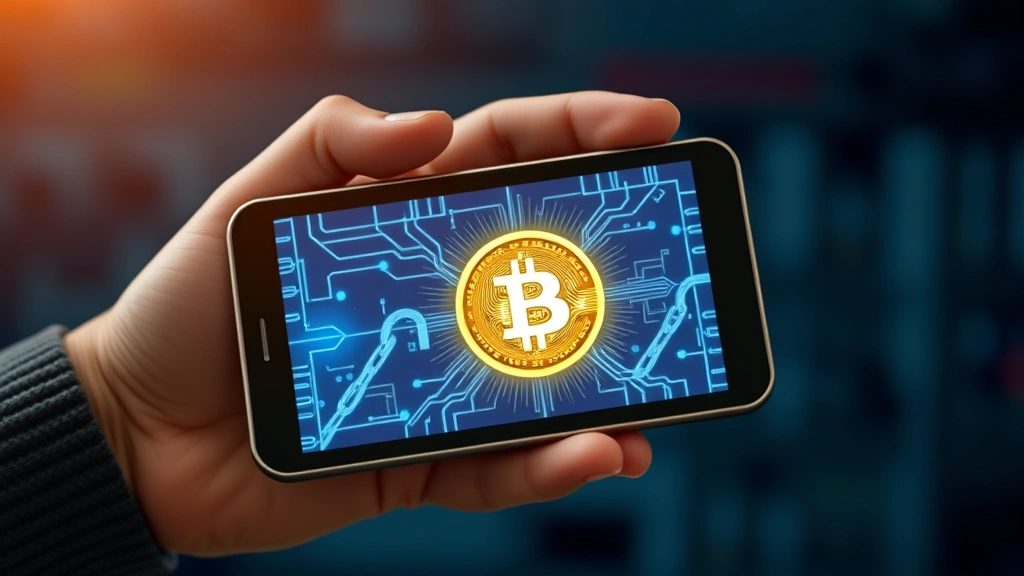
Bitcoin is a peer-to-peer electronic cash system that operates without a central authority like a bank or government. It’s a decentralized digital currency that exists entirely on the internet, stored in digital wallets and transferred directly between users. Unlike traditional currency issued by central banks, Bitcoin is created through a mathematical process called mining, and its supply is capped at 21 million coins—a fundamental feature that distinguishes it from fiat currency.
Each Bitcoin is essentially a string of cryptographic data—a long sequence of numbers and letters secured using advanced encryption. When you own Bitcoin, you don’t possess a physical object; instead, you hold digital keys that prove ownership and allow you to transfer your Bitcoin to others. This revolutionary concept challenged conventional thinking about money and ownership, introducing a new asset class that exists purely in digital form.
The name “Bitcoin” combines “bit” (a unit of digital information) with “coin” (a medium of exchange). It’s simultaneously the name of the currency, the network it operates on, and the protocol governing how transactions occur. Bitcoin’s creation marked the first successful implementation of a blockchain—a distributed ledger technology that records all transactions across a network of computers.
How Does Bitcoin Work?
Understanding Bitcoin’s mechanics requires grasping several interconnected concepts. At its core, Bitcoin operates on a distributed network of computers (called nodes) that collectively maintain and verify all transactions without any central authority. When you send Bitcoin to someone, that transaction gets broadcast to the entire network, where computers compete to validate it.
Bitcoin transactions rely on public-key cryptography, a security system using two mathematically related keys: a public key (your Bitcoin address that others use to send you funds) and a private key (a secret code that proves ownership and authorizes transactions). When you initiate a transaction, you digitally sign it with your private key, creating mathematical proof that you authorized the transfer without revealing the key itself.
Every Bitcoin transaction gets recorded in blocks, which form a chronological chain stretching back to Bitcoin’s first transaction in 2009. This blockchain serves as an immutable ledger—once information is recorded and confirmed, it becomes virtually impossible to alter. This immutability comes from cryptographic hashing: each block contains a mathematical fingerprint of the previous block, creating an unbreakable chain. If someone tried to change an old transaction, it would alter that block’s hash, breaking the chain and alerting the network to the tampering attempt.
Transactions typically take about 10 minutes to confirm on average, though this can vary based on network congestion. Once a transaction receives multiple confirmations (usually six), it’s considered irreversible. This confirmation process ensures that Bitcoin transfers are secure and final, eliminating chargebacks and reversals that plague traditional payment systems.
Bitcoin Mining and Block Creation
Bitcoin mining serves two crucial functions: it validates transactions and creates new Bitcoin. Miners are network participants running specialized software that competes to solve complex mathematical puzzles. The first miner to solve the puzzle gets to add a new block to the blockchain and receives newly created Bitcoin as a reward, along with transaction fees.
This process, called Proof of Work, requires enormous computational power and electricity consumption. Miners must find a number (called a nonce) that, when combined with transaction data and hashed, produces a result meeting specific criteria. The difficulty of this puzzle automatically adjusts every 2,016 blocks (approximately two weeks) to maintain a consistent 10-minute average block time, regardless of how much computing power joins the network.
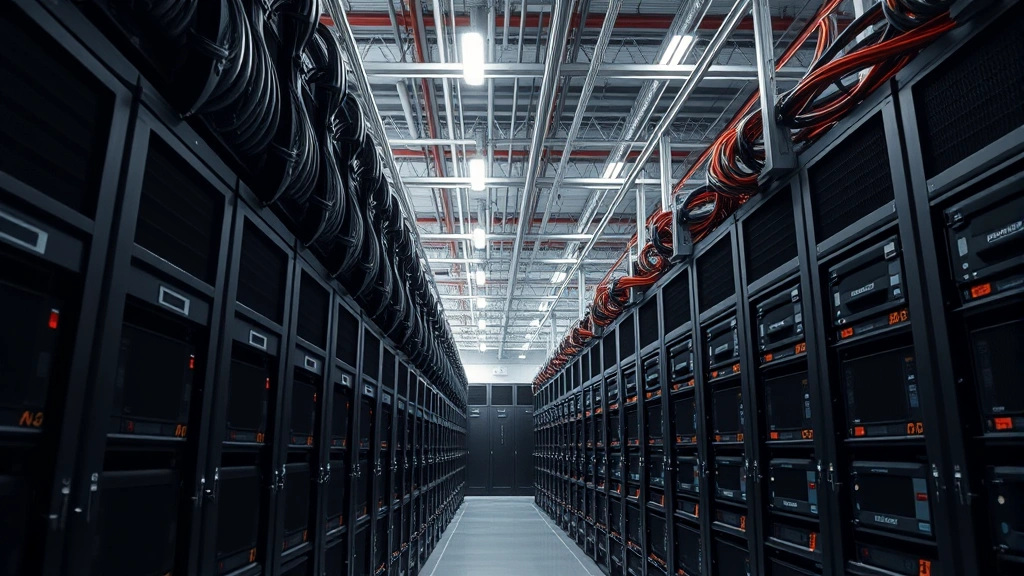
Bitcoin mining began as something hobbyists could do on personal computers, but it has evolved into an industrial operation. Today, specialized hardware called ASICs (Application-Specific Integrated Circuits) dominates mining, and massive mining farms consume significant electricity. This concentration of mining power among large operations has raised concerns about Bitcoin’s decentralization, though the network remains more distributed than traditional financial systems.
The mining reward started at 50 Bitcoin per block in 2009 and halves every four years in an event called “halving.” This predetermined supply schedule ensures Bitcoin’s scarcity, with the final Bitcoin expected around 2140. After all Bitcoin is mined, miners will be incentivized purely by transaction fees, which could make the network more sustainable as reliance on block rewards diminishes.
Why Bitcoin Matters: Key Advantages
Bitcoin introduced several revolutionary advantages that explain its enduring appeal and why it serves as a portal to understanding cryptocurrency’s potential:
- Decentralization: No single entity controls Bitcoin. The network operates through consensus among thousands of nodes, making it resistant to censorship and central failure points.
- Transparency: All transactions are recorded on the public blockchain, viewable by anyone. This transparency paradoxically protects privacy—transactions are pseudonymous rather than anonymous, with addresses rather than personal names.
- Security: Bitcoin’s cryptographic foundation makes it virtually impossible to counterfeit or double-spend. The Proof of Work system protects against attacks by making it economically irrational to attempt.
- Fixed Supply: With only 21 million Bitcoin ever to exist, scarcity is mathematically guaranteed. This contrasts sharply with fiat currencies, which governments can print unlimited amounts of.
- Borderless Transactions: Bitcoin moves internationally without geographic restrictions or intermediaries, making it valuable for cross-border payments and financial inclusion in countries with limited banking infrastructure.
- Lower Fees: Bitcoin transactions typically cost less than traditional wire transfers, especially for large international amounts.
For many enthusiasts, Bitcoin represents digital money that operates independently of political and monetary policy, offering financial sovereignty to individuals who distrust traditional institutions.
Bitcoin Limitations and Risks
While Bitcoin offers compelling advantages, it carries significant limitations and risks that beginners must understand. Bitcoin’s price volatility remains extreme—the price can fluctuate 10-20% in a single day based on news, regulatory announcements, or market sentiment. This volatility makes Bitcoin unsuitable as a stable store of value for many users and creates substantial investment risk.
Bitcoin’s transaction throughput is limited. The network processes approximately seven transactions per second, compared to traditional payment systems handling thousands. This limitation has sparked ongoing debates within the Bitcoin community about scaling solutions, with some proposing changes while others argue the trade-offs aren’t worthwhile.
Environmental concerns represent another significant limitation. Bitcoin mining consumes vast amounts of electricity—estimates suggest the entire network uses more electricity than some countries. While Bitcoin advocates note that renewable energy usage is growing among miners, the environmental impact remains a legitimate concern, particularly as climate change awareness increases.
Regulatory uncertainty poses ongoing risks. Governments worldwide are still developing frameworks for cryptocurrency. Some countries have banned or severely restricted Bitcoin, while others embrace it. Regulatory changes could significantly impact Bitcoin’s adoption and value. Additionally, Bitcoin remains relatively immature as a technology—bugs, security vulnerabilities, or fundamental design flaws could theoretically emerge.
User security represents another challenge. While the Bitcoin network itself is secure, users must protect their private keys. Lost keys mean permanently lost Bitcoin, and theft remains a real risk if keys are compromised. There’s no password recovery or customer service for cryptocurrency—security responsibility falls entirely on individual users.
Getting Started With Bitcoin
If you’ve decided to explore Bitcoin, the first step is acquiring some. For beginners, the most practical approach involves using a cryptocurrency exchange—platforms like Kraken, Coinbase, or Bitstamp allow you to buy Bitcoin with traditional currency. Before choosing an exchange, research their security practices, fees, and regulatory compliance.
Once you purchase Bitcoin, you need a digital wallet to store it. Wallets range from simple mobile apps to hardware devices to paper wallets. Each offers different security and convenience trade-offs. Mobile wallets provide convenience for frequent transactions but store private keys on internet-connected devices. Hardware wallets like Ledger or Trezor offer superior security by keeping keys offline, making them ideal for long-term storage.
Consider your investment strategy before buying. Investing with limited funds requires careful planning. Many experts recommend dollar-cost averaging—investing fixed amounts at regular intervals rather than lump sum purchases—to reduce timing risk given Bitcoin’s volatility.
Asset allocation matters significantly. Bitcoin should represent only a portion of your overall portfolio. Financial advisors typically recommend limiting cryptocurrency to 5-10% of total investments for most people, given the risk profile. Those with higher risk tolerance might allocate more, while conservative investors might prefer smaller positions or avoid crypto entirely.
Educate yourself thoroughly before investing. Read Bitcoin whitepapers, follow reputable crypto news sources like CoinDesk, and engage with the community. Understanding what you’re investing in significantly reduces the chance of costly mistakes driven by FOMO (fear of missing out).
Bitcoin Price and Market Dynamics
Bitcoin’s price fluctuates based on supply and demand dynamics influenced by numerous factors: adoption rates, regulatory news, macroeconomic conditions, technological developments, and market sentiment. Understanding these dynamics helps explain Bitcoin’s volatility and informs investment decisions.
Bitcoin’s price discovery happens on exchanges where buyers and sellers meet. Unlike stocks with earnings reports and cash flows, Bitcoin’s valuation remains abstract—based primarily on what others are willing to pay and beliefs about future adoption. This makes Bitcoin’s price inherently more volatile than assets with fundamental cash flow metrics.
Market cycles characterize Bitcoin’s history. Following each halving event, Bitcoin typically experiences a bull run followed by a bear market. While past performance doesn’t guarantee future results, these patterns have emerged consistently enough to influence trader behavior. However, relying on historical patterns for investment decisions carries substantial risk.
Professional investors increasingly treat Bitcoin as a portfolio diversifier. Some institutional investors allocate small percentages to Bitcoin as a hedge against inflation or currency debasement. This institutional adoption has contributed to Bitcoin’s legitimacy but hasn’t eliminated volatility—if anything, larger amounts of capital flowing in and out creates more dramatic price swings.
CoinMarketCap and similar platforms provide real-time Bitcoin price data and market capitalization information. Understanding market cap (current price multiplied by circulating supply) provides perspective on Bitcoin’s relative size compared to other assets or cryptocurrencies.
FAQ
Is Bitcoin a good investment?
Bitcoin’s investment suitability depends entirely on your financial situation, risk tolerance, and investment timeline. Bitcoin offers potential for significant appreciation but carries extreme volatility and substantial downside risk. Never invest money you can’t afford to lose. Consider diversifying your investment portfolio rather than concentrating wealth in Bitcoin alone.
Can Bitcoin reach $1 million per coin?
Some Bitcoin advocates predict prices reaching $1 million or higher based on adoption scenarios and scarcity arguments. However, these predictions remain speculative. Bitcoin’s price depends on adoption rates, regulatory environments, and technological developments—all highly uncertain. Be extremely skeptical of price predictions, especially aggressive ones.
Is Bitcoin safe to buy?
Bitcoin itself is mathematically secure, but the ecosystem carries risks. Exchange hacks, wallet theft, and scams threaten users’ funds. Protect yourself by using reputable exchanges, enabling security features like two-factor authentication, and storing Bitcoin in secure wallets, preferably hardware wallets for significant amounts.
How do I recover lost Bitcoin?
Bitcoin transactions are irreversible. If you send Bitcoin to the wrong address or lose your private keys, recovery is virtually impossible. This permanence makes careful security practices essential. Always verify addresses before sending, and maintain secure backups of private keys or recovery phrases.
Will Bitcoin replace traditional currency?
Most experts consider Bitcoin unlikely to completely replace fiat currency due to volatility, transaction throughput limitations, and regulatory challenges. However, Bitcoin might become a significant alternative currency or store of value. Central banks are developing their own digital currencies, which may coexist with Bitcoin rather than replace it.
What’s the difference between Bitcoin and other cryptocurrencies?
Bitcoin was the first cryptocurrency and remains the largest by market capitalization. Other cryptocurrencies (altcoins) offer different features—Ethereum enables smart contracts, others emphasize privacy, and some focus on specific use cases. Bitcoin’s first-mover advantage, network security, and brand recognition distinguish it from thousands of other cryptocurrencies.
Can governments ban Bitcoin?
Some governments could theoretically ban Bitcoin within their borders, though enforcement would be challenging given Bitcoin’s decentralized nature. Several countries have attempted restrictions. However, completely eliminating Bitcoin would require global coordination, which seems unlikely given varying governmental attitudes toward cryptocurrency. Regulatory restrictions remain possible and could impact adoption and price.
How is Bitcoin taxed?
Tax treatment varies by jurisdiction. In most countries, Bitcoin gains are subject to capital gains tax. When you sell Bitcoin at a profit, you owe taxes on the gain. Mining Bitcoin is typically taxed as income. Consult a tax professional familiar with cryptocurrency to ensure compliance, as tax rules are still evolving.


