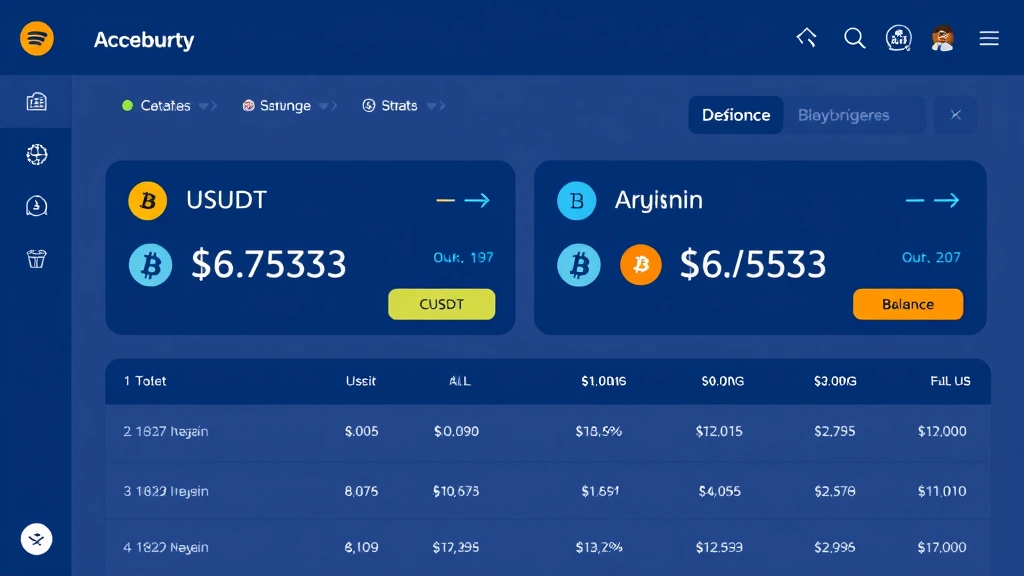
Convert USDT to Bitcoin: Step-by-Step Guide
Converting USDT (Tether) to Bitcoin has become one of the most common trading operations in the cryptocurrency market. Whether you’re a seasoned trader looking to diversify your stablecoin holdings or a newcomer seeking exposure to Bitcoin’s potential upside, understanding the conversion process is essential. USDT remains one of the most widely used stablecoins, maintaining a 1:1 peg to the US dollar, making it an ideal intermediate asset for moving between different cryptocurrencies without exposure to market volatility during the transition.
This comprehensive guide walks you through every step of converting your USDT to Bitcoin, from selecting the right exchange to executing your trade safely and efficiently. We’ll explore the various methods available, discuss fees and considerations, and provide practical advice to help you make informed decisions about your cryptocurrency portfolio.
Why Convert USDT to Bitcoin
Understanding your motivation for converting USDT to Bitcoin helps determine the best approach for your specific situation. Bitcoin represents the original and most established cryptocurrency, with the largest market capitalization and the strongest brand recognition in the digital asset space. Many investors view Bitcoin as a long-term store of value and hedge against inflation, making it an attractive destination for capital currently held in stablecoins.
USDT serves as an excellent holding position during market uncertainty, but it doesn’t provide the potential upside appreciation that Bitcoin offers. If you believe in Bitcoin’s future price appreciation, converting your USDT holdings allows you to gain exposure to those potential gains. Additionally, Bitcoin’s fixed supply of 21 million coins creates inherent scarcity that many investors find compelling compared to stablecoins, which can be minted without limit.
Before converting, consider checking the Bitcoin price prediction to understand current market sentiment and potential trends. You might also want to explore whether Bitcoin might experience significant price movements before committing your capital.

Choose Your Exchange Platform
Selecting the right cryptocurrency exchange is perhaps the most critical decision in your USDT to Bitcoin conversion journey. Multiple platforms offer this trading pair, each with distinct advantages and disadvantages. Major exchanges like Binance, Coinbase, Kraken, and Bitstamp all support USDT/BTC trading with varying fee structures and user experiences.
Consider these factors when evaluating exchanges:
- Regulatory compliance: Choose platforms regulated by recognized financial authorities in their jurisdiction
- Trading fees: Compare maker and taker fees across platforms, as these directly impact your conversion efficiency
- Liquidity: Higher trading volumes ensure tighter spreads and faster order execution
- Security reputation: Research the platform’s track record with fund protection and security measures
- User interface: Ensure the platform offers an intuitive trading experience suitable for your skill level
- Payment methods: Verify the platform supports your preferred deposit methods for USDT
If you’re interested in more advanced trading strategies, you might explore how to short Bitcoin on your chosen platform, though this guide focuses on straightforward spot trading.
Account Setup and Verification
Once you’ve selected your exchange, the next step involves creating an account and completing identity verification. Most regulated exchanges require Know Your Customer (KYC) verification to comply with anti-money laundering regulations. This process typically involves:
- Providing your email address and creating a secure password
- Submitting personal identification documents (passport, driver’s license, or national ID)
- Proof of address documentation (utility bill or bank statement)
- Facial verification or liveness checks through your device camera
Verification can take anywhere from minutes to several hours depending on the platform’s verification queue and your documentation quality. During this waiting period, familiarize yourself with the exchange’s interface and trading tools. Many platforms offer educational resources explaining how to execute trades and manage your account settings.
Security should be paramount during account setup. Enable two-factor authentication (2FA) using an authenticator app rather than SMS when available, as app-based authentication provides stronger protection against SIM swapping attacks. Create a unique, complex password that you don’t use on other platforms.
Deposit Your USDT
With your account verified and secured, you’re ready to deposit your USDT. The method depends on whether you already hold USDT on a blockchain or need to acquire it first. If you already own USDT on the Ethereum, Tron, Polygon, or another blockchain network, you can deposit directly to your exchange wallet address.
The deposit process involves:
- Navigating to the deposit section of your exchange account
- Selecting USDT as your asset
- Choosing the blockchain network (Ethereum, Tron, Polygon, etc.)
- Copying your unique deposit address
- Initiating a transfer from your current wallet to this address
- Waiting for blockchain confirmation (typically 1-3 minutes depending on network congestion)
If you don’t currently hold USDT, you’ll need to purchase it first using fiat currency through your exchange’s on-ramp services, or transfer it from another exchange where you’ve already acquired it. Some exchanges offer direct fiat-to-USDT conversions, making this step seamless.
Always double-check deposit addresses before confirading transfers. Blockchain transactions are irreversible, and sending funds to incorrect addresses results in permanent loss. Copy and paste addresses rather than typing them manually to avoid transcription errors.
Execute Your Trade
Now comes the actual conversion of your USDT to Bitcoin. Navigate to the trading section of your exchange and locate the USDT/BTC trading pair. You’ll encounter two primary order types: market orders and limit orders.
Market orders execute immediately at the current market price. This approach guarantees execution but may result in slight price slippage, especially for larger trades. Market orders work best when you prioritize speed over price optimization.
Limit orders allow you to specify your desired Bitcoin purchase price. If the market reaches your specified price, your order executes automatically. This method provides better price control but offers no guarantee of execution if the market never reaches your target price. Limit orders suit traders willing to wait for optimal entry points.
For most users converting USDT to Bitcoin, a market order provides the simplest approach. Enter your desired USDT amount or the quantity of Bitcoin you wish to acquire, review the expected execution price and total fees, then confirm the trade. Your Bitcoin will appear in your exchange account within seconds.
Before executing significant trades, test the process with smaller amounts to familiarize yourself with the interface and ensure everything functions as expected.
Secure Your Bitcoin
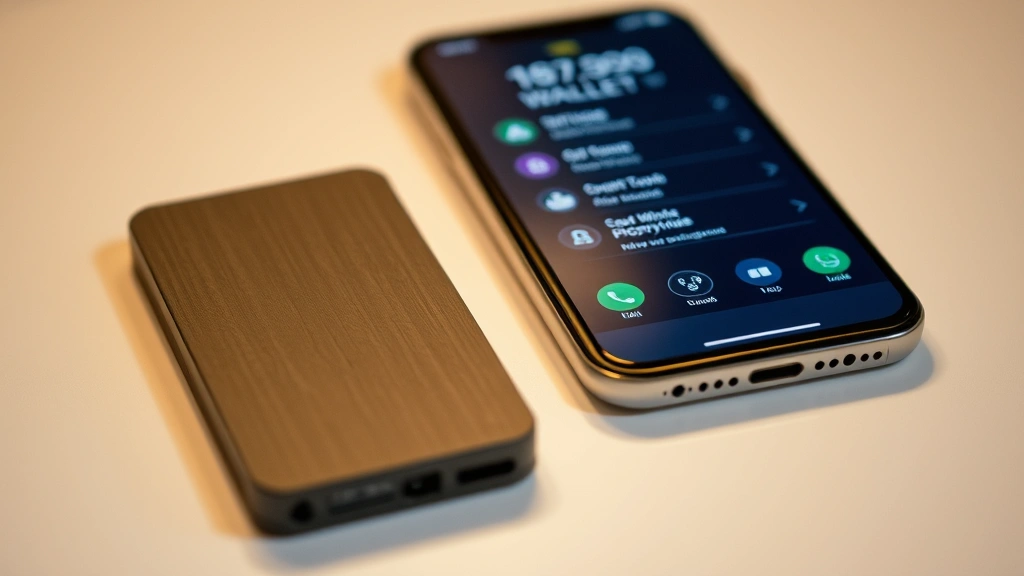
After successfully converting USDT to Bitcoin, consider where you’ll store your newly acquired assets. Leaving Bitcoin on the exchange provides convenience for future trading but concentrates risk on the exchange’s security infrastructure. For larger holdings or long-term storage, transferring Bitcoin to a personal wallet provides enhanced security and true ownership.
Wallet options include:
- Hardware wallets: Physical devices like Ledger or Trezor offering maximum security for offline storage
- Software wallets: Applications on your computer or mobile device for convenient access with moderate security
- Paper wallets: Printed private keys and addresses for cold storage (suitable only for long-term holding)
- Custodial services: Third-party providers managing your Bitcoin with insurance protection
If you plan to actively trade your Bitcoin or use technical indicators for trading decisions, keeping your Bitcoin on the exchange may prove more practical. However, institutional best practices recommend holding the majority of your Bitcoin in self-custody solutions.
Understanding Fees and Costs
Converting USDT to Bitcoin involves several potential fees that impact your overall returns. Understanding these costs helps you make more informed decisions and potentially optimize your conversion strategy.
Trading fees: Exchanges charge a percentage of your trade volume, typically ranging from 0.05% to 0.5% depending on your account tier and trading volume. Most platforms offer lower fees for higher-volume traders through tiered fee structures.
Network fees: If you’re depositing USDT from an external wallet, you’ll pay blockchain network fees. These vary significantly based on network congestion. Tron network transfers typically cost less than Ethereum transfers, though Ethereum offers greater security and decentralization.
Withdrawal fees: When transferring Bitcoin from the exchange to your personal wallet, you’ll pay withdrawal fees covering the Bitcoin network transaction cost. These fluctuate based on Bitcoin network congestion and your exchange’s fee structure.
Spread costs: The difference between the bid and ask price (the spread) represents an implicit cost when using market orders. Larger trades experience wider spreads, increasing your effective conversion cost.
To minimize total fees, consider consolidating multiple smaller conversions into single larger transactions, using limit orders during low-volatility periods, and choosing networks with lower transaction costs when depositing USDT.
Tax Implications
Converting USDT to Bitcoin constitutes a taxable event in most jurisdictions, even though you’re exchanging one cryptocurrency for another. Tax authorities treat this as a disposal of your USDT holdings at fair market value, potentially triggering capital gains taxes.
Key tax considerations include:
- Capital gains: If your USDT appreciated since acquisition, you’ll owe taxes on the gains. Conversely, losses can offset other gains
- Holding period: Many jurisdictions offer preferential tax treatment for long-term holdings (typically over one year)
- Record keeping: Maintain detailed records of acquisition dates, amounts, and conversion prices for accurate tax reporting
- Jurisdiction-specific rules: Tax treatment varies significantly by country and region
Consult with a tax professional familiar with cryptocurrency taxation in your jurisdiction. Proper tax planning can significantly impact your after-tax returns. Some traders use tax-loss harvesting strategies to offset gains by deliberately realizing losses on underperforming positions.
Consider checking the Bitcoin price on FintechZoom and other financial data sources to document your conversion prices accurately for tax purposes.
FAQ
How long does USDT to Bitcoin conversion take?
Market orders execute instantly within seconds once placed. However, the complete process including USDT deposit and Bitcoin withdrawal may take several minutes to hours depending on blockchain network congestion. Limit orders may take longer if they require waiting for your target price.
What’s the minimum amount I can convert?
Most exchanges allow conversions as small as $10-$25 worth of Bitcoin, though some may have higher minimums. Check your exchange’s specific requirements, as these vary by platform.
Should I convert all my USDT to Bitcoin at once?
This depends on your risk tolerance and market outlook. Dollar-cost averaging (converting smaller amounts over time) reduces timing risk, while lump-sum conversion provides simpler execution. Consider your conviction level regarding Bitcoin’s near-term price direction when making this decision.
Which blockchain network is best for USDT deposits?
Ethereum offers the strongest security and decentralization but higher transaction fees. Tron provides faster, cheaper transactions but with less decentralization. Polygon offers a middle ground. Choose based on your priorities regarding cost and security.
Can I reverse a USDT to Bitcoin conversion?
No, blockchain transactions are irreversible. However, you can execute a reverse trade converting Bitcoin back to USDT. You’ll incur additional trading fees and may experience price changes between your original conversion and the reverse trade.
What exchange offers the lowest fees for USDT to Bitcoin conversion?
Fee structures vary based on trading volume and account tier. CoinDesk regularly publishes exchange fee comparisons. Generally, platforms like Binance and Kraken offer competitive fees for active traders, while Coinbase serves users prioritizing user-friendliness over minimal fees.
Is it safe to keep Bitcoin on an exchange?
Major regulated exchanges maintain insurance and security protocols, making them relatively safe for short-term holdings. However, long-term storage on personal wallets following blockchain explorer best practices offers superior security and true asset ownership.
How do I avoid slippage when converting large amounts?
Use limit orders during low-volatility periods, break large trades into smaller chunks executed over time, or consider professional trading services offering over-the-counter (OTC) execution for institutional-size trades.


