
Trump’s Bitcoin Reserve: Fact or Fiction? Analysis
The prospect of a Trump-backed Bitcoin reserve has captured the imagination of crypto enthusiasts and policy observers alike. Former President Donald Trump has made several statements regarding Bitcoin and cryptocurrency policy that have fueled speculation about whether the United States government might establish an official Bitcoin reserve. This concept, while intriguing, exists in a complex landscape of political rhetoric, regulatory uncertainty, and market dynamics. Understanding the distinction between campaign promises and implementable policy is crucial for anyone evaluating this claim.
The idea of a national Bitcoin reserve isn’t entirely novel. El Salvador became the first country to adopt Bitcoin as legal tender in 2021, though this decision proved controversial and had mixed economic results. Other nations have considered similar approaches, viewing cryptocurrency as a hedge against inflation and currency devaluation. However, the U.S. context differs significantly due to the dollar’s role as the global reserve currency and the established regulatory framework governing digital assets.
What Trump Has Actually Said About Bitcoin
Trump’s statements on Bitcoin have evolved considerably over time. In 2021, he expressed skepticism about Bitcoin’s stability and regulatory status. However, by 2023-2024, his public position shifted toward greater openness regarding cryptocurrency. He has discussed the possibility of the U.S. government holding Bitcoin reserves, framing it as a strategic asset that could strengthen America’s financial position globally.
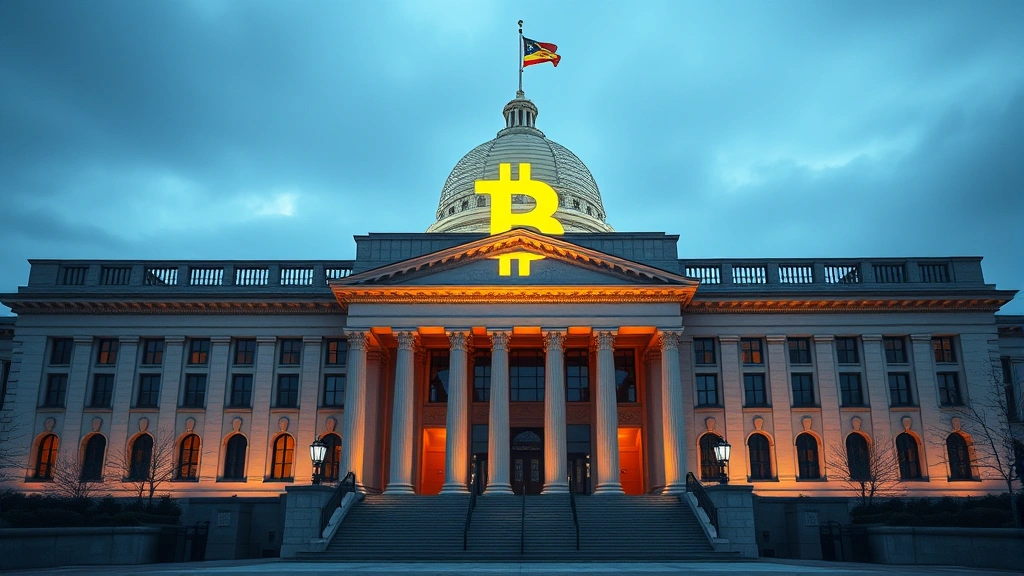
The most concrete proposal emerged when Trump suggested that the U.S. could establish a Bitcoin reserve similar to how nations maintain gold reserves. This statement gained traction in crypto circles, particularly given Trump’s general pro-business stance and his relationship with the crypto community. However, these remain proposals or campaign rhetoric rather than official policy commitments with legislative backing.
It’s important to distinguish between Trump’s personal views on Bitcoin’s potential and any actual government initiative. Statements made during campaign seasons often reflect aspirational thinking rather than detailed policy frameworks. The conversion of such rhetoric into actionable policy requires congressional approval, regulatory coordination, and extensive planning—processes that move considerably slower than social media announcements.
The Reality of Government Crypto Adoption
While individual countries have experimented with cryptocurrency adoption, the U.S. government’s relationship with digital assets remains primarily regulatory rather than participatory. The Federal Reserve, Treasury Department, and Securities and Exchange Commission have focused on establishing frameworks to govern crypto markets rather than accumulating cryptocurrencies for official reserves.
The U.S. government does hold Bitcoin, but only through accidental acquisition. Law enforcement agencies have seized Bitcoin from criminal investigations and now hold these assets in custody. The reasons Bitcoin’s value has increased have made these seized holdings increasingly valuable, yet the government has treated them as assets to be liquidated rather than strategic reserves.
Establishing an official Bitcoin reserve would require several unprecedented steps: congressional legislation explicitly authorizing the purchase and holding of Bitcoin, coordination between multiple federal agencies, development of secure custody protocols, and accounting frameworks. The Federal Reserve would need to determine how Bitcoin holdings fit within monetary policy objectives and balance sheet management. These institutional considerations present substantial barriers beyond political preference.
Federal Reserve and Treasury Implications
The Federal Reserve’s primary mandate focuses on price stability, maximum employment, and financial system integrity. Bitcoin’s volatility—while perhaps diminishing over time—creates complications for an institution responsible for monetary policy stability. Adding Bitcoin to official reserves could introduce complications in how the Fed manages the money supply and responds to economic conditions.
The Treasury Department would need to address accounting questions: How should Bitcoin be valued on government balance sheets? Should it be marked to market daily, or valued differently? How would acquisitions and potential dispositions affect federal budgets? These technical questions reveal why government adoption moves slowly despite political enthusiasm.
Additionally, current Bitcoin price movements demonstrate the asset’s sensitivity to regulatory news and macro conditions. A government Bitcoin purchase program could significantly impact markets, raising concerns about whether the U.S. should be an active market participant in this space. The precedent of government accumulation might also conflict with stated regulatory objectives of reducing concentrated holdings and promoting market decentralization.
Market Impact and Bitcoin Price Dynamics
The mere suggestion of a U.S. government Bitcoin reserve has already influenced market sentiment. Bitcoin price movements have reflected optimism about potential institutional adoption by the world’s largest economy. Understanding why Bitcoin is going up requires examining multiple factors, including these policy narratives alongside technical and fundamental drivers.
If the U.S. government actually implemented a Bitcoin reserve program, the market implications could be substantial. A multi-billion dollar accumulation strategy would likely drive prices higher, benefiting existing Bitcoin holders but potentially creating moral hazard concerns about government involvement in speculative asset markets. The government would face pressure to explain its rationale to taxpayers and justify market-moving actions.
Conversely, if the Trump Bitcoin reserve remains purely rhetorical, price increases driven by this narrative could eventually correct when the reality of political and institutional constraints becomes apparent. Investors should consider whether current valuations already price in this possibility. Understanding Bitcoin holders capitulation dynamics helps contextualize how different policy scenarios might affect market psychology.
Regulatory and Political Obstacles
Congress would need to pass legislation authorizing a Bitcoin reserve program. This faces several hurdles: skepticism from traditional finance advocates, concerns about government involvement in crypto markets, environmental considerations regarding Bitcoin mining, and questions about whether such reserves represent prudent use of taxpayer funds.
The SEC and other regulators might object to government participation in Bitcoin markets, viewing it as inconsistent with their regulatory mission. The Banking Committee and other congressional bodies would demand detailed risk assessments and policy justifications. These institutional dynamics suggest that even a sympathetic administration would face substantial obstacles in implementation.
Political opposition presents another factor. Not all Republicans support Bitcoin adoption, and Democratic opposition would likely be significant. The proposal would need to overcome partisan divides and demonstrate clear national interest benefits. Historical precedent suggests that major financial policy changes require broad consensus, which a Bitcoin reserve program currently lacks.
International Precedents and Lessons
El Salvador’s Bitcoin adoption provides an instructive case study. President Nayib Bukele championed Bitcoin as legal tender, but the policy faced domestic resistance, implementation challenges, and mixed economic results. The country’s Bitcoin holdings have fluctuated significantly in value, creating budget complications. This experience suggests that government crypto holdings introduce complexities that weren’t initially apparent.
Other nations have considered but rejected Bitcoin reserves. Switzerland, despite its crypto-friendly reputation, has not established official Bitcoin holdings. Japan, South Korea, and European nations have focused on regulatory frameworks rather than government accumulation. The global trend suggests caution rather than enthusiasm for sovereign Bitcoin reserves.
China’s approach—banning cryptocurrency trading and mining while developing its own digital currency—demonstrates an alternative path. The U.S. government might ultimately pursue digital dollar development rather than Bitcoin reserves, focusing on central bank digital currency rather than decentralized alternatives.
When considering investment strategy, understanding fundamental analysis of policy developments helps distinguish between hype and substantive change. Investors should also consider how to diversify investment portfolios to avoid overexposure to policy-dependent narratives.

The distinction between bull and bear market dynamics also matters for policy analysis. During bull market versus bear market conditions, political enthusiasm for Bitcoin adoption tends to wax and wane. Policy proposals often emerge during bullish periods when Bitcoin’s value is rising and public interest peaks.
FAQ
Would a U.S. Bitcoin reserve actually happen?
While politically appealing to some constituencies, implementation faces substantial institutional, regulatory, and political obstacles. Congressional approval would be required, and many lawmakers remain skeptical. Current probability appears low despite supportive rhetoric from certain political figures.
How would a Bitcoin reserve affect prices?
A government accumulation program would likely drive prices higher initially due to increased demand. However, if the program remained unrealized, current price increases based on this narrative could reverse. Investors should distinguish between actual policy and speculative anticipation.
What about environmental concerns?
Bitcoin mining’s energy consumption remains controversial. A U.S. government Bitcoin reserve might face opposition from environmental advocates concerned about fossil fuel usage and carbon emissions. This represents an additional political barrier to implementation.
How does this compare to gold reserves?
The U.S. holds substantial gold reserves as a store of value and monetary backstop. Bitcoin differs fundamentally in that it’s decentralized, volatile, and not universally accepted as monetary backing. Comparisons to gold reserves often oversimplify these differences.
Could other countries’ Bitcoin reserves influence U.S. policy?
If major economies accumulated Bitcoin reserves, it might increase pressure on the U.S. to follow suit. However, current global adoption remains limited, and the trend points toward central bank digital currencies rather than Bitcoin specifically.
What would happen to Bitcoin if the reserve was announced?
Markets would likely react positively to such an announcement, at least initially. Bitcoin’s price would probably increase substantially, benefiting existing holders. However, the magnitude and duration of price appreciation would depend on implementation details and broader market conditions.


