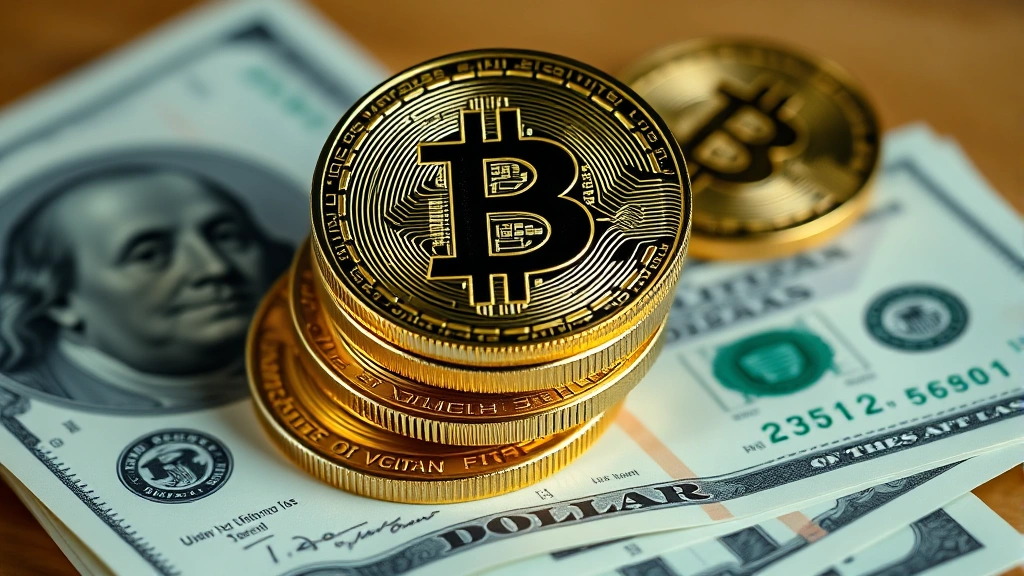
Bitcoin to USD Conversion: Current Rates Explained
Understanding how to convert Bitcoin to USD has become essential for anyone participating in the cryptocurrency market. Whether you’re a seasoned investor, a curious newcomer, or someone simply looking to understand the value of 10,000 Bitcoin in US dollars, this comprehensive guide will walk you through everything you need to know about Bitcoin pricing, conversion methods, and the factors that influence exchange rates.
The cryptocurrency market operates 24/7, which means Bitcoin prices fluctuate constantly across different exchanges and platforms worldwide. Unlike traditional stock markets that close at the end of each trading day, Bitcoin trades continuously, creating a dynamic environment where prices can change within seconds. This constant movement makes understanding real-time conversion rates crucial for anyone looking to buy, sell, or simply track their holdings.
How Bitcoin to USD Conversion Works
Bitcoin to USD conversion is fundamentally a simple process: you multiply the current price of one Bitcoin by the number of Bitcoin you wish to convert. However, the complexity lies in understanding where prices come from and why they vary across different platforms.
The Bitcoin price you see quoted on most financial websites represents the average trading price across major exchanges. These exchanges include CoinDesk, which provides one of the most widely referenced Bitcoin price indices, as well as platforms like Kraken, Coinbase, and Binance. Each exchange maintains its own order book where buyers and sellers meet, and prices can differ slightly based on local supply and demand dynamics.
When you want to convert Bitcoin to USD, you’re essentially executing a trade on an exchange. The price you receive depends on several factors including the exchange you use, market conditions at that exact moment, and the size of your transaction. Large transactions, known as “whale trades,” can sometimes impact prices significantly due to their volume.
Understanding dollar cost averaging strategies can help you develop a more disciplined approach to Bitcoin conversion and investment timing, reducing the impact of price volatility on your overall strategy.
Current Exchange Rates and Market Factors
Bitcoin’s price in USD is determined by supply and demand dynamics in the global market. Several macroeconomic and cryptocurrency-specific factors influence the exchange rate:
- Federal Reserve Policy: Interest rate decisions and monetary policy from the US Federal Reserve significantly impact Bitcoin prices, as investors shift between risk assets and traditional investments
- Inflation Data: Consumer Price Index (CPI) reports and inflation trends often trigger Bitcoin price movements, as investors view cryptocurrency as a hedge against inflation
- Regulatory Announcements: News about government regulation or institutional adoption can cause rapid price changes
- Technical Analysis: Market sentiment and technical trading patterns influence short-term price movements
- Bitcoin Halving Events: Scheduled reductions in Bitcoin mining rewards historically precede significant price movements
- Institutional Adoption: Large corporations or funds announcing Bitcoin holdings can boost prices through increased demand
- Market Sentiment: Fear, uncertainty, and doubt (FUD) or positive news cycles affect trader psychology and prices
The relationship between Bitcoin and the US dollar is particularly interesting because Bitcoin was created partly as a response to traditional currency systems. Many investors view Bitcoin as a store of value that operates independently of central bank policies, though its price remains heavily influenced by USD-denominated markets.
Calculating 10,000 Bitcoin Value
To calculate the value of 10,000 Bitcoin in USD, you need only multiply the current Bitcoin price by 10,000. However, this straightforward calculation becomes more nuanced when you consider practical implications.
For example, if Bitcoin is trading at $45,000 USD, then 10,000 Bitcoin would equal $450,000,000 (450 million US dollars). However, if you actually attempted to sell 10,000 Bitcoin on the market, you would likely receive a different price due to slippage—the difference between the expected price and the actual execution price when dealing with large volumes.
This is where understanding cryptocurrency portfolio trackers becomes valuable. These tools help you monitor the real-time value of your holdings and understand how price movements affect your total portfolio value across different time periods.
The actual value of 10,000 Bitcoin also depends on which exchange you use for conversion. Different platforms may quote slightly different prices due to varying liquidity levels and regional factors. For institutional-size transactions like 10,000 Bitcoin, traders typically use over-the-counter (OTC) desks that can execute large orders without significantly impacting market prices.

Where to Check Real-Time Prices
Multiple reliable sources provide real-time Bitcoin to USD conversion rates. Understanding which sources to trust is crucial for making informed decisions:
- CoinMarketCap: Aggregates price data from hundreds of exchanges to provide a weighted average Bitcoin price
- CoinGecko: Another major price aggregator offering detailed market data and historical charts
- Major Exchanges: Coinbase, Kraken, and Binance display real-time prices on their platforms, though these may vary slightly between exchanges
- Financial News Sites: Bloomberg, Reuters, and CNBC now regularly quote Bitcoin prices for mainstream audiences
- Blockchain Explorers: Blockchain.com provides transaction data and market information
When checking Bitcoin price today on different platforms, you may notice slight variations. These differences typically range from 0.1% to 2% and reflect the decentralized nature of cryptocurrency trading across multiple global exchanges.
The most important consideration when checking prices is ensuring you’re looking at current data. Cryptocurrency prices update constantly, and even a 30-minute delay can result in significantly different valuations. Always check timestamps to verify you’re seeing real-time information.
Trading Platforms and Conversion Methods
Several methods exist for converting Bitcoin to USD, each with different advantages and disadvantages:
Centralized Exchanges: Platforms like Coinbase, Kraken, and Gemini allow you to sell Bitcoin directly for USD. These platforms are regulated in many jurisdictions and offer the fastest conversion times, typically completing transactions within minutes. However, they charge trading fees and may require identity verification.
Peer-to-Peer Platforms: Services like LocalBitcoins and Paxful connect buyers and sellers directly. These platforms offer more anonymity but involve higher counterparty risk and potentially wider price spreads.
Bitcoin ATMs: Physical Bitcoin ATMs in various locations allow you to sell Bitcoin for cash, though fees are typically higher than online exchanges.
Over-the-Counter Desks: For large transactions like 10,000 Bitcoin, institutional OTC desks provide personalized service, better pricing, and minimal market impact. Companies like Coinbase Prime offer these services for qualified investors.
Decentralized Exchanges: DEXs like Uniswap and Curve allow peer-to-peer trading but typically involve higher technical complexity and variable liquidity.
When considering whether you should buy Bitcoin, understanding these conversion methods is equally important for your exit strategy. Knowing how you’ll eventually convert your Bitcoin back to USD helps inform your initial investment decision.
Fees and Hidden Costs
Converting Bitcoin to USD involves several potential costs that can significantly impact your net proceeds:
- Trading Fees: Most exchanges charge 0.1% to 1% per trade, with larger transactions sometimes receiving discounts
- Network Fees: When transferring Bitcoin between wallets or to an exchange, you pay network fees to miners
- Withdrawal Fees: Banks and payment processors may charge fees for receiving USD transfers
- Spread Costs: The difference between bid and ask prices on the exchange represents an implicit cost
- Wire Transfer Fees: If receiving funds via bank wire, expect $15-$50 in banking fees
- Tax Implications: Converting Bitcoin to USD is a taxable event in most jurisdictions, potentially creating tax liability
For a 10,000 Bitcoin transaction, even seemingly small percentage fees translate to substantial dollar amounts. A 0.5% exchange fee on a $450 million transaction equals $2.25 million. This is why institutional investors use OTC desks that negotiate custom fee structures for large transactions.
Investment Considerations
Before converting Bitcoin to USD, consider several important factors:
Tax Implications: In the United States and most countries, converting Bitcoin to USD triggers a taxable event. You must report gains or losses based on the difference between your cost basis and the selling price. Long-term capital gains (held over one year) typically receive more favorable tax treatment than short-term gains.
Timing Considerations: Market volatility creates both opportunities and risks. Some investors use technical analysis and market indicators to optimize conversion timing, while others prefer systematic approaches like dollar cost averaging for conversions over time.
Market Outlook: Your conviction about Bitcoin’s future price significantly impacts conversion decisions. Those who believe Bitcoin will crash may prioritize converting to USD sooner, while long-term believers might hold longer.
Diversification Strategy: Converting some Bitcoin to USD while maintaining holdings allows you to lock in gains while maintaining upside exposure. Many investors use a “sell on strength” strategy where they convert portions during price rallies.
Alternative Investments: Before converting all your Bitcoin, consider whether index fund investments or other assets might better suit your financial goals.

The decision to convert Bitcoin to USD should align with your overall financial plan, risk tolerance, and market outlook. Consider consulting with a financial advisor who understands cryptocurrency before making large conversion decisions, particularly for substantial amounts like 10,000 Bitcoin.
FAQ
What is the current price of 10,000 Bitcoin in USD?
The current price of 10,000 Bitcoin in USD depends on real-time market conditions. To calculate it, multiply the current Bitcoin price by 10,000. Check CoinDesk’s Bitcoin price for current rates. For example, at $50,000 per Bitcoin, 10,000 Bitcoin equals $500,000,000.
How long does it take to convert Bitcoin to USD?
Conversion time varies by method. Exchange conversions typically complete within minutes to hours. Bank transfers may take 1-3 business days. OTC desk conversions for large amounts can be arranged quickly but may involve settlement periods.
Which exchange offers the best Bitcoin to USD rates?
No single exchange consistently offers the best rates. Prices vary slightly across platforms due to different liquidity levels. For large transactions, compare multiple exchanges or use OTC services. For smaller amounts, consider fees alongside rates when comparing platforms.
Are there tax implications for converting Bitcoin to USD?
Yes, converting Bitcoin to USD is a taxable event in most countries including the United States. You must report capital gains or losses. Long-term holdings (over one year) typically receive preferential tax treatment. Consult a tax professional for your specific situation.
Can I convert Bitcoin to USD anonymously?
Regulated exchanges require identity verification (KYC – Know Your Customer) to comply with anti-money laundering regulations. Peer-to-peer platforms and Bitcoin ATMs offer more privacy but involve higher risks and fees. Full anonymity is increasingly difficult in regulated jurisdictions.
What fees should I expect when converting Bitcoin to USD?
Typical fees range from 0.5% to 2% depending on the platform and transaction size. Large transactions on OTC desks may have lower percentage fees. Additional costs include network fees, bank transfer fees, and potential spread costs.


