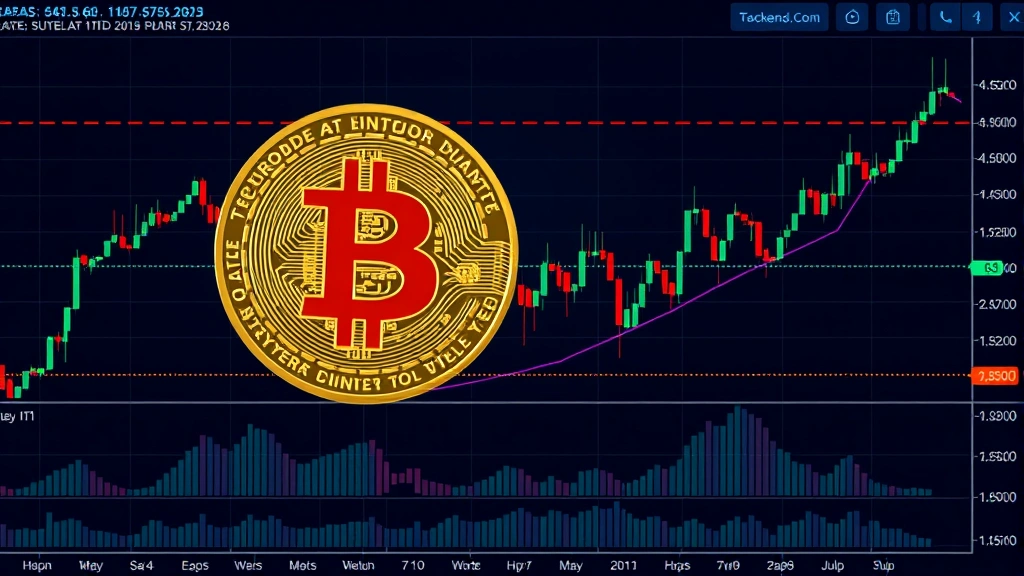
Will Bitcoin Soar in May 2025? Analyst Insights and Market Predictions
As we approach May 2025, the cryptocurrency community is buzzing with speculation about Bitcoin’s potential trajectory. With historical patterns, macroeconomic factors, and on-chain metrics all pointing in different directions, investors and analysts are divided on whether the world’s leading digital asset will experience significant upside or face headwinds. Understanding these competing narratives requires a deep dive into technical analysis, fundamental drivers, and market sentiment that will likely shape Bitcoin’s performance in the coming months.
The debate around Bitcoin price prediction for May 2025 has intensified as we’ve entered the spring season. Major institutional players, retail traders, and blockchain researchers have all weighed in with their forecasts, each armed with different methodologies and data sets. Some point to seasonal patterns that historically favor cryptocurrency rallies during this period, while others warn of potential regulatory headwinds and macroeconomic uncertainty that could cap gains. This comprehensive analysis explores both bullish and bearish perspectives while examining the key factors that will determine Bitcoin’s direction.
Bullish Case for Bitcoin in May 2025
Several compelling factors suggest Bitcoin could experience substantial gains during May 2025. First and foremost, the halving cycle dynamics continue to play a significant role in Bitcoin’s long-term price movements. Historical data from previous halving events demonstrates that the months following a halving often produce substantial returns as supply constraints tighten and market participants reassess valuations. If we’re in a post-halving rally phase, May 2025 could represent a continuation of this uptrend.
Institutional adoption remains another crucial bullish driver. As major corporations, pension funds, and investment firms allocate portions of their portfolios to cryptocurrency assets, the demand for Bitcoin continues to grow. Spot Bitcoin ETFs and other investment vehicles have made it easier than ever for traditional finance players to gain exposure to digital assets without managing private keys or navigating crypto exchanges. This institutional inflow could provide significant upward pressure on Bitcoin’s price during May.
Additionally, Bitcoin’s perceived role as digital gold and inflation hedge becomes increasingly relevant during periods of monetary uncertainty. If central banks continue their accommodative policies or if inflation concerns resurface, investors may flock to Bitcoin as a store of value alternative to traditional assets. The narrative of Bitcoin as a hedge against currency debasement has proven particularly powerful during inflationary environments.
Sentiment analysis from major crypto research firms suggests growing optimism in the market. Whale watching data shows significant accumulation patterns, with large holders purchasing Bitcoin at various price levels. This institutional confidence could signal that knowledgeable market participants expect upside movement in the near term.
Bearish Factors and Headwinds
However, several substantial risks could prevent Bitcoin from soaring in May 2025. Regulatory uncertainty remains one of the most significant concerns for the cryptocurrency market. Government agencies worldwide are still formulating comprehensive frameworks for digital assets, and unfavorable regulations could trigger significant sell-offs. Any announcements regarding restrictive policies from major economies like the United States, European Union, or China could create immediate downward pressure.
Macroeconomic headwinds pose another threat to Bitcoin’s upside potential. If interest rates remain elevated to combat inflation, the opportunity cost of holding non-yielding assets like Bitcoin increases. Traditional investments offering higher yields may attract capital away from cryptocurrencies. Additionally, geopolitical tensions or economic recessions could prompt risk-averse investors to reduce exposure to volatile assets like Bitcoin.
Market saturation is another consideration. With Bitcoin’s market capitalization already reaching hundreds of billions of dollars, achieving the same percentage gains as in earlier bull markets becomes increasingly difficult simply due to the sheer magnitude of capital required to move the price. Analysts who focus on absolute dollar amounts rather than percentages note that while Bitcoin’s price could reach new highs, the relative gains might be more modest than historical averages.
Technical resistance levels established in previous trading sessions could also limit upside movement. If Bitcoin encounters significant selling pressure at key price points, it might consolidate rather than surge during May 2025.
Historical Seasonal Patterns
Examining Bitcoin’s historical performance during May provides valuable context for forecasting. May has historically been a mixed month for Bitcoin, with some years showing strong gains while others resulted in consolidation or minor declines. The famous “Sell in May and go away” adage from traditional markets doesn’t apply uniformly to cryptocurrencies, which operate on different cycles and dynamics.
However, certain patterns do emerge when examining Bitcoin’s behavior during spring months in post-halving years. The period from May through July has occasionally coincided with significant rallies as the full implications of reduced supply begin affecting market dynamics. Traders and analysts often reference these historical precedents when making May 2025 predictions.
It’s crucial to remember that fundamental analysis combined with technical patterns provides a more robust forecasting framework than seasonal patterns alone. While history offers guidance, Bitcoin’s relatively young trading history and evolving market structure mean that past patterns don’t guarantee future results.
Several analyst surveys from prominent crypto research firms indicate that May 2025 could see Bitcoin testing previous resistance levels, with potential breakout scenarios if bullish momentum accelerates. However, these same analysts emphasize the importance of risk management and diversification.

” alt=”Bitcoin market analysis dashboard showing price charts and trading volume data”/>
Macroeconomic Context
The broader economic environment will substantially influence Bitcoin’s trajectory during May 2025. Central bank policies, inflation data, and employment figures all impact investor sentiment toward risk assets. If economic data comes in stronger than expected, traditional markets might rally, potentially drawing capital away from cryptocurrencies. Conversely, disappointing economic indicators could strengthen the case for Bitcoin as a hedge against currency debasement.
Global debt levels, particularly in developed economies, continue to rise. This scenario supports the bullish case for Bitcoin, as investors become increasingly concerned about currency devaluation and seek alternative stores of value. The relationship between government bond yields and Bitcoin prices has become increasingly relevant, with many analysts monitoring the real yield on Treasury securities as a key indicator of Bitcoin’s relative attractiveness.
Currency movements also matter significantly. A weakening U.S. dollar typically benefits Bitcoin, while a strengthening dollar can create headwinds. International economic developments, particularly in major economies like the Eurozone or China, can influence global capital flows and ultimately affect Bitcoin demand.
The energy market presents another macroeconomic consideration. Bitcoin mining operations are highly sensitive to electricity prices, and any significant changes in energy costs or availability could affect mining profitability and network security dynamics. Conversely, increasing adoption of renewable energy by miners could improve Bitcoin’s environmental narrative and potentially attract more ESG-conscious investors.
On-Chain Metrics and Network Activity
For those who believe in investing in cryptocurrency based on quantitative data, on-chain metrics provide valuable insights into network health and investor behavior. Transaction volume, active address count, and network value-to-transactions ratio all offer clues about whether Bitcoin is entering a bullish or bearish phase.
The Miner Realized Price, which tracks the average price at which Bitcoin holders acquired their coins, serves as a capitulation indicator. When prices fall below this level, long-term holders may be forced to sell at losses, potentially signaling a market bottom. Conversely, when prices substantially exceed this metric, it suggests significant unrealized gains and potential resistance as holders take profits.
Whale watching data from blockchain explorers reveals whether large holders are accumulating or distributing Bitcoin. Significant accumulation by large entities often precedes price rallies, while distribution phases can signal potential weakness. Blockchain explorers allow investors to track these patterns in real-time.
Network difficulty adjustments also matter, as they reflect miner participation levels and hash rate trends. Increasing difficulty suggests strong mining activity and confidence in Bitcoin’s future, while declining difficulty might indicate reduced mining enthusiasm or economic stress in the mining sector.
Regulatory Landscape Impact
The regulatory environment represents perhaps the most significant variable for Bitcoin’s May 2025 outlook. Different jurisdictions continue developing their approaches to cryptocurrency regulation, with some embracing digital assets while others impose strict restrictions. Any major regulatory announcements could dramatically shift market sentiment and price action.
The U.S. Securities and Exchange Commission (SEC), the Commodity Futures Trading Commission (CFTC), and the Financial Action Task Force (FATF) all influence how Bitcoin is treated legally and operationally. Favorable regulatory clarity could remove uncertainty and attract new institutional capital, supporting higher prices. Conversely, restrictive regulations could limit adoption and create compliance costs that reduce Bitcoin’s attractiveness.
International regulatory coordination is becoming increasingly important. If major economies implement consistent frameworks for cryptocurrency regulation, it could either facilitate global adoption or impose significant restrictions depending on the nature of those regulations. The European Union’s Markets in Crypto-Assets Regulation (MiCA) serves as one example of comprehensive regulatory frameworks that other jurisdictions may emulate.
Tax treatment of Bitcoin also matters significantly. Changes in capital gains taxation, reporting requirements, or treatment of mining rewards could affect investor behavior and demand patterns. Some jurisdictions have implemented favorable tax treatments to attract crypto businesses, while others have increased tax burdens on cryptocurrency transactions.
Technical Analysis Perspectives
Technical analysts examining Bitcoin’s price charts ahead of May 2025 point to several key levels and patterns. Support levels established during previous consolidation phases provide potential entry points for bullish traders, while resistance levels mark where selling pressure historically emerges. The formation of ascending triangles, pennants, or other continuation patterns could signal impending breakouts.
Moving average analysis, a fundamental tool in technical trading, shows where Bitcoin trades relative to its average price over various timeframes. When Bitcoin trades above its 200-day moving average, it’s generally considered bullish, while trading below this level suggests a bearish bias. Traders also monitor shorter-term moving averages like the 50-day and 20-day for tactical trading signals.
Relative Strength Index (RSI) readings help identify overbought and oversold conditions. Extreme readings can signal potential reversals or continuation moves depending on broader market context. Bollinger Bands provide another tool for identifying volatility extremes and potential mean reversion scenarios.
Volume analysis is crucial in technical trading. High volume during price moves suggests strong conviction, while low volume moves may be more easily reversed. For May 2025, technical analysts will watch for volume patterns that confirm or contradict price movements, providing additional confidence in directional forecasts.
Risk Management Strategies
Regardless of whether analysts believe Bitcoin will soar in May 2025, implementing robust risk management practices is essential. Diversifying your investment portfolio ensures that Bitcoin exposure doesn’t overwhelm your overall investment strategy. A balanced allocation considering your risk tolerance, investment horizon, and financial goals provides more stable long-term returns than concentrated bets on any single asset.
Position sizing is critical when trading or investing in Bitcoin. Never risk more capital than you can afford to lose, particularly given the asset’s volatility. Many professional traders limit their cryptocurrency exposure to 5-10% of their total portfolio, allowing for meaningful exposure while protecting overall wealth.
Stop-loss orders help protect against catastrophic losses if Bitcoin moves against your position. While stop-losses can be triggered by temporary volatility, they provide peace of mind and prevent emotional decision-making during market stress. Dollar-cost averaging, where you invest fixed amounts at regular intervals regardless of price, can reduce the impact of short-term volatility.
Using cryptocurrency portfolio trackers helps you monitor your investments and maintain proper allocation targets. Regular rebalancing ensures that your portfolio remains aligned with your intended risk profile as different assets appreciate or depreciate at different rates.
Staying informed through reputable crypto news sources like CoinDesk helps you make decisions based on quality information rather than hype or fear. Setting clear investment goals and criteria for adding or reducing positions helps maintain discipline during emotional market swings.
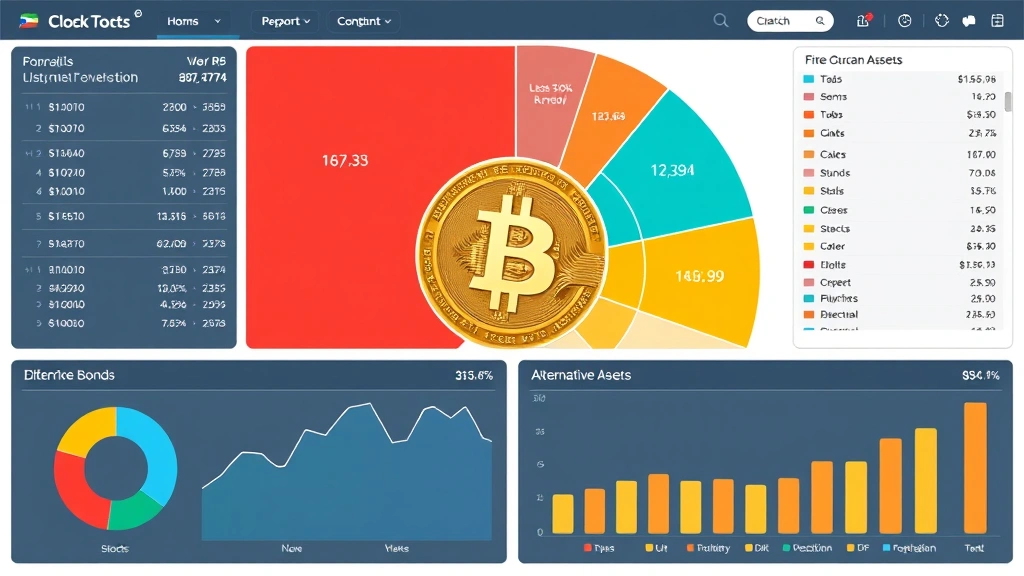
” alt=”Cryptocurrency portfolio diversification showing Bitcoin alongside alternative digital assets and traditional investments”/>
FAQ
What are the main factors that could drive Bitcoin higher in May 2025?
The primary bullish drivers include post-halving supply constraints, increasing institutional adoption through ETFs and investment funds, Bitcoin’s role as an inflation hedge, positive whale accumulation patterns, and potential continuation of seasonal strength that sometimes occurs during spring months in post-halving years.
What risks could prevent Bitcoin from soaring in May 2025?
Key bearish risks include regulatory uncertainty and potentially restrictive policies from major governments, elevated interest rates increasing the opportunity cost of holding non-yielding assets, macroeconomic headwinds or recession concerns, technical resistance levels that could cap gains, and the sheer market capitalization requiring enormous capital inflows for significant percentage gains.
How reliable are analyst predictions for Bitcoin prices?
Analyst predictions should be considered as one input among many rather than definitive forecasts. Even professional analysts with sophisticated models frequently miss market turns due to the unpredictable nature of markets and unexpected events. Historical accuracy of crypto price predictions is mixed, making it essential to conduct independent research and maintain healthy skepticism.
Should I invest in Bitcoin based on May 2025 predictions?
Investment decisions should be based on your personal financial situation, risk tolerance, and long-term investment thesis rather than short-term price predictions. Bitcoin can be part of a diversified portfolio, but should never represent an amount you cannot afford to lose given its volatility. Consult with qualified financial advisors before making investment decisions.
What tools can help me make better Bitcoin investment decisions?
Combine technical analysis using charts and indicators, fundamental analysis examining network metrics and adoption trends, macroeconomic analysis tracking interest rates and inflation, regulatory monitoring for policy changes, and sentiment analysis from trusted crypto research firms. Using multiple analytical frameworks reduces reliance on any single perspective.
How does Bitcoin’s historical performance in May compare to other months?
May has historically been a mixed month for Bitcoin without a clear directional bias. Some years showed strong gains while others resulted in consolidation or declines. The pattern is less pronounced than in traditional markets, and Bitcoin’s performance depends more on specific market conditions and events than on seasonal factors alone.
What role do central banks play in Bitcoin’s price movements?
Central bank policies regarding interest rates and monetary expansion significantly influence Bitcoin’s attractiveness relative to traditional assets. Accommodative monetary policies and low real yields typically support higher Bitcoin prices, while restrictive policies and high real yields can create headwinds. Monitoring central bank communications provides valuable context for Bitcoin forecasting.


