
Bitcoin in Vegas: A Gambler’s Guide to Crypto in Sin City
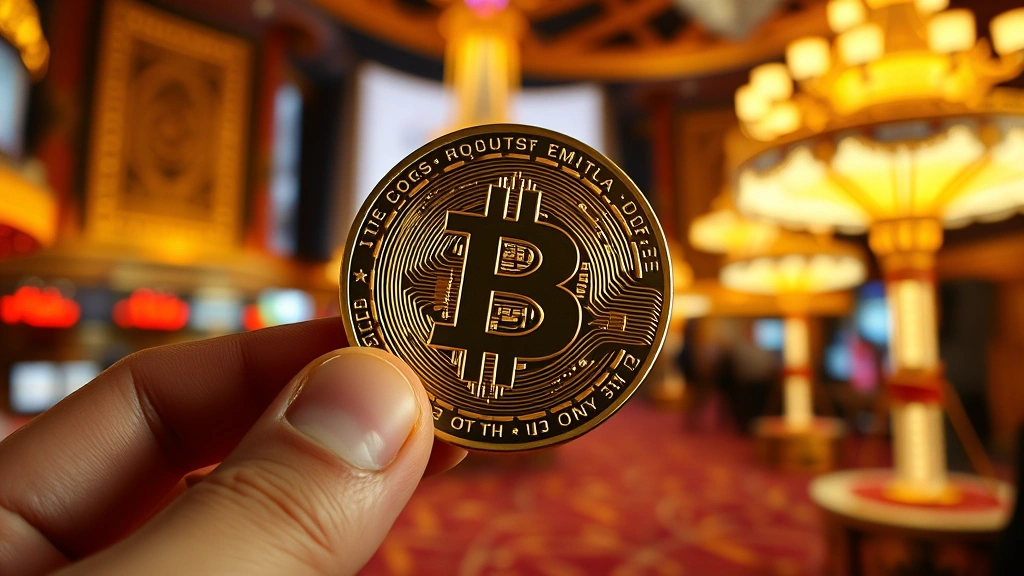
Las Vegas has long been synonymous with high-stakes gambling, luxury resorts, and the thrill of risk-taking. Today, Bitcoin and cryptocurrency have added a new dimension to the Vegas experience, attracting crypto enthusiasts, traders, and investors to the desert oasis. Whether you’re a seasoned gambler looking to diversify your portfolio or a curious newcomer wondering how Bitcoin fits into the Vegas lifestyle, this comprehensive guide will help you navigate the intersection of cryptocurrency and Sin City.
The relationship between Bitcoin and Vegas isn’t merely coincidental. Both involve calculated risks, volatile outcomes, and the potential for significant financial gains or losses. However, understanding how to approach Bitcoin in Vegas requires knowledge that goes beyond traditional gambling instincts. This guide explores everything from finding Bitcoin-friendly establishments to understanding market dynamics that could impact your crypto investments while enjoying the city.
Bitcoin-Friendly Casinos and Hotels in Las Vegas
Las Vegas has been gradually embracing cryptocurrency, with several establishments now accepting Bitcoin and other digital assets. Some major casinos and hotels have begun exploring blockchain technology and cryptocurrency payment options, recognizing the growing demand from tech-savvy visitors. While not every casino accepts Bitcoin directly, several properties have partnerships with crypto payment processors that allow guests to convert their digital assets into fiat currency or use them for purchases.
The Downtown Las Vegas area, particularly around Fremont Street, has emerged as a hub for cryptocurrency adoption. Several smaller casinos and businesses in this historic district have become early adopters of Bitcoin payments. You’ll find ATMs that dispense cryptocurrency as well as traditional currency, making it easier to access Bitcoin while exploring the city. Additionally, various restaurants, bars, and entertainment venues near the Strip have begun accepting cryptocurrency payments, particularly Bitcoin.
When planning your Vegas trip, it’s worth researching specific properties before arrival. Some luxury resorts offer concierge services that can facilitate cryptocurrency transactions, while others may partner with payment processors like BitPay or Coinbase Commerce. The landscape is evolving rapidly, so checking current information on CryptoMap or similar resources can help you identify Bitcoin-friendly venues before you arrive.
Understanding Bitcoin for dummies is essential if you’re planning to use cryptocurrency at Vegas establishments. Many venues that accept Bitcoin are still educating customers about how transactions work, so having basic knowledge will help you transact smoothly and confidently.
Understanding Bitcoin Volatility and Risk Management
Bitcoin’s price volatility presents both opportunities and risks, particularly for visitors to Vegas who may be tempted to make impulsive decisions. Unlike traditional casino games where odds are fixed, Bitcoin’s value can fluctuate dramatically within hours. A coin worth $45,000 in the morning could be worth $43,000 by evening—or potentially more. This volatility mirrors the unpredictable nature of gambling, but unlike casino games, Bitcoin price movements are influenced by global market factors rather than random chance.
Before converting significant funds into Bitcoin for your Vegas trip, consider checking the Bitcoin price prediction analysis to understand current market sentiment. However, remember that predictions are speculative and markets can move contrary to expectations. The key to managing risk is never investing more than you can afford to lose—a principle that applies equally to Bitcoin and traditional gambling.
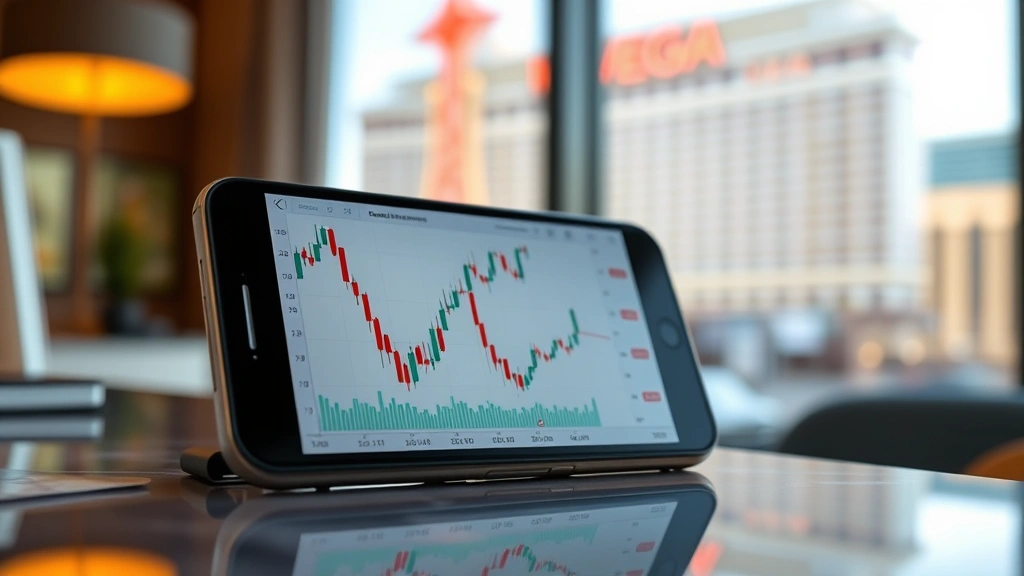
Volatility can be analyzed through technical analysis, which examines historical price patterns and trading volume to predict future movements. If you’re interested in trading Bitcoin during your Vegas stay, understanding these tools can help inform your decisions. However, technical analysis is not foolproof, and emotional decision-making in high-stress casino environments can lead to poor trades.
Risk management strategies for Bitcoin include setting stop-loss orders (predetermined prices at which you’ll sell to prevent further losses), diversifying your portfolio across multiple cryptocurrencies or assets, and maintaining a disciplined approach regardless of market conditions. The excitement of Vegas can cloud judgment, making pre-planned strategies essential.
Trading Bitcoin in Vegas: Exchanges and Wallets
If you plan to actively trade Bitcoin during your Vegas visit, you’ll need access to reliable cryptocurrency exchanges. Major platforms like Coinbase, Kraken, and Binance.US operate in Nevada and allow residents and visitors to trade cryptocurrency. These exchanges are accessible via mobile apps, making it convenient to trade from your hotel room or anywhere in the city.
Before arriving in Vegas, set up your exchange accounts and complete any necessary verification steps. Most reputable exchanges require identity verification, which can take time. Attempting to set up accounts while in Vegas may result in delays that interfere with your trading plans. Additionally, ensure your accounts are secured with strong passwords and two-factor authentication to protect your assets.
Digital wallets are essential for storing Bitcoin securely. Hardware wallets like Ledger or Trezor offer maximum security and are recommended for significant holdings, though they require physical devices you’d need to bring to Vegas. Mobile wallets like Trust Wallet or MetaMask provide convenient access from your smartphone but offer slightly less security. Never store large amounts of Bitcoin on exchange accounts or hot wallets while traveling—these are more vulnerable to hacking.
When trading Bitcoin in Vegas, be aware of network congestion and transaction fees. Bitcoin transactions can take anywhere from 10 minutes to several hours depending on network conditions and the fees you’re willing to pay. This delay can be frustrating if you’re trying to capitalize on rapid price movements, so understanding Bitcoin’s technical patterns including the 200-day moving average can help you make more informed timing decisions.
The Difference Between Bitcoin Gambling and Investing
It’s crucial to distinguish between gambling with Bitcoin and investing in it, as Vegas culture often blurs these lines. Bitcoin gambling refers to using cryptocurrency for casino games, sports betting, or other games of chance where outcomes are unpredictable and the house typically maintains an edge. Bitcoin investing, conversely, involves purchasing cryptocurrency with the expectation that its value will appreciate over time, based on fundamental factors and market analysis.
Many Vegas visitors fall into the trap of treating Bitcoin like a casino game—making large, quick bets hoping for rapid profits. This approach typically results in losses. Successful Bitcoin investors take a longer-term perspective, understanding that Bitcoin can experience significant crashes but has historically recovered and reached new highs over multi-year periods.
The psychological factors that make casino gambling exciting—the rush of potential quick wins, the social atmosphere, the availability heuristic (remembering wins more vividly than losses)—apply equally to Bitcoin trading. However, Bitcoin’s decentralized nature means there’s no house edge working against you in the same way casinos operate. Your success or failure depends on market conditions and your own decision-making, not on mathematical probabilities favoring the house.
If you’re interested in Bitcoin as an investment, consider dollar-cost averaging—investing a fixed amount regularly over time rather than attempting to time the market. This strategy reduces the impact of volatility and removes emotional decision-making from the equation. It’s the opposite of the all-in mentality that Vegas encourages.
Tax Implications for Crypto Transactions in Nevada
Nevada has become known as a crypto-friendly state, but this doesn’t mean cryptocurrency transactions are tax-free. The IRS treats Bitcoin and other cryptocurrencies as property, not currency, meaning each transaction potentially triggers a taxable event. This applies whether you’re trading Bitcoin, spending it at Vegas establishments, or converting it to dollars.
Understanding market capitalization and how it relates to Bitcoin’s valuation can help you make informed investment decisions that you can justify to tax authorities. The key metric for tax purposes is the fair market value of Bitcoin at the time of each transaction, typically determined by major exchange prices.
If you purchase Bitcoin for $40,000 and sell it for $45,000, you’ve realized a $5,000 capital gain subject to taxation. Short-term capital gains (assets held less than one year) are taxed as ordinary income at your marginal tax rate, which can be as high as 37% federally. Long-term capital gains (assets held more than one year) receive preferential treatment, with maximum rates of 20%.
Nevada state income tax doesn’t apply to capital gains, which is one reason the state has attracted crypto businesses and investors. However, you still owe federal taxes on your Bitcoin transactions. Keeping detailed records of every transaction—including dates, amounts, prices, and purposes—is essential for accurate tax reporting. Many crypto tax software platforms can help organize this information.
If you’re visiting Vegas from another state, your home state may also tax your crypto transactions. Consult with a tax professional familiar with cryptocurrency before engaging in significant trading to understand your complete tax obligation.
Security Considerations for Vegas Visitors
Vegas presents unique security challenges for cryptocurrency holders. The combination of valuable assets, alcohol consumption, and the city’s reputation for separating tourists from their money creates an environment where crypto security requires extra vigilance.
Never discuss your Bitcoin holdings or wallet information with strangers, service workers, or even new acquaintances in Vegas. The city attracts criminals who specifically target wealthy tourists, and cryptocurrency holdings are invisible assets that can be stolen without leaving physical evidence. This makes them particularly attractive to thieves.
When using public WiFi networks in casinos and hotels—which are notoriously insecure—avoid accessing your cryptocurrency accounts or wallets. Use a VPN (Virtual Private Network) if you must access accounts on public networks, though it’s preferable to wait until you’re on a secure, private connection. Many experienced crypto users avoid trading entirely while traveling for this reason.
If you’re bringing a hardware wallet to Vegas, keep it in a secure location such as a hotel safe, not in your room or on your person. The combination of crowds, alcohol, and reduced vigilance makes Vegas an ideal environment for pickpockets. Losing a hardware wallet is recoverable if you have your seed phrase backed up securely, but losing your phone or laptop with cryptocurrency access could be catastrophic.
Consider maintaining separate wallets for your Vegas trip with limited funds—just enough for the transactions you plan to make. Keep the majority of your holdings in cold storage (offline wallets) at home where they’re protected from theft or loss while traveling.
Additionally, be cautious of scams targeting crypto holders. Schemes promising guaranteed returns on Bitcoin investments, offers to double your crypto, or requests to send funds to mysterious wallets are common in areas with high concentrations of wealthy tourists. If something sounds too good to be true, it almost certainly is.
FAQ
Which Las Vegas casinos accept Bitcoin?
While major casino chains haven’t universally adopted Bitcoin payments, several smaller establishments and Downtown Vegas properties accept cryptocurrency through payment processors. Check current listings on CryptoMap or contact specific casinos before visiting, as adoption is rapidly evolving.
Is it legal to trade Bitcoin in Las Vegas?
Yes, Bitcoin trading is legal in Nevada and throughout the United States. Nevada’s business-friendly regulatory environment has made it particularly attractive for cryptocurrency companies. However, all trading profits are subject to federal income tax.
Can I use Bitcoin to pay for hotel rooms in Vegas?
Most major hotel chains don’t directly accept Bitcoin, but some may allow payment through cryptocurrency-to-fiat conversion services. Contact your hotel in advance to inquire about payment options. Some boutique hotels and smaller properties are more likely to accept cryptocurrency directly.
What’s the safest way to store Bitcoin while traveling to Vegas?
Hardware wallets offer the best security for traveling with cryptocurrency. Keep your device in a secure location like a hotel safe, not on your person. Alternatively, maintain minimal amounts in mobile wallets for immediate needs and keep the majority of your holdings in cold storage at home.
How are Bitcoin profits taxed for visitors?
Bitcoin gains are taxed as capital gains at federal rates (up to 37% for short-term gains, 20% for long-term gains). Nevada has no state income tax on capital gains, but your home state may impose additional taxes. Consult a tax professional for your specific situation.
Is Bitcoin more volatile than casino gambling?
Bitcoin volatility and casino gambling are different types of risk. Casino games have fixed mathematical odds favoring the house. Bitcoin’s price fluctuates based on market supply and demand, with no inherent house edge. Both can result in significant losses if approached recklessly.
Should I make Bitcoin investment decisions while in Vegas?
The Vegas environment—with its excitement, alcohol, and pressure-filled atmosphere—is not conducive to sound financial decision-making. Major investment decisions are better made when calm and analytical. Consider Vegas a time for enjoying the city rather than making significant portfolio changes.


