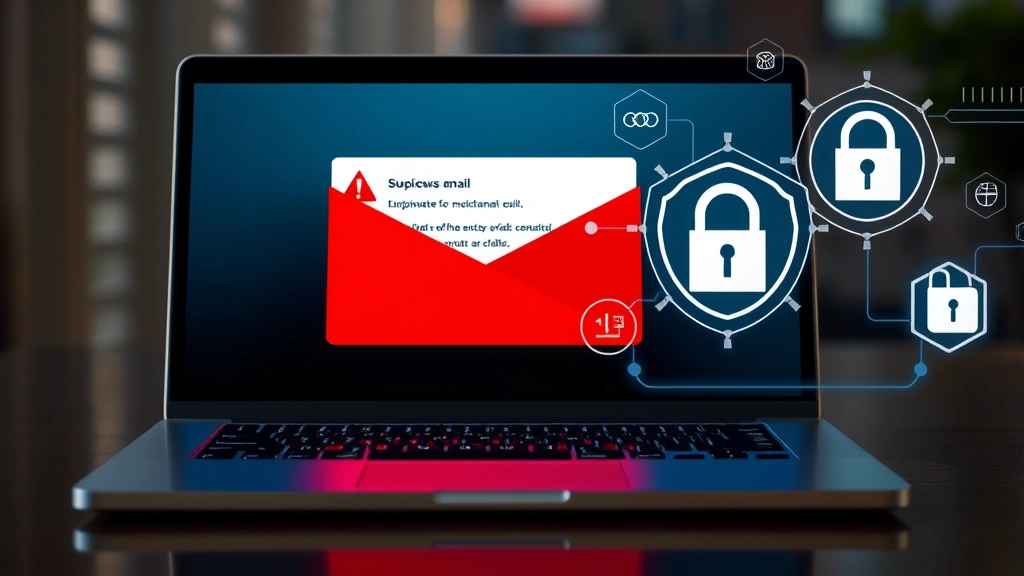
Threatening emails demanding Bitcoin payments have become one of the most prevalent scams in the cryptocurrency ecosystem. These extortion attempts often employ fear tactics, claiming to have compromising information or threatening legal action unless victims send cryptocurrency immediately. In 2024, such scams have evolved significantly, becoming more sophisticated and personalized, targeting both individual investors and businesses. Understanding how these scams operate and implementing robust cybersecurity measures is essential for anyone involved in cryptocurrency.
The cryptocurrency market’s rapid growth has attracted not only legitimate investors but also cybercriminals who exploit the pseudonymous nature and irreversible transactions of blockchain technology. Bitcoin extortion emails represent a low-cost, high-reward operation for scammers, as they require minimal effort to send thousands of emails while occasionally finding victims willing to pay. This comprehensive guide will equip you with the knowledge and practical strategies needed to identify, avoid, and report these threatening emails, ensuring your digital assets and personal information remain secure.
Understanding Bitcoin Extortion Emails in 2024
Bitcoin extortion emails have evolved into a sophisticated social engineering attack that preys on fear and urgency. These messages typically claim the sender has obtained access to your email account, browsing history, or compromising personal information. Common variations include threats of exposing embarrassing content, claims of malware infection, or false accusations of illegal activity. The scammer then demands payment in Bitcoin, often within a specific timeframe, to prevent alleged consequences.
The prevalence of these emails has increased dramatically as cybercriminals have refined their techniques. In 2024, threat actors often use data from previous breaches or publicly available information to personalize their messages, making them appear more credible. They may reference your actual email address, previous passwords, or partial personal details obtained from data leaks. This targeted approach significantly increases the likelihood of victims believing the threats are legitimate.
Understanding the psychology behind these scams is crucial for your protection. Scammers deliberately create a sense of panic and shame, hoping victims will pay quickly without thinking rationally. They exploit the fact that many people are embarrassed by the allegations and may prefer paying rather than facing perceived exposure. Recognizing these manipulation tactics is your first line of defense against becoming a victim.
Common Red Flags and Warning Signs
Identifying a Bitcoin extortion email requires awareness of specific indicators that distinguish legitimate communications from scams. One of the most obvious red flags is an unsolicited email demanding cryptocurrency payment. Legitimate organizations, government agencies, and law enforcement never request payment in Bitcoin or other cryptocurrencies for alleged legal violations or account issues.
Pay attention to these warning signs:
- Generic greetings: Scammers often use “Dear User” or “Hello” instead of your actual name, indicating mass emails sent to thousands of recipients
- Vague accusations: Threatening emails typically contain non-specific claims about compromising information without providing actual details
- Urgency and threats: Artificial time limits and severe consequences are designed to pressure you into immediate action
- Poor grammar and spelling: Many extortion emails contain language errors that suggest they originate from non-English speakers
- Suspicious sender addresses: Check the actual email address of the sender; scammers often use addresses that mimic legitimate organizations
- Requests for Bitcoin addresses: Legitimate entities never request payment in cryptocurrency for legal matters
- Anonymous payment methods: The demand for untraceable cryptocurrency payment is a hallmark of scams
Additionally, examine the email headers and sender information carefully. Scammers frequently spoof email addresses to appear as though they come from trusted sources. However, examining the full email header reveals the true origin of the message. Most email clients allow you to view detailed header information, which can expose fraudulent senders.
If an email claims to have accessed your webcam or obtained passwords, verify this immediately. Check your password manager to confirm your passwords are unchanged. Review your device’s security status and check for unfamiliar activity. A legitimate security threat would typically come with evidence or technical details, not vague threats.
Technical Security Measures
Implementing robust technical security measures significantly reduces your vulnerability to Bitcoin extortion scams and related cyber threats. The foundation of any security strategy begins with strong, unique passwords for all accounts. Use a reputable password manager to generate and store complex passwords that are difficult to crack. Avoid reusing passwords across multiple platforms, as a breach in one service could compromise all your accounts.
Enable two-factor authentication (2FA) on all critical accounts, especially those connected to cryptocurrency exchanges or email services. Two-factor authentication adds an additional layer of security by requiring a second verification method beyond your password. This significantly reduces the risk of unauthorized account access even if your password is compromised. Consider using hardware security keys for maximum protection on accounts containing sensitive financial information.
Keep all software and operating systems updated with the latest security patches. Cybercriminals frequently exploit known vulnerabilities in outdated software to gain unauthorized access to devices. Enable automatic updates on your computer, smartphone, and other connected devices to ensure you receive critical security patches promptly.
Install and maintain reputable antivirus and anti-malware software on your devices. These tools can detect and remove malicious software that might be used to monitor your activities or steal sensitive information. Run regular scans and keep your security definitions current. Additionally, consider using a reputable Virtual Private Network (VPN) when accessing cryptocurrency accounts or handling sensitive financial information, especially on public WiFi networks.
For cryptocurrency storage, implement hardware wallet solutions for any significant holdings. Hardware wallets keep your private keys offline, making them immune to online attacks. This is particularly important for protecting your cryptocurrency from theft, regardless of email scams. Understanding how to diversify your investment portfolio also includes securing each asset appropriately.
Best Practices for Email Safety
Email remains the primary vector for Bitcoin extortion scams, making email security practices essential for protecting yourself. Configure your email filters to automatically move suspicious messages to spam folders. Most email providers offer customizable filters that can identify common phishing and scam characteristics. Create rules to catch emails containing keywords commonly found in extortion messages.
Be extremely cautious about clicking links or downloading attachments from unfamiliar senders. Malicious links can redirect you to fake websites designed to steal login credentials, while attachments may contain malware. Hover over links to preview their actual destination before clicking. If an email seems suspicious, do not interact with it—delete it instead.
Verify sender identity independently by checking official contact information from the organization’s website rather than using information provided in the email. If an email claims to be from your bank, cryptocurrency exchange, or government agency, contact them directly using verified contact information to confirm whether they actually sent the message.
Consider using email aliases or temporary email addresses when signing up for services that don’t require your primary email. This reduces the number of breaches that expose your main email address. Many reputable email providers offer alias features that forward messages to your primary address while keeping your main email hidden from third parties.
Enable email authentication protocols like SPF (Sender Policy Framework), DKIM (DomainKeys Identified Mail), and DMARC (Domain-based Message Authentication, Reporting, and Conformance) if you operate your own email domain. These protocols help prevent email spoofing and improve email deliverability while protecting your domain from being misused in scams.
What to Do If You Receive a Threatening Email
If you receive a Bitcoin extortion email, your first instinct should be to remain calm and not panic. Remember that the vast majority of these threats are empty—the scammer has no actual access to compromising information. Taking deliberate, measured steps will help you respond appropriately.
Do not respond to the email or engage with the sender in any way. Responding confirms that your email address is active and monitored, which may result in additional scam attempts. Delete the email and move on. If you’re concerned, report it to your email provider’s abuse department.
Report the email to relevant authorities:
- Your email provider: Most email services have abuse reporting features that help them improve spam detection and protect other users
- FBI Internet Crime Complaint Center (IC3): The IC3 accepts reports of internet crimes, including Bitcoin extortion scams
- Federal Trade Commission (FTC): The FTC’s fraud reporting system collects data on scam trends
- Local law enforcement: File a report with your local police department if you’re particularly concerned
- Cryptocurrency exchange: If the email mentions your exchange account, report it to the exchange’s security team
Do not send any cryptocurrency or money. Bitcoin transactions are irreversible, meaning once funds are sent, they cannot be recovered. Scammers rely on this characteristic of cryptocurrency, which is why they specifically demand Bitcoin payments.
If the email references specific personal information, take steps to verify whether your accounts have been compromised. Change your passwords immediately, monitor your accounts for unauthorized activity, and consider placing a fraud alert or credit freeze with credit bureaus if personal information has been exposed. Review your credit reports for suspicious activity.
Protecting Your Cryptocurrency Holdings
Beyond protecting yourself from extortion emails, implementing comprehensive security measures for your cryptocurrency holdings is essential. Understanding Bitcoin technical analysis and market trends is important, but security should always be your priority.
Never share your private keys, seed phrases, or recovery codes with anyone. These pieces of information grant complete control over your cryptocurrency. Store them in secure, offline locations such as physical safes or safety deposit boxes. Consider using a hardware wallet for substantial holdings, which keeps your keys offline and protected from online threats.
Use separate devices or accounts for different purposes. Your main computer used for browsing the internet should not be the same device where you manage significant cryptocurrency holdings. Consider maintaining an air-gapped device (completely offline) for storing and managing large amounts of cryptocurrency.
Be cautious of phishing attempts targeting cryptocurrency users. Scammers create fake exchange websites and wallet applications that appear identical to legitimate versions. Always verify URLs before entering credentials, and download applications only from official app stores or verified sources. Bookmark legitimate exchange websites to avoid accidentally visiting fake sites.
Understand different types of cryptocurrency scams beyond email extortion. Learning about technical analysis helps you make informed investment decisions and avoid pump-and-dump schemes. Similarly, learning how to read cryptocurrency charts improves your ability to identify suspicious market activity.
Diversify your holdings across multiple secure storage solutions. Avoid keeping all your cryptocurrency on a single exchange or in a single wallet. This approach limits your exposure if one account is compromised. Additionally, using the best indicators on Bitcoin charts can help you time your transactions more effectively and avoid panic selling during volatile periods.
Stay informed about security best practices and emerging threats. Follow reputable cryptocurrency news sources and security organizations to learn about new scam tactics as they emerge. The cryptocurrency landscape evolves rapidly, and staying educated is your best defense. Understanding whether Bitcoin is going to crash helps you avoid making emotional decisions based on fear or panic.
FAQ
Are Bitcoin extortion emails a real threat?
While the threats themselves are almost always false, the emails are real and extremely common. Scammers send millions of these emails knowing that a small percentage of recipients will panic and pay. The actual threat level to you depends on whether you have been part of a data breach or have publicly exposed personal information. However, you should never pay regardless, as doing so only encourages more scams.
How did scammers get my email address and personal information?
Your email address is likely part of one or more data breaches that have exposed billions of email addresses publicly. Personal information may come from social media profiles, previous data breaches, or publicly available records. Scammers compile this information and use it to craft more convincing extortion emails. This does not mean your accounts have been compromised—it simply means your information is part of the public domain due to past breaches.
What should I do if I already paid a scammer?
If you have already sent cryptocurrency to a scammer, unfortunately the transaction cannot be reversed. Bitcoin transactions are permanent and irreversible. However, you should immediately change all your passwords, enable two-factor authentication on all accounts, and report the incident to law enforcement and your email provider. Consider consulting with a cybersecurity professional to ensure your devices have not been compromised.
Can I trace a Bitcoin transaction to catch the scammer?
While Bitcoin transactions are recorded on a public ledger, the identities behind addresses are typically anonymous. Law enforcement and blockchain analysis companies can sometimes trace transactions, but this requires significant resources and legal authority. Reporting to the FBI’s IC3 or local law enforcement gives authorities the information needed to investigate if they have the resources to do so.
How can I prevent receiving these emails in the future?
While you cannot completely prevent scam emails, you can reduce their volume by being cautious about where you share your email address, using email aliases for less trusted services, and maintaining strong spam filters. Avoid posting your email address publicly on websites or social media. Use unique email addresses for different purposes when possible.
Are there legitimate reasons someone would demand Bitcoin payment?
No legitimate organization—including government agencies, banks, law enforcement, or tech companies—will ever demand Bitcoin or other cryptocurrency as payment for legal issues, account problems, or security concerns. If you receive such a demand, it is always a scam. Legitimate entities use traditional payment methods and follow established legal procedures.
Should I be worried if the email mentions a password I used to use?
Not necessarily. Old passwords frequently appear in data breaches and are compiled into lists that scammers use to make emails appear more credible. The fact that a scammer knows an old password does not mean they have current access to your accounts. Change your password immediately if concerned, but do not panic based on an old password mention alone.


