
Convert 200 Bitcoin to USD? Current Rates and What You Need to Know
Bitcoin’s volatile nature means that converting 200 BTC to USD requires real-time market awareness and strategic planning. Whether you’re a long-term holder, an institutional investor, or someone exploring cryptocurrency for the first time, understanding the current conversion rates and the mechanics behind them is essential. At current market valuations, 200 bitcoin represents a significant asset that demands careful consideration before any transaction.
The process of converting bitcoin to USD involves multiple factors beyond simple multiplication—exchange fees, market liquidity, tax implications, and timing all play crucial roles in determining your final USD amount. This comprehensive guide walks you through everything you need to know about converting 200 BTC to dollars, from real-time pricing to strategic considerations that could impact your financial outcome.
Current Bitcoin to USD Exchange Rates
Bitcoin’s price fluctuates constantly across global markets, influenced by supply and demand dynamics, macroeconomic conditions, regulatory announcements, and market sentiment. The spot price you see quoted on major exchanges like CoinDesk represents the most recent trade price, but this doesn’t necessarily reflect what you’ll receive when converting your bitcoin.
Real-time exchange rates vary slightly between platforms due to differences in liquidity, trading volume, and regional market conditions. A major cryptocurrency exchange in New York might show a slightly different price than one in Singapore or London due to arbitrage opportunities and local demand variations. When converting 200 bitcoin to USD, these small percentage differences compound significantly—a 1% variance on $8.5 million represents $85,000.
The bid-ask spread represents the difference between what buyers are willing to pay (bid) and what sellers are asking (ask). On highly liquid exchanges, this spread might be as narrow as $10-50 for bitcoin, but during periods of market volatility or low liquidity, it can widen substantially. Understanding this spread is critical when planning a large 200 BTC conversion, as it directly impacts your proceeds.
Major price aggregators compile data from multiple exchanges to provide a weighted average price, which serves as a useful reference point. However, when actually executing your conversion, you’ll receive the specific price offered by your chosen platform at the moment of transaction. This is why timing your conversion and understanding market conditions becomes strategically important for large holdings.
How to Calculate 200 Bitcoin in USD
The basic calculation appears straightforward: multiply the current bitcoin price by 200. However, the reality involves several considerations that affect your final USD amount. If bitcoin is trading at $42,500 per BTC, then 200 × $42,500 = $8,500,000. But this figure represents the theoretical gross value before any deductions or platform-specific factors.
Your actual received amount will be lower due to exchange fees, which typically range from 0.1% to 2% depending on your platform and account status. A 1% fee on an $8.5 million conversion equals $85,000—a substantial amount that shouldn’t be overlooked. Institutional exchanges often offer lower fee structures for large trades, sometimes as low as 0.01-0.05%, making them potentially valuable for converting 200 bitcoin.
Additionally, when converting large amounts, you may trigger Bitcoin price CNBC updates that reflect real market impact. Moving 200 BTC through the order book simultaneously could push prices down slightly as you sell into existing buy orders at progressively lower prices. Professional traders mitigate this through limit orders, algorithmic execution, and breaking trades into smaller tranches over time.
To calculate your realistic proceeds: (Bitcoin Price × 200) × (1 – Exchange Fee %) – Withdrawal Fees = Net USD Received. For example, if bitcoin trades at $42,500 with a 1% exchange fee and $25 withdrawal fee: ($42,500 × 200) × 0.99 – $25 = $8,415,000 – $25 = $8,414,975 net received.
Best Platforms for Converting Bitcoin to USD
Selecting the right platform for converting 200 bitcoin significantly impacts your net proceeds and overall experience. Major exchanges like Coinbase, Kraken, and Bitstamp offer regulatory compliance, insurance protection, and high liquidity, making them suitable for large conversions. These platforms typically require identity verification and may have transaction limits that necessitate multiple trades or advance notice to support.
Coinbase Pro (now Coinbase Advanced) offers a tiered fee structure where high-volume traders receive discounts. Converting 200 BTC qualifies you for their lowest fees, potentially saving tens of thousands of dollars compared to retail pricing. Their USD trading pairs provide direct bitcoin-to-dollar conversion without intermediate steps.
Kraken stands out for its institutional services and advanced trading tools. Their API allows automated trading, and they offer lower fees for large trades. Kraken’s global presence means you can access USD pairs from multiple regions, providing flexibility in execution strategy. Their insurance coverage on held assets also provides additional security.
Bitstamp caters to institutional clients and offers competitive pricing for large trades. Their white-glove service assists high-net-worth individuals through the conversion process, handling compliance requirements and optimizing execution strategy. For 200 bitcoin conversions, their dedicated account managers can provide valuable guidance.
For those interested in understanding broader investment strategies, exploring American Bitcoin Stock alternatives or learning about How to Invest in Commodities: A Complete Guide can provide context for your overall portfolio strategy.
Decentralized exchanges (DEXs) like Uniswap and Curve offer non-custodial trading but typically have lower liquidity for direct USD pairs and may not be practical for converting 200 BTC in a single transaction. These platforms work better for smaller trades or when you’re comfortable with longer execution timeframes.
Understanding Conversion Fees and Costs
Exchange fees represent the most obvious cost when converting bitcoin to USD. These fees vary significantly:
- Trading Fees: Typically 0.1% to 2% depending on exchange and volume tier
- Withdrawal Fees: Usually $10-50 for ACH transfers, sometimes higher for wire transfers
- Network Fees: Blockchain transaction fees for moving bitcoin off your exchange wallet
- Spread Costs: Difference between bid and ask prices, ranging from negligible to 0.5% during volatile periods
Beyond direct platform fees, consider the cost of market impact. Large orders move prices, and converting 200 BTC at once could trigger a price decline as you sell into existing buy orders. Professional traders mitigate this through iceberg orders (large orders split into visible portions) or TWAP/VWAP algorithms that execute across time or volume.
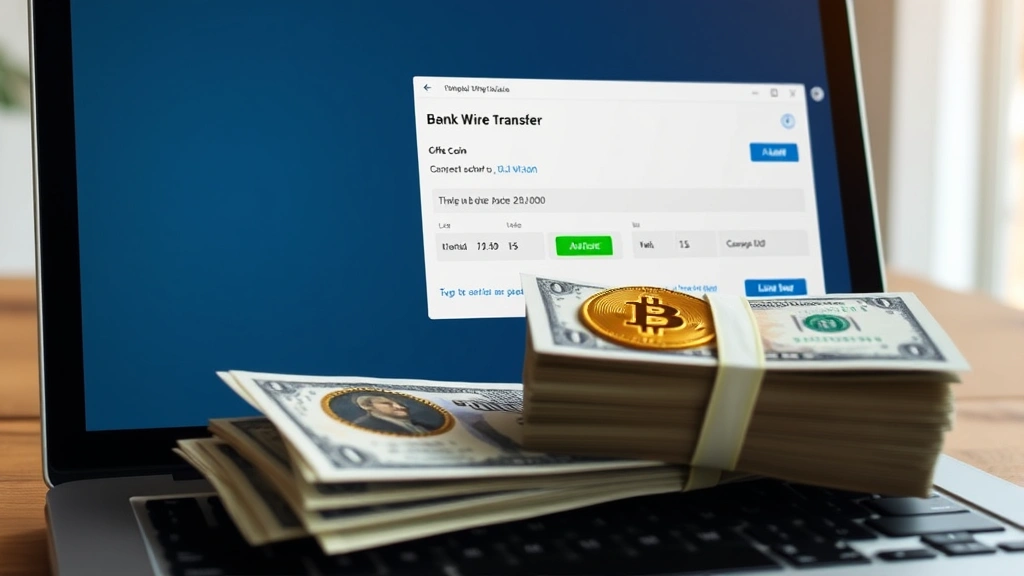
Bank transfer fees from your exchange to your personal account vary by institution. ACH transfers (typically free or $5-15) take 3-5 business days, while wire transfers ($15-50) complete within 24 hours. The faster option costs more but provides immediate access to funds and eliminates timing risk during that waiting period.
Tax preparation costs should also be considered. Converting 200 bitcoin triggers capital gains taxes, and properly reporting this transaction may require professional accountant assistance. The cost of tax preparation could range from $500 to $5,000+ depending on your situation’s complexity and your jurisdiction’s requirements.
Tax Implications of Bitcoin Conversion
Converting 200 bitcoin to USD creates a taxable event in most jurisdictions. The IRS treats cryptocurrency as property, meaning each bitcoin sale triggers capital gains tax on the difference between your acquisition cost and the sale price. This is true regardless of whether you convert to USD or trade for other cryptocurrencies.
Long-term capital gains (assets held over one year) receive preferential tax treatment in the United States, typically taxed at 15% or 20% federal rates depending on income level, compared to short-term capital gains taxed as ordinary income (up to 37%). For a $8.5 million conversion with substantial gains, the difference between long-term and short-term rates could exceed $1 million in federal taxes alone.
State taxes compound federal obligations. California, for instance, treats capital gains as ordinary income with no long-term preference, potentially adding 13.3% state tax on top of federal rates. Residents of states like Florida or Texas with no state income tax enjoy a significant advantage.
Proper documentation is essential. Maintain records of your bitcoin acquisition dates, costs, and the exact sale prices when converting. This information determines your taxable gain. If you acquired bitcoin at different times or prices, you can choose your cost basis method—specific identification, FIFO (first in, first out), or average cost—which affects your tax liability.
For context on broader investment tax considerations, review information about Difference Between Traditional and Roth IRA strategies, which might inform your long-term planning. Additionally, understanding How to Invest with Little Money: A Beginners Guide can help you reinvest proceeds strategically.
Many high-net-worth individuals work with tax professionals before large crypto sales to structure the conversion optimally. This might involve timing conversions across multiple tax years, utilizing charitable giving strategies, or exploring other tax-efficient approaches. The cost of professional tax planning often pays for itself through optimized tax outcomes.
Market Timing and Conversion Strategy
Converting 200 bitcoin to USD in a single trade differs significantly from converting gradually over time. Each approach involves distinct advantages and risks that merit consideration based on your circumstances and market outlook.
Lump-sum conversions execute immediately, eliminating timing risk and providing certainty about your proceeds. You know exactly how much USD you’ll receive, which simplifies planning. However, this approach exposes you to market impact risk—your large order could push prices downward as it fills, reducing your effective price. Lump-sum conversions work best during high-volume periods when the order book contains substantial liquidity at stable prices.
Gradual conversion spreads transactions over days, weeks, or months, reducing market impact and allowing you to capture different price points. If bitcoin appreciates during your conversion period, you benefit from higher prices on later tranches. However, this approach extends your timing risk—bitcoin could decline significantly before you complete the conversion. Gradual approaches work best when you have conviction about long-term bitcoin strength but want to de-risk your position.
Dollar-cost averaging (DCA) represents a hybrid approach where you convert equal amounts on a fixed schedule—perhaps $100,000 worth weekly over 85 weeks. This smooths your average sale price, reducing the impact of short-term volatility. DCA works particularly well for large positions where timing the perfect exit seems impossible.
Technical analysis can inform timing decisions. Some traders watch for resistance levels or declining volume patterns that might signal a local peak, timing their conversions accordingly. However, crypto markets remain highly speculative, and technical analysis success isn’t guaranteed.
For those new to cryptocurrency investment concepts, reviewing Bitcoin for Dummies provides foundational understanding that informs conversion timing decisions.
Security Considerations for Large Conversions
Converting 200 bitcoin requires security measures commensurate with the asset value. Receiving $8+ million in USD demands careful attention to account security, fund transfer safety, and privacy protection.
Exchange account security begins with strong, unique passwords and two-factor authentication (2FA) using authenticator apps rather than SMS when possible. SMS-based 2FA remains vulnerable to SIM swapping attacks where malicious actors convince your phone carrier to transfer your number to their device, gaining access to your accounts. Authenticator apps like Google Authenticator or Authy provide more secure 2FA.
Withdrawing from your exchange account to your personal bank account introduces additional security considerations. Verify that your bank account information is correct before confirming any withdrawal—sending $8.5 million to the wrong account could be irreversible. Some exchanges offer withdrawal whitelisting, where you pre-approve specific bank accounts for withdrawals, preventing mistakes or unauthorized transfers.
Consider using a dedicated bank account for crypto conversion proceeds rather than your primary account. This compartmentalization reduces fraud exposure and makes tax tracking easier. Wire transfers provide additional security compared to ACH transfers, though they cost more and complete more slowly.
Privacy deserves consideration during large conversions. Converting 200 bitcoin publicly might attract unwanted attention from criminals, scammers, or those seeking to exploit your newfound liquidity. Avoid discussing your conversion publicly on social media or in public forums. Work with reputable institutions that maintain confidentiality regarding large transactions.
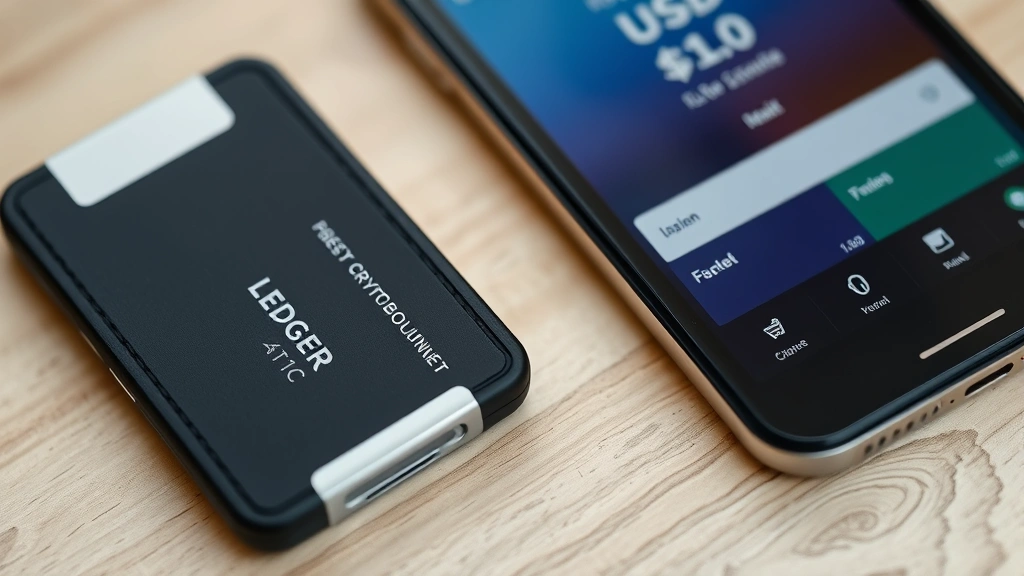
Custody arrangements matter significantly. If you hold bitcoin in a self-custody wallet (hardware wallet like Ledger or Trezor), you maintain complete control but bear full responsibility for security. If you hold bitcoin on an exchange, the exchange bears some security responsibility but maintains custody. For large conversions, some investors transfer bitcoin to exchange cold storage (offline vaults) before conversion to reduce online security risks.
Consider consulting with a financial advisor, tax professional, or attorney before converting 200 bitcoin. These professionals can help structure the conversion for tax efficiency, security, and legal compliance. The cost of professional guidance typically represents a tiny fraction of your total asset value but could save significantly through optimized outcomes.
FAQ
What is 200 bitcoin worth in USD right now?
Bitcoin’s price changes constantly throughout each day. To find the current value, multiply 200 by the current bitcoin price on major exchanges like CoinMarketCap or blockchain explorers. At $42,500 per BTC, 200 bitcoin equals approximately $8.5 million, but this changes with market price fluctuations.
How long does it take to convert 200 bitcoin to USD?
The conversion process itself (selling bitcoin for USD on an exchange) typically completes within minutes. However, withdrawing USD from the exchange to your bank account takes longer: ACH transfers require 3-5 business days, while wire transfers usually complete within 24 hours. Total time from initiation to USD in your bank account ranges from 1-5 business days depending on your withdrawal method.
What fees will I pay converting 200 bitcoin to USD?
Fees depend on your chosen exchange and trading volume. Exchange trading fees typically range from 0.1% to 2%. Withdrawal fees usually cost $10-50. On an $8.5 million conversion, 0.5% in trading fees equals $42,500. Choosing institutional exchanges with volume discounts can significantly reduce total fees.
Should I convert all 200 bitcoin at once or gradually?
This depends on your market outlook and risk tolerance. Lump-sum conversions provide certainty but expose you to market impact from your large order. Gradual conversion reduces market impact and extends timing risk. Dollar-cost averaging offers a middle ground. Consider consulting a financial advisor about the approach that aligns with your specific circumstances.
What are the tax implications of converting 200 bitcoin?
Converting bitcoin triggers capital gains taxes on your profit (sale price minus acquisition cost). Long-term holdings (over one year) receive preferential tax rates (typically 15-20% federal), while short-term holdings are taxed as ordinary income (up to 37% federal). State taxes apply in most states. Consult a tax professional to optimize your specific situation.
Which exchange should I use for converting 200 bitcoin?
Major exchanges like Coinbase, Kraken, and Bitstamp offer institutional-grade security and liquidity suitable for large conversions. These platforms provide lower fees for high-volume traders and dedicated support for significant transactions. Consider comparing fee structures and security features before selecting your platform.
How do I secure my USD after converting 200 bitcoin?
Use a dedicated bank account for conversion proceeds, enable multi-factor authentication on your exchange account, verify withdrawal addresses carefully, and consider wire transfers over ACH for faster, more secure fund movement. Consult with financial and legal professionals about structuring the conversion safely and tax-efficiently.


