
Bitcoin’s Twitter Impact: Analyst Insights on Social Media Influence and Market Dynamics
The relationship between Bitcoin and Twitter has become increasingly significant in shaping market sentiment and price movements. As one of the most influential social media platforms in the crypto space, Twitter serves as a real-time hub where analysts, traders, and institutional players share insights, predictions, and breaking news about Bitcoin. This phenomenon, often referred to as “bitcoin hyper twitter,” demonstrates how social discourse can amplify market volatility and influence investment decisions across the cryptocurrency ecosystem.
In recent years, major announcements regarding Bitcoin have often originated from or been significantly amplified through Twitter conversations. From Elon Musk’s provocative tweets to institutional analyst threads breaking down Bitcoin technical analysis, the platform has become a critical information channel that moves markets within minutes. Understanding this dynamic is essential for anyone seeking to navigate the modern cryptocurrency landscape effectively.
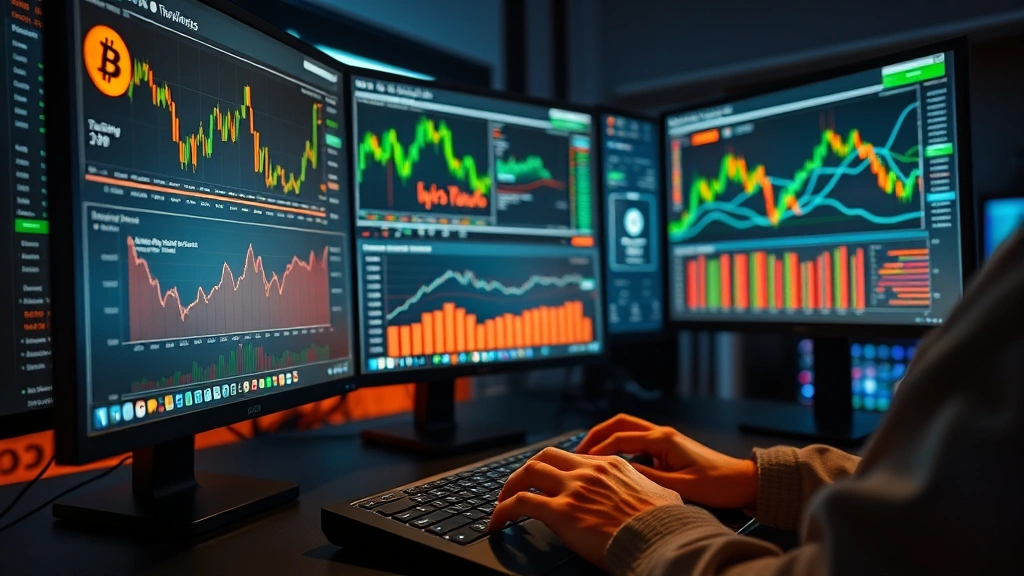
How Twitter Shapes Bitcoin Market Sentiment
Twitter’s role in shaping Bitcoin market sentiment cannot be overstated. The platform operates as a distributed information network where sentiment can shift dramatically within hours, creating cascading effects across trading markets. When prominent figures or analysts share bullish perspectives on Bitcoin’s future, their followers often translate these views into immediate buying pressure. Conversely, bearish commentary can trigger sell-offs that ripple through exchanges globally.
The mechanism is straightforward: a single influential tweet can reach millions of followers instantaneously, bypassing traditional media gatekeepers. This democratization of information has fundamentally altered how Bitcoin price discovery occurs. Retail traders monitoring Twitter feeds often react faster than institutions relying on traditional research channels, creating windows of opportunity and risk that didn’t exist in previous market cycles.
Research from various crypto analytics firms has documented correlations between Twitter sentiment metrics and Bitcoin price movements. Positive sentiment spikes frequently precede price increases by hours or days, while negative sentiment often signals sell pressure. This predictive quality makes Twitter monitoring essential for active traders and serious investors alike.

Influential Bitcoin Analysts and Their Twitter Impact
The Twitter ecosystem has produced several prominent Bitcoin analysts whose insights move markets significantly. These individuals have built substantial followings by consistently providing valuable technical analysis, on-chain data interpretation, and market commentary. Their tweets often generate thousands of retweets and replies, amplifying their influence exponentially.
Major institutional research firms and individual analysts regularly publish threads on Twitter that break down complex Bitcoin metrics. These threads often include detailed charts, historical comparisons, and forward-looking predictions that inform trading decisions for thousands of market participants. The credibility these analysts build through accurate predictions creates a feedback loop where their audience grows, their influence increases, and their tweets move markets more dramatically.
When analyzing Bitcoin’s market behavior, understanding the voices that shape narrative becomes crucial. Some analysts focus on Bitcoin indicators and chart patterns, while others emphasize Bitcoin ETF inflows and institutional adoption metrics. Each perspective contributes to the overall market understanding that Twitter participants collectively build.
Real-Time Price Movements Triggered by Social Media
The connection between Twitter activity and Bitcoin price movements has become empirically measurable. Trading firms now employ sentiment analysis algorithms that monitor Twitter feeds in real-time, using natural language processing to gauge market psychology. These algorithmic systems can identify emerging trends before they fully manifest in price action, creating advantages for sophisticated traders.
Notable examples abound where single tweets have caused Bitcoin price swings of hundreds or thousands of dollars. A cryptic tweet from a major industry figure can launch speculative frenzies, while clarifying statements can rapidly deflate inflated expectations. This volatility driven by social media commentary represents both opportunity and risk for market participants.
The speed at which information travels on Twitter means that price discovery increasingly happens in real-time on the platform before traditional exchanges fully reflect the sentiment shift. Traders who monitor Twitter closely often gain first-mover advantages, while those relying solely on price charts may find themselves behind the curve. This temporal advantage has made Twitter monitoring a standard practice among professional traders.
Institutional Players and Twitter Strategy
Institutional investors have increasingly recognized Twitter’s importance in the Bitcoin market ecosystem. Major hedge funds, asset managers, and cryptocurrency firms now maintain active Twitter presences, using the platform to communicate with markets, share research findings, and build their brands. This institutional adoption has elevated Twitter’s legitimacy as a financial information channel.
Large institutions now coordinate significant announcements through Twitter, recognizing that the platform provides immediate access to a concentrated audience of market participants. When major firms announce Bitcoin mining initiatives or substantial capital allocations to Bitcoin, Twitter becomes the primary distribution channel for this market-moving information.
Institutional players also use Twitter to test market reactions to potential announcements before committing to full-scale implementations. The platform serves as a real-time feedback mechanism, allowing institutions to gauge sentiment and adjust strategies accordingly. This sophisticated use of social media represents a significant evolution in how institutional capital approaches Bitcoin markets.
Risk Factors in Twitter-Driven Trading
While Twitter provides valuable information and insights, relying too heavily on social media for trading decisions carries substantial risks. The platform is susceptible to misinformation, coordinated manipulation, and outright fraud. Bad actors frequently impersonate legitimate analysts or spread false information designed to move prices in their favor.
Confirmation bias represents another significant risk. Traders may selectively follow accounts that align with their existing views, creating echo chambers that reinforce potentially incorrect perspectives. This psychological trap can lead to substantial losses when market reality diverges from the collective Twitter narrative.
Additionally, the visibility of prominent traders on Twitter can create herd behavior where large numbers of retail participants execute similar strategies simultaneously. This crowding can amplify volatility and create conditions where conventional technical analysis breaks down. Smart money often fades crowded trades, creating losses for those blindly following Twitter sentiment.
Regulatory risk also exists in Twitter-driven trading. Authorities are increasingly scrutinizing social media activity in financial markets, and what appears as legitimate market commentary may cross into securities law violations. Traders should remain aware that following certain advice or participating in coordinated trading based on social media could expose them to legal liability.
Measuring Social Sentiment for Trading Decisions
Professional traders and analysts have developed sophisticated methods for measuring Twitter sentiment quantitatively. By analyzing tweet volume, engagement metrics, and sentiment scoring algorithms, market participants can create data-driven views of prevailing market psychology. These metrics often provide leading indicators of price movements.
Sentiment analysis tools scan thousands of tweets in real-time, categorizing them as bullish, bearish, or neutral based on language patterns and context. Aggregating these individual assessments provides a sentiment index that sophisticated traders use alongside traditional technical analysis. When sentiment extremes develop, contrarian traders often position accordingly, anticipating mean reversion.
The relationship between social sentiment and Bitcoin price isn’t perfectly predictive, but statistically significant correlations exist across multiple time horizons. Combining Twitter sentiment analysis with traditional return calculation methods and on-chain metrics provides more robust trading frameworks than any single data source.
Advanced investors monitor sentiment trends across multiple timeframes, distinguishing between short-term noise and meaningful shifts in underlying market positioning. A single bearish tweet from a minor account carries minimal weight, while coordinated negative commentary from multiple respected analysts often signals genuine concern worth investigating.
The Future of Bitcoin and Social Media Integration
As Bitcoin matures and institutional adoption accelerates, the relationship between social media and market movements will likely evolve. Regulatory frameworks will probably impose greater restrictions on market-moving commentary, similar to regulations governing traditional financial advice. However, Twitter’s fundamental role as a real-time information hub seems unlikely to diminish.
Emerging technologies like decentralized social platforms built on blockchain technology may eventually supplement or replace Twitter for crypto-focused discussions. These platforms could offer greater transparency, resistance to censorship, and direct monetary incentives for valuable contributions. However, for the foreseeable future, Twitter remains the dominant platform for Bitcoin market discourse.
The maturation of sentiment analysis tools and artificial intelligence applications will likely increase the sophistication with which traders extract value from social media signals. Simultaneously, as more participants employ these tools, the informational advantage they provide may diminish. The evolutionary arms race between market participants and technology providers will continue driving innovation in how social media data is processed and monetized.
Understanding Bitcoin’s relationship with Twitter represents an essential component of modern market analysis. Whether you’re an active trader or long-term investor, awareness of how social media shapes market sentiment provides valuable context for decision-making in the cryptocurrency space.
FAQ
How quickly do Bitcoin prices react to major Twitter announcements?
Bitcoin typically responds to significant Twitter announcements within minutes to hours. Algorithmic traders monitoring social media feeds can execute positions before human traders even see the tweet, creating rapid price adjustments. The speed of response varies depending on the prominence of the account and the significance of the announcement.
Can Twitter sentiment alone predict Bitcoin price movements?
While Twitter sentiment shows statistical correlation with Bitcoin price movements, it cannot reliably predict prices in isolation. Sentiment works best as one component of a broader analytical framework that includes technical analysis, on-chain metrics, and macroeconomic factors. Over-relying on sentiment alone frequently leads to losses.
Is following Twitter analysts a reliable investment strategy?
Following respected analysts can provide valuable insights and perspectives, but should never be the sole basis for investment decisions. Even the most accurate analysts experience periods of poor performance, and past accuracy doesn’t guarantee future results. Always conduct independent research and maintain a healthy skepticism toward all market commentary.
How do institutional investors use Twitter differently than retail traders?
Institutions typically use Twitter for brand building and market communication rather than as a primary trading signal source. However, they monitor Twitter sentiment as one data point among many, and they sometimes use the platform to test market reactions before major announcements. Retail traders often place too much weight on individual tweets.
What are the best tools for monitoring Bitcoin Twitter sentiment?
Several platforms aggregate Twitter sentiment for cryptocurrency markets, including specialized crypto analytics services and general financial sentiment analysis tools. These tools use natural language processing to score tweets and track sentiment trends over time, providing quantitative data to supplement manual monitoring.
How does Twitter sentiment correlate with actual Bitcoin adoption and utility?
Twitter sentiment often diverges significantly from fundamental adoption metrics. Periods of extreme bullish sentiment may coincide with stagnant adoption rates, while genuine technological progress might go underappreciated on social media. Smart investors maintain perspective on fundamental developments while remaining aware of sentiment dynamics.


