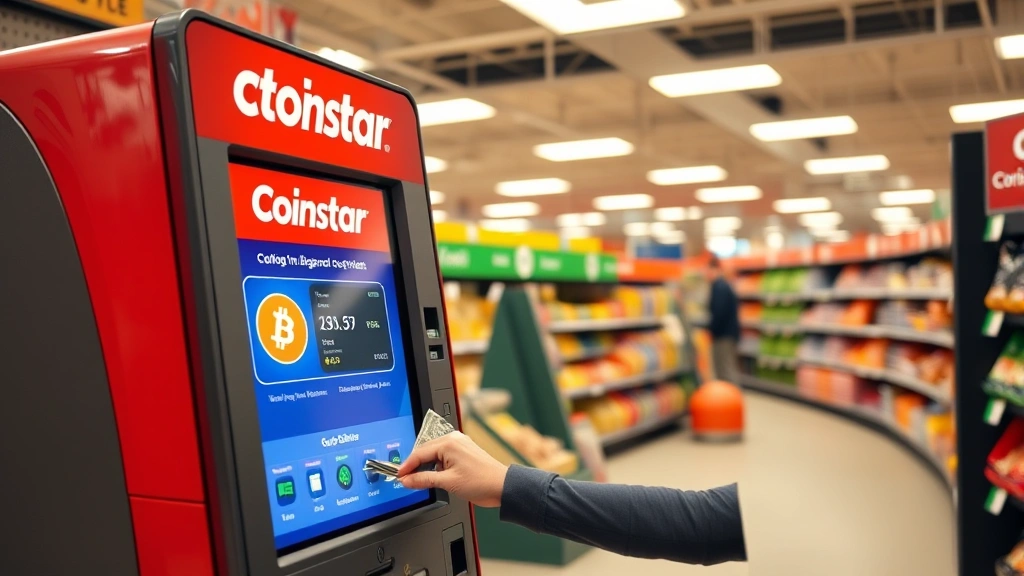
Coinstar Kiosk: Bitcoin ATM Revolution
The intersection of traditional retail infrastructure and cryptocurrency adoption has created an unexpected bridge for mainstream users seeking entry into digital assets. Coinstar, the ubiquitous coin-counting machine found in grocery stores across North America, has evolved beyond its original purpose of converting loose change into cash or gift cards. The integration of Bitcoin ATM functionality into Coinstar kiosks represents a pivotal moment in cryptocurrency accessibility, democratizing digital asset purchases for millions of consumers who previously lacked convenient on-ramps to the crypto economy.
This convergence of legacy financial infrastructure and emerging blockchain technology signals a fundamental shift in how cryptocurrencies are distributed and accessed. Rather than requiring users to navigate complex online exchanges or cryptocurrency platforms, Coinstar Bitcoin ATMs bring cryptocurrency purchasing power directly into familiar retail environments. The revolution isn’t just about convenience—it’s about breaking down psychological and logistical barriers that have historically separated mainstream consumers from digital asset ownership. Understanding how Coinstar kiosks function as Bitcoin ATMs, their advantages, limitations, and role in the broader cryptocurrency ecosystem is essential for anyone considering this pathway to crypto ownership.
How Coinstar Bitcoin ATMs Work
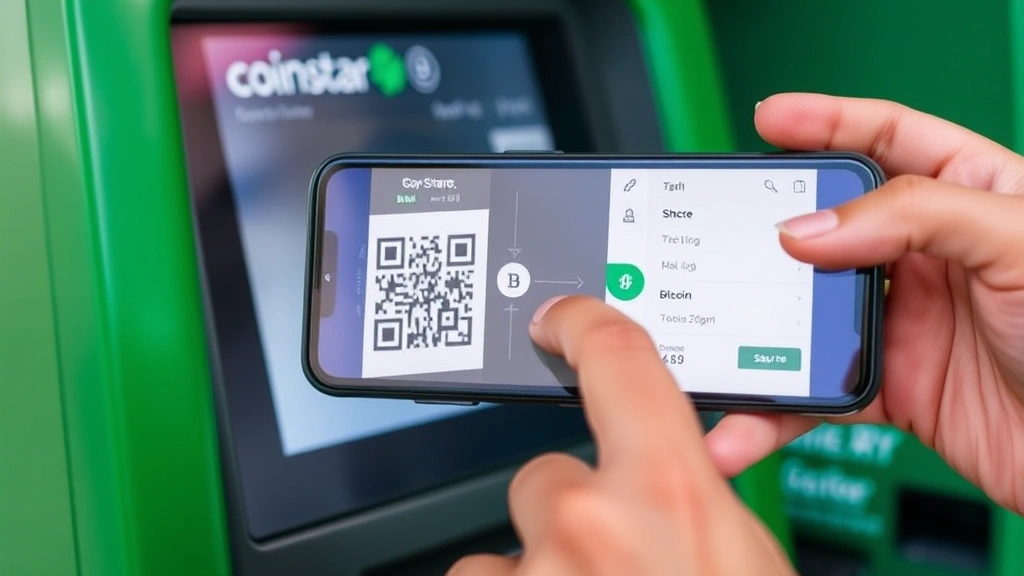
Coinstar kiosks that offer Bitcoin ATM functionality operate through a streamlined process designed for user simplicity. Users approach the machine, select the Bitcoin purchase option from the menu interface, and initiate a transaction by inserting cash—typically ranging from $20 to $2,500 per transaction, though limits vary by location and regulatory jurisdiction. The kiosk generates a QR code linked to a unique wallet address, which the user scans with their personal cryptocurrency wallet application on their smartphone.
Once the QR code is scanned and the transaction is confirmed, the Bitcoin is transferred to the user’s wallet within minutes to hours, depending on network conditions and blockchain confirmation times. The entire process requires minimal technical knowledge compared to traditional exchange platforms. Users don’t need to create accounts, verify their identity through lengthy KYC (Know Your Customer) procedures on the spot, or navigate complex trading interfaces. This plug-and-play approach has attracted millions of first-time cryptocurrency buyers who might otherwise find the learning curve intimidating.
The backend infrastructure supporting these kiosks involves partnerships between Coinstar and cryptocurrency service providers. These providers maintain the liquidity pools, handle blockchain transactions, and manage the regulatory compliance requirements necessary for operating Bitcoin ATMs across different jurisdictions. The kiosks communicate with these backend systems in real-time, ensuring accurate pricing based on current Bitcoin market rates and executing transactions with minimal delay.
For users already holding cryptocurrency or considering investment strategies, understanding the mechanics of various purchase methods is crucial. When developing your approach to dollar cost averaging, Coinstar kiosks can serve as a consistent entry point, particularly for those who prefer cash transactions and retail convenience.
Advantages of Coinstar Kiosk Purchases
Accessibility and Convenience represent the primary advantages driving Coinstar Bitcoin ATM adoption. With over 20,000 Coinstar kiosks distributed across North America, cryptocurrency purchasing has become geographically accessible to populations previously excluded from digital asset markets. Users can purchase Bitcoin during their regular grocery shopping trips without creating accounts, downloading specialized applications, or navigating confusing exchange platforms. This normalization of cryptocurrency purchasing within everyday retail environments has profound implications for mainstream adoption.
The cash-based transaction model provides privacy advantages for users concerned about banking surveillance or financial censorship. Unlike traditional exchanges requiring bank account connections or credit card information, Coinstar Bitcoin ATMs accept physical currency, leaving minimal financial footprints. This appeals to privacy-conscious individuals and those in regions with unstable banking systems seeking alternative stores of value.
Speed of execution surpasses many traditional exchange methods. While online platforms require account verification, funding periods, and processing delays, Coinstar transactions complete within minutes. Users can convert physical currency to digital assets and immediately transfer them to personal wallets without intermediary holding periods. This rapid execution appeals to time-sensitive investors and those seeking to capitalize on market movements.
User experience design prioritizes simplicity over complexity. The interface requires no trading knowledge, chart analysis, or technical jargon. This democratization extends cryptocurrency access to demographics traditionally underrepresented in crypto adoption—elderly populations, rural communities, and individuals with limited technological proficiency. The kiosks eliminate friction points that discourage mainstream adoption, making cryptocurrency as accessible as purchasing a gift card.
No account requirements mean users maintain complete autonomy over their assets. Unlike exchange platforms where users must trust third parties with their cryptocurrency, Coinstar Bitcoin ATMs transfer assets directly to personal wallets under user control. This aligns with cryptocurrency’s foundational principle of self-custody and reduces counterparty risk.
Fees and Cost Considerations
Transparency regarding costs is essential for evaluating Coinstar Bitcoin ATM value. The fee structure typically includes multiple components: the spread (difference between purchase price and market rate), transaction fees, and network fees. Combined, these can range from 7% to 15% of transaction value, though exact percentages vary by location, transaction size, and current market conditions.
The spread represents Coinstar’s primary revenue mechanism. The kiosk displays a Bitcoin price that exceeds the real-time market rate, with the difference flowing to the service provider and Coinstar. While this spread appears substantial compared to exchange fees (typically 0.1% to 0.5%), it reflects the convenience premium—the cost of accessing cryptocurrency through familiar retail channels without account verification or complex procedures.
Transaction limits vary geographically and can impact cost-effectiveness for larger purchases. Some locations cap transactions at $500, requiring multiple purchases for substantial investments. Each transaction incurs separate fees, so purchasing $2,000 worth of Bitcoin through four $500 transactions costs more than a single $2,000 purchase on an exchange. Strategic planning around transaction limits becomes important for cost optimization.
Comparison with alternatives reveals when Coinstar kiosks offer genuine value. For first-time buyers prioritizing convenience over cost minimization, the premium proves justifiable. For experienced investors making routine purchases, the fees discourage Coinstar usage. When evaluating whether to buy Bitcoin now through Coinstar versus other channels, transaction size and frequency should guide methodology selection.
The psychological value of eliminating account creation, verification delays, and platform complexity sometimes justifies premium fees. For users who might otherwise delay or abandon cryptocurrency purchases due to technical barriers, Coinstar’s convenience can be worth the additional cost. However, experienced investors implementing Bitcoin forecasts into their strategies typically route significant capital through lower-fee exchanges.
Security and Regulatory Landscape
Security considerations span multiple dimensions when using Coinstar Bitcoin ATMs. Transaction security relies on blockchain technology’s cryptographic foundations. Once Bitcoin is transferred to a user’s personal wallet, it’s secured by private key cryptography. However, security depends entirely on users protecting their private keys and recovery phrases. Coinstar kiosks don’t hold user assets, eliminating exchange hacking risks but transferring security responsibility to individual users.
Identity verification requirements vary by jurisdiction and transaction size. In the United States, FinCEN regulations require enhanced due diligence for transactions exceeding $3,000. Some Coinstar locations implement SMS verification, ID scanning, or facial recognition to comply with anti-money laundering (AML) requirements. These measures add friction but provide regulatory legitimacy and reduce operational risk.
The regulatory environment governing Bitcoin ATMs remains fragmented and evolving. Different states impose varying requirements on operators, ranging from money transmitter licenses to transaction reporting obligations. CoinDesk’s regulatory coverage provides current information on jurisdiction-specific requirements. Coinstar maintains compliance frameworks across its operating regions, though regulatory changes can affect service availability or functionality.
Custodial risks during transaction execution deserve consideration. Between inserting cash and Bitcoin arriving in a user’s wallet, assets exist in a transitional state. While Coinstar’s backend infrastructure is designed to minimize this window, technical failures or network issues could theoretically create delays. The company’s insurance and regulatory standing provide protection against catastrophic scenarios, though individual users should verify coverage details.
Wallet security practices become critical post-purchase. Users must secure their cryptocurrency wallets with strong passwords, hardware security, and backup recovery phrases. Coinstar’s responsibility ends once Bitcoin transfers to the user’s wallet; subsequent security falls entirely to individual users. Many first-time buyers underestimate wallet security importance, creating vulnerability despite Coinstar’s secure transaction process.
Comparing Purchase Methods
Evaluating Coinstar Bitcoin ATMs against alternative acquisition methods requires analyzing multiple variables. Centralized exchanges
Decentralized exchanges (Uniswap, 1inch) enable peer-to-peer trading without intermediaries but require cryptocurrency holdings for transactions. These platforms don’t serve new entrants seeking initial Bitcoin acquisition through fiat currency.
Peer-to-peer transactions eliminate middlemen but introduce counterparty risk and security concerns. Meeting strangers to exchange cash for Bitcoin creates personal safety and fraud vulnerabilities absent in institutional platforms.
Mining operations represent the original Bitcoin acquisition method but require significant technical knowledge and equipment investment. Modern ASIC mining profitability depends heavily on electricity costs and hardware efficiency. For understanding mining’s role in Bitcoin’s economic model, examining Bitcoin miner profitability provides essential context.
Payment processors (Cash App, PayPal) offer low friction but limited control and additional fees. These platforms serve casual investors but don’t provide genuine self-custody of assets.
The optimal choice depends on individual priorities. Cost-conscious, experienced investors favor exchanges. Casual buyers prioritizing convenience accept Coinstar’s premium. Privacy-focused individuals might use Bitcoin ATMs despite higher fees. Your decision should align with your investment timeline, frequency, and sophistication level.
When implementing technical analysis into purchase timing, reviewing best indicators for Bitcoin charts helps identify optimal entry points, potentially offsetting Coinstar’s higher fees through better timing precision.
Future of Retail Crypto Access
The trajectory of Coinstar Bitcoin ATMs reflects broader trends in cryptocurrency mainstream adoption. Expansion potential remains substantial, particularly in underbanked regions where Coinstar’s retail distribution provides unique advantages. As regulatory frameworks stabilize and consumer comfort with cryptocurrency increases, additional retailers may integrate similar functionality into existing kiosks.
Technology improvements will likely enhance user experience further. Biometric authentication, real-time price optimization, and multi-cryptocurrency support could reduce friction while maintaining security. Integration with mobile wallets and payment systems may create seamless on-ramps between traditional and digital finance.
Competition dynamics are intensifying as financial institutions recognize cryptocurrency’s legitimacy. Traditional banks, payment networks, and fintech companies are developing their own retail Bitcoin purchasing mechanisms. This competition should drive down fees, improve user experience, and expand accessibility—benefiting consumers regardless of platform choice.
Regulatory evolution will shape Coinstar’s operational flexibility. Enhanced compliance requirements could increase costs and reduce transaction limits, while regulatory clarity might enable expansion. The relationship between AML obligations and consumer privacy will remain contentious, influencing how platforms balance these competing interests.
Market maturation will determine whether Coinstar Bitcoin ATMs remain primarily entry-point services or evolve into routine purchasing channels for experienced investors. As cryptocurrency becomes mainstream, the convenience premium commanding 7-15% fees may become unsustainable. Alternatively, Coinstar might maintain its niche by continuously improving user experience and expanding supported cryptocurrencies beyond Bitcoin.
Understanding these trajectory possibilities helps contextualize current Bitcoin forecasts and long-term investment strategies. Whether Coinstar kiosks become ubiquitous cryptocurrency entry points or remain niche services depends on regulatory decisions, competitive developments, and consumer preferences.
FAQ
Are Coinstar Bitcoin ATMs safe to use?
Coinstar Bitcoin ATMs employ industry-standard security protocols for transaction execution. Once Bitcoin transfers to your personal wallet, security depends on your wallet practices. The kiosks themselves don’t hold your assets, eliminating exchange hacking risks. However, ensure you protect your private keys, use strong passwords, and back up recovery phrases. Coinstar’s regulated status and compliance frameworks provide additional assurance, though no financial system is completely risk-free.
What’s the maximum amount I can purchase at Coinstar Bitcoin ATMs?
Transaction limits vary by location and regulatory jurisdiction, typically ranging from $500 to $2,500 per transaction. Some locations allow multiple daily transactions, while others impose daily or weekly limits. AML regulations require enhanced verification for transactions exceeding $3,000. Check your local kiosk’s specific terms or contact Coinstar directly for precise limits in your area.
How long does it take to receive Bitcoin after a Coinstar transaction?
Bitcoin typically arrives in your wallet within minutes to a few hours. The timeline depends on blockchain network congestion, wallet confirmation requirements, and backend processing speed. During periods of high Bitcoin network activity, confirmations may take longer. Most transactions complete within 30 minutes to 2 hours under normal conditions.
Can I purchase cryptocurrencies other than Bitcoin at Coinstar kiosks?
Currently, Coinstar Bitcoin ATMs primarily support Bitcoin purchases. Some locations may offer limited altcoin support, but Bitcoin remains the primary offering. For diverse cryptocurrency portfolios, traditional exchanges provide broader selection. Check your local kiosk’s specific offerings, as capabilities vary by location and may expand over time.
Do I need an account or ID to use Coinstar Bitcoin ATMs?
Account requirements depend on transaction size and jurisdiction. Small transactions may proceed with minimal verification, while larger purchases typically require identity verification via SMS, ID scanning, or facial recognition. Unlike exchanges, you don’t create a persistent account; verification occurs per transaction. This reduces friction compared to traditional platforms while maintaining regulatory compliance.
How do Coinstar Bitcoin ATM fees compare to exchange fees?
Coinstar’s combined fees (spread plus transaction fees) typically range from 7-15%, significantly higher than exchange fees of 0.1-0.5%. However, this premium reflects convenience—eliminating account creation, verification delays, and technical complexity. For first-time buyers prioritizing accessibility, the premium may be justified. For routine investors, exchanges provide superior cost efficiency.
What happens if the transaction fails after I insert cash?
Coinstar’s backend systems are designed to prevent cash loss during failed transactions. If technical issues interrupt the process, cash is typically returned via the kiosk’s change mechanism or through customer service procedures. Verify your wallet hasn’t received Bitcoin before contacting support, as blockchain transactions are irreversible once confirmed.
Is my Bitcoin purchase taxable?
Yes, cryptocurrency purchases are generally taxable events in most jurisdictions. Coinstar may report transactions to tax authorities depending on regulatory requirements. Consult tax professionals regarding your specific situation, as tax treatment varies by country and depends on holding period and sale proceeds. Maintain transaction records for accurate tax reporting.


