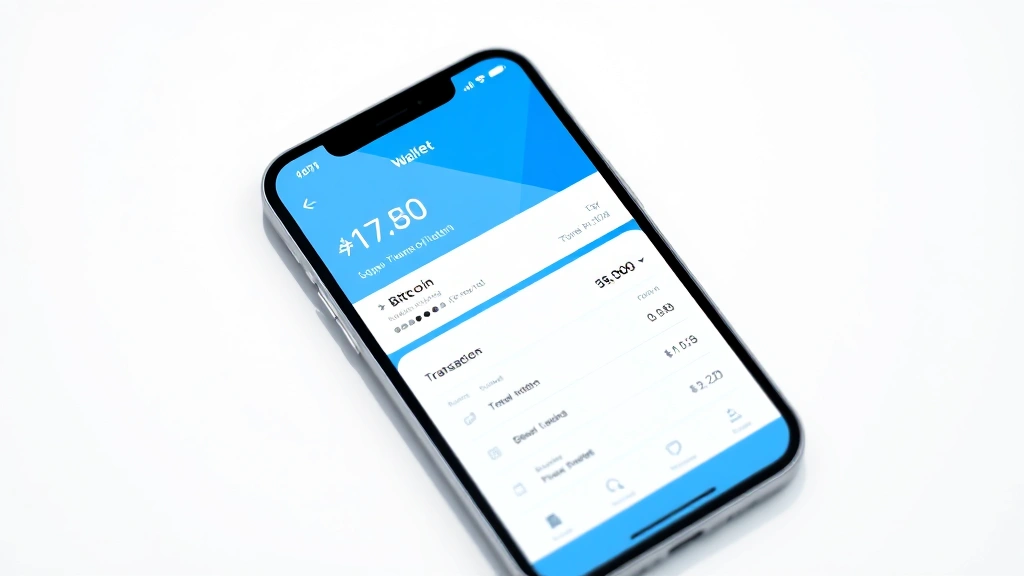
Cash App Bitcoin Fees Explained: Complete User Guide
Cash App has become one of the most accessible platforms for beginners looking to buy, sell, and hold Bitcoin. With its user-friendly interface and integration into Square’s financial ecosystem, millions of users have turned to Cash App for their cryptocurrency needs. However, understanding the fee structure is crucial for making informed investment decisions and maximizing your returns. This comprehensive guide breaks down everything you need to know about Cash App Bitcoin fees, helping you navigate the platform with confidence.
Whether you’re planning to make your first Bitcoin purchase or you’re an experienced trader looking to optimize your transaction costs, fee transparency matters. Cash App’s approach to pricing differs from traditional cryptocurrency exchanges, and understanding these differences can save you significant money over time. We’ll explore buying fees, selling fees, withdrawal costs, and strategies to minimize your expenses while using the platform.
Understanding Cash App Bitcoin Fees
Cash App’s fee structure for Bitcoin transactions operates differently than traditional cryptocurrency exchanges. The platform uses a spread-based pricing model rather than explicit transaction fees displayed separately. This means Cash App makes money by adjusting the buy and sell prices of Bitcoin slightly above and below the market rate, pocketing the difference. Understanding this model is essential for calculating your true costs.
The spread on Cash App typically ranges from 1% to 2% depending on market conditions and transaction size. During volatile market periods or when there’s high trading volume, spreads may increase slightly. This is different from exchanges like CoinDesk’s tracked exchanges, which charge fixed percentage fees or flat transaction fees. For small purchases under $100, the spread might feel relatively insignificant, but for larger transactions, it can represent substantial costs.
One advantage of Cash App’s approach is transparency in the final price. When you initiate a buy or sell order, you see exactly what you’ll pay or receive before confirming the transaction. There are no hidden fees added after the fact, and no surprise charges during checkout. This all-inclusive pricing model appeals to users who prefer simplicity over navigating complex fee schedules.
Cash App also charges fees for certain advanced features. For instance, if you want to transfer Bitcoin from your Cash App wallet to an external wallet address, you’ll encounter network fees. These fees vary based on Bitcoin network congestion and are necessary to incentivize miners to process your transaction. Understanding when to transfer and how network conditions affect these costs can help you time your transactions strategically.
Buying Bitcoin on Cash App
When you purchase Bitcoin through Cash App, the price you see already includes the platform’s spread. If the current market price of Bitcoin is $45,000, Cash App might display $45,900 as the buy price, representing roughly a 2% markup. This spread compensates Cash App for providing the service and managing liquidity. The exact spread varies, but users typically experience costs between 1-2% on purchases.
Cash App allows you to buy Bitcoin in several ways. You can use your linked bank account, debit card, or credit card (though credit card purchases may incur additional fees from your card issuer). The minimum purchase amount is typically $1, making it accessible for new investors who want to start small. The maximum varies based on your account verification level and history with the platform, ranging from $500 to several thousand dollars per week.
One critical consideration is the difference between market price and the price Cash App displays. The quoted price remains locked for a brief period, usually 30 seconds to one minute. If the market price moves significantly during this window, especially during high volatility, you might end up paying more or less than expected. During Bitcoin correction periods, price movements can be rapid, so executing purchases quickly is important.
The timing of your purchase also affects your effective cost. Buying during periods of lower volatility generally means tighter spreads and more predictable pricing. If you’re planning to diversify your asset allocation with Bitcoin, consider making purchases during relatively stable market conditions rather than during panic buying or selling phases.
Selling Bitcoin on Cash App
Selling Bitcoin on Cash App follows a similar spread-based model. When you initiate a sell order, Cash App displays the price they’ll pay for your Bitcoin, which is typically 1-2% below the market rate. If Bitcoin is trading at $45,000 on the open market, Cash App might offer $44,100, representing a 2% discount. This spread works in the opposite direction compared to buying, meaning you receive less than the market price.
The combination of buying and selling spreads creates a total cost for traders who frequently buy and sell. If you purchase at a 2% markup and sell at a 2% discount, your total transaction cost is approximately 4%. For a $1,000 investment, this means $40 in total fees across the buy and sell cycle. This is why understanding your trading frequency and strategy matters when evaluating whether Cash App is cost-effective for your needs.
Cash App processes sell orders relatively quickly, typically completing within minutes. The proceeds are deposited directly into your Cash App balance and can be transferred to your linked bank account. There are no additional fees for this bank transfer, though your bank might take 1-3 business days to complete the transfer depending on their processing times.
One advantage for long-term holders is that you only pay the spread when you actually sell. If you purchase Bitcoin and hold it for months or years without selling, you avoid the exit spread entirely. This makes Cash App particularly suitable for buy-and-hold investors who aren’t actively trading. Conversely, active traders should consider whether the cumulative spreads justify using Cash App or if a dedicated exchange with lower trading fees would be more economical.
Withdrawal and Network Fees
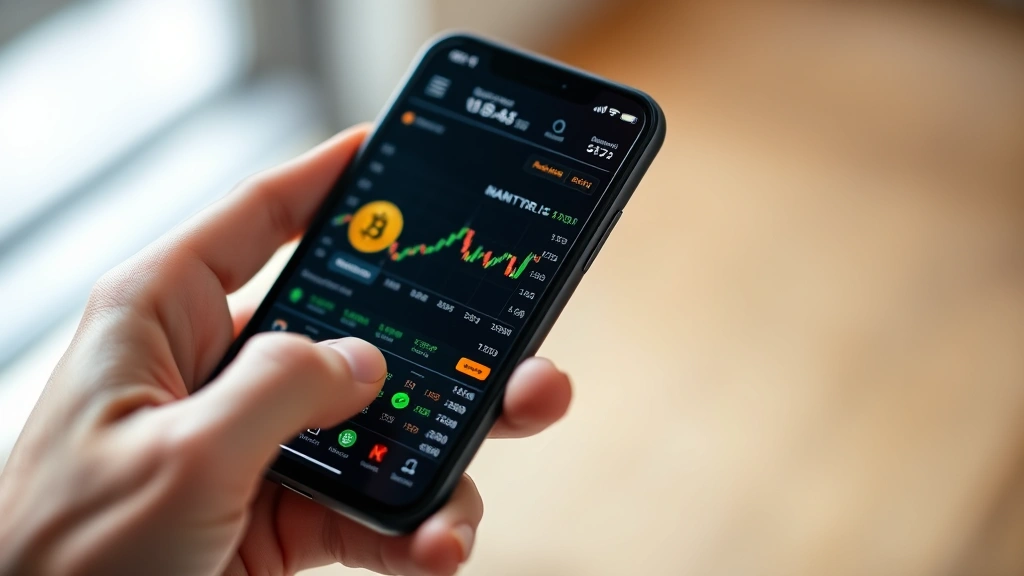
Understanding withdrawal fees is crucial for users who want to move Bitcoin from Cash App to external wallets. Cash App charges a network fee for Bitcoin withdrawals, which varies based on current Bitcoin blockchain congestion. When the network is busy, fees increase. When it’s quiet, you might pay as little as $0.50 to $1.00. During peak times, withdrawal fees can exceed $5 or even $10 depending on network conditions.
These network fees are not Cash App’s profit—they’re paid directly to Bitcoin miners who validate and process transactions on the blockchain. Cash App simply passes through these costs to users. You can check current Bitcoin network fees on Mempool.space, which displays real-time fee rates in satoshis per byte. Lower fees typically appear during off-peak hours, especially late at night or early morning in major markets.
Before withdrawing your Bitcoin, consider the size of your transaction. Withdrawing a small amount like $50 when network fees are $5 means you’re paying a 10% withdrawal cost—a significant expense. However, withdrawing $5,000 with the same $5 fee only costs 0.1%. This is why many experienced users accumulate Bitcoin on Cash App before making occasional large withdrawals rather than frequent small transfers.
Cash App also doesn’t allow you to adjust the network fee or choose a slower/faster processing speed like some other wallets. The platform handles fee calculation automatically. If you need more control over withdrawal costs and timing, you might prefer using a dedicated hardware wallet or exchange that allows custom fee settings. This becomes especially important if you’re managing substantial amounts of Bitcoin and want to optimize for mining profitability and network efficiency.
Cash App’s withdrawal minimum is typically very low—as little as $0.01 worth of Bitcoin. However, due to network fees, withdrawals of tiny amounts become economically inefficient. The platform might recommend accumulating a minimum balance before withdrawing, typically $50 or more, to make the transaction worthwhile relative to network costs.
Comparing Cash App to Other Platforms
When evaluating Cash App’s fees, it’s helpful to compare them against other popular Bitcoin purchase options. Traditional cryptocurrency exchanges like Coinbase, Kraken, and Gemini charge explicit trading fees, typically ranging from 0.1% to 1% depending on your trading volume and account tier. For casual buyers making infrequent purchases, these fees are often lower than Cash App’s 1-2% spread.
However, exchanges have different advantages and disadvantages. They typically offer more trading pairs, advanced features, and lower fees for frequent traders who achieve higher volume tiers. But they also require more complex account verification, have steeper learning curves, and sometimes charge fees for bank transfers or withdrawals. Cash App’s simplicity appeals to casual investors willing to pay slightly higher fees for ease of use.
Peer-to-peer platforms like LocalBitcoins and Bisq offer alternatives where you trade directly with other users. These platforms can have lower fees than Cash App, sometimes as low as 0.5%, but they require more effort, involve counterparty risk, and can be slower. For users prioritizing convenience and speed, Cash App remains competitive despite the higher spreads.
PayPal and Venmo also offer Bitcoin purchasing capabilities. PayPal’s fees are comparable to Cash App’s at around 1.5-2%, but PayPal restricts Bitcoin withdrawals to their own network in some cases. This limitation makes Cash App preferable for users who want full control over their Bitcoin and the ability to move it to external wallets. Understanding these trade-offs helps you choose the platform that best matches your investment goals and preferences.
For users focused on understanding broader market dynamics, resources like the Blockchain.com explorer provide insights into Bitcoin network activity and transaction patterns. Comparing fee structures across platforms becomes easier when you understand the underlying network costs and how different platforms structure their pricing models.
Cost Optimization Strategies
Minimizing your Cash App Bitcoin fees requires strategic planning and timing. The first strategy is to make less frequent but larger purchases rather than multiple small transactions. Instead of buying $50 of Bitcoin weekly, accumulate savings and make a $500 purchase monthly. This approach reduces the number of times you pay the spread, directly lowering your total costs over time.
Timing your purchases during low-volatility periods helps secure tighter spreads. During calm market conditions, Cash App’s spread typically stays at the lower end of the 1-2% range. Conversely, during market panic or extreme volatility, spreads widen as liquidity becomes scarce and risk increases. Patience can literally save you money—waiting for calmer market conditions before making large purchases is a sound strategy.
For long-term investors, the buy-and-hold approach naturally minimizes fees. You only pay the buying spread once when you purchase, then hold indefinitely without additional costs. This contrasts sharply with active traders who incur both buying and selling spreads on every trade. If you’re not planning to sell for years, the initial spread matters far less than the quality of your investment decision.
Accumulating Bitcoin on Cash App before withdrawing to an external wallet is another cost-saving strategy. Instead of withdrawing frequently and paying network fees each time, accumulate a meaningful amount and make occasional larger withdrawals. This dramatically reduces your per-Bitcoin withdrawal cost percentage. Someone withdrawing $100 monthly pays fees 12 times yearly, while someone withdrawing $1,200 annually pays fees just once.
Understanding Bitcoin liquidation patterns and market cycles can inform your purchasing strategy. Buying during market downturns when others are fearful, rather than buying during euphoric rallies, helps you accumulate more Bitcoin with the same capital. While this doesn’t directly reduce fees, it maximizes the value you receive for every dollar spent, including the fees you pay.

Security and Fee Protection
Cash App provides security features that protect your Bitcoin investment and transaction integrity. All Bitcoin held on Cash App is insured up to $250,000 through third-party coverage, protecting against platform failure or hacking. This security comes at no additional cost and is factored into the spreads you pay. Understanding this protection helps you evaluate whether the fees are justified by the security you receive.
Cash App uses industry-standard encryption and security protocols to protect your account and transactions. Two-factor authentication is available and recommended for all users. The platform complies with regulatory requirements and maintains security certifications. These security measures have value, and the fees you pay partially reflect the cost of maintaining these protections.
One important consideration is that Cash App doesn’t allow you to control your private keys directly. Your Bitcoin is held in custody by Cash App, meaning the platform controls the underlying keys. This is different from self-custody solutions where you control your own keys. Some investors prefer custodial solutions like Cash App for convenience and security, while others prefer self-custody for maximum control. Your preference affects whether the fees represent good value.
If you encounter issues with transactions or believe you’ve been charged incorrectly, Cash App’s customer support can investigate. The platform has dispute resolution processes, though response times can vary. Having documented transaction history and understanding the fee structure beforehand helps if you need to dispute charges.
For users concerned about fee transparency, Cash App provides clear information before you confirm any transaction. You see the exact amount of Bitcoin you’ll receive or the exact proceeds from a sale. This transparency, combined with the all-in-one pricing model, means no surprise fees appear later. This contrasts with some platforms where additional fees appear during checkout or settlement.
FAQ
What is the exact fee percentage on Cash App Bitcoin transactions?
Cash App uses a spread-based pricing model rather than fixed percentage fees. The spread typically ranges from 1% to 2% on both buys and sells, meaning your total round-trip cost for buying and selling is approximately 2-4%. The exact spread varies based on market conditions, trading volume, and Bitcoin network congestion at the time of your transaction.
Are there any hidden fees I should know about?
Cash App doesn’t charge hidden fees beyond the spread already factored into the displayed price. However, network fees apply when withdrawing Bitcoin to an external wallet, and these vary based on blockchain congestion. Your bank might also charge fees for transferring cash from your Cash App balance to your checking account, depending on your financial institution’s policies.
Can I reduce my Cash App Bitcoin fees?
Yes, several strategies help minimize fees. Make fewer but larger purchases to reduce the number of times you pay the spread. Buy during low-volatility periods when spreads are tighter. Hold Bitcoin long-term to avoid paying the selling spread. Accumulate Bitcoin before withdrawing to external wallets to reduce the per-Bitcoin withdrawal cost. These strategies don’t eliminate fees but help you pay less overall.
How do Cash App fees compare to other exchanges?
Cash App’s 1-2% spread is competitive with PayPal and Venmo but higher than dedicated exchanges like Coinbase, Kraken, or Gemini, which typically charge 0.1-1% in trading fees. However, exchanges require more complex account setup and offer features Cash App doesn’t provide. Cash App’s value proposition is simplicity and accessibility, which justifies the higher fees for casual investors.
Do I pay fees for holding Bitcoin on Cash App?
No, Cash App charges no holding fees or custody fees. You only pay the spread when you buy or sell, and network fees when you withdraw to an external wallet. Holding Bitcoin on Cash App indefinitely incurs no additional costs beyond the initial purchase spread.
What determines the withdrawal fee amount?
Withdrawal fees are Bitcoin network fees that vary based on blockchain congestion. During periods of high network activity, fees increase because more transactions compete for limited block space. During quiet periods, fees decrease. Cash App calculates and passes through these fees automatically without adding a markup. You can check current network fees on blockchain explorers to understand typical costs.
Is it cheaper to buy Bitcoin on Cash App or a crypto exchange?
For one-time casual purchases, Cash App’s fees are often competitive when you factor in the convenience and account setup time. For frequent traders or large volume investors, dedicated exchanges with lower percentage fees and volume discounts become more cost-effective. Calculate your specific usage pattern to determine which platform offers better value for your situation.
Can I negotiate or reduce my Cash App Bitcoin fees?
Cash App doesn’t offer tiered fee structures or volume discounts like some exchanges. The spread is fixed based on market conditions and applies equally to all users. You cannot negotiate fees directly, but you can minimize them through strategic timing, larger transaction sizes, and less frequent trading.


