Maximize Tarkov Bitcoin Farm: Pro Tips Inside
Escape from Tarkov’s bitcoin farming mechanic has become one of the most lucrative passive income streams in the game, attracting both casual and hardcore players seeking steady in-game currency without constant raids. Understanding how to optimize your bitcoin farm setup can mean the difference between a modest income and a substantial revenue generator that funds your entire gameplay experience. This comprehensive guide walks you through everything you need to know about maximizing your Tarkov bitcoin farm, from basic setup to advanced optimization strategies.
The bitcoin farm represents a unique intersection of resource management and long-term planning. Unlike traditional looting methods that require active gameplay, a well-configured bitcoin farm generates income while you sleep, work, or engage in other activities. Whether you’re a new player trying to establish your first farm or an experienced raider looking to scale your operation, this guide provides actionable insights backed by the community’s collective knowledge and real-world testing.
Understanding the Tarkov Bitcoin Farm Basics
The bitcoin farm is a hideout upgrade that generates cryptocurrency passively over time. Each graphics processing unit (GPU) installed in your farm accelerates Bitcoin generation, with production rates scaling based on the number and quality of GPUs you’ve installed. The fundamental mechanic is straightforward: invest in GPUs, wait for production cycles to complete, and collect your bitcoins.
What makes the bitcoin farm particularly interesting is its relationship to real-world cryptocurrency economics. While Tarkov’s implementation is simplified, it mirrors actual concepts like Bitcoin DCA strategies in that consistent, smaller investments over time can yield significant returns. The farm operates continuously, generating bitcoins whether you’re actively playing or not, making it a true passive income mechanism within the game economy.
The production rate depends on several factors: the number of GPUs installed, the specific type of GPU (certain models are more efficient), your hideout’s power supply capacity, and whether you have upgraded the bitcoin farm itself through progressive levels. Understanding these variables is crucial before you start investing resources into your farm setup.
GPU Requirements and Selection Strategy
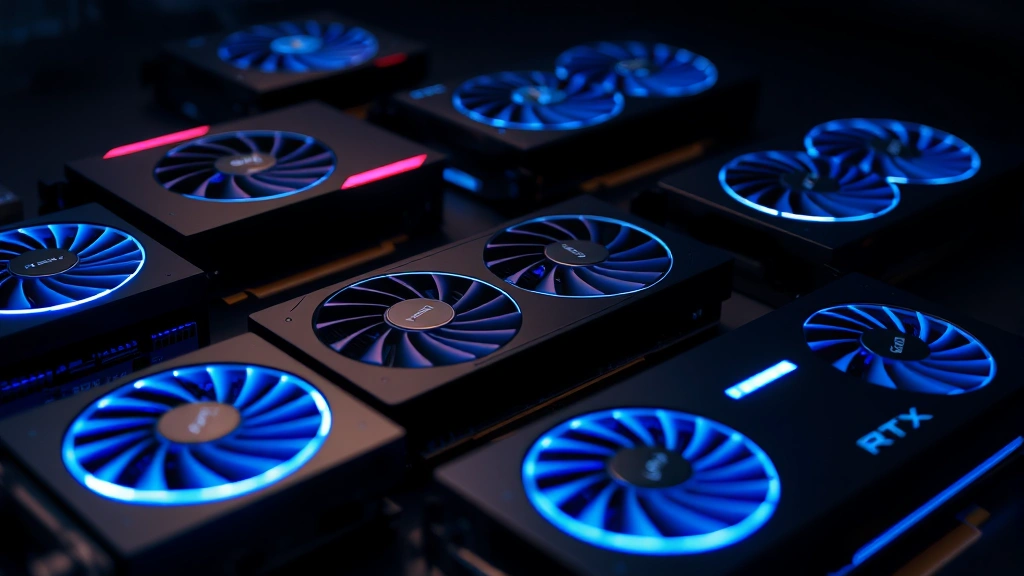
Selecting the right GPUs is perhaps the most critical decision in bitcoin farming efficiency. Not all GPUs are created equal in Tarkov’s economy. Some graphics cards generate bitcoins faster than others, and prices fluctuate based on market demand and availability through various loot locations.
The most efficient GPUs for bitcoin farming include RTX cards, GTX 1080 Ti models, and high-end AMD alternatives. However, efficiency isn’t just about raw production speed—it’s about return on investment. A GPU that costs 500,000 rubles but generates slightly more bitcoin than one costing 300,000 rubles might not be the optimal choice, depending on your current financial situation and timeline.
When evaluating GPU options, consider using a tarkov bitcoin farm calculator to compare theoretical returns. These tools allow you to input GPU costs, production rates, and timeline to determine which combinations yield the best ROI. Many community-created calculators factor in current market prices and production efficiency data, making them invaluable planning tools.
Budget considerations matter significantly. New players often benefit from starting with cheaper, less efficient GPUs to establish baseline production before investing in premium models. As your hideout generates more bitcoins, reinvesting profits into higher-tier GPUs creates a compounding growth effect that accelerates your farm’s maturation.
Calculating ROI with Bitcoin Farm Calculator Tools
Using a bitcoin farm calculator transforms abstract numbers into concrete projections. These tools typically require inputs like GPU cost, production time per bitcoin, number of GPUs, and current bitcoin prices. The output shows you exactly how long it takes to recoup your initial investment and when profitability truly begins.
Understanding ROI calculation is similar to analyzing investment concepts like investment fees and expenses—every ruble matters when calculating long-term profitability. A 50,000-ruble difference in GPU cost might seem minor, but across a farm with 25 GPUs, that’s 1.25 million rubles that could significantly extend your payback period.
Most calculators also factor in power consumption costs, though in Tarkov this is a relatively minor expense compared to real-world electricity prices. However, ignoring power costs entirely is a mistake—every bit of optimization contributes to overall efficiency. The best calculators allow scenario modeling, letting you compare different GPU combinations and farm sizes before committing resources.
Community-maintained spreadsheets and online calculators updated with current market data provide the most accurate projections. Websites like Tarkov.dev and community wikis maintain regularly updated information about GPU prices, production rates, and profitability metrics that feed into these calculation tools.
Optimal Hideout Layout and GPU Placement
Your hideout’s physical layout impacts farming efficiency more than many players realize. The bitcoin farm occupies specific space in your hideout, and upgrading it to higher levels increases both the number of GPUs you can install and the production efficiency of each GPU. Progressive hideout upgrades should factor into your long-term farming strategy.
GPU placement within the farm itself follows a logical progression. Start with the most efficient positions and gradually fill remaining slots as your budget allows. Some players advocate for filling all available slots with cheaper GPUs early, then upgrading to premium models later—a strategy that maximizes total production while managing cash flow.
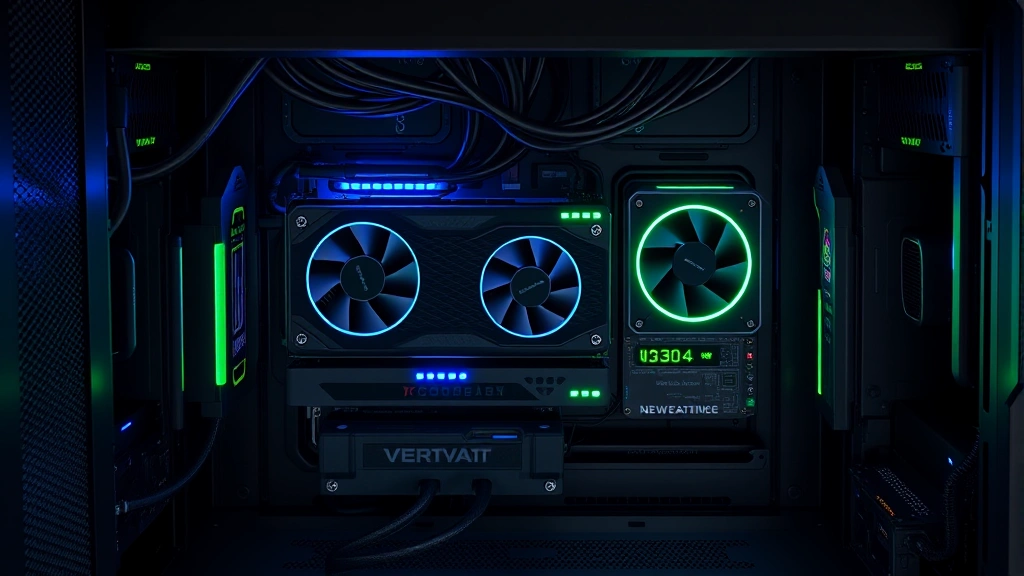
Power supply infrastructure deserves special attention. Your hideout’s power system has capacity limits, and the bitcoin farm consumes significant power. Upgrading your power supply might seem like a peripheral investment, but it directly enables expanded GPU capacity. Planning your power infrastructure alongside your GPU expansion prevents situations where you’ve purchased GPUs but can’t operate them simultaneously.
Temperature management, while less critical than in real-world GPU farming, still factors into hideout optimization. Proper ventilation and cooling systems maintain hideout functionality and support sustained farming operations without unexpected downtime.
Power Management and Cost Optimization
Tarkov’s power system creates interesting optimization challenges. Your hideout draws power from generators, and fuel costs represent your primary operational expense. Balancing GPU count against power consumption ensures you’re not burning through fuel faster than your bitcoins justify.
Efficient power management involves several layers. First, upgrade your power supply to handle maximum GPU capacity you plan to achieve. Second, optimize your other hideout systems to minimize unnecessary power draw. Third, calculate the fuel cost per bitcoin generated to ensure profitability isn’t eroded by power expenses.
The relationship between power costs and bitcoin production mirrors real investment considerations around market capitalization and valuation—understanding the fundamental economics ensures your operation remains sustainable. A farm that generates 1 bitcoin daily but consumes fuel worth 500,000 rubles is less profitable than a smaller farm generating 0.8 bitcoins with fuel costs of 200,000 rubles.
Advanced players optimize power consumption by scheduling farming operations around their gameplay patterns. If you primarily play during certain hours, adjusting your farm’s operation to align with your activity can maximize efficiency and reduce wasted power draw during inactive periods.
Advanced Farming Techniques
Once you’ve established a baseline farming operation, advanced techniques separate good farms from exceptional ones. These include strategic GPU upgrading, market timing, and coordinated hideout optimization.
Strategic GPU upgrading involves analyzing market trends and production efficiency curves. Sometimes waiting for GPU prices to drop before expanding is more profitable than immediate investment. Other times, market conditions favor rapid scaling before prices increase. This mirrors concepts in real cryptocurrency investing—timing and market awareness significantly impact returns.
Coordinated hideout optimization means planning all your upgrades holistically rather than in isolation. Upgrading your power supply, expanding the farm, and improving other hideout systems simultaneously creates synergies that maximize overall efficiency. A timeline showing which upgrades to prioritize prevents wasteful spending on premature expansions.
Market participation strategies involve selling bitcoins strategically. While immediate sale provides liquidity, holding bitcoins during market upswings within the game economy can yield better returns. This requires understanding Tarkov’s in-game market dynamics and price cycles, which experienced players leverage for maximum profitability.
Resource reinvestment discipline accelerates farm growth. Rather than spending all farm profits on gear and ammunition, consistently reinvesting a portion into GPU upgrades creates exponential growth. This compound growth effect is particularly powerful in the early and mid-game phases when farming is establishing its foundation.
Scaling Your Operation Efficiently
Scaling from a modest farm to an industrial-scale operation requires strategic planning. The transition from 5 GPUs to 25 GPUs isn’t simply a linear multiplication—it involves upgrading hideout infrastructure, managing significantly larger power requirements, and adjusting capital allocation strategies.
Early-game scaling focuses on achieving baseline profitability. A farm with 5-10 GPUs produces enough bitcoins to fund itself and gradually reinvest in growth. This phase typically lasts until you’ve recouped initial GPU investments and established consistent production.
Mid-game scaling accelerates growth once baseline profitability is established. With surplus bitcoins available for reinvestment, you can upgrade to premium GPUs, expand farm capacity, and improve supporting infrastructure. This phase is where many players see exponential returns as compounding growth takes effect.
Late-game scaling involves maximizing your hideout’s absolute capacity. This means upgrading the farm to its highest level, filling every available slot with the most efficient GPUs, and optimizing every supporting system. At this point, your farm generates enough bitcoins daily to support multiple raids with top-tier gear while still accumulating significant wealth.
Understanding your current phase helps determine appropriate investment strategies. Aggressive expansion that makes sense in mid-game might be wasteful in late-game, where marginal improvements offer diminishing returns. Conversely, conservative approaches in early-game might leave profitability gains on the table.
For long-term planning, consider how your farming operation relates to broader investment principles discussed in guides about protecting investments during a recession—even in a game context, diversifying your income sources and maintaining financial stability matters more than aggressive expansion.
Community resources and professional guides from experienced players provide invaluable scaling roadmaps. Many bitcoin professionals who understand real cryptocurrency economics apply those principles to optimizing Tarkov farming, creating exceptionally detailed guides based on mathematical analysis.
Networking with experienced farmers in your community accelerates learning. Discussing strategies, sharing calculator results, and learning from others’ mistakes prevents costly errors in your own operation. Many gaming communities maintain discord servers specifically for discussing farming optimization and market trends.
External resources like CoinDesk provide broader context about cryptocurrency economics that inform understanding of Tarkov’s farming mechanics. While Tarkov’s implementation is simplified, grasping real-world cryptocurrency principles deepens your appreciation for the game’s economic design.
FAQ
How many GPUs should I install in my bitcoin farm?
Start with 5-10 GPUs to establish baseline profitability, then scale based on your hideout’s power capacity and available capital. Maximum capacity depends on your hideout level—higher upgrades allow more GPUs and increased production efficiency. Use a bitcoin farm calculator to determine the optimal number for your specific situation.
What’s the fastest way to get bitcoins in Tarkov?
The bitcoin farm provides consistent passive income, but active farming through raids can generate faster returns initially. Combining both approaches—maintaining a productive farm while actively looting—maximizes total bitcoin accumulation. High-value loot from raids funds farm expansion, creating a virtuous cycle.
Should I sell bitcoins immediately or hold them?
This depends on Tarkov’s in-game market conditions and your current needs. If you need liquidity for gear and ammunition, sell immediately. If you’re building wealth, holding bitcoins and selling during market peaks yields better returns. Monitor market trends and adjust your strategy accordingly.
How much power does the bitcoin farm consume?
Power consumption scales with GPU count and type. Budget approximately 1,500-2,000 fuel per day for a moderately-sized farm (10-15 GPUs). Fuel costs vary based on current market prices, so calculate operational expenses regularly using current data.
Can I run the bitcoin farm alongside other hideout operations?
Absolutely. The bitcoin farm works independently from other hideout features like the scav case, intelligence center, or crafting stations. Optimize your power distribution to support all active operations simultaneously, upgrading your power infrastructure as needed.
What’s the best GPU for tarkov bitcoin farming?
RTX and high-end GTX models offer superior efficiency, but cost more upfront. Budget GPUs generate bitcoins slower but require less investment. The optimal choice depends on your current capital and timeline. Use calculators comparing different GPU combinations to determine the best fit for your situation.


