
Securing 200 bitcoins represents a significant digital asset that demands fortress-level security measures. Whether you’ve accumulated this substantial holding through mining, trading, or long-term investment, protecting it from theft, loss, and unauthorized access is paramount. With bitcoin’s value fluctuating but maintaining its position as the world’s leading cryptocurrency, a 200 BTC portfolio could represent millions of dollars in purchasing power. This comprehensive guide explores expert-backed strategies to safeguard your holdings against evolving threats in the crypto landscape.
The security of 200 bitcoins isn’t merely a technical concern—it’s a critical financial responsibility. Unlike traditional banking where institutional protections exist, cryptocurrency security places the burden squarely on the holder. One mistake, one compromised password, or one moment of negligence can result in permanent loss. Understanding the layered approach to bitcoin security, from hardware wallets to multisignature schemes, ensures your substantial holdings remain protected against both external attackers and internal vulnerabilities.
Understanding Bitcoin Security Fundamentals
Before implementing specific security measures, it’s essential to grasp the foundational concepts of bitcoin security. Bitcoin operates on public-key cryptography, where your private key—a 256-bit number—is the ultimate authority over your funds. Anyone with access to your private key can transfer your bitcoins permanently. This immutable characteristic means security isn’t optional; it’s existential to asset protection.
The security landscape for cryptocurrency differs fundamentally from traditional finance. Banks employ institutional safeguards, insurance mechanisms, and regulatory oversight. Bitcoin operates on a principle of self-custody, meaning you are your own bank. This autonomy comes with responsibility. Understanding the difference between why Bitcoin is valuable helps contextualize why its security is so critical—the value derives partly from its scarcity and immutability, which also means lost bitcoins are truly lost forever.
For 200 bitcoins specifically, the financial stakes justify investing in multiple layers of security. Consider that a single vulnerability could expose your entire holding. This isn’t paranoia; it’s proportional risk management. High-net-worth cryptocurrency holders consistently employ redundant security measures precisely because the attack surface is so large.
Hardware Wallets: The Gold Standard
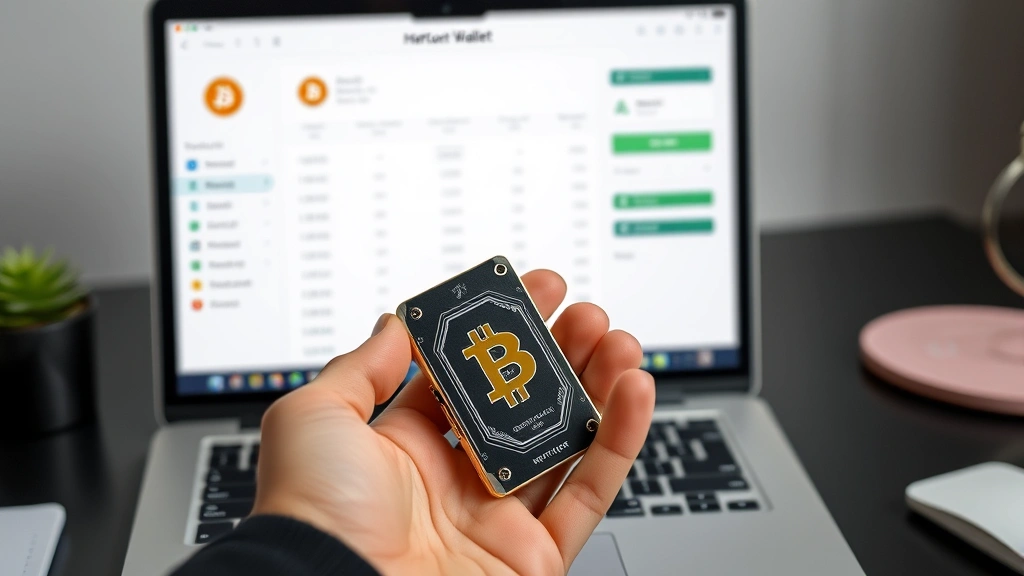
Hardware wallets represent the industry consensus for securing substantial bitcoin holdings. These physical devices generate and store private keys offline, creating an air-gapped environment where keys never touch internet-connected computers. For 200 bitcoins, a hardware wallet isn’t optional—it’s foundational.
Leading hardware wallet manufacturers include Ledger, Trezor, and Coldcard, each offering different security philosophies. Ledger devices use secure enclaves that process transactions without exposing private keys. Trezor emphasizes open-source firmware and transparent security audits. Coldcard specializes in air-gapped operations and includes features like duress passwords and BIP39 passphrases. For 200 bitcoins, many security experts recommend using multiple hardware wallets from different manufacturers as a diversification strategy.
When selecting a hardware wallet, evaluate several factors: open-source verification capabilities, community reputation, manufacturer longevity, and update frequency. A 200 BTC holding justifies purchasing multiple premium devices—perhaps a Ledger as primary storage and a Trezor as backup. This redundancy ensures that if one device malfunctions or becomes compromised, your bitcoins remain accessible through alternative means.
Hardware wallets protect against several attack vectors: malware on your computer can’t access private keys stored on the device, supply chain attacks are mitigated through verification processes, and physical attacks require sophisticated equipment to extract keys. However, hardware wallets aren’t invulnerable. Device firmware could theoretically be compromised, manufacturing defects could exist, or the company could be acquired by hostile entities. This is why hardware wallets form the foundation of a multi-layered approach rather than a complete solution.
Setup procedures matter significantly. When initializing a hardware wallet, ensure you use a clean, offline computer if possible. Never allow the device to connect to a computer with malware. Verify the device’s authenticity through the manufacturer’s official channels. Many security breaches stem not from hardware wallet vulnerabilities but from improper setup procedures or counterfeit devices purchased from unauthorized resellers.
Cold Storage and Air-Gapped Solutions
Cold storage extends beyond hardware wallets to encompass any system where private keys remain permanently offline. For 200 bitcoins, implementing true cold storage means your keys never touch internet-connected infrastructure. This approach provides maximum security at the cost of reduced convenience.
Air-gapped solutions involve creating transactions on an offline computer, transferring them via USB drives or QR codes to an online computer for broadcasting. This separation ensures private keys remain isolated even during transaction creation. Some holders implement this by maintaining a dedicated offline laptop that never connects to the internet, using it exclusively for bitcoin operations.
A sophisticated cold storage setup might involve: an offline computer running a minimal operating system, hardware wallets for key generation and signing, encrypted USB drives for backup storage, and a separate online computer for monitoring balances and constructing unsigned transactions. This setup prevents private keys from ever being exposed to online threats while maintaining functionality.
Paper wallets represent an extreme cold storage option—private keys printed on physical paper stored in secure locations. However, paper wallets present implementation risks: printing devices might have vulnerabilities, paper degrades over time, and the process of spending from paper wallets can expose keys if not executed carefully. For 200 bitcoins, paper wallets are generally less practical than hardware wallets combined with secure backup systems.
Geographic distribution of cold storage devices enhances security further. Storing all hardware wallets in a single location creates a single point of failure—a fire, theft, or natural disaster could compromise everything. Some high-net-worth holders maintain hardware wallets in multiple geographic locations, with backups stored in secure vaults or safety deposit boxes. This geographic redundancy ensures that no single catastrophic event can result in total loss.
Multisignature Wallets for Enhanced Protection
Multisignature (multisig) technology requires multiple private keys to authorize transactions, providing protection against both theft and accidental loss. A 2-of-3 multisig scheme, for example, requires two of three keys to approve any transaction. For 200 bitcoins, multisig wallets offer sophisticated security advantages that justify the additional complexity.
Multisig architecture works as follows: three private keys are generated and stored separately (perhaps on three different hardware wallets or in different geographic locations). To spend bitcoins, transactions must be signed by any two of the three keys. This means an attacker must compromise at least two separate security systems to steal funds, while you can lose one key and still access your bitcoins using the other two.
The configuration flexibility of multisig enables various security models. A 2-of-3 setup balances security with accessibility. A 3-of-5 setup provides even greater security—an attacker must compromise three separate systems, while you can lose two keys and still access funds. Some sophisticated holders implement 2-of-2 multisig where one key is held personally and another is held by a trusted third party or kept in a separate geographic location.
Multisig wallets also protect against coercion and duress. If an attacker threatens you to reveal your private key, you can provide one key from a multisig setup while withholding others. The attacker gains nothing without the additional keys. This security model has proven valuable in jurisdictions with aggressive asset seizure practices.
Implementation requires careful planning. Each key must be stored securely and independently. Key generation should occur on separate devices in separate locations. Recovery procedures must be documented—if you lose access to two keys in a 2-of-3 setup, your bitcoins become permanently inaccessible. Many security experts recommend hiring professional custodians or using institutional multisig services for 200 bitcoin holdings, where the complexity and value justify professional management.
Backup and Recovery Strategies
Backups represent the other side of the security equation: protecting against loss as well as theft. A 200 bitcoin holding with perfect security against theft but no recovery mechanism is equally vulnerable to accidental loss. Comprehensive backup strategies ensure you can recover your bitcoins even if all primary security systems fail.
BIP39 seed phrases—the 12 or 24 word recovery codes generated by hardware wallets—are the foundation of modern bitcoin backup systems. These phrases encode your private keys in human-readable format. If your hardware wallet fails, a new device initialized with the same seed phrase derives identical private keys and grants access to your bitcoins. However, seed phrases must be protected with the same security as private keys.
Seed phrase storage requires careful consideration. Writing phrases on paper and storing them in a safe is common but vulnerable to fire, water damage, and degradation. Some holders use metal seed storage devices—stainless steel plates where seed words are stamped or engraved. These withstand fire, water, and time far better than paper. For 200 bitcoins, investing in multiple metal seed storage devices distributed across geographic locations is prudent.
Never store seed phrases digitally on internet-connected devices. Even encrypted digital storage creates risks: if your computer is compromised, the encryption key might be stolen alongside the encrypted seed. The most secure approach involves multiple physical copies stored in separate locations—perhaps one in a home safe, one in a bank safety deposit box, and one with a trusted family member or attorney.
Documentation of recovery procedures is equally important. A detailed guide explaining how to recover your bitcoins using backup seed phrases, stored separately from the phrases themselves, ensures that designated heirs or recovery partners can access funds even if you’re incapacitated. This documentation should specify which hardware wallets to use, which seed phrase corresponds to which device, and step-by-step recovery procedures.
Testing recovery procedures periodically—without moving actual bitcoins—ensures your backups actually work. Many holders have discovered that their backup procedures were flawed only when they needed to use them. For 200 bitcoins, periodic testing is a small investment that could prevent catastrophic loss.
Operational Security Best Practices
Even the most sophisticated hardware wallet and multisig setup can be compromised by poor operational security (OpSec). For 200 bitcoins, daily security practices matter as much as infrastructure choices. OpSec encompasses how you interact with your security systems and the broader digital environment.
Device hygiene is fundamental. Any computer used to access bitcoin holdings should be dedicated to that purpose, updated regularly with security patches, and run reputable antivirus software. Many security experts recommend using a separate computer for bitcoin operations, never using it for browsing, email, or other activities. This compartmentalization limits the attack surface—malware from other activities can’t spread to your bitcoin systems.
Password management requires attention even with hardware wallets. Hardware wallet PINs, passphrases, and passwords for exchange accounts should be unique, strong, and stored securely. A password manager like Bitwarden or 1Password, encrypted with a master password, provides secure centralized management. However, never store hardware wallet PINs or critical recovery information in password managers—these should be memorized or stored separately.
Two-factor authentication (2FA) should be enabled on all accounts related to your bitcoin holdings—exchange accounts, email accounts, and any services providing custody or monitoring. However, understand that 2FA via SMS is vulnerable to SIM swapping attacks. For high-value holdings, use hardware security keys (like Yubikeys) or authenticator apps (like Google Authenticator) rather than SMS-based 2FA.
Phishing attacks represent a persistent threat. Attackers create fake websites mimicking legitimate services to steal credentials. For 200 bitcoins, always verify URLs carefully before entering credentials. Bookmark legitimate websites rather than clicking links from emails or search results. Consider using browser extensions that verify website authenticity.
Information security extends to how you discuss your holdings. Never mention that you hold 200 bitcoins publicly, on social media, or in casual conversation. This creates targets for physical theft, kidnapping, or targeted hacking. Maintaining operational security includes maintaining information security—limiting knowledge of your holdings to trusted individuals only.
Internet connectivity itself presents risks. Using public WiFi for bitcoin operations is dangerous; attackers can intercept unencrypted traffic. For any bitcoin-related activities, use a VPN or your home network exclusively. Some security-conscious holders maintain completely offline networks for their bitcoin operations, never connecting to the internet.
Insurance and Legal Considerations
Even with perfect security, unforeseen circumstances can threaten your bitcoins. Insurance and legal planning provide additional protection layers for 200 bitcoin holdings. Understanding the regulatory and insurance landscape helps protect your investment comprehensively.
Cryptocurrency insurance is an emerging field. Some insurance providers offer coverage for digital assets held in custody or self-custody arrangements. These policies typically cover theft, hacking, and employee dishonesty but rarely cover user error or lost private keys. For 200 bitcoins, exploring insurance options provides peace of mind and potential financial recovery if security is breached despite precautions.
Legal structures matter significantly. Holding 200 bitcoins in your personal name creates tax implications and potential legal vulnerability. Some holders use corporate structures, trusts, or other legal entities to hold cryptocurrency, providing privacy, liability protection, and succession planning benefits. Consulting with a cryptocurrency-knowledgeable attorney helps optimize the legal structure for your specific situation.
Estate planning is critical for substantial bitcoin holdings. If something happens to you, how will your heirs access your bitcoins? A will mentioning cryptocurrency holdings without providing recovery instructions leaves your family unable to claim their inheritance. Many security experts recommend creating a secure document—perhaps stored in a safety deposit box—that provides designated heirs with recovery instructions and seed phrases. Working with an estate planning attorney ensures this documentation complies with local laws.
Tax compliance requires attention. Securing bitcoins doesn’t eliminate tax obligations. Understanding your jurisdiction’s capital gains taxes, income taxes, and reporting requirements prevents legal problems later. For 200 bitcoins, maintaining detailed records of acquisition dates, costs, and any transactions helps fulfill tax obligations accurately.
Regulatory considerations vary by jurisdiction. Some countries restrict cryptocurrency holdings or require reporting. Ensuring compliance with local regulations prevents legal complications. This might involve reporting cryptocurrency holdings to tax authorities, maintaining records demonstrating the legitimate source of funds, or understanding restrictions on moving bitcoins across borders.
FAQ
What is the safest way to store 200 bitcoins?
A multi-layered approach combines hardware wallets (from multiple manufacturers) in a multisig configuration, with seed phrase backups stored geographically distributed in secure physical locations. This balances security against theft, loss, and catastrophic events. For 200 bitcoins, consider 2-of-3 or 3-of-5 multisig arrangements where keys are stored separately and independently.
Should I use a single hardware wallet or multiple devices?
Multiple hardware wallets from different manufacturers provide redundancy and protection against device-specific vulnerabilities. Using a 2-of-3 multisig with three different hardware wallets means an attacker must compromise all three separately to steal funds, while you can lose one device and still access your bitcoins. This is considered best practice for 200 bitcoin holdings.
How often should I test my recovery procedures?
Test recovery procedures at least annually, or whenever you make significant changes to your security setup. Testing ensures your seed phrases and backup procedures actually work before you desperately need them. Never move actual bitcoins during testing—use a small test amount to verify the process works.
Is it safe to keep bitcoins on exchanges?
Exchanges provide convenience but centralize custody risk. For 200 bitcoins, keeping them on exchanges exposes you to exchange hacking, regulatory seizure, or company insolvency. Exchanges are appropriate only for active trading of smaller amounts. Long-term holdings of 200 bitcoins should be in self-custody using the security methods described in this guide.
What happens if I lose all my private keys and seed phrases?
If you lose all private keys and seed phrases with no backups, your bitcoins are permanently inaccessible. This is why backup procedures are critical. Even one seed phrase stored securely allows complete recovery of your holdings. This is why geographic distribution of backups is essential—a single disaster shouldn’t destroy all your recovery options.
How do I explain my security setup to my heirs?
Create a detailed document explaining your security infrastructure, how to access backups, how to use hardware wallets, and step-by-step recovery procedures. Store this document securely—perhaps in a safety deposit box or with a trusted attorney. Consider video tutorials explaining the recovery process. Work with an estate planning attorney to ensure legal documentation properly addresses cryptocurrency inheritance.
Should I tell anyone about my 200 bitcoin holding?
Limit knowledge of your holdings to people with a legitimate need to know—perhaps a spouse, attorney, or financial advisor. Publicly discussing substantial cryptocurrency holdings creates targets for theft, kidnapping, or hacking. Operational security includes information security—keeping your holdings private protects you from both digital and physical threats.
What about using a custodian service for 200 bitcoins?
Professional custodians like Fidelity, Coinbase Custody, or Kraken Custody provide institutional-grade security and insurance for substantial holdings. These services shift security responsibility to professionals but introduce counterparty risk. Many high-net-worth holders use a hybrid approach: keeping a portion with custodians for convenience and insurance, while maintaining direct control of the remainder through self-custody.


