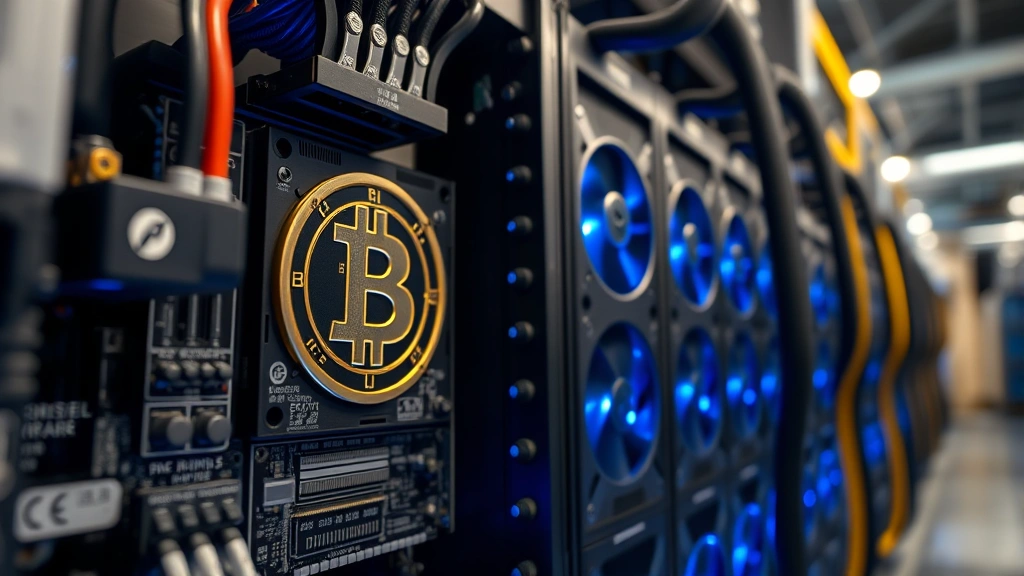
How to Mine Bitcoin: Step-by-Step Guide
Bitcoin mining is the process of validating transactions and securing the Bitcoin network while earning newly created bitcoins as rewards. Since Bitcoin’s inception in 2009, mining has evolved from a hobbyist activity run on personal computers to an industrial operation requiring specialized hardware and significant capital investment. Understanding how to mine Bitcoin is essential for anyone interested in cryptocurrency or looking to generate passive income through digital asset creation.
This comprehensive guide walks you through everything you need to know about Bitcoin mining, from the fundamental concepts to practical steps for getting started. Whether you’re considering solo mining, joining a mining pool, or evaluating the profitability of mining operations, this resource provides actionable insights and technical knowledge to help you make informed decisions in the competitive world of cryptocurrency mining.
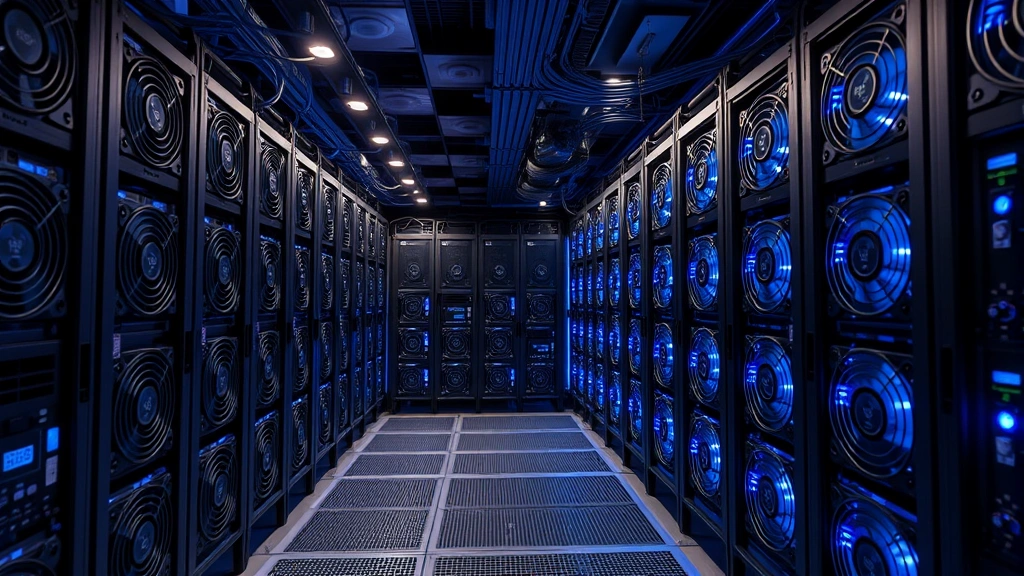
Understanding Bitcoin Mining Fundamentals
Bitcoin mining serves two critical functions within the blockchain ecosystem: it validates transactions and creates new bitcoins through a process called the Proof of Work consensus mechanism. Miners compete to solve complex mathematical puzzles, and the first to solve the puzzle gets to add a new block of transactions to the blockchain and receive a block reward in bitcoins.
The mining difficulty automatically adjusts every 2,016 blocks (approximately two weeks) to maintain a consistent block creation time of roughly 10 minutes. This self-adjusting mechanism ensures that as more miners join the network, the puzzles become harder, preventing the system from becoming too easy or too difficult. Currently, the block reward is 6.25 bitcoins per block, though this amount halves approximately every four years in an event called the “halving.”
Understanding the relationship between mining difficulty and network hash rate is crucial. The network hash rate represents the total computing power dedicated to mining, measured in hashes per second. As more miners participate or upgrade their equipment, the hash rate increases, triggering difficulty increases that make mining more computationally expensive. This creates a dynamic equilibrium where mining profitability depends on electricity costs, hardware efficiency, and Bitcoin’s market price.
When you get your Bitcoin address on Coinbase or another wallet, you’ll need this address to receive mining rewards. Mining rewards are automatically sent to your designated wallet address once your mining contribution is validated and confirmed by the network.
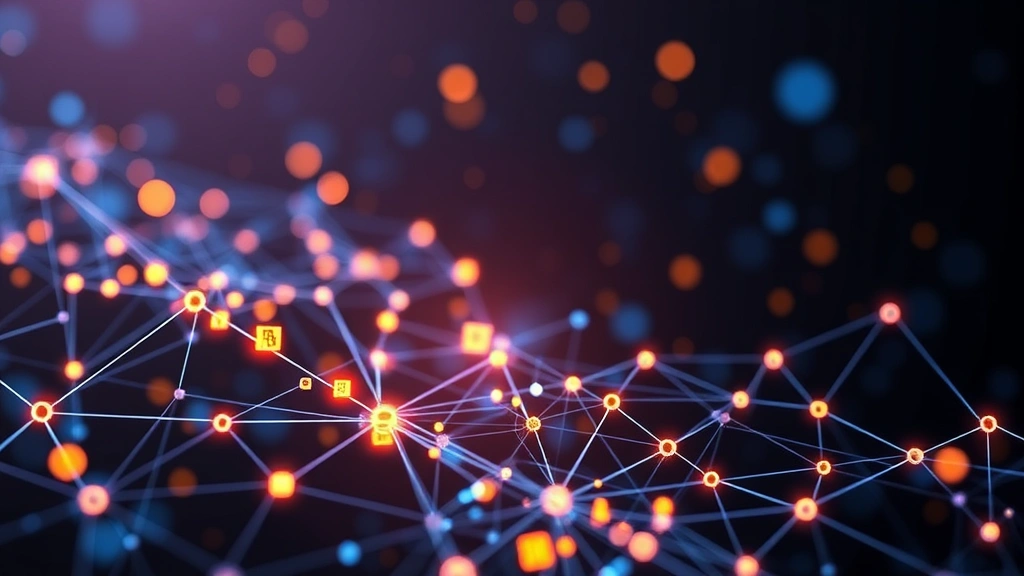
Mining Hardware Requirements
Modern Bitcoin mining exclusively uses Application-Specific Integrated Circuits (ASICs), which are specialized computers designed solely for mining. Unlike graphics processing units (GPUs) or central processing units (CPUs), ASICs cannot be repurposed for other tasks, making them highly efficient but also a significant financial commitment.
Popular ASIC Miners Include:
- Antminer S19 Pro: One of the most efficient miners with a hash rate of 110 TH/s and power consumption of 3,250W
- Whatsminer M30S++: Offers 112 TH/s hash rate with 3,472W power consumption
- Antminer S21 Pro: The latest generation with improved efficiency and higher hash rates
- Canaan Avalonminer 1246: A mid-range option suitable for smaller operations
When selecting hardware, consider the hash rate (computing power), power efficiency (watts per terahash), and operating temperature. More powerful miners generate more heat and require robust cooling solutions. The initial hardware investment typically ranges from $1,000 to $15,000 per ASIC miner, depending on the model and market conditions.
Beyond the ASIC itself, you’ll need reliable electrical infrastructure, proper ventilation or cooling systems, and network connectivity. Many miners operate in regions with cheap electricity, such as Iceland, El Salvador, or parts of Central Asia, to maximize profitability. Understanding your local electricity costs is essential before investing in mining hardware.
Choosing Between Solo and Pool Mining
Solo Mining means you mine independently, keeping all rewards but facing lower probability of successfully mining blocks. With current network difficulty, solo miners typically wait months or years before finding a valid block. This approach is only viable if you have substantial computing power or are willing to accept extremely long waits between rewards.
Pool Mining involves joining forces with other miners through a mining pool. The pool combines computational resources, dramatically increasing the probability of finding blocks. When the pool discovers a valid block, the reward is distributed among members based on their contributed hash rate. Major mining pools include Foundry USA, AntPool, and Stratum Mining Pool.
Pool mining offers several advantages: more consistent and predictable income, lower variance in rewards, and reduced technical requirements. The trade-off is paying pool fees (typically 1-4% of rewards) and having less control over mining parameters. For most individual miners, pool mining is the practical choice.
Understanding how many satoshis in a Bitcoin helps you track smaller mining rewards, as pool payouts are often expressed in satoshis (the smallest unit, equivalent to 0.00000001 BTC) before accumulating to full bitcoins.
Step-by-Step Mining Setup Process
Step 1: Prepare Your Workspace
Ensure you have adequate space with proper ventilation. ASIC miners generate significant heat and noise, so a dedicated room or outdoor setup is ideal. Install electrical infrastructure capable of handling the power draw—most modern miners require 220V circuits with 20-30 amp capacity. Consider ambient temperature, as miners operate optimally in cooler environments (below 35°C/95°F).
Step 2: Acquire Mining Hardware
Purchase your ASIC miner from reputable vendors like Bitmain, MicroBT, or authorized resellers. Verify authenticity and check warranty coverage. Factor in shipping costs and delivery times, which can significantly impact your timeline. Test hardware immediately upon arrival to ensure proper functionality.
Step 3: Set Up Your Bitcoin Wallet
You need a secure wallet to receive mining rewards. Check your Bitcoin wallet balance regularly to monitor accumulated rewards. Hardware wallets like Ledger or Trezor provide maximum security for long-term storage, while hot wallets offer convenience for frequent transactions.
Step 4: Choose a Mining Pool
Research mining pools and select one aligned with your preferences. Consider factors like pool fee structure, payout frequency, server uptime, and user interface. Register an account and configure your mining worker (a unique identifier for your mining device within the pool).
Step 5: Install Mining Software
Download and install mining software compatible with your hardware. Popular options include CGMiner, BFGMiner, and manufacturer-specific applications. Configure the software with your pool credentials and worker information. Test the connection to ensure proper communication with the mining pool.
Step 6: Configure and Launch Your Miner
Connect your ASIC miner to power and network. Access the miner’s web interface (typically through a local IP address) and configure mining settings. Input your pool’s server address, port number, and worker credentials. Adjust power settings and cooling parameters for optimal performance.
Step 7: Monitor Performance
Monitor hash rate, temperature, and power consumption through the miner’s interface and pool dashboard. Most pools provide real-time statistics showing your contribution and estimated earnings. Regular monitoring helps identify hardware issues early and optimize performance.
Profitability and Cost Analysis
Bitcoin mining profitability depends on several interrelated variables. The primary factors are hardware cost, electricity price, Bitcoin’s market value, and network difficulty. A mining profitability calculator helps estimate potential returns, but these projections assume constant conditions that rarely persist.
Key Cost Considerations:
- Hardware Cost: Initial investment in ASIC miners ($5,000-$15,000+ per unit)
- Electricity Cost: Ongoing operational expense, typically $0.05-$0.12 per kilowatt-hour depending on location
- Pool Fees: Usually 1-4% of mining rewards
- Maintenance and Replacement: Hardware degradation and eventual replacement costs
- Infrastructure: Cooling systems, electrical upgrades, and facility costs
The “break-even point” is when cumulative mining rewards equal total costs. For a $10,000 ASIC miner in a region with $0.08/kWh electricity, break-even might take 12-24 months under current conditions. However, Bitcoin price volatility can dramatically shift these calculations. A 50% price increase makes mining significantly more profitable, while a similar decline can make operations unprofitable.
Checking Bitcoin price in PKR or your local currency helps contextualize mining rewards in terms you understand. This local pricing perspective is crucial for assessing profitability in your specific region.
Mining Software and Tools
Mining software bridges your hardware and the mining pool, translating work assignments into computational tasks and submitting solutions. Different software options offer varying features, stability, and compatibility.
CGMiner is one of the oldest and most reliable mining applications, supporting virtually all ASIC hardware. It offers extensive customization through command-line interfaces but requires technical knowledge to configure properly.
BFGMiner is a fork of CGMiner with improved stability and additional monitoring features. It provides better error handling and recovery mechanisms, making it suitable for long-term mining operations.
Manufacturer-Specific Software like Antminer’s official firmware provides optimized performance and user-friendly interfaces. These applications are specifically tuned for their hardware and often include built-in monitoring dashboards.
Beyond mining software, utility tools help optimize operations. Mining calculators estimate profitability based on hardware specifications and electricity costs. Network monitoring tools track difficulty adjustments and hash rate trends. Temperature monitoring software prevents hardware overheating and damage.
Optimizing Your Mining Operation
Power Efficiency Optimization
Efficiency (measured in watts per terahash) directly impacts profitability. Newer ASIC generations offer better efficiency than older models. If you operate multiple miners, prioritize higher-efficiency hardware. Adjust power settings through your mining software to balance hash rate and power consumption based on your electricity costs.
Thermal Management
Excessive heat reduces hardware lifespan and performance. Implement proper cooling through ventilation systems, water cooling, or immersion cooling for large operations. Monitor temperatures continuously and reduce power settings if thermal thresholds are exceeded. Ambient temperature significantly influences cooling efficiency, making location selection critical for large-scale operations.
Pool Selection and Diversification
Different pools offer varying fee structures and payout frequencies. Some miners diversify across multiple pools to reduce variance and mitigate risk from any single pool’s downtime. Pool-hopping (frequently switching pools) can optimize rewards but increases administrative overhead.
Network Optimization
Stable internet connectivity is essential. Use wired ethernet connections instead of WiFi for reliability. Configure multiple pool servers as fallback options to minimize downtime if primary servers become unavailable. Low latency connections reduce stale shares (solutions submitted after new blocks are found).
Hardware Maintenance
Regular maintenance extends hardware lifespan. Clean air filters and cooling components to maintain thermal efficiency. Replace thermal paste periodically to improve heat transfer. Monitor for signs of hardware degradation like increasing error rates or unstable operation.
Common Challenges and Solutions
Challenge: Difficulty Increases Reducing Profitability
As network difficulty rises, mining becomes less profitable with existing hardware. Solution: Operate during periods of high Bitcoin prices to offset difficulty increases, or plan hardware upgrades to maintain competitive hash rates. Understanding Bitcoin golden cross bull run patterns can help time hardware investments during favorable market conditions.
Challenge: High Electricity Costs
In regions with expensive electricity, mining profitability rapidly diminishes. Solution: Relocate to regions with cheaper electricity (Iceland, El Salvador, parts of Texas), negotiate industrial electricity rates, or consider renewable energy sources like solar or wind power.
Challenge: Hardware Failures and Downtime
ASIC miners can fail unexpectedly, causing lost mining time. Solution: Maintain backup hardware, establish relationships with repair technicians, and purchase extended warranties. Implement redundancy in critical infrastructure like power supplies and network connections.
Challenge: Regulatory Uncertainty
Mining regulations vary by jurisdiction and continue evolving. Some regions have banned or restricted mining activities. Solution: Research local regulations before investing, maintain compliance with environmental and electrical codes, and stay informed about regulatory developments.
Challenge: Market Volatility Impact on Profitability
Bitcoin price fluctuations dramatically affect mining economics. A 30% price decline can render previously profitable operations unprofitable. Solution: Develop long-term perspectives, maintain financial reserves to weather downturns, and consider Bitcoin dominance may 2025 trends as indicators of market health and sustainability.
FAQ
Is Bitcoin Mining Still Profitable in 2025?
Bitcoin mining profitability depends on individual circumstances. With electricity costs below $0.07/kWh, modern ASIC hardware, and Bitcoin prices above $40,000, mining can be profitable. However, in regions with expensive electricity or with older hardware, mining may not generate positive returns. Use profitability calculators with your specific costs to assess viability.
What’s the Minimum Investment Required to Start Mining?
A single modern ASIC miner costs $5,000-$15,000, plus infrastructure costs for power and cooling. Some miners share equipment costs through mining pools or join “mining as a service” platforms that require smaller initial investments. However, true mining operations typically require minimum investments of $10,000-$50,000 to achieve meaningful returns.
How Long Does It Take to Recoup Mining Equipment Costs?
Break-even timelines vary dramatically based on hardware cost, electricity price, and Bitcoin’s market value. Under favorable conditions (cheap electricity, high Bitcoin price, efficient hardware), break-even might occur in 12-18 months. Under unfavorable conditions, it could take several years or never occur. Calculate break-even for your specific situation using profitability tools.
Should I Mine Solo or Join a Pool?
For most individual miners, pool mining is practical and recommended. Solo mining has extremely low probability of success unless you operate substantial hash power. Pool mining provides consistent, predictable rewards in exchange for modest fees (1-4%). Join a reputable pool with good uptime and transparent fee structures.
What Happens When Bitcoin Is Halved?
Bitcoin halving reduces block rewards by 50% (next halving reduces 6.25 BTC to 3.125 BTC). This directly reduces mining income unless Bitcoin’s price increases proportionally. Historically, Bitcoin price appreciation follows halving events, but this isn’t guaranteed. Plan for reduced rewards after halving events by improving efficiency or reducing operational costs.
Can I Mine Bitcoin on My Personal Computer?
Mining Bitcoin on CPUs or GPUs is no longer economically viable. ASIC miners are thousands of times more efficient, making consumer hardware unprofitable. Your electricity costs would exceed mining rewards. For hobbyist mining, consider alternative cryptocurrencies that remain GPU-mineable, though profitability is limited.
What Electricity Costs Make Mining Viable?
With modern ASIC hardware, electricity costs below $0.08/kWh generally support profitable mining. Between $0.08-$0.12/kWh, profitability depends on Bitcoin’s price and hardware efficiency. Above $0.12/kWh, mining is rarely profitable with current hardware. Research your local electricity rates and compare against these benchmarks.
How Do I Secure Mining Rewards?
Use hardware wallets (Ledger, Trezor) for maximum security of accumulated rewards. Never store significant amounts in exchange wallets or hot wallets. Enable two-factor authentication on all mining pool accounts. Regularly transfer rewards to secure cold storage. Maintain backups of wallet recovery seeds in secure locations.
What’s the Environmental Impact of Bitcoin Mining?
Bitcoin mining consumes substantial electricity, raising environmental concerns. However, the industry increasingly uses renewable energy sources. Some miners operate in regions with excess hydroelectric power or use solar and wind energy. The environmental impact depends on your energy source. Consider operating with renewable energy to minimize environmental footprint.
How Do Mining Pools Distribute Rewards?
Mining pools use various reward distribution methods. Pay-Per-Share (PPS) guarantees fixed payments regardless of pool’s luck. Proportional (Prop) rewards based on contributed shares during the round. Pay-Per-Last-N-Shares (PPLNS) considers contributions over an extended period. Different methods suit different preferences for payment consistency versus potential upside.


