
Master Day Trading Bitcoin: Pro Tips for Success
Day trading Bitcoin represents one of the most dynamic and potentially lucrative opportunities in the cryptocurrency market. Unlike long-term investing strategies, day trading requires active participation, sharp decision-making, and a deep understanding of market mechanics. Bitcoin’s 24/7 trading nature and high volatility create numerous opportunities for traders to capitalize on price movements within hours or even minutes. However, this potential for profit comes with equally significant risks that demand respect, preparation, and disciplined execution.
The cryptocurrency market operates differently from traditional stock exchanges. Bitcoin trades continuously across multiple global exchanges without closing times, meaning opportunities—and dangers—exist at any hour. Success in day trading Bitcoin isn’t about luck; it’s about developing systematic approaches, understanding technical analysis, managing risk effectively, and maintaining emotional discipline when markets move against your positions. This comprehensive guide will equip you with professional-grade strategies and insights to navigate Bitcoin day trading with confidence and competence.

Understanding Bitcoin Day Trading Fundamentals
Day trading Bitcoin involves opening and closing positions within a single trading day, sometimes multiple times per day. The objective is capturing small price movements that occur frequently in volatile markets. Unlike swing trading, which might hold positions for days or weeks, day traders exploit intraday volatility and specific price patterns that repeat regularly.
Bitcoin’s unique characteristics make it particularly suitable for day trading. First, the cryptocurrency market operates 24/7, providing continuous trading opportunities across different sessions (Asian, European, and American). Second, Bitcoin exhibits significant intraday volatility, with price swings of 2-5% occurring regularly, creating numerous entry and exit opportunities. Third, the lack of a centralized exchange means prices vary slightly across platforms, occasionally creating arbitrage opportunities.
Understanding Bitcoin on-chain analysis provides deeper insights into market dynamics beyond price charts. On-chain metrics reveal whale movements, exchange flows, and network activity that often precede significant price movements. This data, combined with technical analysis, creates a more comprehensive trading perspective.
The difference between day trading and other strategies matters significantly. While Bitcoin DCA strategy focuses on consistent purchases regardless of price, day trading requires timing precision. Long-term investors hold through volatility; day traders exploit that volatility. This fundamental difference shapes everything from your tools to your psychological approach.
Essential Technical Analysis Tools
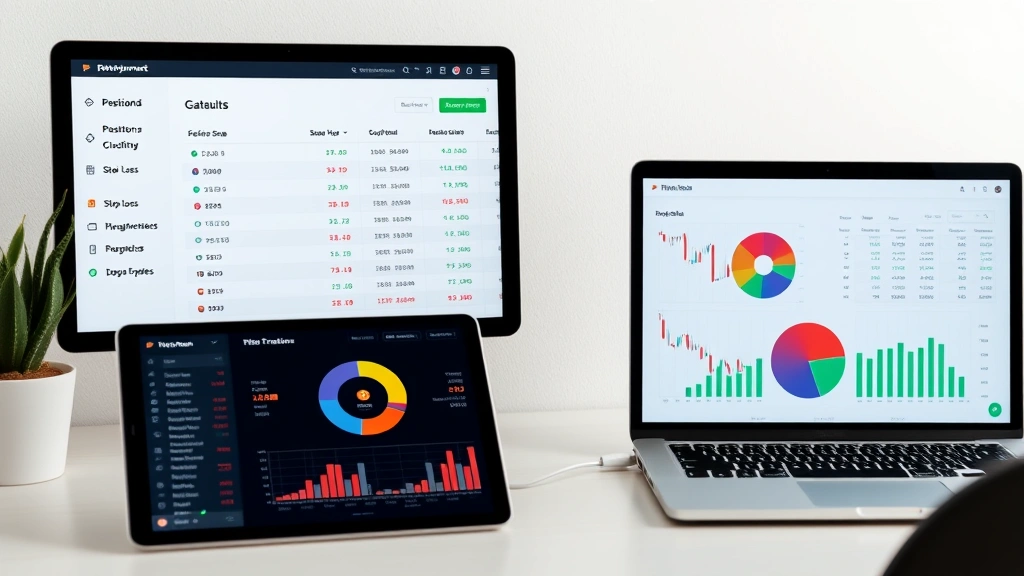
Technical analysis forms the backbone of successful day trading strategies. Rather than analyzing fundamental factors like adoption rates or regulatory news, day traders focus on price patterns, volume trends, and momentum indicators that signal potential moves.
Moving Averages represent the foundation of technical analysis. The 50-period and 200-period moving averages help identify trend direction and potential support/resistance levels. When price trades above both moving averages during an uptrend, it suggests bullish momentum. Conversely, price below both averages during a downtrend indicates bearish control. Day traders often use faster moving averages like 5-period and 20-period for shorter timeframes, providing more responsive signals.
Relative Strength Index (RSI) measures momentum by comparing average gains to average losses over a specified period, typically 14 periods. RSI values above 70 suggest overbought conditions where price may reverse downward, while values below 30 indicate oversold conditions where upward reversals become likely. However, during strong trends, RSI can remain in overbought or oversold territory for extended periods, so confirmation from other indicators matters.
MACD (Moving Average Convergence Divergence) combines moving averages to identify momentum changes. When the MACD line crosses above the signal line, it generates a bullish signal. Conversely, a cross below the signal line suggests bearish momentum. The histogram shows the distance between these lines, with expanding histograms indicating strengthening trends.
Bollinger Bands consist of a middle moving average with upper and lower bands representing two standard deviations of price movement. Price touching the upper band during an uptrend often signals continuation, while touches to the lower band during downtrends suggest ongoing weakness. Bands expanding indicate increasing volatility; contracting bands suggest consolidation before larger moves.
Learning how to read a stock chart provides foundational skills applicable to Bitcoin charts. Candlestick patterns, support and resistance levels, and volume analysis translate directly from traditional markets to cryptocurrency trading.
Risk Management Strategies That Work
The difference between profitable and bankrupt day traders often comes down to risk management discipline rather than analytical skill. Professional traders implement strict rules before entering any position.
Position Sizing represents the most critical risk management tool. Never risk more than 1-2% of your total trading capital on any single trade. If your account holds $10,000, risking only $100-$200 per trade means you can sustain 50 losing trades before depleting your account. This psychological buffer prevents desperation trades that compound losses. Calculate position size based on your stop-loss distance and risk percentage: Position Size = (Account Size × Risk Percentage) / Stop Loss Distance in dollars.
Stop-Loss Orders act as insurance policies protecting against catastrophic losses. Set stop-losses immediately after entering any position, never moving them closer to your entry price. Many traders place stops at previous support levels or technical resistance points, ensuring logical exits if their thesis proves wrong. Emotional traders often skip stop-losses, hoping prices reverse—this is how small losses become account-destroying ones.
Take-Profit Targets lock in gains and prevent greed-driven losses when positions reverse. Establish profit targets before entering trades, typically at resistance levels, previous highs, or using risk-reward ratios (aiming for 2:1 or better, risking $200 to make $400). Disciplined traders exit at predetermined targets rather than hoping for bigger moves.
Leverage Considerations amplify both gains and losses. While margin trading offers higher returns, it also increases risk exponentially. A 10% price decline against a 10x leveraged position wipes out your entire account. Most professional day traders avoid leverage entirely, trading only with capital they can afford to lose completely.
Understanding Bitcoin price drop patterns helps anticipate reversals and protect positions. Market structure breaks often trigger liquidation cascades in leveraged markets, making stop-loss discipline even more critical.
Choosing the Right Trading Platform
Your trading platform directly impacts execution speed, available tools, and fees—all crucial for day trading profitability. Different platforms serve different trader types.
Exchange Selection Criteria: Look for platforms offering low trading fees (under 0.1% ideally), fast order execution, advanced charting tools, and reliable uptime. Coinbase Pro provides beginner-friendly interfaces with reasonable fees. Kraken offers excellent charting and competitive fees. Binance provides the largest liquidity and lowest fees, though interface complexity intimidates beginners. Bybit specializes in derivatives trading with high leverage options.
Charting Software separates serious traders from casual ones. TradingView offers professional-grade charting with extensive indicator libraries, accessible through most major exchanges. Professional traders often use dedicated charting platforms separate from their execution exchanges, allowing faster analysis and decision-making.
Order Types Matter for execution precision. Market orders execute immediately at current prices, useful when speed matters but potentially at unfavorable prices during volatile moves. Limit orders execute only at specified prices, providing control but risking non-execution if prices gap past your order. Stop-loss orders automatically sell if prices decline to specified levels, essential for risk management.
Account security becomes paramount when actively trading. Enable two-factor authentication, use strong unique passwords, and consider hardware wallets for storing profits. Exchange hacks remain an ever-present risk; never keep more capital on exchanges than necessary for active trading.
Developing Your Trading Plan
Successful day traders operate from documented trading plans specifying exactly how they’ll approach markets. This removes emotion from decision-making and creates consistency.
Your Trading Plan Should Include: Clear entry criteria defining exact conditions triggering trades (e.g., “buy when RSI crosses above 50 while price trades above 50-period moving average”). Specific exit conditions for both profit-taking and loss-limiting. Position sizing rules based on your account and risk tolerance. Timeframe selection (15-minute, 1-hour, 4-hour charts each suit different styles). Market conditions where you’ll trade versus skip (strong trends suit momentum trading; ranging markets favor mean-reversion strategies).
Backtesting your strategy against historical data reveals whether your approach actually works or just feels intuitive. Many profitable-looking strategies fail in real trading due to slippage, fees, and emotional execution differences. Modern traders use backtesting software to validate strategies before risking real capital.
Tracking every trade creates the feedback loop necessary for continuous improvement. Record entry price, exit price, profit/loss, reasoning, and emotional state during each trade. After 50-100 trades, patterns emerge revealing your strengths and weaknesses. Perhaps you perform better during certain market conditions or timeframes. Maybe you struggle with profit-taking discipline. This data-driven approach beats intuition-based trading.
Reviewing Bitcoin hyper price prediction models provides context for broader market direction, helping day traders avoid fighting major trends. Trading against primary trends dramatically reduces win rates and increases losses.
Psychology and Emotional Control
Technical skills matter less than psychological discipline in day trading. The market constantly tests your resolve, presenting situations designed to trigger emotional reactions that destroy accounts.
Overconfidence strikes after winning streaks. Suddenly increasing position sizes, abandoning stop-losses, or ignoring risk management rules follows consecutive wins. Professional traders maintain consistent position sizing regardless of recent performance, understanding that winning streaks end without warning.
Loss Aversion causes traders to hold losing positions hoping for reversals while quickly exiting winners to avoid potential reversals. This backwards approach locks in losses and cuts profits. Discipline means exiting losing trades at predetermined stops while letting winning trades run toward targets.
FOMO (Fear of Missing Out) drives impulsive entries chasing moves already underway. By the time emotional traders notice a move, it’s often near completion. Professional traders wait for setups matching their plan rather than chasing momentum.
Revenge Trading follows significant losses, where traders desperately attempt recovering losses through oversized positions. This rarely works and usually compounds losses. After a bad trade, step away, review what happened, and return with renewed discipline.
Developing emotional resilience requires treating trading like a business rather than gambling. Your goal is consistent long-term profitability, not spectacular short-term wins. This perspective prevents emotional decision-making during inevitable losing periods.
Common Mistakes to Avoid
Trading Without a Plan ranks as the number-one mistake. Entering trades based on hunches or following others’ tips without understanding your logic guarantees inconsistent results. Every trade should follow your documented system.
Ignoring Risk Management comes second. Using leverage without understanding position sizing, skipping stop-losses, or risking too much per trade turns profitable trading approaches into account-destroyers. Protect your capital first; profits follow naturally.
Overtrading tempts day traders to enter positions constantly, mistaking activity for productivity. Quality beats quantity; fewer high-probability trades outperform numerous marginal setups. Sit on your hands when conditions don’t match your plan.
Chasing Losses through larger positions or abandoning your system creates downward spirals. Losses happen; accept them and move forward with discipline intact.
Neglecting Education dooms traders to repeat mistakes others solved years ago. Continuous learning through books, courses, and mentorship accelerates your development dramatically.
Underestimating Fees erodes profits, particularly for frequent traders. A 0.5% fee difference on 50 daily trades compounds into substantial losses. Calculate your actual fees and adjust position sizing accordingly.
Understanding how to invest with little money helps day traders start small while developing skills, a far superior approach to risking substantial capital while learning.
FAQ
What’s the minimum capital needed to day trade Bitcoin?
Technically, you can start with small amounts like $100-$500. However, minimum capital affects profitability significantly. With $500 and 1% risk per trade, you risk $5 per position—potentially too small for meaningful profits after fees. Most professionals recommend starting with at least $2,000-$5,000 to generate meaningful returns while maintaining proper position sizing.
How many trades should I make daily?
Quality trumps quantity. Some days produce zero suitable setups; other days present five opportunities. Follow your plan’s criteria rather than forcing trades. Successful day traders often make 3-10 trades daily, sometimes fewer. Trading constantly typically indicates system problems requiring adjustment.
Can I day trade Bitcoin with a full-time job?
Yes, but with limitations. Bitcoin trades 24/7, so you can trade during evenings or weekends. However, missing major moves during work hours might frustrate you. Many part-time traders focus on specific timeframes (like after-work trading) rather than monitoring charts constantly. Starting part-time while maintaining employment reduces pressure and provides income stability while developing skills.
What’s a realistic daily profit target?
1-3% daily returns seem modest but compound powerfully. A 2% daily return compounds to approximately 500% annually (accounting for losses and compounding). Aiming for 5-10% daily encourages overtrading and excessive risk-taking, usually resulting in losses. Professional traders target consistent 10-20% monthly returns, accepting drawdown periods as normal.
Should I use leverage for day trading Bitcoin?
Leverage amplifies both profits and losses. While 5x leverage seems attractive, a 20% price move wipes out your account. Most professional day traders avoid leverage entirely, finding it unnecessary when proper position sizing and risk management exist. If using leverage, never exceed 2x without extensive experience and iron discipline.
How do I handle taxes on day trading income?
Cryptocurrency day trading generates short-term capital gains taxed at ordinary income rates (higher than long-term capital gains). Maintain detailed records of every trade including dates, amounts, and prices. Consult tax professionals familiar with cryptocurrency, as regulations vary by jurisdiction. Many traders use specialized crypto accounting software like CoinTracker for accurate reporting.
What timeframes suit day trading best?
Most day traders use 15-minute, 1-hour, or 4-hour charts. Shorter timeframes (5-minute) produce more noise and false signals. Longer timeframes reduce trading opportunities. Your optimal timeframe depends on your schedule and risk tolerance. Experiment with different timeframes to find your sweet spot.
How do I know if my trading strategy actually works?
Track your win rate (percentage of profitable trades), average winner size, average loser size, and risk-reward ratio. A strategy with 50% win rate and 2:1 risk-reward (risking $100 to make $200) remains profitable long-term. Backtest your strategy on historical data before risking real capital, then track live performance across at least 50-100 trades before drawing conclusions.