
Bitcoin and Electricity: Unveiling the Mystery
The intersection of Bitcoin and electricity consumption has become one of the most debated topics in the cryptocurrency space. As Bitcoin’s network continues to grow and attract institutional investors worldwide, questions about its environmental impact and energy requirements have intensified. Understanding the relationship between Bitcoin mining, electricity usage, and the broader cryptocurrency ecosystem is essential for anyone looking to invest in or comprehend digital assets.
Bitcoin’s proof-of-work consensus mechanism requires computational power to validate transactions and secure the network. This process, known as mining, consumes significant amounts of electricity globally. However, the narrative surrounding Bitcoin’s energy consumption is far more nuanced than headlines suggest. This comprehensive guide explores the mystery of Bitcoin and electricity, examining the facts, misconceptions, and future implications of this critical relationship.
How Bitcoin Mining Consumes Electricity
Bitcoin mining is the process by which new bitcoins are created and transactions are verified on the blockchain. Miners use specialized hardware called ASICs (Application-Specific Integrated Circuits) to solve complex mathematical puzzles. The first miner to solve the puzzle gets to add a new block to the blockchain and receives a reward in bitcoins, plus transaction fees.
The computational work required to solve these puzzles demands substantial electricity. Each mining operation competes to be the first to solve the puzzle, creating a competitive environment that drives up overall network energy consumption. The difficulty of these puzzles automatically adjusts every 2,016 blocks (approximately two weeks) to maintain a consistent block creation time of approximately 10 minutes.
The electricity consumption of Bitcoin mining serves a critical purpose: securing the network. The energy expenditure makes it economically infeasible for bad actors to attack the blockchain. This proof-of-work mechanism ensures that Bitcoin remains decentralized and tamper-proof, making the electricity consumption an integral part of Bitcoin’s security model.
When considering Bitcoin price movements on CNBC, it’s important to understand that energy costs directly impact mining profitability. Higher electricity prices reduce miner margins, while lower prices increase mining activity, creating a dynamic equilibrium in the network.
Global Energy Consumption Statistics
Bitcoin’s electricity consumption has grown substantially since its inception in 2009. Current estimates suggest that Bitcoin mining consumes approximately 120 to 150 terawatt-hours (TWh) annually, though these figures vary depending on the methodology used and market conditions.
To contextualize this consumption, Bitcoin’s annual electricity usage is comparable to that of some countries. However, it’s crucial to compare this against the benefits provided: securing a $1 trillion+ asset class and processing billions of dollars in transactions globally. The energy expenditure per transaction varies significantly based on network activity and can be misleading without proper context.
Several research institutions track Bitcoin’s energy consumption, including the Cambridge Centre for Alternative Finance, which provides real-time estimates. The Digiconomist Bitcoin Energy Index offers another perspective on consumption patterns. These tools help investors and researchers understand the network’s resource requirements.
The geographic distribution of mining is crucial to understanding the environmental impact. Mining operations tend to concentrate in regions with abundant cheap electricity, such as Iceland, parts of China, Canada, and increasingly, the United States and El Salvador. This geographic concentration means that the carbon footprint of Bitcoin mining varies significantly depending on the energy mix of these regions.
Understanding energy consumption is essential when analyzing FintechZoom Bitcoin price today, as energy costs directly influence mining economics and network security costs.
Renewable Energy and Bitcoin Mining
A compelling counter-narrative to Bitcoin’s energy criticism involves the increasing adoption of renewable energy sources by miners. Industry surveys suggest that approximately 50-70% of Bitcoin’s hash rate now comes from renewable energy sources, a figure that has grown substantially over the past five years.
Bitcoin mining creates unique economic incentives for renewable energy development. Miners benefit from locating near abundant, cheap energy sources, and renewable energy producers increasingly see Bitcoin mining as a viable revenue stream. This symbiotic relationship has led to:
- Stranded renewable energy utilization: Renewable power plants in remote locations can monetize excess capacity through Bitcoin mining
- Grid stabilization: Mining operations can adjust consumption based on grid demand, acting as flexible loads that help balance renewable energy intermittency
- Infrastructure investment: Bitcoin mining operations have funded renewable energy projects that might otherwise be economically unviable
- Geographic energy arbitrage: Miners seek regions with abundant hydroelectric power, geothermal energy, and other renewable sources
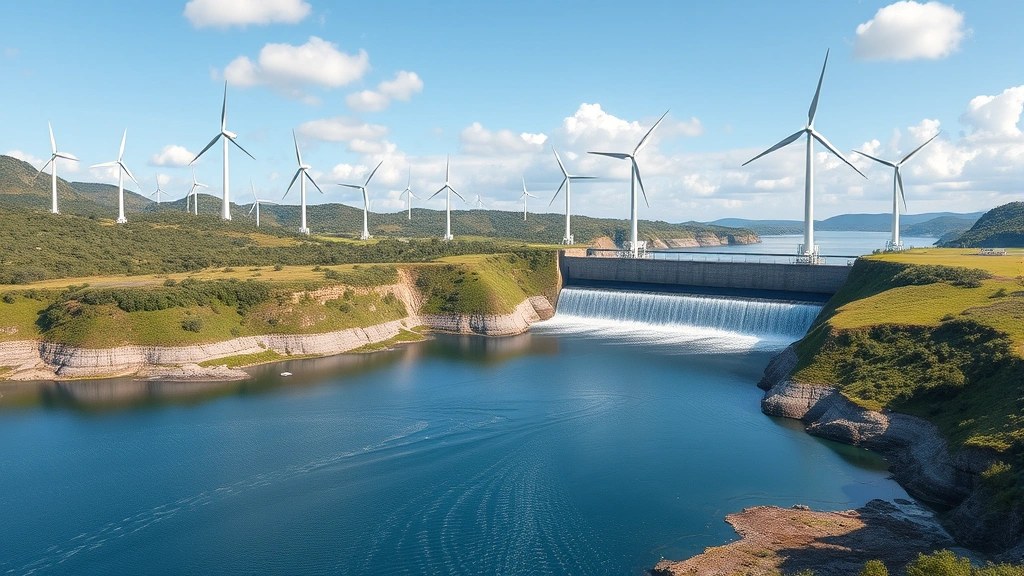
Iceland has emerged as a prominent example of renewable-powered Bitcoin mining, where geothermal and hydroelectric resources provide cheap, clean electricity. Similarly, operations in regions with abundant hydroelectric power, such as parts of Canada and Paraguay, demonstrate Bitcoin’s compatibility with renewable energy sources.
The relationship between Bitcoin mining and renewable energy suggests that the cryptocurrency network could actually accelerate the global transition to cleaner energy. As more miners adopt renewable sources, Bitcoin’s carbon footprint per transaction continues to decline, despite increasing transaction volume.
Environmental Impact and Sustainability
The environmental impact of Bitcoin extends beyond simple electricity consumption metrics. A holistic assessment requires examining carbon emissions, electronic waste, water usage, and broader sustainability implications.
Carbon Emissions: Bitcoin’s carbon footprint depends heavily on the energy mix powering mining operations. With increasing renewable energy adoption, Bitcoin’s emissions per transaction have decreased significantly. Research suggests that Bitcoin’s carbon intensity is now comparable to or better than many traditional financial systems and industries.
Electronic Waste: Bitcoin mining hardware becomes obsolete relatively quickly as the network difficulty increases. While this generates electronic waste concerns, the industry is developing recycling programs and more efficient hardware designs. Additionally, the total electronic waste from Bitcoin mining remains minimal compared to global electronic waste from consumer electronics.
Water Usage: Some mining operations require water for cooling systems, which can be a concern in water-scarce regions. However, most modern mining facilities employ air cooling or locate in water-rich areas, mitigating this impact. The water usage per Bitcoin transaction is generally lower than traditional banking and payment systems.
When analyzing investment strategies, understanding environmental considerations is important. Portfolio diversification strategies should account for ESG (Environmental, Social, and Governance) factors, including Bitcoin’s evolving energy profile.
The sustainability narrative around Bitcoin is evolving rapidly. As renewable energy adoption accelerates and mining technology improves, Bitcoin’s environmental footprint per unit of security and transaction throughput continues to improve. This trajectory suggests that Bitcoin mining could eventually become a net positive for renewable energy development and deployment.
Future Solutions and Innovations
The Bitcoin community and industry are actively developing solutions to reduce electricity consumption and improve sustainability:
- Layer 2 Solutions: The Lightning Network and other layer 2 protocols enable transactions off-chain, significantly reducing the energy required per transaction
- Hardware Improvements: Next-generation ASICs continue to improve efficiency, requiring less electricity to perform the same computational work
- Mining Pool Optimization: Advanced mining pools are implementing more efficient work distribution and validation processes
- Energy Source Diversification: Mining operations continue to expand into regions with abundant renewable energy resources
- Carbon Offset Programs: Some mining companies are investing in carbon offset initiatives and renewable energy projects
The Bitcoin Pi Cycle Top Indicator and other technical analysis tools help investors understand market cycles, which also influence mining profitability and network energy consumption patterns.
Bitcoin’s technology roadmap includes potential improvements that could further optimize energy efficiency. While Bitcoin’s core protocol changes slowly by design, ecosystem innovations continue to expand Bitcoin’s functionality while reducing per-transaction energy costs.
Bitcoin Price and Energy Economics
The relationship between Bitcoin price and electricity consumption creates interesting economic dynamics. When Bitcoin price increases significantly, mining becomes more profitable, attracting new miners and increasing network energy consumption. Conversely, price declines reduce mining profitability and network participation.
This feedback mechanism creates a natural equilibrium where the cost of mining approaches the value of newly created bitcoins plus transaction fees. Miners with access to cheap electricity remain profitable even during price downturns, while those with expensive electricity exit the market.
Understanding mining economics is crucial for investors considering how to short Bitcoin or develop long-term investment strategies. Energy costs represent a significant portion of mining expenditures, influencing the break-even price for miners and thus the minimum price Bitcoin must maintain to sustain network security.
The energy economics of Bitcoin also influence broader market dynamics. During bear markets, mining consolidation occurs as unprofitable operations shut down, leaving the network in the hands of more efficient miners. This natural selection process ensures that Bitcoin remains secured by miners with access to economical energy sources.
For investors concerned about macroeconomic impacts, protecting investments during a recession requires understanding how energy economics and mining profitability affect Bitcoin’s long-term viability and price stability.

FAQ
How much electricity does Bitcoin mining actually consume annually?
Current estimates suggest Bitcoin mining consumes approximately 120-150 terawatt-hours (TWh) annually, though this varies based on network activity, hardware efficiency, and measurement methodology. This consumption is comparable to some countries’ annual electricity usage but must be contextualized against the value secured and transactions processed.
Is Bitcoin mining bad for the environment?
The environmental impact depends significantly on the energy sources powering mining operations. With 50-70% of Bitcoin’s hash rate now powered by renewable energy, the environmental impact is decreasing. Bitcoin mining’s carbon intensity is comparable to or better than many traditional financial systems and industries. The trajectory suggests improving environmental performance as renewable adoption accelerates.
Can Bitcoin mining use renewable energy?
Yes, and increasingly it does. Bitcoin mining operations are actively relocating to regions with abundant renewable energy sources, including hydroelectric, geothermal, and wind power. The economic incentives for cheap electricity naturally align Bitcoin mining with renewable energy sources, creating a symbiotic relationship that benefits renewable energy development.
How does Bitcoin mining help renewable energy?
Bitcoin mining creates economic incentives for renewable energy deployment by providing a flexible load that can utilize stranded renewable capacity. Mining operations can adjust consumption based on renewable availability and grid demands, helping to balance intermittency and stabilize power grids. This has led to increased investment in renewable infrastructure in mining regions.
What is the connection between Bitcoin price and energy consumption?
Bitcoin price directly influences mining profitability and network energy consumption. Higher prices attract more miners and increase energy consumption, while lower prices reduce mining activity. This creates a natural equilibrium where mining costs approach the value of block rewards, ensuring sustainable network economics.
Are there ways to reduce Bitcoin’s energy consumption?
Yes, multiple solutions exist and are being implemented, including Layer 2 protocols like the Lightning Network, improved hardware efficiency, mining pool optimization, geographic diversification to renewable-rich regions, and carbon offset programs. These innovations continue to reduce Bitcoin’s per-transaction energy requirements and environmental impact.


