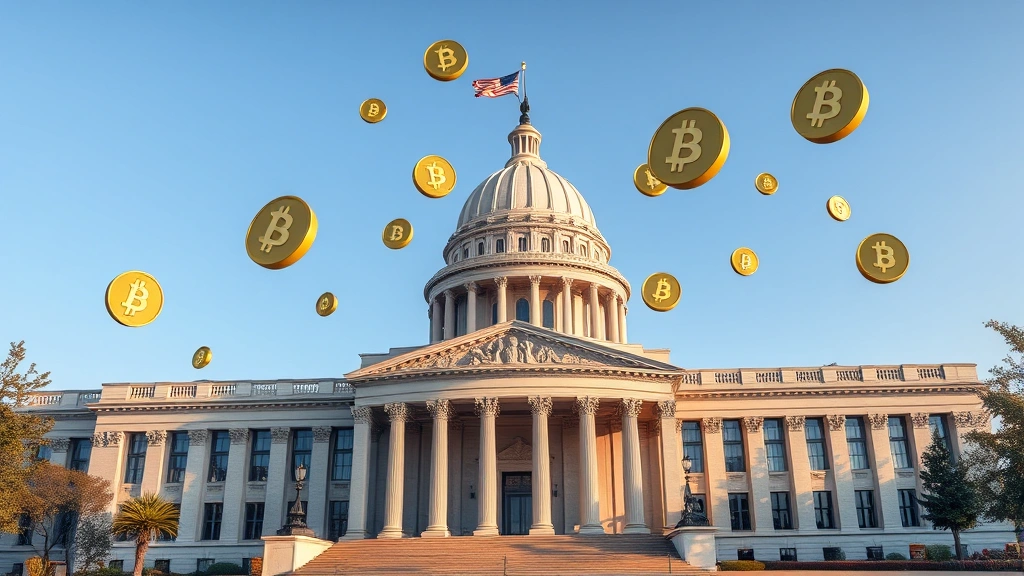
Bitcoin Price Shock: Treasury Secretary Weighs In on Crypto’s Market Impact
The cryptocurrency market experienced significant volatility recently as the U.S. Treasury Secretary made public statements regarding Bitcoin and digital assets. These remarks sent shockwaves through the industry, prompting investors to reassess their positions and market analysts to recalibrate their forecasts. The intersection of government policy and cryptocurrency markets represents one of the most consequential dynamics in modern finance, particularly as institutional adoption accelerates and regulatory frameworks continue to evolve.
When high-ranking government officials comment on Bitcoin or blockchain technology, the ripple effects extend far beyond casual market observers. The Treasury Secretary’s statements underscore the growing importance of cryptocurrency in macroeconomic policy discussions and highlight how traditional finance institutions are increasingly recognizing digital assets as significant economic factors. Understanding these developments requires examining both the immediate market reactions and the longer-term implications for Bitcoin adoption, regulatory clarity, and investment strategy.
Understanding the Treasury Secretary’s Position on Bitcoin
The Treasury Secretary’s recent comments reflect the U.S. government’s complex relationship with cryptocurrency. As the chief financial officer of the nation, the Treasury Secretary wields considerable influence over monetary policy, banking regulations, and international financial standards. When this official addresses Bitcoin or cryptocurrency markets, it signals the government’s current stance on digital asset legitimacy, taxation, and integration into the broader financial system.
Treasury officials typically focus on several key concerns regarding Bitcoin: money laundering prevention, tax compliance, financial stability risks, and the protection of consumers from fraud. These legitimate regulatory considerations differ from outright opposition to cryptocurrency innovation. The nuanced position often involves acknowledging Bitcoin’s technological merits while emphasizing the need for proper oversight and consumer safeguards.
Recent Treasury communications have increasingly recognized that cryptocurrency is no longer a fringe technology but rather a mainstream financial instrument requiring thoughtful regulation. This evolution in perspective reflects changing attitudes within government institutions, where understanding of blockchain technology has improved significantly over the past several years. The Treasury’s engagement with cryptocurrency suggests a shift from dismissal toward pragmatic policy development.
Market Reaction to Official Statements
Bitcoin’s price movements following Treasury Secretary statements demonstrate the outsized influence of government communications on cryptocurrency markets. When officials express concern about cryptocurrency regulation, Bitcoin typically experiences downward pressure as investors reassess risk factors. Conversely, statements acknowledging the legitimacy of digital assets or hinting at favorable regulatory frameworks often trigger price rallies.
The recent price shock reflected market participants’ interpretation of regulatory risk and government stance. Institutional investors, who now represent a substantial portion of Bitcoin trading volume, pay close attention to policy signals from Washington. These investors conduct asset allocation decisions partly based on regulatory clarity and government acceptance of digital assets.
Market volatility following official statements also reflects the cryptocurrency industry’s relative youth and the persistent uncertainty surrounding long-term regulatory outcomes. Unlike traditional assets with decades of established regulatory frameworks, Bitcoin and other cryptocurrencies operate in an evolving legal landscape. This uncertainty creates opportunities for rapid repricing as new information emerges about government intentions.
Trading volumes typically spike during periods of Treasury commentary, indicating that retail and institutional traders actively adjust positions based on policy signals. This heightened activity sometimes amplifies price movements beyond what fundamental factors alone would suggest, creating additional volatility for investors to navigate.
Regulatory Implications and Policy Direction
Understanding the Treasury Secretary’s statements requires examining the broader regulatory framework emerging around cryptocurrency. The United States has been developing a more coherent approach to digital asset regulation, with multiple agencies—including the SEC, CFTC, FinCEN, and OCC—establishing overlapping jurisdictions and guidelines.
Treasury Department involvement signals that cryptocurrency regulation is transitioning from a primarily financial crimes perspective (FinCEN’s focus) toward broader economic and monetary policy considerations. This shift indicates government recognition that Bitcoin and blockchain technology have macroeconomic implications worthy of attention from the nation’s chief financial institution.
The regulatory direction appears to be moving toward a framework that accommodates cryptocurrency innovation while maintaining consumer protections and financial stability safeguards. This middle-ground approach differs from both outright prohibition and complete deregulation, instead favoring measured oversight that allows markets to develop while preventing abuse.
For investors concerned about regulatory risk, the Treasury Secretary’s engagement—even when critical—may ultimately be positive news. Clear regulatory frameworks, even if restrictive in certain respects, reduce uncertainty. Investors can make better-informed decisions when government policy is transparent and predictable compared to operating in a regulatory vacuum where sudden policy changes could dramatically alter market conditions.
Bitcoin Price Volatility Explained
Bitcoin’s price shock following Treasury commentary illustrates several important principles about cryptocurrency market dynamics. First, information asymmetry remains substantial in crypto markets, meaning different participants have different levels of knowledge about policy developments and their implications. When Treasury officials speak, some market participants may interpret implications differently, creating trading opportunities and price adjustments.
Second, Bitcoin’s relatively small market capitalization compared to traditional asset classes means that policy-driven trading can move prices meaningfully. A single large institutional trader repositioning based on regulatory signals can trigger cascading price movements as other traders respond to the initial movement.
Third, Bitcoin lacks the fundamental cash flow metrics that traditional assets possess. Instead, Bitcoin’s value depends largely on sentiment, adoption expectations, and scarcity narratives. Government statements directly influence sentiment by providing signals about long-term Bitcoin viability and regulatory acceptance. This sentiment-driven pricing makes Bitcoin particularly susceptible to official commentary.
Understanding your personal risk tolerance becomes crucial when holding assets as volatile as Bitcoin. The price shocks triggered by policy announcements can test investors’ emotional discipline and commitment to their investment thesis.
Investment Strategy During Uncertainty
For investors navigating cryptocurrency markets amid regulatory uncertainty and Treasury commentary, several strategic principles apply. First, diversifying your investment portfolio becomes essential when holding volatile assets like Bitcoin. A well-diversified portfolio can absorb Bitcoin price shocks without derailing overall financial objectives.
Second, portfolio diversification specifically should include multiple asset classes and, within cryptocurrency holdings, multiple digital assets with different risk profiles and use cases. This approach reduces vulnerability to regulatory decisions targeting specific cryptocurrencies or blockchain applications.
Third, investors should clearly set investment goals before making Bitcoin purchases. Understanding whether Bitcoin serves as a long-term wealth preservation vehicle, a speculative position, or a portfolio diversification element helps investors maintain discipline when price shocks occur and policy uncertainty increases.
Fourth, rebalancing a portfolio regularly ensures that Bitcoin allocations remain aligned with intended risk levels. After significant price movements triggered by Treasury commentary, portfolio rebalancing may be necessary to maintain desired asset allocation targets.
Finally, understanding asset allocation principles helps investors determine appropriate Bitcoin position sizes relative to their total wealth and risk capacity. Most financial advisors suggest Bitcoin allocations between 1-5% of total portfolio value for retail investors, depending on individual risk tolerance and time horizons.

Long-Term Outlook for Digital Assets
While short-term price shocks capture headlines, the long-term trajectory for Bitcoin and cryptocurrency appears increasingly favorable despite regulatory headwinds. Several factors support this optimistic long-term view:
- Institutional adoption continues expanding, with major corporations, pension funds, and investment firms adding Bitcoin to their portfolios despite regulatory uncertainty
- Payment infrastructure improvements make Bitcoin increasingly practical for actual transactions, not just speculation
- Global monetary expansion sustains interest in Bitcoin as an inflation hedge and alternative store of value
- Regulatory clarity is gradually improving as governments worldwide develop coherent cryptocurrency frameworks
- Technology maturation reduces technical risks and demonstrates Bitcoin’s resilience across multiple market cycles
The Treasury Secretary’s engagement with cryptocurrency policy, even when expressing concerns, indicates that government institutions are developing long-term strategies for digital asset integration rather than pursuing prohibition. This policy maturation should ultimately support Bitcoin’s legitimacy and adoption trajectory.
Investors should distinguish between short-term price volatility driven by policy commentary and longer-term value creation driven by technological adoption and macroeconomic trends. While Treasury statements may shock prices in the near term, fundamental factors supporting Bitcoin’s value proposition remain intact.
The cryptocurrency industry’s response to regulatory scrutiny also matters significantly. Professional industry participants are increasingly engaging constructively with regulators, providing technical expertise and proposing reasonable frameworks that balance innovation with legitimate oversight. This collaborative approach may ultimately produce regulatory outcomes more favorable to cryptocurrency than confrontational resistance would achieve.

FAQ
Why does the Treasury Secretary’s opinion affect Bitcoin prices so significantly?
The Treasury Secretary’s statements influence Bitcoin prices because this official controls significant regulatory authority and provides signals about government policy direction. Institutional investors use Treasury commentary to assess regulatory risk, which directly affects their Bitcoin allocation decisions. Since institutional capital now represents substantial Bitcoin trading volume, their responses to policy signals move markets meaningfully.
Should I buy Bitcoin after price shocks caused by negative Treasury comments?
This depends entirely on your individual financial situation, investment goals, and risk tolerance. Price shocks create both opportunities and risks. Some investors view regulatory concerns as temporary headwinds that won’t affect Bitcoin’s long-term value, while others see policy uncertainty as a genuine risk factor warranting caution. Consult a financial advisor familiar with your specific circumstances before making investment decisions.
How does Treasury Department involvement in cryptocurrency policy differ from other regulatory agencies?
The Treasury Department brings macroeconomic and monetary policy expertise to cryptocurrency regulation, whereas agencies like FinCEN focus primarily on financial crimes prevention and the SEC emphasizes investor protection. Treasury involvement signals that government considers cryptocurrency a systemic economic issue worthy of top-level financial policy attention.
Will regulatory clarity eventually reduce Bitcoin price volatility?
Potentially yes. Clearer regulatory frameworks should reduce uncertainty-driven volatility by providing investors with more predictable policy environments. However, Bitcoin’s limited supply and sentiment-driven valuation may continue supporting price volatility even after regulatory clarity improves. Traditional assets with established regulatory frameworks still experience volatility based on economic conditions and investor sentiment.
What is the relationship between Bitcoin’s price and government regulation?
Bitcoin’s price reflects multiple factors, including regulatory environment, adoption trends, macroeconomic conditions, and technical factors. Government regulation affects price by influencing institutional adoption, consumer confidence, and long-term viability expectations. Favorable regulatory signals typically support prices, while restrictive regulatory announcements often trigger price declines, though these effects are usually temporary.


