Will Bitcoin Hit $100K? Analyst Predictions and Market Analysis
The cryptocurrency market has witnessed unprecedented growth over the past decade, with Bitcoin emerging as the flagship digital asset. As we navigate through 2024 and beyond, a critical question dominates investor conversations: will Bitcoin reach the $100,000 milestone? This psychological and technical price level has become a focal point for analysts, traders, and institutional investors alike. Understanding the various perspectives on this potential price target requires examining multiple analytical frameworks, market catalysts, and expert opinions.
Bitcoin’s journey from a niche digital experiment to a multi-trillion-dollar asset class represents one of the most remarkable financial transformations in history. With each bull cycle, new price records are established, and the $100K barrier represents both a technical resistance level and a symbolic threshold that could attract mainstream adoption. However, reaching this price target is far from guaranteed, and numerous factors—both bullish and bearish—will determine whether Bitcoin achieves this milestone.
Current Market Conditions and Bitcoin’s Position
Bitcoin’s price trajectory has historically followed cyclical patterns influenced by halving events, macroeconomic conditions, and investor sentiment. To understand the potential for reaching $100,000, we must first examine where Bitcoin stands in its current market cycle. The cryptocurrency’s recent price performance on platforms like FintechZoom provides real-time insights into market dynamics and investor positioning.
The introduction of Bitcoin spot ETFs in major markets has fundamentally altered the investment landscape. These products have legitimized Bitcoin as an institutional asset class, enabling pension funds, insurance companies, and other large-scale investors to gain exposure without managing private keys or navigating custody complexities. This development has reduced friction in the investment process, potentially accelerating capital inflows that could drive prices higher.
Market capitalization considerations are essential when evaluating the $100K target. Bitcoin’s current market cap relative to gold, traditional finance, and global money supplies provides context for whether such a price level is mathematically feasible. The total cryptocurrency market has grown exponentially, but Bitcoin’s dominance—its percentage of total crypto market cap—fluctuates based on altcoin performance and investor risk appetite.
Bullish Case for $100K Bitcoin
Several compelling arguments support Bitcoin reaching $100,000 in the coming years. First, the scarcity narrative remains powerful: Bitcoin has a fixed supply of 21 million coins, with approximately 93% already mined. This absolute scarcity contrasts sharply with fiat currencies subject to unlimited printing by central banks. As inflation concerns persist globally, Bitcoin’s deflationary properties attract investors seeking value preservation.
Institutional adoption continues accelerating, with major corporations adding Bitcoin to their balance sheets and investment portfolios. When large financial institutions allocate even small percentages of their assets to cryptocurrency, the capital flowing into the market can be substantial. This institutional demand creates a supply-demand imbalance that could drive prices significantly higher, particularly if Bitcoin adoption follows the S-curve pattern typical of transformative technologies.
The halving cycle provides another bullish catalyst. Bitcoin’s protocol reduces mining rewards approximately every four years, creating supply shocks that historically precede price rallies. The next halving event will further reduce the rate at which new Bitcoin enters circulation, potentially exacerbating supply constraints and supporting higher prices. Understanding cryptocurrency fundamentals helps investors appreciate these structural advantages.
Global macroeconomic factors also support the bullish case. Central banks worldwide maintain accommodative monetary policies, and geopolitical tensions create demand for assets uncorrelated with traditional markets. Bitcoin’s status as digital gold—an asset that cannot be confiscated, frozen, or devalued through government decree—appeals to investors in countries experiencing currency crises or capital controls.
Network effects represent another powerful bullish factor. As Bitcoin’s user base grows, the network becomes more valuable, attracting more participants in a virtuous cycle. This network effect has historically driven technology adoption from the internet to social media platforms, and Bitcoin could follow a similar trajectory toward mainstream adoption.
Bearish Arguments and Market Headwinds
Despite bullish sentiment, significant headwinds could prevent Bitcoin from reaching $100,000. Regulatory crackdowns represent a primary concern, as governments worldwide grapple with cryptocurrency oversight. Restrictive regulations in major economies could limit institutional participation and retail accessibility, dampening demand and price appreciation.
Environmental concerns about Bitcoin mining persist despite improvements in renewable energy adoption. Critics argue that the energy consumption required for proof-of-work consensus is excessive and incompatible with climate goals. This narrative could influence institutional investors, particularly ESG-focused funds, to avoid Bitcoin exposure or reduce existing positions.
Macroeconomic headwinds present another bearish consideration. If central banks maintain elevated interest rates to combat inflation, Bitcoin’s appeal as a non-yielding asset diminishes relative to bonds and cash. Higher rates increase opportunity costs for holding Bitcoin, potentially suppressing price appreciation. Additionally, economic recessions could trigger risk-off sentiment, with investors liquidating speculative positions including cryptocurrency.
Technological competition from alternative cryptocurrencies and blockchain platforms poses long-term risks. While Bitcoin maintains first-mover advantage and network security dominance, newer technologies could displace it if they offer superior functionality or efficiency. This competitive threat, though not immediate, represents a structural risk to Bitcoin’s long-term value proposition.
Volatility remains an inherent characteristic of cryptocurrency markets. Price swings of 20-30% within days are not uncommon, and this extreme volatility could discourage mainstream adoption and institutional participation. If Bitcoin fails to stabilize as a store of value, its appeal as a long-term investment diminishes significantly.

Technical Analysis and Price Targets
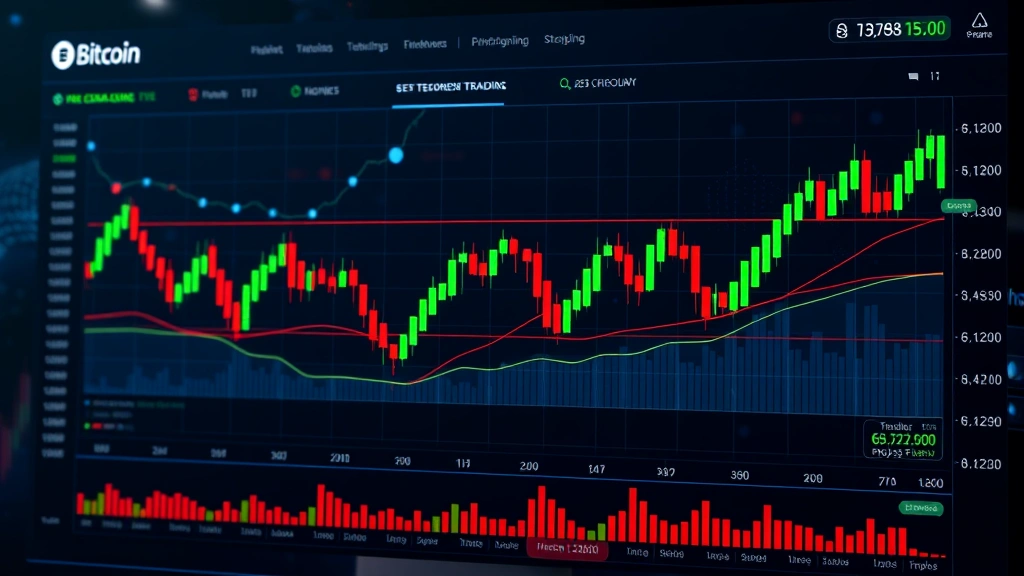
Technical analysis provides frameworks for projecting potential price targets based on historical price patterns, support and resistance levels, and volume analysis. Many analysts employ tools such as Fibonacci retracements, moving averages, and trend channels to identify potential entry and exit points for Bitcoin.
From a technical perspective, Bitcoin’s previous all-time highs establish resistance levels that prices must overcome to reach $100,000. The asset’s historical volatility patterns suggest that reaching such a target would likely involve multiple price corrections along the way, testing investor patience and conviction. Chart patterns from previous bull cycles offer clues about potential price trajectories, though past performance never guarantees future results.
Support levels derived from previous price action provide psychological anchors for traders and investors. When prices approach these support levels, buying pressure often emerges as investors seek entry points at discounted prices. Conversely, resistance levels attract selling pressure as investors take profits. Understanding these technical dynamics helps explain why price movements often stall at predictable levels.
Moving average analysis reveals longer-term trends, with Bitcoin often respecting key moving averages such as the 200-week moving average. Prices trading above long-term moving averages generally indicate bullish momentum, while prices below suggest bearish pressure. The slope and positioning of these averages relative to price action inform whether the market environment favors further appreciation toward $100,000.
Institutional Adoption and Market Maturity
The professionalization of cryptocurrency markets has accelerated significantly, with institutional investors now representing a substantial portion of trading volume. Major investment banks have established cryptocurrency trading desks, custody solutions have improved dramatically, and derivatives markets have matured considerably. These developments reduce barriers to institutional participation and could catalyze significant capital flows.
Cryptocurrency exchanges have evolved from simple trading platforms to sophisticated financial infrastructure providers. The implementation of robust security protocols, regulatory compliance, and insurance mechanisms has addressed many concerns that previously deterred institutional investors. Bitcoin wallet solutions have similarly improved, with institutional-grade custody services now available from established financial institutions.
The emergence of Bitcoin-native financial products extends beyond spot ETFs to include futures contracts, options, and structured products. These derivatives allow sophisticated investors to implement complex strategies, hedge exposures, and gain leveraged exposure to Bitcoin price movements. Greater market depth and liquidity support higher price discovery and could facilitate the price appreciation necessary to reach $100,000.
Corporate adoption continues expanding, with companies across industries recognizing Bitcoin’s potential as a treasury asset or payment mechanism. When major corporations publicly announce Bitcoin holdings or integrate cryptocurrency payments, it generates media attention and legitimacy that influences broader market sentiment. This corporate adoption trend could accelerate if Bitcoin prices reach new all-time highs, triggering FOMO (fear of missing out) among companies that lack exposure.
Regulatory Environment Impact
The regulatory landscape represents perhaps the most significant variable affecting Bitcoin’s price trajectory. Governments worldwide are developing frameworks to govern cryptocurrency activities, ranging from permissive approaches that encourage innovation to restrictive measures that limit participation. The regulatory outcome in major economies—particularly the United States, European Union, and China—will substantially influence Bitcoin’s ability to reach $100,000.
Positive regulatory developments, such as clear frameworks recognizing Bitcoin as a legitimate asset class or commodity, could unleash institutional capital flows and accelerate mainstream adoption. Conversely, restrictive regulations that classify Bitcoin as a security, impose prohibitive taxes, or restrict institutional participation could severely limit price appreciation. The regulatory path remains uncertain, creating substantial tail risks for Bitcoin investors.
Central bank digital currencies (CBDCs) represent an interesting regulatory consideration. While some argue CBDCs compete with Bitcoin, others contend that government-backed digital currencies legitimize blockchain technology and normalize cryptocurrency concepts, potentially benefiting Bitcoin in the long term. The outcome likely depends on CBDC design and whether governments position them as Bitcoin alternatives or complementary technologies.
Tax treatment of Bitcoin gains significantly influences investment demand. If governments implement favorable tax treatment for long-term Bitcoin holdings, it could encourage institutional and retail participation. Conversely, punitive capital gains taxes could suppress demand and limit price appreciation. The regulatory clarity regarding tax treatment remains insufficient in many jurisdictions, creating uncertainty that dampens investment.
Timeline Predictions from Analysts
Analyst predictions regarding Bitcoin reaching $100,000 vary considerably, reflecting different assumptions about market catalysts, adoption rates, and regulatory developments. Some prominent analysts maintain that Bitcoin could reach this level within 1-2 years, citing strong institutional demand and macroeconomic tailwinds. These optimistic predictions often assume accelerating adoption, continued monetary expansion, and positive regulatory developments.
More conservative analysts project longer timelines, suggesting that Bitcoin might require 3-5 years or more to reach $100,000, if it reaches that level at all. These projections account for regulatory headwinds, macroeconomic uncertainties, and the potential for sustained periods of price consolidation or correction. Fundamental analysis approaches emphasizing intrinsic value calculation often yield more cautious price targets than purely technical or sentiment-based analyses.
Institutional research from major financial firms provides additional perspectives. CoinDesk regularly publishes analyst research and market analysis examining Bitcoin price targets. Grayscale Investments produces detailed reports on Bitcoin’s investment case, while Reuters Technology covers cryptocurrency developments from a mainstream journalism perspective.
The range of analyst predictions reflects genuine uncertainty about Bitcoin’s future. Factors that could accelerate the timeline to $100,000 include major corporate or government adoption, breakthrough scalability improvements, or significant macroeconomic disruption that increases demand for uncorrelated assets. Conversely, regulatory crackdowns, technical failures, or competing technologies could delay or prevent Bitcoin from reaching this target.
Diversification principles suggest that Bitcoin should represent only a portion of a well-constructed investment portfolio, with position sizing reflecting individual risk tolerance and investment objectives. Even if Bitcoin reaches $100,000, volatility and drawdowns along the way could test investor discipline and conviction.

FAQ
What factors would most likely trigger Bitcoin reaching $100K?
The most probable catalysts include institutional capital inflows from major pension funds and insurance companies, positive regulatory developments legitimizing Bitcoin as an asset class, significant macroeconomic disruption increasing demand for alternative assets, major corporate adoption initiatives, and technological breakthroughs improving Bitcoin’s scalability or functionality. A combination of several factors simultaneously would likely be necessary to overcome resistance at the $100K level.
How does Bitcoin’s volatility affect the $100K prediction?
Bitcoin’s extreme volatility creates both opportunities and risks for investors. While volatility enables rapid price appreciation during bull markets, it also means substantial drawdowns are likely before reaching $100,000. Historical patterns suggest Bitcoin could experience 40-60% corrections even within an overall bull trend. Investors must prepare psychologically and financially for these oscillations.
Could regulatory action prevent Bitcoin from reaching $100K?
Yes, severe regulatory restrictions could substantially delay or prevent Bitcoin from reaching $100,000. If major economies implement prohibitive regulations, restrict institutional participation, or ban cryptocurrency altogether, Bitcoin’s price appreciation potential would be severely constrained. However, complete prohibition appears unlikely given Bitcoin’s decentralized nature and growing mainstream acceptance.
What is the relationship between Bitcoin and macroeconomic conditions?
Bitcoin’s relationship with macroeconomic conditions remains complex and evolving. During periods of monetary expansion and inflation concerns, Bitcoin typically appreciates as investors seek inflation hedges. However, during risk-off periods when investors flee speculative assets, Bitcoin can decline sharply despite its theoretical properties as a safe haven. Bitcoin’s ultimate classification—as a risk asset or safe haven—continues to develop.
How does the Bitcoin halving cycle affect $100K predictions?
Bitcoin halving events reduce mining rewards and create supply shocks that have historically preceded significant price rallies. The next halving will further constrain Bitcoin supply growth, potentially supporting higher prices. However, halving events are fully anticipated by markets, and prices often peak months before the actual halving occurs, then consolidate afterward. The halving cycle provides a structural support for higher prices but does not guarantee them.
Should I invest in Bitcoin hoping it reaches $100K?
Investment decisions should be based on individual financial circumstances, risk tolerance, and investment objectives rather than specific price targets. Bitcoin remains a volatile, speculative asset that should represent only a small portion of a diversified portfolio. Investors should never risk capital they cannot afford to lose and should avoid making investment decisions based solely on analyst price predictions.


