How to Build a Bitcoin Collection? Expert Tips for Success
Building a Bitcoin collection has become an increasingly popular strategy for investors seeking exposure to the world’s leading cryptocurrency. Whether you’re a seasoned crypto enthusiast or just beginning your digital asset journey, understanding how to strategically accumulate Bitcoin can help you make informed decisions and maximize your long-term wealth potential. This comprehensive guide explores proven methodologies, risk management strategies, and expert insights to help you develop a robust Bitcoin collection tailored to your financial goals.
The cryptocurrency landscape has matured significantly over the past decade, transforming Bitcoin from a niche digital experiment into a mainstream investment asset recognized by institutional players and regulatory bodies worldwide. A well-structured Bitcoin collection can serve as a hedge against inflation, provide portfolio diversification, and offer exposure to emerging financial technologies. However, successful Bitcoin accumulation requires careful planning, disciplined execution, and a clear understanding of market dynamics.
Understanding Bitcoin Fundamentals
Before building your Bitcoin collection, it’s essential to understand the fundamentals that make Bitcoin valuable and unique. Bitcoin operates on a decentralized blockchain network, meaning no single entity controls the network. This decentralization provides security, transparency, and resistance to censorship—qualities that have attracted investors globally.
The supply cap of 21 million bitcoins is a crucial feature that distinguishes Bitcoin from traditional currencies. This fixed supply creates scarcity, which many investors believe supports long-term value appreciation. Understanding how Bitcoin mining works and the halving events that occur approximately every four years can help you anticipate market cycles and timing opportunities for your collection.
To make informed decisions about your Bitcoin accumulation strategy, familiarize yourself with concepts like the Bitcoin order book, which shows buy and sell orders at different price levels. Additionally, exploring Bitcoin price predictions from reputable analysts can provide context for market sentiment and potential future trends.
Bitcoin’s technology foundation relies on cryptographic hashing and proof-of-work consensus mechanisms. These technical elements ensure network security and transaction immutability. For collectors, understanding this foundation builds confidence in Bitcoin’s long-term viability as a store of value.
Setting Your Collection Goals
Establishing clear, measurable goals is the foundation of any successful Bitcoin collection strategy. Your goals should align with your overall financial objectives, risk tolerance, and investment timeline.
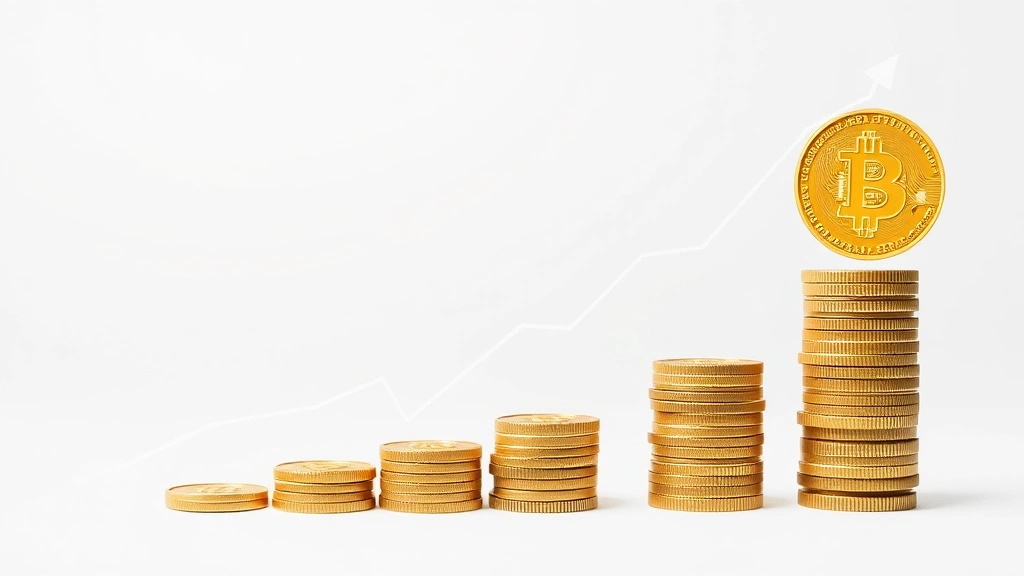
Short-term collectors (1-2 years) might focus on accumulating Bitcoin while anticipating near-term price appreciation. These collectors should monitor market cycles closely and remain flexible with their strategies. Long-term collectors (5+ years) typically adopt a more passive accumulation approach, benefiting from compound growth and reduced emotional decision-making.
Consider defining your collection targets in specific terms:
- Total Bitcoin amount (e.g., 0.5 BTC, 1 BTC, or 5 BTC)
- Time frame for completion (e.g., 2 years, 5 years)
- Monthly or quarterly allocation budget
- Target allocation as percentage of total portfolio
Your goals should be realistic and reflect your financial capacity. Many experts recommend that Bitcoin allocation shouldn’t exceed 5-10% of your total investment portfolio, though this varies based on risk tolerance. Understanding how to diversify your investment portfolio ensures your Bitcoin collection complements other assets effectively.
Choosing the Right Acquisition Strategy
Multiple strategies exist for building your Bitcoin collection, each with distinct advantages and considerations. Your choice should depend on your financial situation, market outlook, and personal preferences.
Lump Sum Purchase: Buying a significant amount of Bitcoin at once can be advantageous if you believe prices will appreciate significantly. However, this approach carries timing risk—you might purchase near market peaks. This strategy works best if you’ve conducted thorough research and have conviction in Bitcoin’s value proposition.
Dollar-Cost Averaging (DCA): This systematic approach involves purchasing fixed amounts of Bitcoin at regular intervals, regardless of price. DCA reduces timing risk and emotional decision-making, making it ideal for long-term collectors. By spreading purchases over months or years, you capture both bull and bear market prices, averaging your entry cost.
Opportunistic Buying: Some collectors monitor market conditions and purchase larger amounts during price corrections or bear markets. This requires market analysis skills and emotional discipline but can result in lower average acquisition costs. Learning to read technical charts can support this strategy.
Regardless of your chosen strategy, select reputable platforms for acquisition. Established cryptocurrency exchanges offer secure, regulated environments for Bitcoin purchases. Research exchange fees, security measures, and user experiences before committing funds.
Security and Storage Solutions
Securing your Bitcoin collection is paramount. Loss of access or theft represents the primary risk for Bitcoin collectors. Multiple storage solutions exist, each offering different security-convenience tradeoffs.
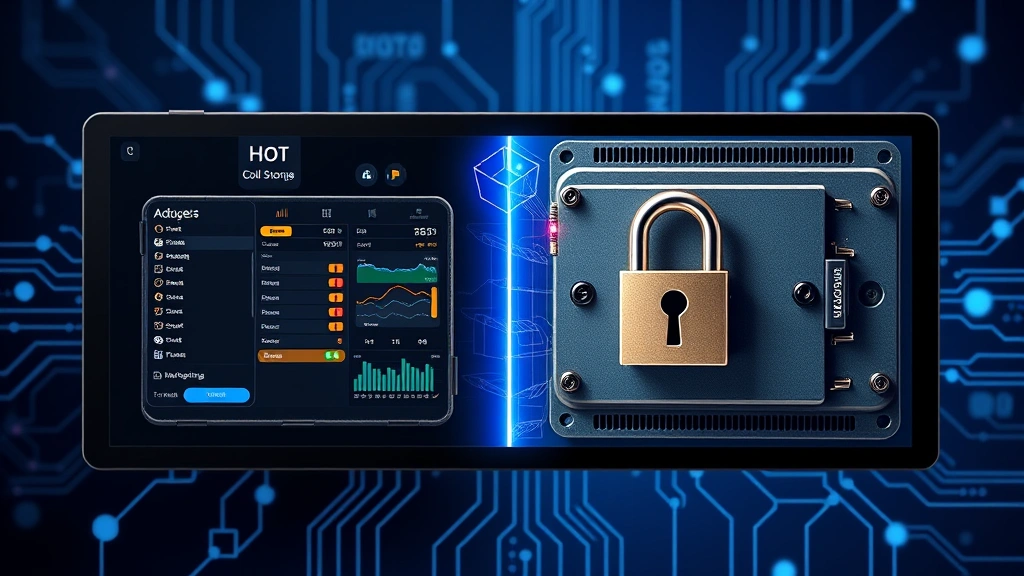
Hot Wallets: Digital wallets connected to the internet offer convenience for frequent trading or spending. However, they’re more vulnerable to hacking. Hot wallets work best for small amounts you access regularly, not for long-term collection storage.
Cold Wallets: Hardware wallets and paper wallets store Bitcoin offline, providing superior security. Hardware wallets like Ledger and Trezor use encrypted chips to protect private keys. These devices remain offline until transactions occur, minimizing hacking risks. For serious collectors, hardware wallets represent the gold standard for security.
Multi-Signature Wallets: Advanced collectors use multi-signature solutions requiring multiple private keys to authorize transactions. This approach adds security layers but increases complexity and recovery difficulty.
Best Practices: Regardless of storage method, implement these security measures:
- Never share private keys or seed phrases with anyone
- Store backup seed phrases in multiple secure locations
- Use strong, unique passwords for all accounts
- Enable two-factor authentication where available
- Keep firmware updated on hardware wallets
- Test recovery procedures before storing large amounts
Dollar-Cost Averaging Approach
Dollar-cost averaging deserves special attention as a collection-building strategy because it aligns with long-term wealth accumulation principles. This method involves investing fixed amounts at regular intervals, creating a disciplined, emotionally neutral approach to Bitcoin accumulation.
DCA Benefits: By purchasing consistently regardless of price, you eliminate the stress of timing market bottoms and peaks. You’ll accumulate more Bitcoin when prices are low and less when prices are high, naturally lowering your average cost basis. Over market cycles, this approach typically outperforms sporadic, emotion-driven purchases.
Implementation: Set up automatic purchases through your chosen exchange. Many platforms offer recurring purchase features allowing daily, weekly, or monthly buys. Start with amounts you can comfortably afford—even $50-100 monthly builds meaningful collections over time.
Psychological Advantages: DCA removes the emotional burden of making large investment decisions. You won’t experience regret from buying at peaks or anxiety about missing rallies. This psychological benefit often proves as valuable as the mathematical advantage of averaging entry costs.
Track your DCA purchases and average cost basis. Reviewing your collection’s progress provides motivation and helps you evaluate whether adjustments to your strategy are needed.
Tax Considerations and Compliance
Bitcoin collectors must understand tax implications in their jurisdiction. Tax treatment varies significantly by country, and failure to comply can result in penalties and legal issues.
Capital Gains Tax: Most jurisdictions treat Bitcoin as an asset subject to capital gains tax. When you sell Bitcoin at a profit, you owe taxes on the gain. Holding periods matter—long-term holdings (typically over one year) often receive favorable tax treatment compared to short-term holdings.
Record Keeping: Maintain detailed records of all Bitcoin transactions including:
- Purchase dates and amounts
- Purchase prices in fiat currency
- Sale dates and prices
- Transaction fees
- Wallet addresses and transfers
This documentation proves essential for calculating accurate tax liability and supporting your filings during audits.
Reporting Requirements: Many countries require disclosure of cryptocurrency holdings above certain thresholds. Some jurisdictions mandate reporting on tax forms, while others have specific crypto reporting requirements. Consult with a tax professional familiar with cryptocurrency to understand your obligations.
Wash Sale Rules: Some countries apply wash sale rules to cryptocurrency, preventing you from claiming losses if you repurchase the same asset within a specific timeframe. Understanding these rules prevents unintended tax complications.
Staying compliant protects your collection legally and demonstrates responsible financial citizenship. The regulatory environment continues evolving, so monitor updates from your jurisdiction’s tax authorities.
Monitoring Your Collection
Building a Bitcoin collection doesn’t end with acquisition. Ongoing monitoring ensures your collection remains secure, properly valued, and aligned with your goals.
Regular Security Audits: Periodically verify your Bitcoin remains secure in your chosen storage solution. Test backup recovery procedures annually to ensure you can access your collection if needed. Update hardware wallet firmware when new versions release.
Price Monitoring: While obsessive price-watching can trigger emotional decisions, understanding your collection’s value provides useful context. Track your average cost basis and current portfolio value. Many collectors find monthly or quarterly reviews appropriate for long-term collections.
Market Research: Stay informed about Bitcoin developments, regulatory changes, and technology upgrades. Understanding Bitcoin’s position relative to other cryptocurrencies helps contextualize your collection within the broader crypto ecosystem.
Consider consulting resources like CoinDesk for industry news, blockchain explorers for transaction verification, and research firms like Glassnode for on-chain analytics. Additionally, explore blockchain explorers to verify transactions and understand network activity.
Portfolio Rebalancing: If Bitcoin’s value increases significantly, it might exceed your target allocation percentage. Periodically rebalancing—selling some Bitcoin to return to your target allocation—locks in gains and maintains your desired risk profile.
Documentation Updates: Keep your collection records current, including updated security procedures, wallet addresses, and asset valuations. This documentation proves valuable for estate planning and ensuring heirs can access your collection if needed.
FAQ
What’s the minimum amount of Bitcoin to start a collection?
There’s no minimum. You can start with as little as $10-20 worth of Bitcoin through most exchanges. Many collectors begin with smaller amounts and gradually increase their collection over time through consistent purchases.
Should I buy Bitcoin all at once or gradually?
This depends on your financial situation and market outlook. Dollar-cost averaging reduces timing risk and emotional stress, making it ideal for most collectors. However, if you have conviction in Bitcoin’s near-term prospects and can afford a lump sum without financial strain, that approach can work too.
Is hardware wallet security really necessary?
For collections exceeding $5,000-10,000, hardware wallets provide essential security benefits. They protect against exchange hacks, phishing attacks, and malware. For smaller amounts, exchange wallets may be acceptable, though hardware wallets offer superior long-term security.
How often should I check my Bitcoin collection’s value?
For long-term collectors, checking monthly or quarterly is typically sufficient. Obsessive daily monitoring can trigger emotional decision-making that undermines your strategy. Focus on your acquisition plan rather than short-term price fluctuations.
Can I lose my Bitcoin collection?
Yes, several scenarios can result in permanent loss: losing access to private keys, forgetting passwords, hardware failure without backups, or sending Bitcoin to wrong addresses. Proper security practices and backup procedures virtually eliminate these risks.
What’s the best time to buy Bitcoin for my collection?
Timing the market perfectly is nearly impossible. Dollar-cost averaging removes this concern by averaging across market cycles. However, many collectors find market corrections (20%+ price declines) attractive buying opportunities if they have available capital.
Should Bitcoin be my only cryptocurrency investment?
Bitcoin serves as an excellent core holding, but exploring cryptocurrency tokens and other digital assets can provide diversification. Most experts recommend Bitcoin comprise 50-80% of cryptocurrency portfolios, with remaining allocations to other promising projects.
How do I handle Bitcoin received as gifts or mining rewards?
Document all Bitcoin acquisitions, including gifts and mining rewards. These transactions have tax implications—gifts and mining rewards typically constitute taxable events. Maintain records of fair market value at the time of receipt for accurate tax reporting.


