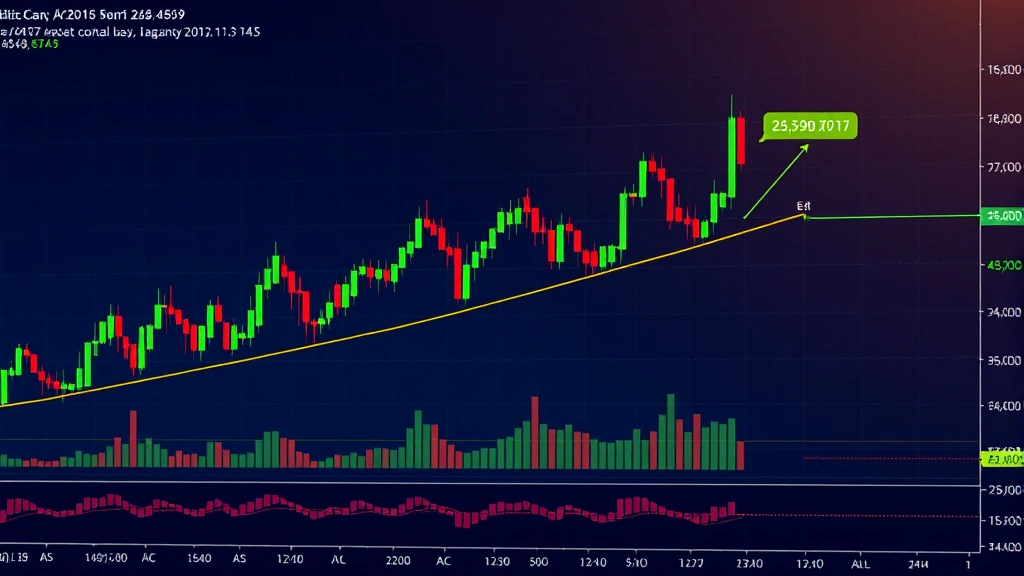
Bitcoin corrections are a natural part of the cryptocurrency market cycle, yet they remain one of the most anxiety-inducing events for investors. Understanding what drives these pullbacks and how to interpret them through an analyst’s lens can significantly improve your investment strategy. This comprehensive guide explores the mechanics of bitcoin corrections, historical patterns, and actionable insights from leading market analysts.
The crypto market’s volatility is legendary, but corrections specifically offer valuable opportunities for disciplined investors. Rather than viewing every price decline as a disaster, seasoned analysts recognize corrections as healthy market consolidations that reset valuations and shake out weak hands. By examining the data, technical indicators, and sentiment metrics, we can develop a more nuanced perspective on what corrections mean for your portfolio.

What is a Bitcoin Correction?
A bitcoin correction refers to a temporary price decline, typically ranging from 10% to 20%, from recent highs. Analysts distinguish corrections from bear markets—which represent declines of 20% or more. This distinction matters because corrections are viewed as normal market behavior, while bear markets signal broader trend reversals. Understanding what is a bear market versus bull market helps contextualize where bitcoin stands in its current cycle.
Bitcoin corrections serve several critical market functions. They allow profit-taking by early buyers, reduce excessive leverage in the market, and recalibrate valuations based on new information. Professional traders and institutions often use corrections as entry points, viewing them as opportunities rather than disasters. The duration of corrections varies—some resolve in days, while others extend over weeks or months.
Market data shows that bitcoin experiences corrections roughly every 4-8 weeks during bull markets. These are statistically normal occurrences that shouldn’t trigger panic-selling. Instead, they provide windows for portfolio rebalancing and strategic accumulation. Analysts emphasize that how you respond to corrections often determines long-term returns more than timing the exact bottom.
Historical Correction Patterns
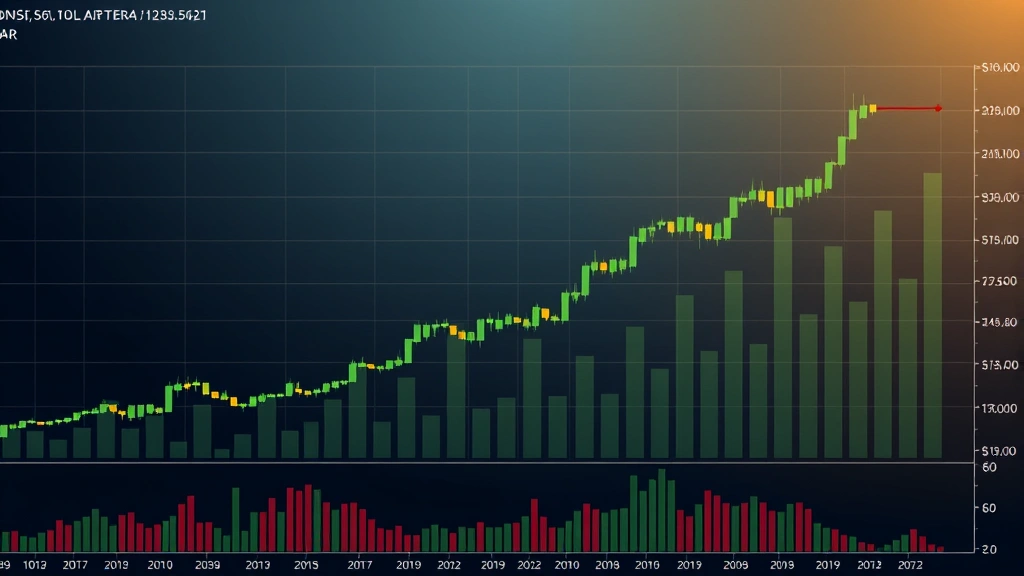
Examining bitcoin’s historical correction patterns reveals fascinating trends. During the 2020-2021 bull run, bitcoin experienced multiple 20-30% corrections before reaching its $69,000 peak. Each correction lasted 2-6 weeks before resuming uptrends. These patterns weren’t anomalies—they were standard market behavior within a larger bullish framework.
The 2017 bull market saw even more dramatic corrections. Bitcoin dropped 30-40% several times before reaching $20,000. Yet investors who held through these pullbacks gained over 1,000% from cycle lows. This historical perspective is crucial: corrections within bull markets are features, not bugs.
Research from CoinDesk and other leading analysts shows that corrections averaging 15-25% are actually healthy for market sustainability. They prevent bubble-like conditions where valuations become completely detached from fundamentals. Markets that never correct tend to experience more violent crashes when sentiment shifts.
Bear market corrections, conversely, occur in downtrends and typically don’t reverse as quickly. Bitcoin’s 2022 decline from $69,000 to $16,500 represented a bear market rather than a correction. Understanding this distinction helps you position appropriately based on the broader market regime.
Technical Analysis Framework
Professional analysts rely on technical indicators to identify correction extremes and recovery signals. The Relative Strength Index (RSI) becomes oversold below 30, often signaling correction bottoms. When RSI reaches these levels, reversals frequently follow within days. Learn more about best indicators to use on bitcoin charts for comprehensive technical guidance.
Moving averages provide context for correction severity. When bitcoin breaks below its 200-day moving average, analysts recognize this as a more serious pullback requiring caution. Conversely, corrections that hold above the 50-day moving average typically resolve quickly as support buyers emerge.
Volume analysis is equally critical. Corrections accompanied by declining volume often represent capitulation—the final selling before reversals. Analysts watch for volume spikes during price lows, indicating institutional accumulation. These volume patterns frequently precede sharp recoveries.
Support and resistance levels guide correction targets. Bitcoin tends to retrace to previous support zones—often the 50-day or 200-day moving averages, or round numbers like $60,000 or $65,000. Analysts use these levels to set stop-losses and identify where buying pressure likely emerges. Fibonacci retracements (38.2%, 50%, 61.8%) also provide statistical targets where reversals become probable.
Market Psychology During Pullbacks
Corrections expose the psychological vulnerabilities of retail investors. Fear rapidly spreads through social media and crypto communities when prices decline 15-20%. This emotional response often creates selling pressure that extends corrections beyond their fundamental justification. Analysts recognize these psychological phases as predictable market cycles.
The capitulation phase represents the most psychologically intense moment. Long-term holders begin selling at losses, media coverage turns negative, and FUD (fear, uncertainty, doubt) dominates discussion forums. Paradoxically, this is precisely when institutional investors often accumulate. The emotional bottom frequently precedes the price bottom by days or weeks.
Professional analysts maintain emotional distance from corrections by maintaining predetermined trading plans. They set stop-losses before corrections occur, which removes emotional decision-making when fear peaks. This systematic approach significantly outperforms reactive trading during volatile periods.
Understanding pros and cons of cryptocurrency investing includes recognizing psychological challenges. The volatility that creates correction opportunities also triggers emotional responses that lead to poor decisions. Successful investors acknowledge this reality and build systems to manage it.
Analyst Strategies for Correction Trading
Leading analysts employ several strategies to profit from or navigate corrections. Dollar-cost averaging (DCA) is the most beginner-friendly approach—investing fixed amounts at regular intervals regardless of price. During corrections, DCA automatically increases your accumulation, lowering average entry costs. This removes timing risk entirely.
Scale-in strategies involve deploying capital in tranches as prices decline. An analyst might allocate 25% of intended investment at -10% correction, another 25% at -15%, and so on. This approach captures upside while reducing the risk of deploying capital at temporary bottoms that decline further.
Swing trading corrections requires more sophisticated analysis. Analysts identify correction highs and lows, then trade the oscillations. When RSI oversells below 30 and price approaches support, they establish small long positions. As price recovers 5-10%, they exit for quick profits. This requires discipline and proper risk management but can generate consistent returns during volatile periods.
For those interested in implementing these strategies, understanding how to invest in cryptocurrency with proper position sizing is essential. Professional traders risk only 1-2% of portfolio per trade, ensuring that even multiple losses don’t significantly impact overall wealth.
Analysts also emphasize the importance of tracking your portfolio effectively. Tools discussed in our guide to best cryptocurrency portfolio trackers help you maintain perspective during corrections by showing your overall position rather than fixating on daily price movements.
Risk Management Essentials
Professional analysts view risk management as more important than picking winners. During corrections, proper risk management determines whether you survive to profit from recoveries. This begins with position sizing—never allocating more than you can afford to lose to any single trade or position.
Stop-loss orders are non-negotiable for correction trading. Setting stops at 2-3% below entry points protects against unexpected sharp declines while allowing normal volatility. Analysts often place mental stops rather than hard orders to avoid liquidation in flash crashes that reverse minutes later.
Diversification across multiple cryptocurrencies or assets reduces correction impact. Bitcoin corrections don’t always coincide with altcoin declines—sometimes capital rotates between assets. A diversified portfolio experiences less severe drawdowns than concentrated bitcoin positions.
Leverage amplifies both gains and losses. During corrections, leveraged positions face liquidation risk if prices move against them. Most professional analysts avoid leverage entirely during volatile periods, accepting lower returns for dramatically reduced risk.
Portfolio rebalancing during corrections brings discipline to your strategy. If bitcoin comprises 70% of your portfolio but declines 20% while other holdings decline 5%, rebalancing forces you to sell other assets and buy bitcoin at lower prices. This mechanical approach removes emotion and systematically implements the “buy low” principle.
Recovery Indicators
Identifying correction bottoms before they occur is impossible, but recognizing recovery signals is achievable. Analysts watch for several indicators that suggest reversals are imminent. RSI oversold conditions (below 25-30) frequently precede bounces within 24-48 hours.
Positive divergences on price charts signal recovery. When price hits new lows but RSI or MACD fails to reach previous lows, this divergence suggests selling momentum is weakening. Reversals often follow within days as buyers emerge.
Volume analysis reveals institutional accumulation. When price declines on declining volume, this suggests weak selling pressure. Conversely, volume spikes during price lows indicate capitulation and panic selling—often the final sellers before reversals.
On-chain metrics provide additional recovery signals. When whale transactions spike during price lows, this suggests large holders accumulating discounted bitcoin. Exchange outflows during corrections indicate holders moving bitcoin to personal wallets rather than preparing to sell.
Check Blockchain.com or other on-chain analysis platforms for these metrics. Professional analysts incorporate on-chain data alongside technical analysis for comprehensive correction assessment.
Media sentiment often inverts at correction bottoms. When mainstream outlets declare “bitcoin is dead” and crypto news turns overwhelmingly negative, contrarian analysts recognize this as a buy signal. Extreme sentiment readings often precede reversals by days or weeks.
For those considering entries during corrections, reviewing Bitcoin price prediction May 2025 provides additional context on longer-term analyst expectations and support levels.
FAQ
How long do bitcoin corrections typically last?
Bitcoin corrections within bull markets typically resolve within 2-6 weeks. Some resolve in just days, while extended corrections may last 8-12 weeks. Duration depends on correction severity, broader market conditions, and macroeconomic factors. Corrections occurring in bear markets last significantly longer.
Should I sell bitcoin during corrections?
This depends on your investment strategy and time horizon. Long-term holders typically benefit from holding through corrections, as historically they recover within weeks. Short-term traders may exit to avoid further losses, while sophisticated investors use corrections as buying opportunities. Your personal risk tolerance and financial situation should guide this decision.
What’s the difference between a correction and a crash?
Corrections are normal 10-20% pullbacks that occur regularly. Crashes are sudden, dramatic declines of 20%+ occurring over days or hours. Crashes often trigger panic and represent significant trend breaks. Corrections are expected market behavior; crashes are unexpected events.
How do I know when a correction is ending?
Multiple signals suggest corrections are ending: RSI oversold conditions, positive technical divergences, volume spikes, on-chain accumulation by whales, and extreme negative sentiment. No single indicator is definitive, but combinations of signals increase confidence in reversal probability.
Can I predict bitcoin corrections?
Perfect correction prediction is impossible, but analysts identify elevated risk periods using technical analysis, sentiment metrics, and historical patterns. You can’t time corrections precisely, but you can prepare for them through proper risk management and position sizing.
What’s the best strategy during corrections?
The best strategy depends on your goals. Long-term investors should use dollar-cost averaging to accumulate at lower prices. Risk-averse investors should maintain their positions and avoid panic-selling. Experienced traders may swing-trade corrections for quick profits. Regardless of strategy, proper risk management is essential.


