
Understanding Bitcoin Basics: A Starter Guide for Beginners
Bitcoin has revolutionized the financial landscape since its creation in 2009, becoming the world’s first decentralized digital currency. For newcomers entering the cryptocurrency space, understanding Bitcoin fundamentals is essential before making any investment decisions. This comprehensive guide breaks down complex concepts into digestible explanations, helping you grasp what Bitcoin is, how it works, and whether it might fit into your financial portfolio.
Whether you’re curious about blockchain technology, concerned about market volatility, or considering your first crypto investment, this guide provides the foundational knowledge you need. We’ll explore Bitcoin’s origins, its underlying technology, practical uses, and the risks involved. By the end, you’ll have a solid understanding of Bitcoin basics and be better equipped to make informed decisions about cryptocurrency.
What is Bitcoin?
Bitcoin is a peer-to-peer digital currency that operates without a central bank, government, or financial institution. Created by an anonymous person or group using the pseudonym Satoshi Nakamoto, Bitcoin launched on January 3, 2009, as the first successful implementation of a decentralized cryptocurrency. Unlike traditional currencies issued by central banks, Bitcoin’s supply is mathematically limited to 21 million coins, creating digital scarcity.
The fundamental innovation of Bitcoin is that it solves the double-spending problem in digital transactions without requiring a trusted intermediary. This means you can send Bitcoin directly to another person across the globe without needing a bank, payment processor, or PayPal-like service to verify the transaction. Each Bitcoin is divisible into smaller units called satoshis, with one Bitcoin equaling 100 million satoshis, allowing for precise fractional transactions.
Bitcoin serves multiple purposes in the modern economy. Some view it as a store of value similar to gold, others use it as a medium of exchange for transactions, and many consider it a speculative investment asset. Understanding these different use cases helps explain why Bitcoin’s price fluctuates and why opinions about its value vary widely among investors and economists.
How Bitcoin Works
Bitcoin transactions occur on a distributed network of computers (called nodes) that collectively maintain the Bitcoin ledger. When you send Bitcoin to someone, the transaction is broadcast to this network, where it’s verified and recorded. This process ensures that no single entity can manipulate transactions or create counterfeit Bitcoin.
Each transaction involves a sender, receiver, and an amount of Bitcoin being transferred. Transactions are grouped together into blocks, which are then added to the blockchain in chronological order. This creates an immutable record of every Bitcoin transaction ever made, dating back to the first Bitcoin transaction in 2009. Anyone can download and verify this entire history, promoting transparency and security.
Bitcoin addresses function like email addresses or bank account numbers. Your Bitcoin address is a long string of characters that identifies where your Bitcoin is located on the blockchain. When someone sends you Bitcoin, they’re directing it to your specific address. You access your Bitcoin using a private key—a secret code that proves you own the Bitcoin at that address. Losing your private key means losing access to your Bitcoin permanently, which is why secure storage is critical.
The consensus mechanism that keeps Bitcoin secure is called Proof of Work. Miners compete to solve complex mathematical puzzles to validate transactions and create new blocks. The first miner to solve the puzzle gets to add the next block and receives newly created Bitcoin as a reward. This incentive structure encourages honest participation and makes attacking the network economically unfeasible.
Blockchain Technology Explained
Blockchain is the technology underlying Bitcoin and many other cryptocurrencies. It’s a distributed ledger—a record-keeping system spread across many computers instead of being centralized in one location. Each “block” in the blockchain contains a batch of transactions, and blocks are linked together chronologically using cryptographic hashes, creating an unbreakable chain.
The genius of blockchain is its immutability. Once a block is added to the chain, changing it would require recalculating all subsequent blocks. With thousands of computers maintaining identical copies of the blockchain, an attacker would need to simultaneously control the majority of the network’s computing power—an extraordinarily expensive and practically impossible feat. This makes Bitcoin’s transaction history secure and tamper-proof.
Blockchain technology extends beyond Bitcoin. Developers have created thousands of cryptocurrencies and applications using similar principles. However, Bitcoin remains the most established and widely recognized blockchain application, often called “digital gold” due to its scarcity and store-of-value properties. Understanding blockchain’s core principles—decentralization, transparency, and cryptographic security—helps explain why Bitcoin and other cryptocurrencies function without traditional intermediaries.
Bitcoin Mining and Security
Bitcoin mining serves two critical functions: validating transactions and creating new Bitcoin. Miners are participants who use powerful computers to solve mathematical puzzles, competing to add the next block to the blockchain. The first miner to solve the puzzle broadcasts their solution to the network, which verifies it and accepts the new block.
As a reward for their work, miners receive newly created Bitcoin (currently 6.25 Bitcoin per block, halving approximately every four years) plus transaction fees from the transactions they include in their block. This reward incentivizes miners to maintain the network and process transactions honestly. The difficulty of the mathematical puzzles automatically adjusts every two weeks to maintain a consistent block creation rate of approximately one block every ten minutes.
Mining requires substantial electricity consumption, which has raised environmental concerns. Bitcoin mining uses renewable energy sources in some regions but relies heavily on fossil fuels in others. This environmental debate is important to understand when evaluating Bitcoin’s sustainability and broader societal impact. The energy consumption reflects Bitcoin’s security model—the computational work required to mine makes attacking the network prohibitively expensive.
The halving events that reduce mining rewards approximately every four years create a predictable supply schedule. This contrasts sharply with traditional currencies, where central banks can print unlimited money. Bitcoin’s fixed supply schedule is one reason proponents view it as a hedge against inflation and currency debasement.
Bitcoin Wallets and Storage
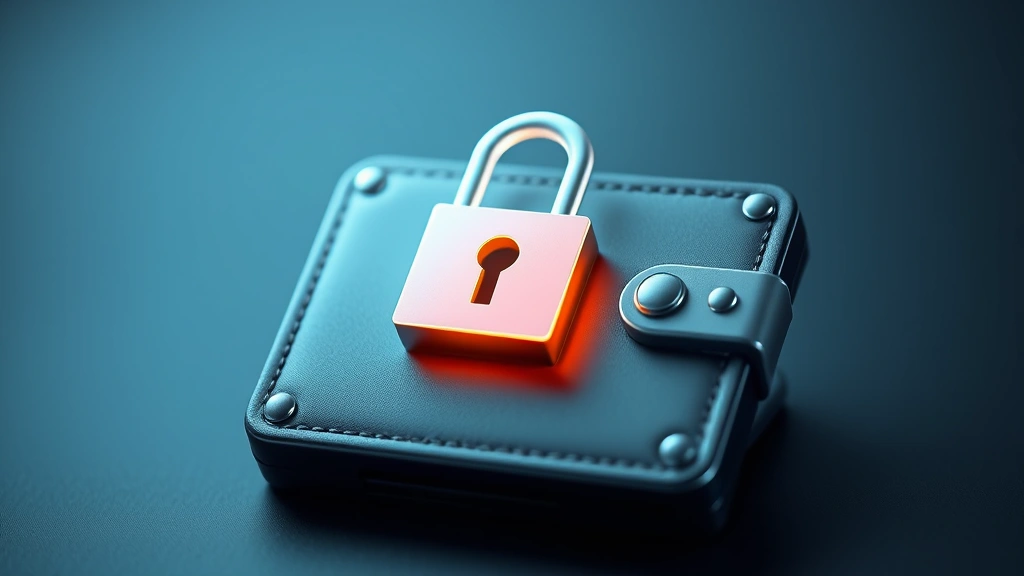
A Bitcoin wallet is software that stores your private keys and allows you to send and receive Bitcoin. Wallets come in several varieties, each with different security and convenience tradeoffs. Understanding wallet types is essential before purchasing Bitcoin, as choosing the wrong storage method could expose your assets to theft or loss.
Hot wallets are internet-connected applications or websites that offer convenience for frequent transactions but carry higher security risks. These include mobile wallets, desktop wallets, and exchange wallets. Cold wallets are offline storage devices like hardware wallets or paper wallets, offering superior security for long-term holding but less convenience for frequent trading.
Hardware wallets—physical devices that store private keys offline—represent the gold standard for security. Popular options include Ledger and Trezor. These devices keep your private keys isolated from internet-connected computers, protecting them from hacking attempts. However, hardware wallets cost money and require careful management; if you lose the device and your recovery seed, you lose your Bitcoin permanently.
Paper wallets involve printing your private key and public address on paper, then storing the paper securely. This offers excellent security but creates physical vulnerability—fire, water damage, or theft could result in permanent loss. Exchange wallets are the least secure option but most convenient for active trading. Using an exchange wallet for long-term storage is generally not recommended, as exchanges have been hacked throughout cryptocurrency history.
Understanding Price Volatility
Bitcoin’s price fluctuates dramatically, sometimes changing by 10-20% in a single day. This volatility stems from several factors: limited historical price data compared to traditional assets, relatively small market size, regulatory news, macroeconomic events, and the fact that Bitcoin has no intrinsic cash flows to anchor its valuation like stocks or bonds.
When Bitcoin is crashing, panic selling often accelerates price declines as investors rush to exit positions. Conversely, positive news can trigger rapid price increases as buyers rush in, fearing they’ll miss gains. This creates boom-and-bust cycles that can be psychologically challenging for investors.
Understanding that should I buy Bitcoin now depends on your personal risk tolerance, investment timeline, and financial situation is crucial. Rather than trying to time the market, many investors use dollar cost averaging—investing a fixed amount regularly regardless of price—to reduce the impact of volatility.
Bitcoin’s volatility also reflects its nascent market status. As adoption increases and Bitcoin’s market capitalization grows, volatility typically decreases. Institutional investors have increasingly entered the Bitcoin market, providing more stable demand and potentially reducing extreme price swings over time.
Investment Considerations
Before investing in Bitcoin, honestly assess your financial situation and risk tolerance. Bitcoin is highly speculative; you could lose your entire investment. Never invest money you can’t afford to lose completely. Financial experts generally recommend allocating only a small percentage of your portfolio to speculative assets like cryptocurrency.
Consider your investment timeline and goals. Bitcoin is better suited for long-term holding rather than short-term trading, particularly for beginners. If you need your money within the next few years, Bitcoin’s volatility makes it a risky choice. Conversely, if you have a 5-10 year timeline and can tolerate significant price swings, Bitcoin might deserve consideration as a small portfolio allocation.
Before making any Bitcoin purchase, learn about how to invest in cryptocurrency properly. This includes understanding different investment approaches and strategies. Consider whether you align more with growth and value investing philosophies, as these influence how you evaluate Bitcoin as an investment.
Research reputable cryptocurrency exchanges where you can purchase Bitcoin. Established exchanges like Coinbase, Kraken, and Bitstamp have strong security records and regulatory compliance. Avoid unknown or poorly reviewed exchanges, as many have scammed users or been hacked. Once purchased, move your Bitcoin to a secure wallet rather than leaving it on the exchange.
Stay informed about Bitcoin developments by following CoinDesk, a leading cryptocurrency news source. Monitor regulatory developments, as government actions can significantly impact Bitcoin’s price and adoption. Join reputable cryptocurrency communities to discuss Bitcoin with experienced investors, but always verify information independently rather than accepting advice at face value.
FAQ
Is Bitcoin a good investment?
Bitcoin’s investment merits depend on your circumstances. It’s highly volatile and speculative, making it unsuitable for risk-averse investors or short-term needs. However, those with high risk tolerance and long time horizons might view Bitcoin as part of a diversified portfolio. Never invest more than you can afford to lose completely.
Can Bitcoin be hacked?
The Bitcoin network itself is extremely secure due to its Proof of Work consensus mechanism. However, individual wallets and exchanges can be hacked if security practices are poor. Using hardware wallets and enabling two-factor authentication significantly reduces hacking risks. Your security practices matter more than Bitcoin’s network security.
How many Bitcoin will ever exist?
Only 21 million Bitcoin will ever be created. This fixed supply is programmed into Bitcoin’s code and cannot be changed. Currently, over 21 million Bitcoin have been mined, with the final Bitcoin expected to be mined around 2140. This scarcity is a key feature distinguishing Bitcoin from government-issued currencies.
What determines Bitcoin’s price?
Bitcoin’s price reflects supply and demand dynamics. Factors influencing demand include regulatory news, institutional adoption, macroeconomic conditions, technological developments, and market sentiment. Because Bitcoin produces no cash flows or dividends, valuation is subjective, making price discovery challenging and contributing to volatility.
Is Bitcoin legal?
Bitcoin’s legal status varies by country. Most developed nations treat Bitcoin as property or a commodity, allowing ownership but regulating exchanges and transactions. Some countries have banned Bitcoin entirely. Research your jurisdiction’s laws before purchasing Bitcoin. Check resources like the SEC website for U.S. regulations or your country’s financial regulatory authority.
Can I lose my Bitcoin?
Yes, you can permanently lose Bitcoin if you lose your private keys, forget your wallet password, or store Bitcoin on an exchange that gets hacked. Unlike bank accounts, there’s no insurance or recovery mechanism. This emphasizes the importance of secure storage practices and keeping backups of your recovery seed in safe locations.
How do I start buying Bitcoin?
Start by creating an account on a reputable exchange, verifying your identity, and funding your account with fiat currency. Then purchase Bitcoin and transfer it to a secure wallet. For beginners, starting with small amounts while learning is prudent. Never rush into large purchases without fully understanding what you’re buying.


