
Bitcoin in France: Legal Insights and Updates
France has emerged as one of Europe’s most progressive nations regarding cryptocurrency regulation, striking a careful balance between innovation and consumer protection. The French government, through its financial regulatory bodies and legislative framework, has created a structured environment where Bitcoin and other digital assets can operate within clear legal boundaries. This comprehensive approach has positioned France as a leader in the European crypto landscape, attracting both institutional and retail investors who seek regulatory clarity.
The legal status of Bitcoin in France has evolved significantly over the past decade. Unlike some countries that have outright banned cryptocurrencies, France has chosen to embrace digital assets while implementing robust safeguards. Understanding the current regulatory framework, taxation requirements, and compliance obligations is essential for anyone engaging with Bitcoin in France, whether as an investor, trader, or business operator.

Bitcoin’s Legal Status in France
Bitcoin is not classified as legal tender in France, but it is recognized as a legitimate digital asset under French law. This distinction is crucial for understanding how the cryptocurrency operates within the French financial system. The French government does not mandate that businesses accept Bitcoin as payment, though some retailers and service providers have voluntarily chosen to do so. This approach mirrors the stance taken by most European Union member states, where cryptocurrencies are treated as property or assets rather than currency.
The legal framework distinguishes between different types of crypto assets. Bitcoin, as a decentralized cryptocurrency, differs from tokenized assets or stablecoins, which may face different regulatory requirements. French authorities have been careful to ensure that the legal status remains clear while avoiding overly restrictive measures that could stifle innovation. This pragmatic approach has helped France maintain its position as a crypto-friendly jurisdiction within the EU.
Private ownership of Bitcoin is entirely legal in France. French citizens and residents can purchase, hold, and sell Bitcoin without violating any laws. However, this right comes with corresponding obligations regarding tax reporting, anti-money laundering compliance, and disclosure requirements. The government’s position is that while Bitcoin ownership is permitted, it must be conducted transparently and in accordance with applicable financial regulations.
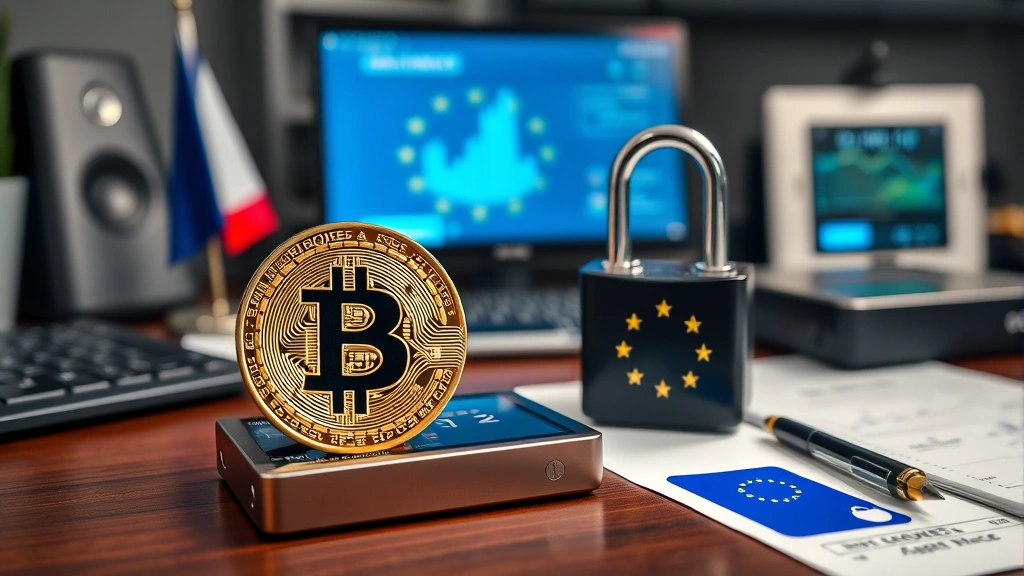
French Regulatory Framework and ANSM
The Autorité des Marchés Financiers (AMF) and the Autorité de Contrôle Prudentiel et de Résolution (ACPR) are the primary regulatory bodies overseeing cryptocurrency activities in France. The AMF focuses on market conduct and consumer protection, while the ACPR manages prudential regulation and anti-money laundering measures. Together, these institutions have developed comprehensive guidelines for cryptocurrency service providers, including exchanges, custodians, and wallet providers.
In 2019, France implemented the Action Plan on Blockchain, which outlined the government’s vision for integrating blockchain technology into the French financial system. This plan emphasized the importance of regulatory clarity while fostering technological innovation. The framework established licensing requirements for cryptocurrency exchange platforms and custodial service providers, ensuring that only qualified entities could offer these services to French consumers.
The French regulatory model requires cryptocurrency exchange platforms to obtain authorization from the ACPR before operating. These platforms must comply with strict anti-money laundering (AML) and know-your-customer (KYC) requirements. They must also maintain adequate capital reserves, implement robust cybersecurity measures, and establish clear complaint resolution procedures. This regulatory oversight has helped protect French consumers from fraudulent platforms and market manipulation.
France’s approach aligns with the European Union’s Markets in Crypto-Assets Regulation (MiCA), which came into effect in December 2023. This regulation creates a unified framework for crypto service providers across all EU member states, including France. MiCA establishes licensing requirements, operational standards, and consumer protection measures for crypto exchanges, custodians, and staking service providers.
Taxation of Bitcoin in France
Bitcoin taxation in France is one of the most critical aspects for investors and traders to understand. The French tax authority, Direction Générale des Finances Publiques (DGFP), treats Bitcoin gains as taxable income. The specific tax treatment depends on whether the activity is classified as investment or professional trading.
For long-term investors holding Bitcoin as a capital asset, gains are subject to capital gains tax. If you hold Bitcoin for more than two years and then sell it, the gains are typically taxed at a rate of 36.2%, which includes the standard income tax plus social contributions. However, if you sell within two years, the gains may be subject to higher ordinary income tax rates.
Professional traders who actively buy and sell Bitcoin are subject to different tax treatment. Their activities are classified as business income and taxed according to standard corporate or self-employment tax rates, which can range from 20% to 45% depending on income levels and business structure. This distinction is important because it significantly affects the overall tax burden.
The French tax authorities have become increasingly sophisticated in tracking Bitcoin transactions. They have agreements with major cryptocurrency exchanges to obtain information about French users’ trading activities. Additionally, French residents are required to declare their cryptocurrency holdings on their annual tax returns, even if they haven’t sold any Bitcoin during the year. Failure to report cryptocurrency income or holdings can result in penalties and interest charges.
One important consideration is the treatment of losses. French tax law allows investors to offset capital losses against capital gains, which can help reduce overall tax liability. However, losses cannot be carried forward to subsequent years, so careful tax planning is advisable for active traders.
Compliance and Reporting Requirements
French residents who own Bitcoin must comply with several reporting requirements. The most significant is the declaration of foreign financial assets, known as the “déclaration des revenus de capitaux mobiliers.” This form requires disclosure of all cryptocurrency holdings above certain thresholds, including Bitcoin wallets and exchange account balances.
Additionally, French citizens with Bitcoin holdings abroad must report these assets to French tax authorities as part of their annual tax filing. This requirement applies even if no transactions occurred during the year. The reporting threshold is relatively low, making compliance essential for all but the smallest holders.
Businesses operating in France that accept Bitcoin as payment or engage in cryptocurrency trading must maintain detailed records of all transactions. These records should include the date, amount, counterparty information, and the Euro equivalent value at the time of transaction. This documentation is necessary for both tax purposes and potential audits by regulatory authorities.
Anti-money laundering compliance is mandatory for all cryptocurrency transactions in France. When purchasing Bitcoin through regulated platforms, users must complete KYC verification, providing identification documents and proof of address. Large transactions (typically above €10,000) trigger additional reporting requirements under European AML regulations.
Bitcoin Trading and Investment Platforms
Several major cryptocurrency exchanges operate legally in France, including Kraken, Coinbase, and Bitstamp. These platforms have obtained the necessary regulatory approvals from French authorities and comply with all applicable regulations. When choosing a platform, French users should verify that the exchange has proper licensing and operates transparently.
Regulated platforms offer significant advantages, including ACPR supervision, segregated customer funds, and established complaint resolution procedures. They also implement advanced security measures to protect customer assets and personal information. Using unregulated or offshore platforms exposes French investors to substantial risks, including potential loss of funds with no regulatory recourse.
Beyond spot trading, some platforms offer Bitcoin derivatives products, including futures and options. These products are subject to additional regulatory oversight and may not be suitable for all investors. The AMF has issued warnings about the risks associated with leveraged trading and speculative derivatives, particularly for retail investors with limited experience.
French investors can also gain Bitcoin exposure through regulated investment vehicles. Several Bitcoin ETFs and investment funds have been approved for distribution in France, providing an alternative to direct ownership. These products offer convenience and tax efficiency for some investors, though they typically come with management fees.
Recent Regulatory Updates
The regulatory landscape for Bitcoin in France continues to evolve. In 2023 and 2024, French authorities have strengthened their focus on consumer protection and market integrity. The AMF has issued several warnings about unauthorized cryptocurrency service providers and fraudulent investment schemes targeting French consumers.
France has also been actively involved in European regulatory harmonization. The implementation of MiCA has created a more uniform regulatory environment across the EU, reducing regulatory arbitrage and enhancing cross-border cooperation. This development benefits French investors by ensuring consistent standards across European cryptocurrency platforms.
Environmental concerns related to Bitcoin mining have also entered the regulatory discussion in France. While the country has not implemented specific restrictions on Bitcoin mining, there is growing interest in promoting energy-efficient blockchain technologies. The French government has encouraged the development of sustainable crypto projects and has discussed potential environmental standards for crypto service providers.
Recent discussions within French regulatory bodies have focused on the potential creation of a central bank digital currency (CBDC), the digital Euro. While separate from Bitcoin, the development of a CBDC may influence how cryptocurrencies are regulated and integrated into the broader financial system in France.
Risks and Consumer Protection
Despite the legal framework, investing in Bitcoin carries inherent risks that French consumers should understand. Price volatility is perhaps the most obvious risk; Bitcoin’s value can fluctuate dramatically over short periods, potentially resulting in significant losses. Before investing, individuals should ensure they can afford to lose their investment and understand the volatility inherent in cryptocurrency markets.
Security risks are another major concern. If you store Bitcoin in a personal wallet, you become responsible for protecting your private keys. Loss of private keys means permanent loss of access to your Bitcoin, with no recovery mechanism. Using reputable wallet providers and implementing strong security practices is essential for protecting your assets.
Fraud and scams targeting cryptocurrency investors remain prevalent. Common schemes include phishing attacks, fake exchanges, and Ponzi schemes promising unrealistic returns. The French authorities regularly warn consumers about these threats and recommend using only authorized, regulated platforms.
Market manipulation and insider trading are concerns in the cryptocurrency markets, despite regulatory efforts to prevent them. The relative immaturity of crypto markets compared to traditional financial markets means that large trades can significantly impact prices. Retail investors should be aware of these dynamics when making investment decisions.
The regulatory environment itself presents a risk. Changes in French or European cryptocurrency regulation could affect Bitcoin’s legal status, taxation, or usability. Investors should stay informed about regulatory developments and adjust their strategies accordingly. Understanding the Bitcoin forecast 2025 can help investors anticipate potential regulatory and market changes.
For those concerned about price stability, exploring why Bitcoin is going up or reading analyses about whether Bitcoin is going to crash can provide valuable perspective on market dynamics. Additionally, reviewing broader cryptocurrency price predictions for 2025 may inform investment decisions.
Consumer protection mechanisms exist in France for cryptocurrency-related disputes. If a regulated platform engages in misconduct or fails to protect customer assets, consumers can file complaints with the AMF or ACPR. However, these protections are limited compared to traditional banking, and recovery of lost funds is not guaranteed.
Bitcoin Investment Options in France
French investors have multiple options for gaining Bitcoin exposure. Direct ownership through regulated exchanges remains the most common approach, allowing investors to maintain full control of their assets. However, this approach requires technical knowledge and responsibility for security.
Investment funds and ETFs provide an alternative for those seeking professional management and convenience. Several Bitcoin ETF options including Vanguard products are available to French investors through regulated channels. These vehicles offer tax efficiency and simplified reporting compared to direct ownership.
Some French banks and wealth management firms now offer cryptocurrency advisory services and custody solutions for high-net-worth individuals. These professional services typically include portfolio management, tax planning, and secure asset custody.
For those interested in understanding current market conditions and price information, FintechZoom Bitcoin price today provides real-time market data and analysis that can inform investment decisions.
FAQ
Is Bitcoin legal in France?
Yes, Bitcoin is legal in France. While not classified as legal tender, it is recognized as a digital asset under French law. Ownership, trading, and use of Bitcoin are permitted, provided activities comply with tax reporting and anti-money laundering requirements.
Do I need to pay taxes on Bitcoin in France?
Yes, Bitcoin gains are subject to taxation in France. Long-term capital gains (held over 2 years) are taxed at 36.2%, while shorter-term gains and professional trading income face higher rates. Annual reporting of cryptocurrency holdings is also required.
Which platforms can I use to buy Bitcoin in France?
Regulated platforms including Kraken, Coinbase, and Bitstamp operate legally in France with proper ACPR authorization. Always verify that a platform is officially licensed before depositing funds.
What are the main regulatory bodies overseeing Bitcoin in France?
The AMF (Autorité des Marchés Financiers) and ACPR (Autorité de Contrôle Prudentiel et de Résolution) are the primary regulators. The DGFP handles tax matters related to cryptocurrency.
Are there reporting requirements for Bitcoin holdings?
Yes, French residents must declare cryptocurrency holdings above certain thresholds on their annual tax returns. This applies regardless of whether transactions occurred during the year.
What happens if I don’t report Bitcoin gains?
Failure to report cryptocurrency income or holdings can result in significant penalties, interest charges, and potential legal consequences. The French tax authorities have increasing capabilities to detect unreported transactions through exchange data sharing agreements.
Can I mine Bitcoin in France?
Bitcoin mining is legal in France, though miners must comply with tax obligations and energy regulations. Mining income is subject to taxation, and miners must report their activities to tax authorities.
What is MiCA and how does it affect Bitcoin in France?
MiCA (Markets in Crypto-Assets Regulation) is an EU regulation that came into effect in December 2023, creating a unified framework for cryptocurrency service providers across all member states, including France. It establishes licensing requirements and consumer protection standards.