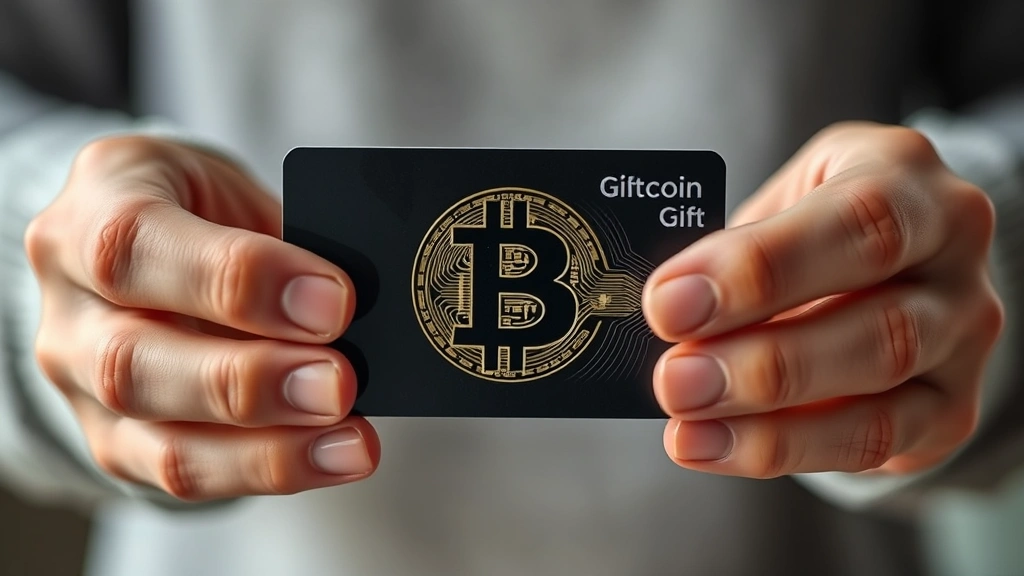
Are Bitcoin Gift Cards Safe? What Experts Say
Bitcoin gift cards have emerged as a popular way to introduce friends and family to cryptocurrency without requiring technical knowledge or complex wallet setups. These digital or physical cards allow recipients to redeem Bitcoin quickly and conveniently. However, as with any financial product involving cryptocurrency, safety concerns are paramount. Understanding the risks, security measures, and expert recommendations is essential before purchasing or gifting Bitcoin gift cards.
The cryptocurrency market has matured significantly, and so have the platforms offering Bitcoin gift cards. Major retailers, cryptocurrency exchanges, and specialized vendors now provide these products through various distribution channels. Yet questions remain: Are they truly secure? What vulnerabilities exist? And what do industry experts recommend? This comprehensive guide examines these questions in detail, drawing on expert opinions and practical security considerations.
What Are Bitcoin Gift Cards?
Bitcoin gift cards are prepaid vouchers that contain a specific amount of Bitcoin value. They function similarly to traditional gift cards but instead of loading funds onto a retailer’s platform, they load cryptocurrency directly into a digital wallet. Recipients can then hold, trade, or spend their Bitcoin depending on their preferences and the platforms they use.
These gift cards come in two primary formats: physical and digital. Physical gift cards resemble traditional prepaid cards and typically contain a QR code or redemption code printed on them. Digital gift cards are delivered via email or other electronic means and provide instant access to redemption codes. Both formats serve the purpose of making cryptocurrency gifting more accessible to those unfamiliar with cryptocurrency fundamentals.
The appeal of Bitcoin gift cards lies in their simplicity. Unlike traditional Bitcoin purchases that require identity verification, bank account linkage, and technical wallet knowledge, gift cards streamline the process. Recipients simply need to visit a website, enter their redemption code, and choose where to send their Bitcoin. This accessibility has made them particularly popular for holiday gifting and introducing newcomers to digital assets.
How Bitcoin Gift Cards Work
Understanding the mechanics of Bitcoin gift cards is crucial for evaluating their safety. The process typically involves several steps, each with its own security implications.
Purchase and Issuance: When you buy a Bitcoin gift card, you’re essentially purchasing a voucher from an authorized vendor. The vendor creates a unique redemption code tied to a specific amount of Bitcoin. This code is then either printed on a physical card or sent electronically. The Bitcoin itself doesn’t physically exist on the card—instead, the code serves as a key to unlock the promised Bitcoin value.
Redemption Process: The recipient visits the issuer’s website or app and enters their unique redemption code. They then provide a Bitcoin wallet address where they want the cryptocurrency sent. Once verified, the Bitcoin is transferred to their wallet, typically within minutes to hours depending on network conditions.
Custody and Storage: During the period between purchase and redemption, the Bitcoin is held in custody by the gift card issuer. This intermediary holding period creates potential security vulnerabilities, as the issuer becomes responsible for protecting the assets.
Several major platforms now offer Bitcoin gift cards, including Coinbase, Cash App, and specialized cryptocurrency retailers. Each platform uses slightly different security protocols, affecting the overall safety of the product.
Security Risks and Vulnerabilities
Despite their convenience, Bitcoin gift cards present several security challenges that both purchasers and recipients should understand. These risks range from technical vulnerabilities to human error.
Physical Card Theft and Loss: Physical Bitcoin gift cards can be stolen, lost, or damaged before redemption. Unlike traditional payment cards with fraud protection, Bitcoin transactions are irreversible. If someone steals a physical gift card and redeems it before the intended recipient, recovery is nearly impossible. The decentralized nature of Bitcoin means no customer service department can reverse the transaction.
Digital Code Exposure: Digital gift cards transmitted via email or messaging apps face interception risks. If an email account is compromised or a message is intercepted, attackers can access the redemption code and claim the Bitcoin. This risk is particularly acute if recipients don’t immediately redeem their codes.
Issuer Insolvency: Bitcoin gift card issuers hold customer funds in custody. If an issuer experiences financial difficulties or goes bankrupt, customers’ Bitcoin could be at risk. While some platforms maintain insurance coverage, this protection isn’t universal across all providers.
Redemption Code Vulnerabilities: Poorly generated or predictable redemption codes could theoretically be guessed or brute-forced by attackers. However, reputable issuers use cryptographically secure code generation that makes this attack vector extremely unlikely.
Phishing and Social Engineering: Scammers often create fake gift card websites that mimic legitimate platforms. Unsuspecting users who visit these fraudulent sites and enter their redemption codes immediately lose access to their Bitcoin. This remains one of the most common attack vectors in the cryptocurrency space.
Regulatory and Compliance Risks: The regulatory status of Bitcoin gift cards remains unclear in many jurisdictions. Some regions are tightening regulations around cryptocurrency products, which could affect the availability or functionality of these gift cards.
Expert Safety Recommendations
Cryptocurrency security experts and industry analysts have developed comprehensive recommendations for safely purchasing and using Bitcoin gift cards. These recommendations address both technical and behavioral aspects of security.
Purchase from Established Vendors: Security experts unanimously recommend purchasing Bitcoin gift cards only from well-established, regulated platforms. Vendors like Coinbase, which is a publicly traded company, offer greater accountability and regulatory oversight than unknown third-party sellers. According to CoinDesk, the leading cryptocurrency news outlet, brand reputation and regulatory compliance should be primary selection criteria.
Verify Authenticity Before Purchase: Before buying any Bitcoin gift card, verify the seller’s authenticity. Check official websites directly by typing the URL into your browser rather than following links from emails or advertisements. Look for security indicators like HTTPS encryption and official company verification badges.
Secure Physical Cards Immediately: If purchasing physical gift cards, treat them like cash. Store them in a safe location immediately upon receipt. Never leave them visible or unattended. Some experts recommend photographing the redemption code and storing the image in an encrypted location separate from the card itself, though this introduces additional risks if the image is compromised.
Redeem Promptly: Security professionals recommend redeeming gift cards as soon as possible after receipt. The longer a code remains unredeemed, the greater the window of opportunity for theft or fraud. Recipients should prioritize redemption to minimize exposure.
Use Secure Networks: When redeeming a Bitcoin gift card, always use a secure, private internet connection. Avoid public Wi-Fi networks, which can be intercepted by attackers. Using a Virtual Private Network (VPN) adds an additional layer of security during the redemption process.
Enable Two-Factor Authentication: If the gift card platform supports two-factor authentication on your account, enable it immediately. This adds a second security layer that prevents unauthorized access even if your password is compromised.
Choosing Reputable Providers
Not all Bitcoin gift card providers offer equivalent security levels. Evaluating providers requires examining multiple factors including regulatory status, insurance coverage, and track record.
Regulatory Compliance: The safest providers are those operating under clear regulatory frameworks. In the United States, platforms that hold cryptocurrency for customers must comply with FinCEN regulations and state money transmitter laws. Check whether a provider is registered with relevant financial regulators in your jurisdiction.
Insurance Coverage: Some Bitcoin gift card issuers maintain insurance policies that protect customer assets. Coinbase, for example, maintains insurance coverage for cryptocurrency held in custody. Understanding what happens if the platform is breached or experiences financial difficulties is essential.
Company Transparency: Reputable providers publish detailed security audits, maintain public security policies, and clearly explain how customer funds are protected. They should have dedicated security teams and publish regular transparency reports.
Customer Reviews and Track Record: Research provider histories through independent review sites and cryptocurrency forums. Long-standing platforms with positive security records are generally safer choices than newer entrants with limited track records.
Security Certifications: Look for providers that maintain SOC 2 compliance or similar security certifications. These third-party audits verify that companies maintain adequate security controls and data protection measures.
Best Practices for Buyers and Recipients
Both purchasers and recipients of Bitcoin gift cards should follow specific best practices to maximize security. These practices address the full lifecycle of gift card ownership.
For Buyers: Purchase Bitcoin gift cards only during secure online sessions on verified websites. Use strong passwords for any accounts you create on gift card platforms. Keep purchase receipts in a secure location, as these may be necessary for customer support if issues arise. Avoid purchasing from discount resellers or third-party marketplaces unless you can verify their legitimacy. Consider the recipient’s technical knowledge—gift cards work best for recipients who understand basic cryptocurrency concepts or are willing to learn.
For Recipients: Upon receiving a Bitcoin gift card, immediately verify its authenticity if possible. Before redeeming, research the issuer to confirm you’re visiting the legitimate website. Never share your redemption code with anyone, including customer support representatives (legitimate support won’t request this information). After redemption, verify that Bitcoin was received in your wallet before closing the browser or deleting any confirmation emails. Store the Bitcoin in a secure wallet appropriate to your needs—whether that’s a hardware wallet for long-term storage or an exchange wallet for active trading.
Understanding Your Wallet: Recipients should understand where their Bitcoin will be sent. A hardware wallet like Ledger or Trezor provides maximum security for long-term storage. Exchange wallets like those offered by Coinbase or Kraken provide easier access for trading but less security for long-term holding. Recipients should choose based on their intended use and technical comfort level.
Understanding the relationship between Bitcoin gift cards and broader cryptocurrency investment strategies helps recipients make informed decisions about their newly acquired assets. Bitcoin gift cards are entry points into the cryptocurrency ecosystem, not complete investment solutions.
Regulatory Landscape
The regulatory environment surrounding Bitcoin gift cards continues to evolve. Understanding current regulations and potential future changes is important for both safety and compliance.
Current Regulations: In the United States, Bitcoin gift card providers are typically regulated as money transmitters under FinCEN rules. This means they must implement Know Your Customer (KYC) and Anti-Money Laundering (AML) procedures. Some states impose additional requirements on money transmitters, including capital reserves and regular audits.
International Variations: Regulatory approaches vary significantly across jurisdictions. The European Union’s Markets in Crypto-Assets Regulation (MiCA) imposes strict requirements on cryptocurrency service providers. Some countries have banned or severely restricted cryptocurrency products, which may affect Bitcoin gift card availability.
Emerging Regulatory Trends: Financial regulators worldwide are increasing scrutiny of cryptocurrency products. The Financial Action Task Force (FATF) has issued guidance on cryptocurrency regulation that many countries are implementing. These regulatory developments may introduce additional verification requirements or restrictions on gift card sales.
Consumer Protection: Unlike traditional financial products, Bitcoin gift cards typically lack the consumer protections offered by deposit insurance or chargeback mechanisms. This regulatory gap means consumers bear greater responsibility for security. Advocates are pushing for clearer consumer protection frameworks, but these haven’t yet been universally implemented.
The regulatory landscape directly impacts Bitcoin’s broader market dynamics and accessibility. Gift card providers must balance user-friendly access with regulatory compliance, which can affect their security posture and operational capabilities.
Understanding the regulatory context helps users appreciate why certain security measures exist and why providers implement specific verification procedures. Regulatory compliance, while sometimes inconvenient, generally enhances security by ensuring providers meet minimum standards and maintain adequate oversight.
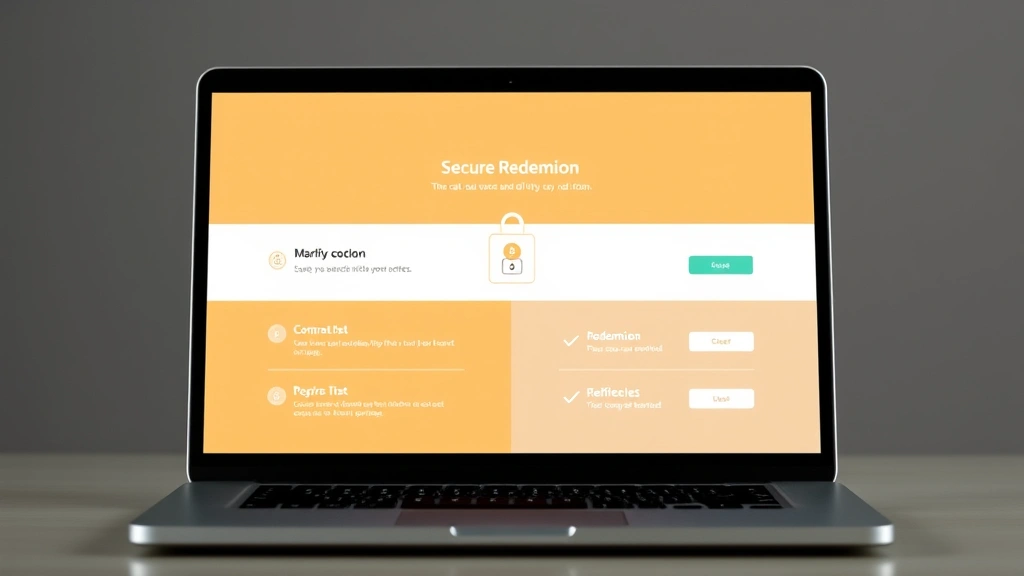
Expert Consensus on Safety: Leading cryptocurrency security researchers and industry experts generally agree that Bitcoin gift cards from reputable, regulated providers are reasonably safe when used properly. The primary risks stem not from the gift cards themselves but from user error, phishing attacks, and choosing unreliable vendors. Blockchain.com, a major cryptocurrency infrastructure provider, emphasizes that security depends more on user behavior than on the technology itself.
The consensus among experts is clear: Bitcoin gift cards are safe when purchased from established providers and redeemed promptly using secure practices. The risks are manageable through awareness and adherence to security best practices.
Comparative Safety Analysis: When compared to other cryptocurrency acquisition methods, gift cards present a mixed safety profile. They’re safer than peer-to-peer transactions with unknown sellers but potentially less secure than purchasing directly from your own bank account through established exchanges. They’re more convenient than mining but require trusting a custodian with your assets.
The safety profile also depends on your specific situation. For someone introducing themselves to cryptocurrency, gift cards offer a low-barrier entry point with limited financial risk if security practices are followed. For experienced cryptocurrency investors, monitoring Bitcoin price movements and using self-custody solutions may be preferable.
Real-World Security Incidents: While Bitcoin gift card platforms have experienced security breaches, major incidents remain relatively rare among established providers. Most security issues arise from user error—phishing attacks, weak passwords, or redemption on fake websites—rather than platform vulnerabilities. This pattern suggests that user education is as important as technical security measures.

Future Safety Improvements: The cryptocurrency industry is developing enhanced security measures for gift cards. These include biometric verification for redemption, enhanced encryption protocols, and integration with hardware wallets. As the industry matures, security standards for gift cards will likely improve substantially.
Understanding security developments helps users appreciate why choosing established providers matters. Larger platforms invest more heavily in security innovation and maintain better defenses against emerging threats.
Integration with Broader Crypto Strategy: Bitcoin gift cards work best as part of a broader cryptocurrency strategy. Recipients should understand how their gift card Bitcoin fits into their overall financial goals. Learning about fundamental analysis and market dynamics helps gift card recipients make informed decisions about holding, trading, or using their Bitcoin.
For those interested in larger Bitcoin acquisitions, gift cards represent just one of many available options. Understanding the relationship between gift cards and broader market participation helps contextualize their role in cryptocurrency adoption.
Major institutional players and market participants, including those tracking significant holdings like large Bitcoin holders and whales, typically use different acquisition methods. However, for retail users and gift-givers, Bitcoin gift cards remain a practical and reasonably secure option.
FAQ
Are Bitcoin gift cards insured?
Insurance coverage varies by provider. Coinbase and some other major platforms maintain insurance for cryptocurrency held in custody, but coverage limits and conditions differ. Always check with your specific provider about their insurance policies before relying on them for protection.
What happens if I lose my redemption code?
If you lose a digital redemption code, contact the gift card issuer’s customer support immediately. Most providers can help recover codes if you can verify your purchase. Physical cards with lost codes are more problematic—recovery depends on the issuer’s policies and your ability to prove purchase.
Can Bitcoin gift cards be refunded?
Refund policies vary significantly by provider. Most treat Bitcoin gift cards as non-refundable once purchased, similar to traditional gift cards. However, if a gift card is defective or never received, providers may offer replacements. Once redeemed and Bitcoin is transferred to a wallet, reversal is impossible due to blockchain immutability.
Is it safe to send Bitcoin gift cards via email?
Email transmission carries interception risks, though major providers use encryption. For maximum security, consider delivering gift cards in person or through multiple communication channels. If using email, use a secure email provider and encourage recipients to redeem immediately.
What should I do if my gift card code is compromised?
If you suspect your redemption code has been compromised, contact the issuer immediately. Don’t attempt to redeem it yourself if you believe someone else has access. Provide the issuer with details of how the code may have been exposed. Time is critical—the faster you act, the better your chances of recovery.
Can I use Bitcoin gift cards anonymously?
Modern Bitcoin gift card providers require identity verification due to AML/KYC regulations. This means neither purchasers nor recipients can remain completely anonymous. However, once Bitcoin is redeemed into a self-custody wallet, users gain greater privacy in subsequent transactions.
Which Bitcoin gift card provider is safest?
Coinbase, Cash App, and other major, regulated platforms generally offer the highest security standards. Look for providers with regulatory compliance, insurance coverage, published security audits, and positive user reviews. Avoid lesser-known providers without verifiable security credentials.
How long does Bitcoin redemption take?
Most Bitcoin gift card redemptions complete within minutes to several hours, depending on network conditions. The actual Bitcoin transfer occurs on the blockchain and may take 10 minutes to an hour for full confirmation, depending on current network congestion.


