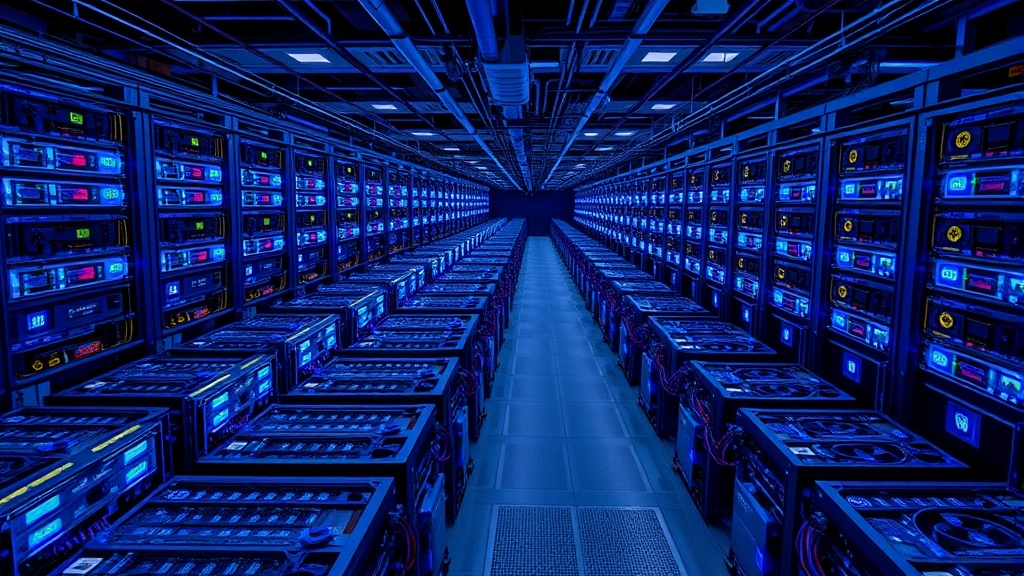
Is Free Bitcoin Mining Possible? Insider’s Perspective
Bitcoin mining has become one of the most discussed topics in the cryptocurrency world, with many newcomers wondering if they can participate without significant financial investment. The short answer is: yes, free bitcoin mining is technically possible, but the reality is far more nuanced than the marketing claims suggest. In this comprehensive guide, we’ll explore the legitimate methods of free bitcoin mining, examine why the industry has evolved away from consumer participation, and provide you with an insider’s perspective on what actually works in 2024.
The allure of earning free bitcoin without spending money upfront has attracted millions of people to mining operations. However, most individuals attempting free mining methods find themselves competing against industrial-scale operations with millions of dollars in infrastructure. Understanding this landscape is crucial before you invest your time and electricity into any mining endeavor.
How Bitcoin Mining Actually Works
Before diving into free mining methods, you need to understand what bitcoin mining actually involves. Bitcoin mining is the process of validating transactions on the Bitcoin network and adding new blocks to the blockchain. Miners compete to solve complex mathematical puzzles, and the first to solve the puzzle gets to add the next block and receives a reward in newly minted bitcoin plus transaction fees.
The mining process requires significant computational power. Modern mining uses Application-Specific Integrated Circuits (ASICs), specialized hardware designed solely for bitcoin mining. These machines perform trillions of calculations per second, consuming enormous amounts of electricity. The difficulty of these puzzles automatically adjusts every 2,016 blocks (approximately two weeks) to maintain an average block time of 10 minutes, regardless of total network hash power.
The current block reward is 6.25 bitcoin per block (reduced from 12.5 after the 2020 halving and from 25 before that). With blocks produced approximately every 10 minutes, roughly 900 bitcoin enter circulation daily. This reward will continue halving approximately every four years until 2140, when all 21 million bitcoin will have been mined.
Free Bitcoin Mining Methods That Still Exist
Despite the industrial nature of modern mining, several legitimate methods for free bitcoin mining remain available to individuals, though returns are typically minimal.
Browser-Based Mining: Some websites offer browser-based mining where your computer’s processing power contributes to mining operations while you visit their site. The most legitimate example is Monero mining, though some sites claim to mine bitcoin. However, the computational efficiency is extremely poor compared to dedicated hardware, and you’ll earn fractions of a cent while your electricity costs mount.
Mobile Mining Applications: Apps claiming to mine bitcoin on smartphones exist, but they’re largely ineffective. Your phone’s processor simply cannot compete with ASIC miners. Most of these apps generate revenue through advertising rather than actual mining, meaning you’re essentially trading your attention for minimal cryptocurrency rewards.
Faucets and Rewards Programs: Bitcoin faucets distribute small amounts of bitcoin for completing tasks like watching ads, solving captchas, or playing games. Sites like Coinbase Earn, Brave Browser rewards, and traditional faucets offer legitimate ways to earn small amounts of bitcoin without mining hardware. While not technically mining, they provide free crypto for minimal effort.
Staking and Earning Programs: While not bitcoin mining specifically, various cryptocurrency investment platforms offer staking rewards for holding certain cryptocurrencies. These aren’t mining but provide passive income opportunities.
Cloud Mining and Hosted Solutions
Cloud mining services claim to allow you to mine bitcoin without owning hardware by renting computing power from large mining operations. The concept sounds appealing: you pay a fee, the company mines for you, and you receive the profits. However, this sector has become notorious for scams.
The Economics Don’t Work: Legitimate cloud mining services charge fees that typically exceed potential profits. If a company can mine bitcoin profitably, why would they sell that mining power to you at a discount? The answer is they often don’t—they’re frequently Ponzi schemes using new customer deposits to pay earlier investors.
Red Flags: Be extremely cautious of any service guaranteeing returns, offering lifetime contracts at fixed rates, or lacking transparent information about their mining operations. Reputable operations provide verifiable data about their hash rate, electricity costs, and hardware.
Legitimate Alternatives: Some established cryptocurrency exchanges and platforms offer mining-related services, though these typically involve purchasing actual mining contracts with realistic expectations rather than “free” mining schemes.
Mining Pools and Group Operations
Individual mining has become nearly impossible for profit due to network difficulty. Mining pools allow thousands of miners to combine their computational power, share rewards proportionally, and reduce variance in earnings.
Joining a mining pool is free in terms of upfront costs—you simply point your mining hardware to the pool’s servers. However, pools typically charge 1-4% fees from your rewards. Popular pools include Foundry USA, Antpool, and others. Even with pooled mining, you still need to own or lease expensive ASIC hardware.
Some pools offer “zero-fee” periods for new miners or reduced fees during certain conditions, but these are temporary incentives rather than truly free mining opportunities.
The Hidden Costs of Free Mining
Even when mining appears “free,” significant hidden costs emerge quickly.
Electricity Costs: This is the primary expense. An ASIC miner consuming 1,500 watts running 24/7 in a region with $0.12 per kilowatt-hour electricity costs approximately $130 monthly in power alone. With bitcoin price fluctuations, your mining operation must generate more than this just to break even.
Hardware Depreciation: Mining hardware becomes obsolete as network difficulty increases and new, more efficient models arrive. A miner that costs $5,000 today might be worth $1,000 in two years, representing a $4,000 loss even if you operate it profitably.
Cooling and Maintenance: ASIC miners generate substantial heat. You’ll need adequate ventilation, cooling systems, and regular maintenance. Some miners require replacement of thermal paste, fans, and other components annually.
Hosting and Facility Fees: If you use co-location services or mining farms, monthly hosting fees typically range from $100-$500+ depending on power costs in that region.
Network and Infrastructure: Reliable internet, backup power supplies, and proper electrical infrastructure add to total cost of ownership.
Why Free Mining Became Impractical
The evolution of bitcoin mining reveals why free mining is essentially impossible today. In bitcoin’s early years (2009-2012), you could mine profitably using a standard CPU or GPU. The network difficulty was low, and hardware was affordable.
As bitcoin gained value and adoption, miners invested in specialized equipment. GPU mining replaced CPU mining around 2010. ASIC mining emerged in 2013, delivering orders of magnitude more hash power than GPUs. Each innovation increased the barrier to entry.
Today’s network hash rate exceeds 600 exahashes per second. The total computational power of the Bitcoin network surpasses the world’s top supercomputers combined. A single ASIC miner represents a minuscule fraction of this total power. Without joining a large mining pool, your chances of solving a block solo are astronomically low—potentially millions of years of mining.
This evolution reflects cryptocurrency economics. As the asset becomes more valuable, competition intensifies, and only operations with scale, cheap electricity, and optimized hardware remain profitable.
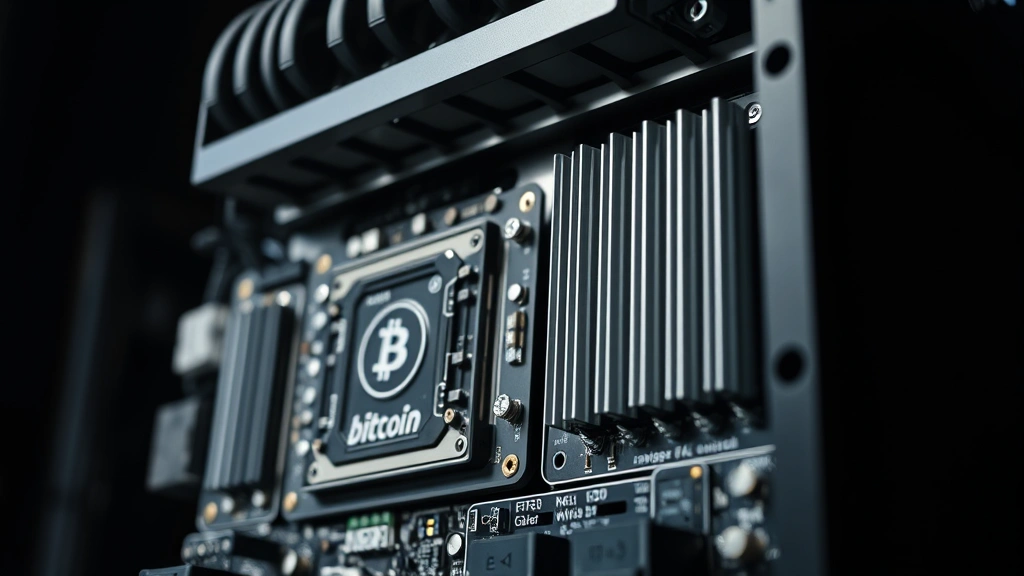
” alt=”Industrial bitcoin mining facility with rows of ASIC miners and cooling infrastructure” style=”max-width:100%;height:auto;margin:20px 0;”>
Alternative Ways to Earn Bitcoin
If free mining isn’t viable, several alternative methods exist for acquiring bitcoin without large capital investment.
Bitcoin Earning Platforms: Websites like Coinbase Earn, Kraken Learn, and Gemini Earn offer free cryptocurrency for educational content completion. While amounts are small (typically $1-$10 per lesson), they’re genuinely free and require no investment.
Staking Rewards: Many cryptocurrencies offer staking rewards, though bitcoin itself doesn’t support staking directly. However, services like Celsius, Nexo, and traditional banks increasingly offer bitcoin yield products, though these involve counterparty risk.
Freelance Work: Offering services for bitcoin payment is increasingly viable. Platforms like BTCPay, Spiral, and traditional freelance sites accept bitcoin, allowing you to convert labor directly into cryptocurrency.
Bitcoin Cashback: Credit card companies and shopping platforms increasingly offer bitcoin cashback rewards. Brands like Lolli, Fold, and some credit cards provide small amounts of bitcoin for purchases.
Yield Farming and DeFi: While not bitcoin-specific, DeFi protocols offer yield opportunities for crypto holdings. This involves risk but can generate returns on cryptocurrency assets.
Dollar-Cost Averaging: Rather than free mining, many find consistent small investments more practical than struggling with mining operations. Diversifying your investment portfolio with regular bitcoin purchases often yields better results than free mining attempts.
Trading and Arbitrage: While requiring more skill and carrying greater risk, some traders profit from cryptocurrency price differences across exchanges or between spot and futures markets.
The most realistic path for most people involves combining multiple small earning methods: completing faucet tasks, earning cashback on purchases, potentially running a small mining operation if electricity costs are favorable, and making regular strategic investments. This diversified approach to acquiring bitcoin often outperforms relying solely on any single method.

” alt=”Person researching cryptocurrency investments on computer with multiple blockchain data sources displayed” style=”max-width:100%;height:auto;margin:20px 0;”>
Understanding the current state of bitcoin mining helps contextualize why the “free mining” dream has largely evaporated. The network’s security and Bitcoin’s value depend on this competitive environment. While industrial mining generates billions in value annually, individual free miners cannot realistically compete. However, this doesn’t mean earning free bitcoin is impossible—it simply means utilizing alternative methods that align with your circumstances and available resources.
For those seriously interested in mining, the path typically involves purchasing ASIC hardware, securing low-cost electricity access, joining mining pools, and treating it as a legitimate business operation rather than a side income source. For most people, understanding portfolio diversification and exploring alternative earning methods provides more practical paths to bitcoin accumulation.
FAQ
Can you really mine bitcoin for free?
Technically, you can mine bitcoin using free software and existing hardware, but you won’t earn meaningful amounts. The electricity costs and opportunity costs of mining make it economically unviable without specialized ASIC hardware and access to cheap electricity. Browser-based and mobile mining are largely ineffective.
What’s the best free bitcoin mining method?
The most practical “free” method involves using faucets, cashback programs, and reward platforms rather than actual mining. Coinbase Earn, Brave Browser rewards, and shopping cashback provide genuine free bitcoin for minimal effort, though amounts are small.
Is cloud mining a legitimate way to earn free bitcoin?
Most cloud mining services are scams or economically unfavorable. If a company can mine bitcoin profitably, they won’t sell that capability to you at a profit. Legitimate services exist but charge fees that often exceed potential returns. Always research thoroughly and verify claims.
How much could I earn from free bitcoin mining today?
Using consumer-grade hardware, you might earn $0.01-$0.10 daily after electricity costs. With professional ASIC hardware and cheap electricity, profitability depends on hardware cost, electricity rate, and current bitcoin price, typically ranging from 5-30% annual returns for efficient operations.
What happened to CPU and GPU mining?
These became obsolete as ASIC miners emerged. A modern ASIC miner performs billions of times more hashes per second than a CPU or GPU. Network difficulty adjusted upward, making consumer hardware unprofitable. Today, serious mining exclusively uses ASIC hardware.
Is mining bitcoin worth it for beginners?
For most beginners, mining isn’t worth the complexity and capital investment. Unless you have access to extremely cheap electricity and capital for hardware, alternative earning methods or strategic investment typically provide better returns. Mining is now primarily a business for large operations.
What’s the difference between mining and staking?
Mining involves solving computational puzzles to validate transactions and secure the network, requiring significant electricity and specialized hardware. Staking involves holding cryptocurrency and validating transactions through proof-of-stake mechanisms, requiring minimal resources. Bitcoin uses mining; other cryptocurrencies use staking.
Can I mine bitcoin on my laptop?
Technically yes, but you’ll earn virtually nothing while damaging your laptop through excessive heat and strain. Your electricity costs will exceed any earnings. This is not a viable or recommended approach.


