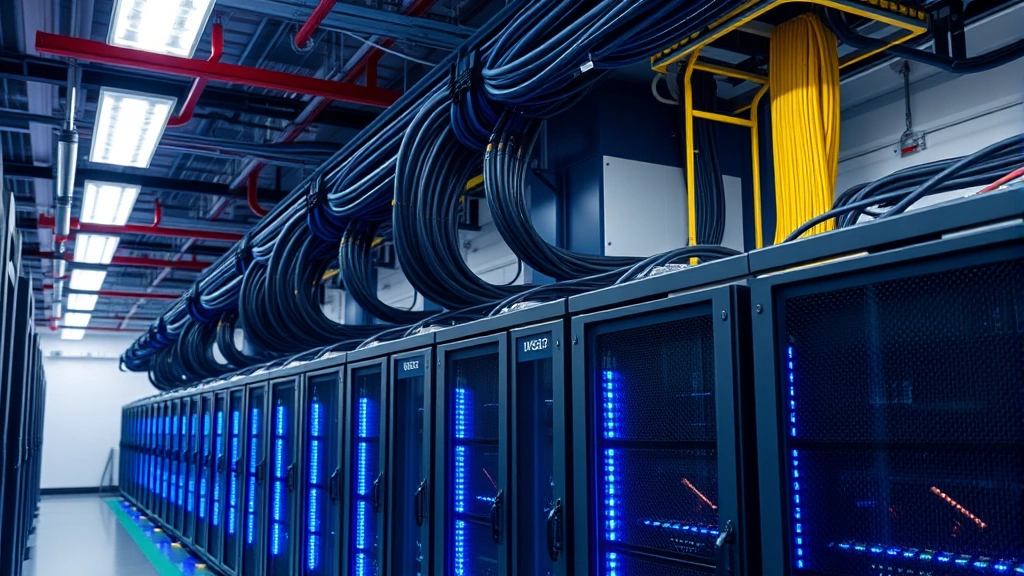
Is Bitcoin Mining Profitable? Detailed Analysis
Bitcoin mining profitability remains one of the most debated topics in the cryptocurrency space. With the rise of institutional adoption and proposals like the Trump Bitcoin Reserve, understanding whether mining operations can generate sustainable returns has never been more critical. This comprehensive guide examines the factors that determine profitability, current market conditions, and what miners need to know before investing in equipment and infrastructure.
The profitability of bitcoin mining depends on multiple interconnected variables: hardware costs, electricity expenses, network difficulty, bitcoin price volatility, and operational efficiency. While some miners operate at substantial profits, others struggle with razor-thin margins or losses. The landscape has evolved dramatically since mining’s early days when anyone with a personal computer could generate coins profitably.
Understanding Bitcoin Mining Fundamentals
Bitcoin mining is the process by which new bitcoins enter circulation and transactions are validated on the blockchain. Miners compete to solve complex mathematical puzzles, and the first to solve the puzzle gets to add a new block to the blockchain and receive a reward. This reward currently consists of newly minted bitcoins plus transaction fees.
The mining process requires substantial computational power, which translates directly into electricity consumption. Understanding this fundamental relationship is essential for assessing profitability. Miners must balance the computing power they deploy against the costs incurred and the rewards earned. The bitcoin price movements significantly impact whether mining remains economically viable from month to month.
Modern bitcoin mining operates primarily through Application-Specific Integrated Circuits (ASICs), specialized hardware designed exclusively for mining. These machines represent the technological pinnacle of mining efficiency but come with substantial upfront capital requirements. The efficiency of ASIC miners is measured in hashes per joule, indicating how much computational work can be performed per unit of energy consumed.
Hardware Costs and Equipment Selection
The initial capital investment in mining hardware represents one of the largest barriers to entry. Contemporary ASIC miners range from several thousand to tens of thousands of dollars for industrial-grade equipment. Popular models like the Antminer S19 Pro, Whatsminer M30S, and Avalon A1246 dominate the market, each with different efficiency ratings and price points.
Hardware selection requires careful consideration of several factors. Efficiency metrics determine how much power the machine consumes relative to its computational output. A more efficient miner produces the same hashes with less electricity, directly improving profitability. However, newer, more efficient models command premium prices, and miners must calculate whether the efficiency gains justify the additional upfront cost.
The lifespan of mining hardware typically ranges from three to five years before technological obsolescence makes it unprofitable to operate. This depreciation must factor into profitability calculations. Some miners purchase used equipment to reduce initial costs, but this introduces reliability risks and potentially shorter operational lifespans. The decision between new and used equipment involves complex trade-offs between capital efficiency and operational reliability.
Geographic location influences hardware selection as well. Miners in regions with abundant renewable energy or industrial waste heat can operate less efficient hardware profitably, while those in high-cost electricity areas require maximum efficiency. Understanding your local energy costs is therefore essential before purchasing any equipment.
Electricity Costs: The Primary Expense
Electricity represents the dominant operational cost for bitcoin miners, typically accounting for 50-80% of total mining expenses depending on local power rates and hardware efficiency. A miner consuming 3,500 watts continuously in a region with $0.12 per kilowatt-hour electricity costs will spend approximately $3,686 monthly on power alone, or roughly $44,232 annually.
Electricity costs vary dramatically by geography. Iceland, with abundant geothermal energy, offers rates as low as $0.03-0.05 per kilowatt-hour. Conversely, densely populated urban areas with high demand may charge $0.20 or more. This geographic arbitrage has driven mining operations toward regions with cheap, renewable, or stranded energy sources.
The relationship between electricity costs and bitcoin price creates a profitability floor. When bitcoin’s price drops too low, miners cannot cover electricity costs and must shut down operations. Historically, this has occurred during bear markets, with mining difficulty subsequently declining as unprofitable operations cease. The diversification benefits of mining within a broader investment strategy depend partly on understanding these cost structures.
Beyond base electricity rates, miners must consider cooling costs, which can be substantial in hot climates. Industrial-scale operations often locate in cool regions or utilize specialized cooling systems. Some innovative operations use mining waste heat for district heating or other applications, effectively subsidizing mining costs.
Mining Difficulty and Network Hash Rate
Bitcoin’s mining difficulty adjusts approximately every two weeks to maintain consistent block production time of roughly ten minutes. As more miners join the network, difficulty increases, making it harder for each individual miner to solve blocks. Conversely, when miners exit the network, difficulty decreases.
The network hash rate—the combined computational power of all miners—directly correlates with mining difficulty. When the hash rate increases, individual miners’ share of rewards decreases unless they proportionally increase their own computational power. This creates a competitive dynamic where miners must continuously upgrade equipment to maintain profitability.
Predicting difficulty changes requires analyzing trends in hash rate and miner behavior. During bull markets when bitcoin prices surge, mining becomes more attractive, drawing new participants and increasing difficulty. During bear markets, unprofitable miners shut down, reducing difficulty. Understanding these cycles helps miners make equipment investment decisions with longer time horizons.
The halving events that occur approximately every four years reduce block rewards by 50%, creating significant profitability challenges. The next halving will reduce rewards from 6.25 BTC to 3.125 BTC per block. Historical analysis shows that difficulty eventually adjusts downward following halvings, but the transition period creates stress on less efficient mining operations.
Bitcoin Price Impact on Profitability
Bitcoin’s price volatility fundamentally impacts mining economics. A 20% price decline reduces mining revenues proportionally while costs remain relatively fixed, potentially converting profitable operations into loss-making ventures. Conversely, significant price appreciation can make previously marginal operations highly profitable.
The relationship between price and profitability creates interesting dynamics. During price rallies, miners accumulate more revenue, which some use to purchase additional equipment, increasing network hash rate and difficulty. This self-correcting mechanism means that extraordinary mining profits typically don’t persist indefinitely. Proposals like the Scott Bessent Bitcoin Reserve could influence price dynamics and mining profitability through macroeconomic channels.
Sophisticated miners employ hedging strategies using bitcoin options trading to lock in prices and reduce exposure to volatility. Others hold mined bitcoins as long-term investments, betting that appreciation will offset periods of operational losses. These strategic choices significantly impact overall returns.
Mining profitability analysis must consider whether miners are evaluating returns in fiat currency or in bitcoin terms. A miner earning 0.1 BTC monthly might appear profitable in dollar terms at current prices but unprofitable if bitcoin subsequently declines 50%. Conversely, holding mined bitcoin during bull markets can generate substantial returns independent of mining efficiency.
Mining Pool vs Solo Mining Economics
Solo mining means competing individually to solve blocks, receiving full rewards when successful but facing extremely long periods without any reward. The probability of a solo miner solving a block depends on their share of network hash rate. A miner with 0.001% of network hash rate might wait months for a single block.
Mining pools distribute rewards among participants based on contributed computational power, providing more consistent, predictable income. Pools typically charge 1-3% fees for this service. For most miners, pools offer superior economics because consistent monthly rewards enable better cost management and planning than the variance of solo mining.
Pool selection involves evaluating fee structures, payout reliability, pool hash rate distribution (which affects decentralization), and technical support. Larger pools offer more consistent payouts but concentrate mining power, while smaller pools provide better decentralization but higher variance. Some miners split their equipment across multiple pools to balance these considerations.
The economics of pool mining make it accessible to smaller operators who could never profitably mine solo. However, pool mining introduces counterparty risk—pools could theoretically disappear or act dishonestly. Established pools like Foundry USA, Antpool, and Braiins have demonstrated reliability, but new miners should research pool history and reputation thoroughly.
Operational and Maintenance Costs
Beyond electricity, miners incur various operational expenses. Facility rent for dedicated mining space, internet connectivity, equipment maintenance, repairs, and replacement of failed components all accumulate. Industrial operations might spend 10-20% of gross mining revenue on these ancillary costs.
Equipment failure rates increase with age and ambient temperature. Properly cooled facilities experience fewer failures than operations in hot environments. Some miners budget 5-10% of equipment value annually for maintenance and replacement. A $100,000 mining operation might therefore require $5,000-10,000 yearly for upkeep.
Regulatory compliance and tax obligations vary by jurisdiction but represent additional costs. Some regions require mining operation permits, environmental compliance certifications, or business licenses. Tax treatment of mined bitcoins differs globally—some jurisdictions tax mining as income at the time of receipt, while others tax realized gains upon sale.
Logistics and supply chain management add complexity for large-scale operations. Sourcing reliable equipment, managing shipping, coordinating installation, and handling warranty claims require administrative overhead. These hidden costs often surprise new miners who underestimate the operational complexity of mining businesses.
Current Profitability Metrics
As of current market conditions, bitcoin mining profitability varies substantially by operation characteristics. A miner with access to $0.05 per kilowatt-hour electricity operating a modern ASIC consuming 3,500 watts might generate approximately $200-300 monthly profit at current bitcoin prices (assuming $40,000-50,000 BTC price range). The same operation in a $0.12 per kilowatt-hour region might barely break even or operate at a loss.
Industry sources like CoinDesk regularly publish mining profitability analyses and equipment reviews. The Blockchain.com mining dashboard provides real-time difficulty and revenue data. These resources help miners evaluate current conditions and make informed decisions about equipment purchases and operational scaling.
Profitability calculators available from equipment manufacturers and mining pools allow scenario analysis. Miners input equipment specifications, electricity costs, and current bitcoin price to estimate monthly returns. These tools prove invaluable for due diligence but require accurate input assumptions to produce meaningful results.
The mining industry has reached relative maturity where only well-capitalized, efficiently-operated ventures generate substantial profits. Small-scale hobbyist mining rarely produces returns exceeding equipment costs and operational expenses, though some enthusiasts continue for educational purposes or philosophical commitment to network security.
Risk Factors and Market Volatility
Bitcoin mining profitability faces numerous risks beyond simple price and difficulty changes. Regulatory changes could impose restrictions on mining operations or electricity consumption, particularly in regions concerned about environmental impact. Technological breakthroughs in quantum computing theoretically could disrupt bitcoin’s security model, though this remains highly speculative.
Environmental concerns have driven policy discussions in some jurisdictions regarding proof-of-work mining’s energy consumption. The U.S. Environmental Protection Agency has begun studying mining’s environmental impact. Potential carbon taxes or mining restrictions could significantly impact operations in affected regions.
Competition from larger, better-capitalized mining firms creates pressure on smaller operators. Large operations achieve economies of scale in equipment procurement, facility costs, and electricity negotiation that individual miners cannot match. This consolidation trend toward industrial-scale mining may continue, potentially reducing profitability for hobbyist miners.
Hardware obsolescence represents an ongoing risk. Technological improvements might render current-generation equipment unprofitable faster than historical trends suggest. Miners must carefully evaluate whether their equipment will remain viable through the entire projected payback period.
The relationship between technical analysis and mining decisions deserves attention. While technical analysis primarily applies to trading, some miners use technical indicators to time equipment purchases or operational scaling decisions, attempting to anticipate price movements and difficulty adjustments.
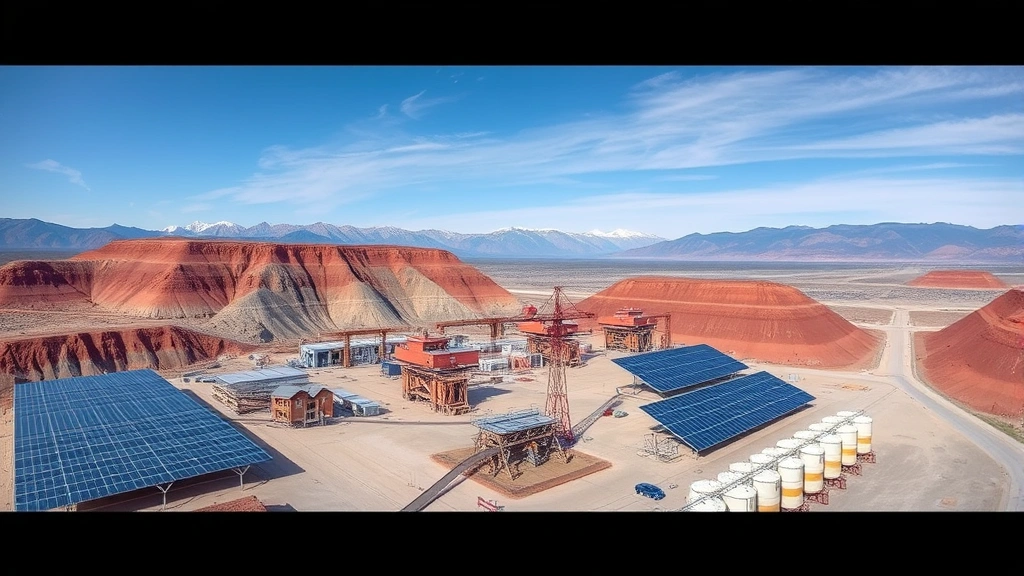
” alt=”Modern ASIC mining hardware in industrial facility with blue LED indicators and organized cable management, showing rows of mining equipment in climate-controlled environment”>
Long-Term Profitability Outlook
Long-term bitcoin mining profitability depends on whether operational efficiency improvements can outpace difficulty increases and whether bitcoin maintains or increases its price. Historical analysis suggests that mining profitability cycles with bitcoin’s price, creating boom-bust dynamics in the industry.
Some analysts argue that as bitcoin matures, mining will transition toward a steady-state equilibrium where mining profitability stabilizes around operational costs plus a reasonable return on capital. Others contend that mining will remain volatile due to bitcoin’s inherent price volatility and the competitive dynamics of the industry.
The upcoming halving events will test mining economics as rewards decrease. Miners with access to the cheapest electricity and most efficient equipment will survive and thrive, while marginal operations will exit the market. This natural selection process should strengthen the network by concentrating mining among the most efficient participants.
Emerging trends like renewable energy integration, waste heat utilization, and vertical integration with electricity generation show promise for improving mining profitability. Miners who can secure cheap renewable energy or develop innovative approaches to cost reduction gain competitive advantages.
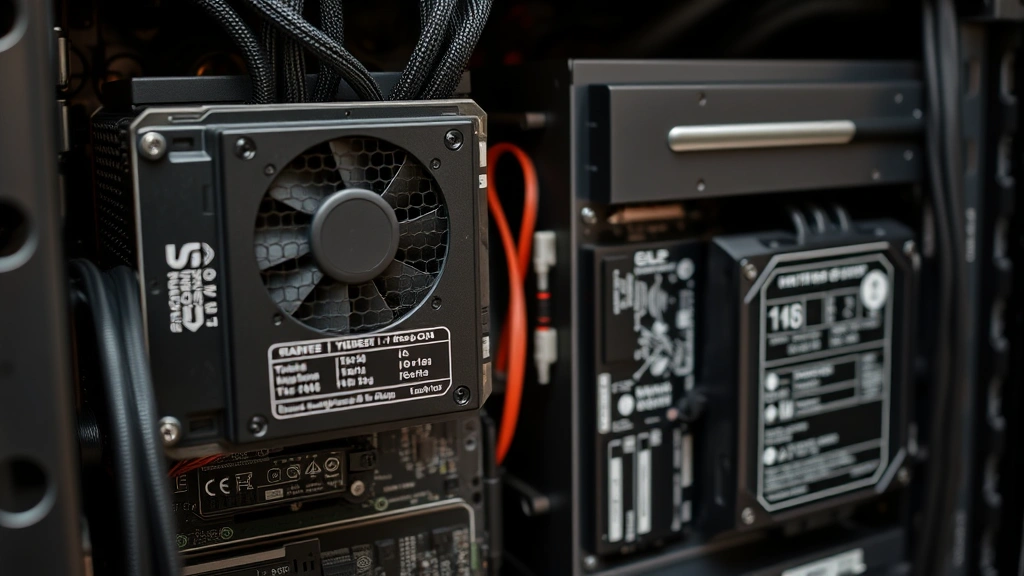
” alt=”Aerial view of large-scale mining operation powered by renewable energy with solar panels visible, showing industrial facility in remote location with mountains in background”>
Making the Mining Decision
Prospective miners should conduct thorough financial analysis before committing capital to equipment and facilities. Critical questions include: Can you reliably access electricity below $0.08 per kilowatt-hour? Do you have adequate capital to weather 6-12 months of unfavorable conditions? Can you manage technical operations or hire qualified personnel? Are you prepared for regulatory uncertainty?
Start-up costs matter significantly. A small operation with one or two ASIC miners requires perhaps $10,000-30,000 in equipment plus facility setup. A mid-scale operation running 50-100 miners might require $500,000-1,000,000. Large industrial operations can cost millions. The capital requirements create natural barriers that limit who can participate profitably.
Realistic profitability expectations help separate serious miners from those with unrealistic hopes. Many online calculators and promotional materials overestimate returns by assuming constant conditions. Prudent miners apply conservative assumptions about difficulty increases, potential price declines, and unexpected operational costs.
Consider whether mining aligns with your broader investment strategy. If you believe bitcoin will appreciate significantly, mining provides leveraged exposure to price appreciation beyond the direct mining rewards. Conversely, if you’re skeptical about bitcoin’s long-term prospects, mining economics become less attractive.


