
Bitcoin Price in Pakistan: Latest Market Trends and Investment Insights
The cryptocurrency market in Pakistan has experienced significant volatility and growth over the past few years, with Bitcoin emerging as the most prominent digital asset among Pakistani investors. Understanding the current bitcoin price in Pakistan requires examining multiple factors including global market movements, local regulatory changes, and the unique dynamics of Pakistan’s financial landscape. This comprehensive guide explores the latest trends, market conditions, and what they mean for Pakistani cryptocurrency enthusiasts and potential investors.
Pakistan’s crypto market has matured considerably, with increasing adoption among retail investors seeking alternative investment opportunities. The State Bank of Pakistan’s evolving stance on cryptocurrencies, combined with growing internet penetration and financial inclusion initiatives, has created a dynamic environment where Bitcoin trading flourishes despite regulatory uncertainties. Whether you’re a seasoned trader or a curious newcomer, understanding the nuances of Bitcoin pricing in Pakistan is essential for making informed investment decisions.
Current Bitcoin Price Trends in Pakistan
The bitcoin price in Pakistan typically trades at a premium compared to international markets, primarily due to currency conversion factors, local demand-supply dynamics, and trading platform margins. As of the latest market data, Bitcoin’s price in Pakistani Rupees (PKR) reflects both global price movements and local market conditions. Pakistani exchanges often display prices ranging from approximately 13 to 14 million PKR per Bitcoin, though this fluctuates based on real-time global market conditions and exchange rates.
Several key trends have shaped Bitcoin’s trajectory in Pakistan recently. The global cryptocurrency market’s overall health directly impacts local prices, as most Pakistani traders monitor international benchmarks. However, the PKR to USD exchange rate plays a crucial role in determining local prices. When the Pakistani Rupee weakens against the US Dollar, Bitcoin prices in PKR tend to increase proportionally, even if the global USD price remains stable. This currency dynamic is essential for understanding price movements in the Pakistani market.
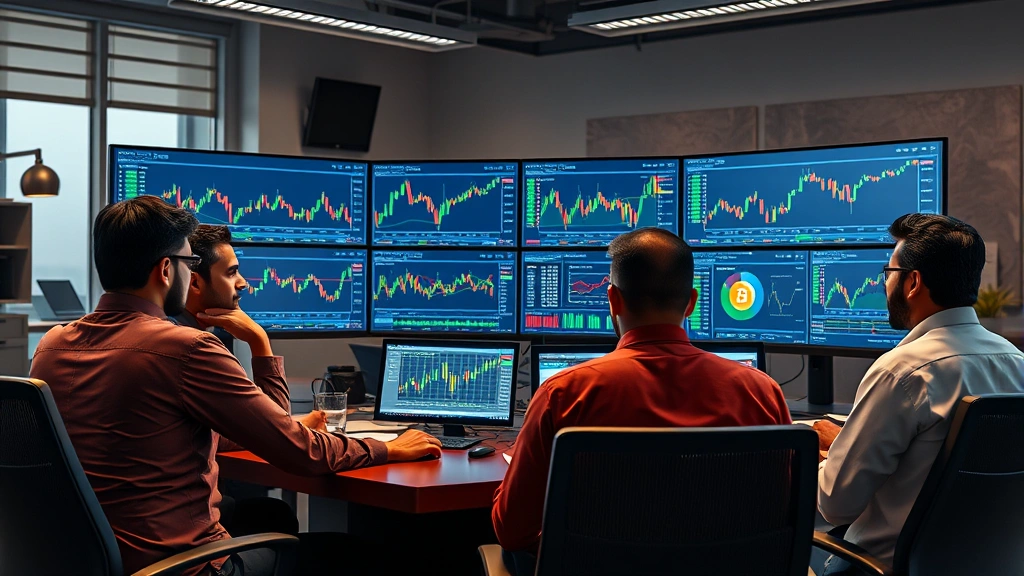
Market sentiment among Pakistani investors has become increasingly sophisticated. Retail traders now utilize technical analysis, follow global news, and participate in trading communities to make informed decisions. The emergence of peer-to-peer (P2P) trading platforms has also created alternative pricing mechanisms, sometimes offering different rates than centralized exchanges. These variations create opportunities for arbitrage but also highlight the fragmented nature of Pakistan’s Bitcoin market.
Factors Influencing Bitcoin Valuation Locally
Understanding what drives Bitcoin price movements in Pakistan requires examining multiple interconnected factors specific to the region. Currency depreciation remains one of the most significant influences. The Pakistani Rupee’s ongoing weakness against major currencies means that Bitcoin prices in PKR can surge even when the global USD price remains relatively stable. This creates unique opportunities and challenges for local investors.
Global macroeconomic events significantly impact Bitcoin pricing in Pakistan. When international markets experience uncertainty, investors often flee to Bitcoin as a store of value, driving up demand and prices globally. These movements are amplified in Pakistan due to the country’s economic vulnerabilities and capital controls. During periods of economic stress, Pakistani investors increasingly turn to cryptocurrency as a hedge against currency devaluation and inflation.
Local regulatory announcements and government policies create substantial price volatility. Any statement from the State Bank of Pakistan regarding cryptocurrency policy can trigger immediate price movements. Similarly, news about cryptocurrency-related arrests, exchange shutdowns, or new compliance requirements affects investor sentiment and trading volumes. The uncertainty surrounding Pakistan’s regulatory framework creates both risk and opportunity for traders.
Seasonal patterns also influence Bitcoin prices in Pakistan. During specific times of the year, such as periods when overseas Pakistanis send remittances home, increased liquidity can affect market dynamics. Additionally, cultural and religious considerations, such as the Islamic perspective on cryptocurrency, influence adoption rates and trading patterns among different investor segments.
The broader adoption of cryptocurrency in Pakistan’s economy affects demand and pricing. As more businesses accept Bitcoin for payments and more individuals recognize its utility, demand increases, potentially pushing prices higher. Conversely, negative news stories about fraud or scams involving cryptocurrency can dampen enthusiasm and reduce trading activity.
Trading Platforms and Exchange Rates
Pakistani investors access Bitcoin through various platforms, each offering different prices and features. Major local exchanges include platforms that provide PKR trading pairs directly with Bitcoin. These exchanges typically charge trading fees ranging from 0.1% to 2%, which affects the effective price investors pay. Understanding the fee structure of different platforms is crucial for minimizing costs and maximizing returns.
International exchanges offer alternative access points for Pakistani traders. Platforms like Coinbase and Kraken provide global pricing benchmarks. However, Pakistani users typically need to convert PKR to USD or other major currencies first, adding complexity and cost to transactions. This conversion process creates the price differential between local and international markets.
P2P trading platforms have revolutionized Bitcoin access in Pakistan by connecting buyers and sellers directly. Platforms like LocalBitcoins allow Pakistanis to trade Bitcoin for PKR without relying on centralized exchanges. These platforms often feature negotiated prices, which can be higher or lower than exchange rates depending on market conditions and individual seller preferences.
The choice of trading platform significantly impacts the effective price you pay for Bitcoin. While local exchanges offer convenience and direct PKR pairs, they may charge premium fees. International exchanges offer competitive pricing but require currency conversion. P2P platforms provide flexibility but carry counterparty risk. Successful Pakistani investors often use multiple platforms strategically to optimize their trading costs.
Regulatory Environment and Compliance
Pakistan’s regulatory approach to cryptocurrency remains complex and evolving. The State Bank of Pakistan has issued cautionary notices about cryptocurrency risks but has not implemented an outright ban. Banks are generally restricted from providing services to cryptocurrency exchanges, creating challenges for fiat-to-crypto conversions. However, this restriction has driven innovation in P2P trading and alternative payment methods.
Understanding the legal status of Bitcoin ownership in Pakistan is important for investors. While cryptocurrency trading is not explicitly illegal, it exists in a gray zone that creates uncertainty. Tax implications for cryptocurrency gains remain unclear, though the Federal Board of Revenue has begun addressing this issue. Investors should maintain detailed records of transactions for potential tax compliance purposes.
International pressure on Pakistan regarding anti-money laundering (AML) and counter-terrorism financing (CTF) compliance has influenced cryptocurrency regulation. The Financial Action Task Force recommendations have pushed Pakistani authorities toward stricter oversight. Recent developments include increased scrutiny of cryptocurrency transactions and pressure on exchanges to implement know-your-customer (KYC) procedures.
For Pakistani investors, compliance considerations include:
- Maintaining transaction records for potential tax purposes
- Using reputable exchanges with KYC requirements
- Avoiding unregulated or suspicious trading platforms
- Understanding the risks of regulatory changes
- Being aware of potential restrictions on fund transfers
The regulatory landscape is likely to evolve further. Recent global trends toward cryptocurrency regulation suggest Pakistan may eventually implement clearer frameworks. Staying informed about regulatory developments is essential for risk management.
Investment Strategies for Pakistani Investors
Developing effective investment strategies for Bitcoin in Pakistan requires understanding both global market dynamics and local conditions. Bitcoin Forecast 2025 provides valuable insights into potential price movements that Pakistani investors should consider when planning their investment approach.
Dollar-cost averaging (DCA) is a popular strategy among Pakistani investors. Rather than attempting to time the market, investors regularly purchase fixed amounts of Bitcoin regardless of price. This approach reduces the impact of volatility and removes emotional decision-making from the process. For Pakistani investors dealing with currency fluctuations, DCA can be particularly effective.
Long-term holding strategies align well with Bitcoin’s historical performance trends. Many Pakistani investors adopt a “hodl” mentality, purchasing Bitcoin and holding for extended periods. This strategy requires conviction in Bitcoin’s long-term value proposition and tolerance for short-term volatility. Understanding Bitcoin Rainbow Chart analysis can help investors identify potentially attractive entry points for long-term accumulation.
Portfolio diversification is crucial for managing risk. Rather than investing all funds in Bitcoin, prudent investors allocate portions to other assets. How to Diversify Your Investment Portfolio offers comprehensive guidance on building balanced investment strategies that include cryptocurrency alongside traditional assets.
Active trading strategies appeal to investors with time, expertise, and risk tolerance. Technical analysis, following market sentiment, and responding to news events can generate profits in volatile markets. However, active trading requires significant knowledge and carries higher risks. Pakistani traders engaging in active strategies should thoroughly educate themselves and start with small positions.
Understanding market cycles is essential for all strategies. Why Is Bitcoin Going Up and Is Bitcoin Going to Crash are questions Pakistani investors frequently ask. Studying historical patterns and understanding the factors driving price movements helps investors make more informed strategic decisions.
Risk Considerations and Market Volatility
Bitcoin’s volatility presents both opportunities and significant risks for Pakistani investors. Price swings of 10-20% in a single day are not uncommon, which can be psychologically challenging and financially devastating for unprepared investors. Understanding and accepting this volatility is fundamental to cryptocurrency investing.
Regulatory risk is particularly acute for Pakistani investors. Changes in government policy or international pressure could suddenly restrict cryptocurrency trading or implement taxes that significantly impact returns. The lack of clear legal frameworks creates ongoing uncertainty that sophisticated investors must account for in their risk assessments.
Security risks deserve serious attention. Cryptocurrency theft through hacking, phishing, or fraud remains a significant threat. Pakistani investors should use reputable exchanges, enable security features like two-factor authentication, and consider hardware wallets for long-term storage. Never leave substantial amounts on exchanges; secure storage in personal wallets provides better protection.
Counterparty risk applies when using exchanges or trading platforms. If an exchange becomes insolvent or is hacked, investor funds could be lost. Diversifying across multiple platforms and using regulated exchanges with insurance coverage reduces this risk. However, no platform is entirely risk-free.
Market manipulation concerns exist in Pakistan’s relatively smaller Bitcoin market. Low trading volumes on some platforms can make prices susceptible to manipulation. Investors should be cautious of unusual price movements and verify information across multiple sources before making trading decisions.
Liquidity risk can become problematic during market stress. During periods of extreme volatility, trading volumes may decline, making it difficult to execute large transactions at expected prices. Pakistani investors should maintain sufficient liquid reserves outside of cryptocurrency to handle emergencies without forced selling.
Future Outlook and Market Predictions
Predicting Bitcoin’s future price is inherently uncertain, but several trends suggest potential directions for Pakistani investors to monitor. Global adoption continues expanding, with increasing institutional interest potentially supporting long-term price appreciation. As more countries develop clearer regulatory frameworks, cryptocurrency’s legitimacy strengthens, which could benefit prices.
Pakistan-specific factors will likely shape the local market’s trajectory. Economic conditions, including inflation rates and currency stability, influence cryptocurrency adoption. If the Pakistani Rupee continues weakening, Bitcoin may become increasingly attractive as a store of value, potentially supporting higher prices in PKR terms.
Technological developments in the Bitcoin network and broader cryptocurrency ecosystem could impact valuations. Layer-2 solutions, improved scalability, and enhanced security features make Bitcoin more practical for everyday use. These developments could drive adoption and support price appreciation.
International regulatory trends will significantly influence Pakistan’s approach. If major economies implement favorable cryptocurrency regulations, Pakistan may follow suit, creating a more supportive environment for Bitcoin trading and investment. Conversely, if global crackdowns occur, Pakistan might implement stricter restrictions.
The intersection of traditional finance and cryptocurrency continues evolving. Central bank digital currencies (CBDCs) may eventually emerge in Pakistan, potentially changing the competitive landscape for Bitcoin. Investors should monitor developments in this area closely.
Institutional adoption in Pakistan remains limited but growing. As more Pakistani businesses and investment funds recognize Bitcoin’s potential, demand could increase significantly. This institutional interest would likely support price appreciation and market stability.
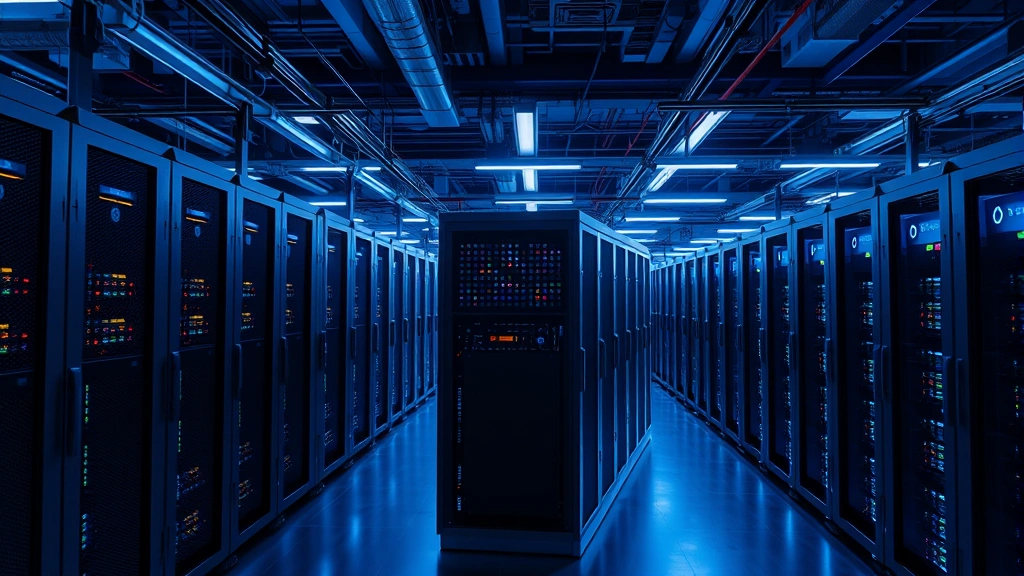
Climate and sustainability concerns regarding Bitcoin mining are increasingly relevant. Pakistan has abundant hydroelectric power resources, and Bitcoin mining operations are emerging in the country. If Pakistan becomes a significant mining hub, this could strengthen the local Bitcoin ecosystem and affect price dynamics.
FAQ
What is the current Bitcoin price in Pakistan?
Bitcoin prices in Pakistan fluctuate continuously based on global markets and exchange rates. As of recent data, Bitcoin typically trades between 13-14 million PKR, but this varies across different exchanges and real-time market conditions. Always check current prices on reputable local exchanges for the most accurate information.
Why is Bitcoin more expensive in Pakistan than internationally?
Bitcoin prices in Pakistan are higher in absolute PKR terms due to currency conversion and the depreciation of the Pakistani Rupee against the US Dollar. Additionally, local exchange fees and lower market liquidity can create price premiums. This is normal for cryptocurrency markets in developing countries.
Is it legal to buy Bitcoin in Pakistan?
Bitcoin ownership and trading exist in a legal gray area in Pakistan. It is not explicitly illegal, but the regulatory framework is unclear. Banks cannot directly support cryptocurrency exchanges, and tax treatment of cryptocurrency gains remains undefined. Investors should conduct their own research and consider consulting legal experts.
Which exchanges are safest for Pakistani Bitcoin traders?
Reputable exchanges with proper security measures, regulatory compliance, and transparent operations are safest. Look for platforms implementing KYC requirements, two-factor authentication, and insurance coverage. Local exchanges with established reputations and international platforms with Pakistani user support offer options worth considering.
How can I minimize risks when investing in Bitcoin in Pakistan?
Risk minimization strategies include: using reputable exchanges, enabling all available security features, diversifying across platforms, maintaining adequate reserves outside cryptocurrency, staying informed about regulatory developments, starting with small investments, and never investing more than you can afford to lose.
Should I invest in Bitcoin as a Pakistani investor?
This depends on your financial situation, risk tolerance, investment goals, and time horizon. Bitcoin offers potential benefits including portfolio diversification and hedge against currency depreciation. However, it carries substantial risks including volatility, regulatory uncertainty, and security threats. Consider your circumstances carefully and consult financial advisors if needed.
How do I convert PKR to Bitcoin?
You can convert PKR to Bitcoin through local exchanges, P2P trading platforms, or international exchanges. Local exchanges offer direct PKR pairs, P2P platforms allow negotiated transactions, and international exchanges require converting PKR to USD first. Compare fees and rates across options to find the most cost-effective method.
What factors affect Bitcoin price in Pakistan?
Key factors include global Bitcoin price movements, PKR to USD exchange rates, local regulatory announcements, demand from Pakistani investors, international economic conditions, cryptocurrency adoption rates, and local economic factors like inflation and currency stability.


