
Is Bitcoin a Safe Investment? Analyst Insights
Bitcoin has evolved from a niche digital experiment into a multi-trillion-dollar asset class that captures the attention of institutional investors, retail traders, and financial analysts worldwide. Yet the question of whether Bitcoin constitutes a safe investment remains contentious. Unlike traditional assets with centuries of market history, Bitcoin’s relatively short existence—spanning less than two decades—makes safety assessments inherently complex. This comprehensive guide examines Bitcoin’s risk profile, volatility characteristics, and the conditions under which it might fit responsibly into a diversified investment portfolio.
Safety in investing is rarely absolute. It exists on a spectrum, influenced by time horizon, risk tolerance, portfolio composition, and individual financial circumstances. For Bitcoin specifically, safety depends heavily on understanding both its technological foundations and market dynamics. Analysts increasingly recognize that Bitcoin’s role in portfolios differs fundamentally from traditional stocks or bonds, requiring distinct evaluation frameworks and risk management approaches.
Understanding Bitcoin’s Risk Profile
Bitcoin operates in a unique risk category that defies traditional investment classification. Unlike equities backed by company assets or bonds secured by collateral, Bitcoin’s value derives from network adoption, scarcity mechanics, and market sentiment. This fundamental difference means that standard risk assessment tools developed for conventional securities require significant adaptation.
The primary risks associated with Bitcoin investment include market volatility, regulatory uncertainty, technological obsolescence, and adoption challenges. Market volatility represents perhaps the most visible risk factor. Bitcoin’s price has experienced multiple corrections exceeding 50% from peak valuations, with some drawdowns surpassing 70% during bear markets. These dramatic swings can trigger panic selling among unprepared investors and force liquidations at unfavorable prices.
Regulatory risk constitutes another significant concern. Bitcoin operates within legal frameworks that continue evolving globally. Some jurisdictions embrace cryptocurrency innovation while others impose restrictions or outright bans. Changes in regulatory stance can substantially impact Bitcoin’s accessibility and utility, consequently affecting its investment appeal and market price.
Technology risk, though often underestimated, warrants serious consideration. Bitcoin’s underlying blockchain technology remains relatively young. While no successful attack has compromised the network’s core security, potential vulnerabilities in quantum computing, cryptographic algorithms, or protocol implementation could theoretically undermine Bitcoin’s fundamental value proposition. Additionally, newer blockchain technologies might eventually offer superior features, potentially reducing Bitcoin’s competitive advantage.
Volatility: The Double-Edged Sword
Bitcoin’s volatility presents both significant risks and potential opportunities, depending on investment strategy and time perspective. Historical data reveals that Bitcoin’s annual volatility typically ranges between 70-100%, substantially exceeding volatility in stock markets (historically around 15-20%) and far surpassing bonds (typically 5-10% or less).
Short-term traders may profit from this volatility through tactical positioning, but volatility simultaneously increases the likelihood of substantial losses, especially for leveraged positions. An investor purchasing Bitcoin at peak valuations during euphoric market phases and selling during panic-driven downturns could experience devastating losses. Conversely, long-term holders who maintain positions through multiple market cycles have historically recovered losses and achieved significant gains.
Research from leading crypto analytics firms demonstrates that Bitcoin holders maintaining positions for 4+ years have never experienced net losses when measured in USD terms across complete market cycles. This observation suggests that volatility risk decreases substantially with extended time horizons. Investors employing dollar cost averaging strategies further mitigate volatility risk by distributing purchases across multiple price points, reducing the impact of any single unfavorable entry price.
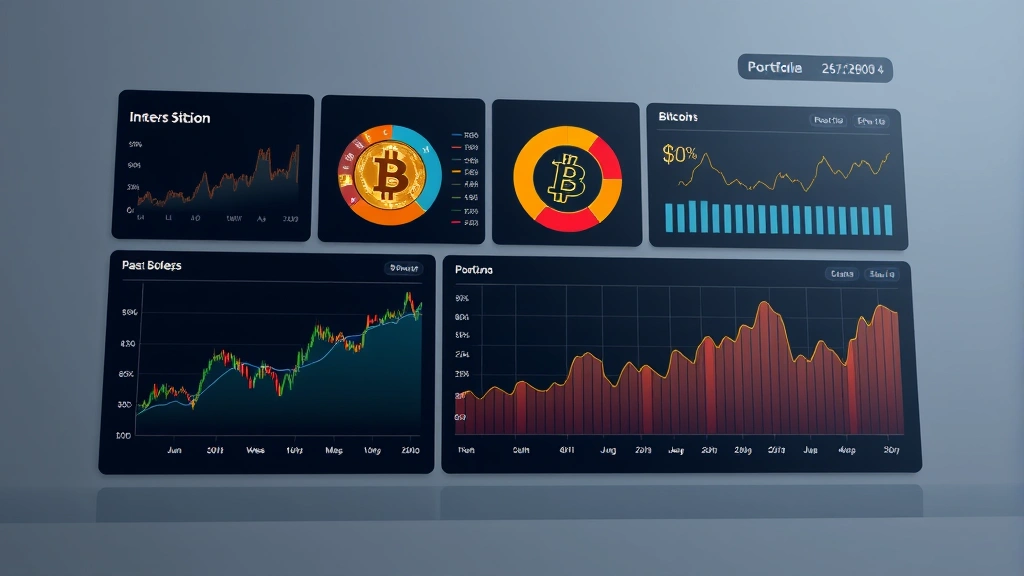
Understanding Bitcoin’s volatility patterns through tools like the Bitcoin rainbow chart can help investors contextualize current prices within historical valuation ranges, supporting more rational decision-making during emotionally charged market conditions.
Bitcoin’s Security Architecture
From a technological security perspective, Bitcoin demonstrates remarkable robustness. The network operates on a distributed consensus mechanism called Proof of Work, where thousands of independent mining nodes validate transactions and secure the blockchain. This decentralized architecture creates extraordinary resilience against attacks or manipulation.
Bitcoin’s cryptographic security relies on SHA-256 hashing and ECDSA (Elliptic Curve Digital Signature Algorithm), both of which represent well-established cryptographic standards. No successful breach of these algorithms has occurred despite years of scrutiny from the global cryptographic community. The network’s security increases with each new mining node and growing hash rate, creating a self-reinforcing security model.
However, security extends beyond technical protocols to encompass custody and operational risks. Bitcoin stored on centralized exchanges or with custodians remains vulnerable to hacking, fraud, or mismanagement. The collapse of exchanges like FTX, despite robust technical Bitcoin security, demonstrated that operational and governance failures can still result in user losses. This distinction—between Bitcoin’s inherent security and the security of platforms facilitating Bitcoin transactions—proves critical for investors.
Self-custody solutions using hardware wallets, cold storage, or multi-signature schemes substantially reduce these operational risks, though they require technical competence and diligent security practices. For many investors, the trade-off between convenience and security involves accepting some custodial risk with reputable institutional platforms.
Regulatory Landscape and Legal Risks
Bitcoin’s regulatory environment remains the primary uncertainty affecting its long-term safety profile. Unlike established financial assets operating within clear regulatory frameworks developed over decades, Bitcoin exists in a regulatory gray zone in many jurisdictions, with frameworks still under development.
Progressive jurisdictions like El Salvador, Switzerland, and Singapore have embraced Bitcoin and cryptocurrency, creating favorable regulatory environments that support adoption and reduce legal risk. Conversely, China’s 2021 cryptocurrency ban and ongoing restrictions in certain countries highlight regulatory risks. Potential outcomes range from supportive frameworks that increase Bitcoin adoption to restrictive regulations that limit utility and accessibility.
Tax implications add another regulatory consideration. Bitcoin transactions typically trigger capital gains taxes in most developed nations. Investors must understand their jurisdiction’s tax requirements and maintain meticulous transaction records. Regulatory authorities increasingly scrutinize cryptocurrency transactions for tax compliance, making proper reporting essential for avoiding penalties.
Forward-looking analysis suggests regulatory frameworks will continue maturing toward clarity rather than prohibition, supporting Bitcoin’s long-term legitimacy. Major central banks and financial regulators increasingly acknowledge Bitcoin’s significance and develop appropriate oversight mechanisms rather than attempting complete suppression.
Long-Term vs Short-Term Investment Horizons
The distinction between short-term and long-term Bitcoin investment reveals dramatically different risk profiles. For investors with time horizons under one year, Bitcoin presents substantial volatility risk that could result in significant losses if unfavorable price movements occur before the investor needs to liquidate.
Conversely, long-term investors with 5-10+ year horizons benefit from Bitcoin’s demonstrated tendency to trend upward across complete market cycles despite severe interim volatility. Historical analysis indicates that Bitcoin holders maintaining positions through multiple boom-and-bust cycles have consistently achieved positive returns, even when including those who purchased near previous market peaks.
This temporal distinction suggests that Bitcoin’s safety improves dramatically with extended holding periods. For investors who cannot afford to lose their capital in the near term, Bitcoin remains inappropriate regardless of conviction in its long-term potential. However, for investors who can tolerate significant interim volatility and maintain positions through complete market cycles, Bitcoin’s risk profile becomes substantially more favorable.
Investors considering Bitcoin should align their allocation size with their ability to weather potential losses. A 5-10% portfolio allocation presents manageable risk for investors with sufficient diversification and extended time horizons, while larger allocations require stronger risk tolerance and deeper conviction in Bitcoin’s long-term narrative.
Portfolio Integration Strategies
Responsible Bitcoin investment typically involves integration within broader diversified portfolios rather than concentrated positions. Proper asset allocation frameworks treat Bitcoin as a distinct asset class with unique characteristics, not as a substitute for traditional stock or bond positions.
Research demonstrates that Bitcoin exhibits low correlation with traditional assets during many market conditions, meaning Bitcoin prices often move independently from stock and bond markets. This low correlation characteristic provides portfolio diversification benefits, potentially reducing overall portfolio volatility when Bitcoin represents a modest allocation alongside traditional investments.
Conservative investors might allocate 1-3% of portfolios to Bitcoin, capturing potential upside while limiting downside impact. More aggressive investors comfortable with higher volatility might allocate 5-10%. These allocations remain small enough that potential Bitcoin losses wouldn’t devastate overall portfolio performance, while still providing meaningful exposure to Bitcoin’s long-term potential.
Portfolio tracking tools help investors monitor Bitcoin positions within broader asset allocations, maintaining discipline and preventing accidental overexposure through price appreciation. Systematic rebalancing—selling Bitcoin when it grows beyond target allocation percentages—forces disciplined buying low and selling high behavior.
Dollar-cost averaging provides another portfolio integration strategy, with investors committing to regular Bitcoin purchases regardless of price. This approach eliminates timing risk and reduces the psychological burden of trying to predict optimal entry points.

Expert Analyst Perspectives
Leading cryptocurrency analysts and institutional investors present varied perspectives on Bitcoin’s safety, reflecting legitimate differences in risk assessment and investment philosophy. Some analysts emphasize Bitcoin’s revolutionary potential as digital gold and store of value, arguing that long-term holders face minimal risk and tremendous upside opportunity.
Other analysts highlight macroeconomic risks, regulatory uncertainties, and technological challenges, suggesting that Bitcoin remains too volatile and uncertain for conservative investors. Most institutional perspectives acknowledge both Bitcoin’s potential and its risks, recommending modest allocations within diversified portfolios rather than concentrated positions.
Analyst consensus increasingly recognizes Bitcoin as a legitimate asset class deserving inclusion in institutional portfolios, though typically in small allocations. Major investment institutions from BlackRock to Fidelity now offer Bitcoin exposure products, suggesting institutional confidence in Bitcoin’s long-term viability despite acknowledged volatility.
When evaluating analyst perspectives, investors should distinguish between those with genuine expertise—including deep blockchain technology understanding, cryptocurrency market experience, and rigorous research methodologies—and those offering superficial commentary or extreme predictions lacking substantive analysis.
Current Bitcoin price levels and technical analysis provide context for analyst recommendations, with many suggesting more favorable risk-reward profiles during periods when Bitcoin trades below long-term valuation trends compared to euphoric peaks. Checking cryptocurrency price predictions for 2025 can inform medium-term expectations, though such predictions carry substantial uncertainty.
FAQ
Is Bitcoin completely safe from hacking?
Bitcoin’s core blockchain protocol has never been successfully hacked, demonstrating robust technical security. However, operational risks exist with exchanges, custodians, and personal wallets. Proper security practices and reputable custodians substantially minimize these risks, though no system achieves absolute invulnerability.
What percentage of my portfolio should I allocate to Bitcoin?
Appropriate Bitcoin allocation depends on individual risk tolerance, investment horizon, and overall financial circumstances. Conservative investors typically allocate 1-3%, while more aggressive investors might allocate 5-10%. Allocations should never exceed amounts the investor can afford to lose completely without impacting financial security.
Can Bitcoin replace traditional investments?
Bitcoin functions best as a complementary asset within diversified portfolios rather than replacing traditional investments. Its high volatility and speculative characteristics make it unsuitable as a portfolio foundation, though its long-term potential and low correlation with traditional assets justify modest allocations.
What timeframe is required for Bitcoin investment safety?
Historical data suggests 4+ year holding periods substantially reduce Bitcoin investment risk. Investors with shorter time horizons face significant volatility risk and should avoid Bitcoin or use only minimal allocations they can afford to lose.
How do regulatory changes affect Bitcoin safety?
Regulatory clarity generally improves Bitcoin’s safety profile by reducing legal uncertainty and supporting mainstream adoption. However, restrictive regulations in specific jurisdictions could limit Bitcoin’s utility and value. Global regulatory trends suggest increasing acceptance rather than prohibition, supporting long-term safety.
Should I use leverage for Bitcoin investing?
Leverage amplifies both potential gains and losses, making it inappropriate for most Bitcoin investors. The already high volatility of Bitcoin becomes unmanageable with leverage, creating substantial bankruptcy risk. Conservative investors should avoid leverage entirely.
Is Bitcoin better than other cryptocurrencies?
Bitcoin represents the most established and widely adopted cryptocurrency with the largest network effects and institutional adoption. While other cryptocurrencies offer various innovations, Bitcoin’s maturity, security, and liquidity generally make it more appropriate for conservative investors prioritizing safety over speculative upside potential.


