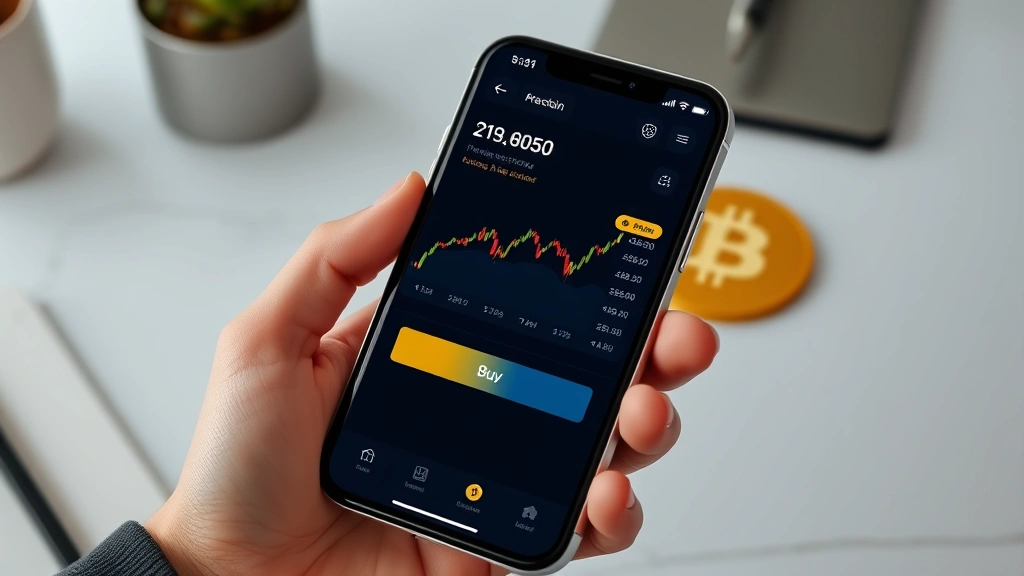
Where to Buy Bitcoin? A Beginner’s Guide to Getting Started
Bitcoin has become one of the most sought-after digital assets in the world, with millions of people looking to purchase it for investment, portfolio diversification, or simply to understand the cryptocurrency market better. However, for beginners, the question “donde comprar bitcoin” (where to buy bitcoin) can feel overwhelming given the numerous platforms, methods, and considerations involved. This comprehensive guide will walk you through everything you need to know about buying Bitcoin safely, securely, and efficiently.
Whether you’re interested in making your first purchase or expanding your cryptocurrency holdings, understanding the different platforms available, security best practices, and regulatory considerations is essential. The Bitcoin market operates 24/7, unlike traditional stock markets, and offers multiple entry points for new investors. By the end of this guide, you’ll have a clear understanding of the best options available and how to navigate the purchasing process with confidence.
Understanding Bitcoin Before You Buy
Before diving into where to purchase Bitcoin, it’s crucial to understand what you’re buying. Bitcoin is a decentralized digital currency that operates on a blockchain network without requiring a central bank or financial institution. Created in 2009 by an anonymous person or group using the pseudonym Satoshi Nakamoto, Bitcoin has become the flagship cryptocurrency and represents the largest market capitalization in the digital asset space.
Understanding what is cryptocurrency and how Bitcoin functions will help you make informed decisions about your purchase. Bitcoin transactions are recorded on a public ledger called the blockchain, which ensures transparency and security. The network uses proof-of-work consensus to validate transactions, and new bitcoins are created through a process called mining.
Before making any purchase, familiarize yourself with current Bitcoin news and market updates to understand market conditions. Additionally, understanding price predictions and market analysis, such as discussions about when will Bitcoin hit 100K, can provide context for your investment decisions. It’s also wise to consider potential risks by reading about whether Bitcoin is going to crash and other market volatility concerns.
Types of Bitcoin Exchanges and Platforms
The cryptocurrency market offers numerous platforms where you can purchase Bitcoin, each with different features, fee structures, and user experiences. Understanding the different types of exchanges will help you choose the platform that best suits your needs.
Centralized Cryptocurrency Exchanges (CEXs) are the most popular option for beginners. These platforms act as intermediaries between buyers and sellers, holding funds in custodial accounts. Major exchanges like Coinbase, Kraken, and Binance offer user-friendly interfaces, regulatory compliance, and customer support. They typically require identity verification (KYC – Know Your Customer) and offer various payment methods including bank transfers, credit cards, and debit cards.
Decentralized Exchanges (DEXs) operate without a central authority, allowing peer-to-peer trading directly from your wallet. While they offer greater privacy and control, they can be more complex for beginners and may have lower liquidity for certain trading pairs.
Bitcoin ATMs are physical machines where you can purchase Bitcoin using cash or debit cards. These are becoming increasingly common in major cities and offer anonymity, though fees are typically higher than online exchanges.
Over-the-Counter (OTC) Trading involves buying Bitcoin directly from dealers or brokers, typically for larger purchases. This method is often used by institutional investors and high-net-worth individuals.
Peer-to-Peer (P2P) Platforms connect buyers and sellers directly, allowing transactions without an intermediary. Platforms like LocalBitcoins and Paxful offer flexibility but require careful vetting of trading partners.
Centralized Exchanges vs. Peer-to-Peer Platforms
When deciding where to buy Bitcoin, the choice between centralized exchanges and peer-to-peer platforms is fundamental. Each approach has distinct advantages and disadvantages that should guide your decision based on your priorities and circumstances.
Advantages of Centralized Exchanges:
- Regulated and licensed by financial authorities in their jurisdictions
- Insurance coverage for customer funds in many cases
- Professional customer support and dispute resolution
- Lower fees compared to P2P platforms
- Higher liquidity and faster transaction execution
- User-friendly mobile and web applications
- Educational resources for beginners
Disadvantages of Centralized Exchanges:
- Require personal identification and verification
- Less privacy due to regulatory compliance requirements
- Potential security risks if the exchange is hacked
- Account freezing or restrictions based on regulatory changes
- Intermediary control over your funds
Advantages of Peer-to-Peer Platforms:
- Greater privacy and anonymity options
- Flexibility in payment methods
- Direct transactions without intermediaries
- Ability to negotiate prices with sellers
- No single point of failure affecting all users
Disadvantages of Peer-to-Peer Platforms:
- Higher fees and less favorable exchange rates
- Greater risk of fraud or scams
- Limited dispute resolution mechanisms
- Requires more due diligence and caution
- Potentially slower transaction times
For most beginners, a reputable centralized exchange offers the best balance of security, convenience, and regulatory protection. As you gain experience and understand the market better, you may explore other options.
Security Considerations and Best Practices
Security is paramount when purchasing and holding Bitcoin. The irreversible nature of blockchain transactions means that mistakes or security breaches can result in permanent loss of funds. Implementing robust security practices from the outset will protect your investment.
Exchange Selection and Verification: Choose exchanges with strong regulatory compliance, transparent security policies, and insurance coverage. Research the platform’s history, check for any security breaches, and verify that it’s licensed in your jurisdiction. Look for exchanges that employ industry-standard security measures such as cold storage for the majority of customer funds.
Two-Factor Authentication (2FA): Always enable 2FA on your exchange account using an authenticator app rather than SMS when possible. Authenticator apps like Google Authenticator or Authy are more secure than SMS-based authentication, which can be vulnerable to SIM swapping attacks.
Strong Passwords: Create unique, complex passwords for your exchange account that include uppercase letters, lowercase letters, numbers, and special characters. Avoid using personal information or common words. Consider using a password manager to securely store your credentials.
Withdrawal Addresses: When withdrawing Bitcoin from an exchange, always verify the withdrawal address carefully. Malware or phishing attacks might attempt to change the address to steal your funds. Double-check the address by comparing the first and last few characters.
Phishing Awareness: Be cautious of emails, links, and messages claiming to be from your exchange. Legitimate exchanges will never ask for your password or seed phrase via email. Always access your exchange account by typing the URL directly into your browser rather than clicking links in emails.
Limit Your Exchange Holdings: Only keep the amount of Bitcoin on an exchange that you plan to trade or sell soon. Transfer remaining funds to a secure wallet that you control.
Step-by-Step Guide to Your First Purchase
Now that you understand the landscape, here’s a practical walkthrough for purchasing Bitcoin on a centralized exchange:
Step 1: Choose Your Exchange Select a reputable exchange that operates in your country and meets your needs. Popular options include Coinbase, Kraken, and Bitstamp. Research user reviews, fee structures, and available payment methods.
Step 2: Create Your Account Sign up on the exchange’s website or mobile app. Provide your email address and create a strong password. Enable two-factor authentication immediately.
Step 3: Complete Identity Verification Most exchanges require KYC verification. Prepare a government-issued ID, proof of address (utility bill or bank statement), and possibly a selfie. The verification process typically takes 24-48 hours, though some exchanges offer instant verification.
Step 4: Add a Payment Method Link your bank account, credit card, or debit card to your exchange account. Some exchanges offer faster verification for certain payment methods. Be aware that different payment methods may have different fees and processing times.
Step 5: Place Your Order Navigate to the buy section, select Bitcoin, and enter the amount you wish to purchase. You can buy a fraction of a Bitcoin (measured in satoshis, with 100 million satoshis equaling one Bitcoin). Review the total cost including fees and confirm the purchase.
Step 6: Secure Your Bitcoin Once your purchase is complete, consider transferring your Bitcoin to a personal wallet for enhanced security. This removes the counterparty risk associated with holding funds on an exchange.
Payment Methods and Fees
Different payment methods come with varying fees, processing times, and convenience levels. Understanding these differences will help you optimize your purchasing strategy.
Bank Transfers (ACH/SEPA) are typically the cheapest method with fees ranging from 0% to 1.5%. Processing times usually take 3-5 business days, but some exchanges now offer instant bank transfers. This method is ideal for larger purchases where you’re willing to wait for processing.
Credit and Debit Cards offer immediate funding and instant Bitcoin delivery, but come with higher fees ranging from 2% to 4%. Credit card companies may also charge cash advance fees. This method is best for small, urgent purchases.
PayPal and Digital Wallets provide convenience with moderate fees (2% to 3%). Processing is typically instant or within minutes, making this suitable for moderate purchases.
Wire Transfers are used for large purchases with fees ranging from $10 to $50 flat rate plus percentage. Processing time is usually 1-2 business days. This method is economical for substantial investments.
Cash and Bitcoin ATMs offer anonymity but charge the highest fees, typically 5% to 10%. These are best for small purchases where privacy is prioritized.
Consider the total cost including fees when deciding which payment method to use. For example, if you’re buying $1,000 worth of Bitcoin via credit card at 3% fee, you’ll pay $30 in fees, whereas a bank transfer might cost only $10-15.
Storing Your Bitcoin Safely
Once you’ve purchased Bitcoin, secure storage is critical. Understanding storage options will help you protect your investment from theft, loss, or technical failures.
Hot Wallets are internet-connected wallets that offer convenience and accessibility. These include exchange wallets, mobile wallets, and desktop wallets. While convenient for frequent trading, hot wallets are more vulnerable to hacking. Examples include MetaMask, Trust Wallet, and Electrum.
Cold Wallets are offline storage solutions that provide superior security. Hardware wallets like Ledger and Trezor store your private keys offline, protecting them from online threats. Paper wallets involve printing your Bitcoin address and private key, though they require careful handling to prevent loss or damage.
Best Practices for Storage: For long-term holding, use a hardware wallet or cold storage solution. Keep your seed phrase (recovery phrase) written down and stored in a secure location separate from your hardware wallet. Never share your private keys or seed phrase with anyone. Consider using a safe deposit box or home safe for storing hardware wallets or paper wallets.
Understanding market trends like the Bitcoin golden cross and bull run dynamics can help you decide whether to hold or trade your Bitcoin. Additionally, learning about the best indicators to use on Bitcoin charts can improve your trading decisions if you choose to actively manage your holdings.
FAQ
What is the minimum amount of Bitcoin I can buy?
Most exchanges allow you to buy fractional amounts of Bitcoin. You can purchase as little as $1 worth of Bitcoin, though minimum order sizes and fees may apply. Bitcoin is divisible down to the satoshi (0.00000001 BTC), making it accessible to investors of all sizes.
How long does it take to receive Bitcoin after purchase?
The time varies by payment method. Credit card and debit card purchases typically deliver Bitcoin instantly or within minutes. Bank transfers may take 3-5 business days for the funds to clear before Bitcoin is delivered. Some exchanges offer faster settlement times for certain payment methods.
Is it safe to buy Bitcoin on exchanges?
Reputable, regulated exchanges are generally safe, especially for beginners. Major platforms like Coinbase and Kraken maintain insurance coverage and employ advanced security measures. However, no exchange is completely risk-free. Always use strong security practices and consider transferring funds to personal wallets for long-term storage.
What happens if I lose my private key?
If you lose your private key and don’t have your seed phrase, your Bitcoin is permanently inaccessible. This is why backing up your seed phrase in multiple secure locations is essential. If you store Bitcoin on an exchange, losing your exchange password is recoverable through their account recovery process.
Can I buy Bitcoin anonymously?
Most regulated exchanges require identity verification due to KYC regulations, so anonymous purchases are not possible on major platforms. Bitcoin ATMs and peer-to-peer transactions offer more anonymity, though they typically charge higher fees and may have legal restrictions depending on your jurisdiction.
Should I invest all my money in Bitcoin at once?
Most financial advisors recommend dollar-cost averaging, which involves purchasing Bitcoin gradually over time rather than investing a lump sum all at once. This strategy reduces the impact of price volatility and helps mitigate the risk of buying at market peaks.
What are the tax implications of buying Bitcoin?
Tax treatment of Bitcoin purchases varies by jurisdiction. In most countries, cryptocurrency is treated as property or an asset for tax purposes. Consult with a tax professional in your country to understand your specific obligations regarding capital gains, income reporting, and record-keeping.
Can I buy Bitcoin through my bank?
Some traditional banks and financial institutions now offer Bitcoin purchasing services, though this varies by location and institution. Many banks partner with cryptocurrency platforms to provide this service. Contact your bank to inquire about their offerings.
What’s the difference between buying and trading Bitcoin?
Buying Bitcoin means acquiring it as an investment or store of value, typically with the intention to hold long-term. Trading involves buying and selling Bitcoin frequently to profit from price fluctuations. Trading requires more active management, carries higher risk, and has more significant tax implications.


