Where to Buy Bitcoin? Beginner’s Guide to Getting Started
Bitcoin has become one of the most accessible digital assets for investors worldwide, but many beginners struggle with the fundamental question: where exactly can I buy Bitcoin? Whether you’re in Spain asking “donde comprar bitcoin” or anywhere else globally, the answer depends on your location, preferred payment method, and comfort level with technology. This comprehensive guide walks you through every legitimate option available, from centralized exchanges to peer-to-peer platforms, helping you make an informed decision for your cryptocurrency journey.
The cryptocurrency market has matured significantly over the past decade, creating numerous pathways for new investors to acquire Bitcoin. Each method carries different advantages, fees, and security considerations. Understanding these options prevents costly mistakes and ensures you’re choosing a platform that aligns with your needs, whether you’re making a one-time purchase or planning regular investments.
Centralized Cryptocurrency Exchanges
Centralized exchanges (CEX) remain the most popular method for purchasing Bitcoin globally. These platforms act as intermediaries between buyers and sellers, managing order books and facilitating transactions. Major exchanges like Coinbase, Kraken, Binance, and Gemini handle millions of Bitcoin transactions daily, offering user-friendly interfaces specifically designed for beginners.
The process typically involves three straightforward steps: creating an account, completing identity verification (KYC requirements), and funding your account with fiat currency. Most exchanges accept bank transfers, credit cards, and debit cards. Coinbase, for instance, allows instant purchases via debit card with immediate settlement, though fees are higher than bank transfer methods. institutional-grade platforms like those offering Bitcoin ETF options have also democratized access for traditional investors.
Popular Centralized Exchanges by Region:
- North America: Coinbase, Kraken, Gemini, and Kraken dominate with strong regulatory compliance and insurance coverage
- Europe: Kraken, Bitstamp, and Coinbase maintain European headquarters with strict GDPR compliance
- Latin America: Ripio, Buda, and Bitso provide localized payment options and Spanish-language support
- Asia-Pacific: Bybit, OKX, and Crypto.com serve regional markets with local payment integrations
Exchange selection should prioritize regulatory standing, insurance protection, and fee structures. Coinbase, for example, insures digital assets held in custody, while Kraken maintains separate cold storage wallets and publishes regular proof-of-reserves reports. These security measures protect your Bitcoin from platform failures or hacking incidents.
Bitcoin ATMs and In-Person Methods
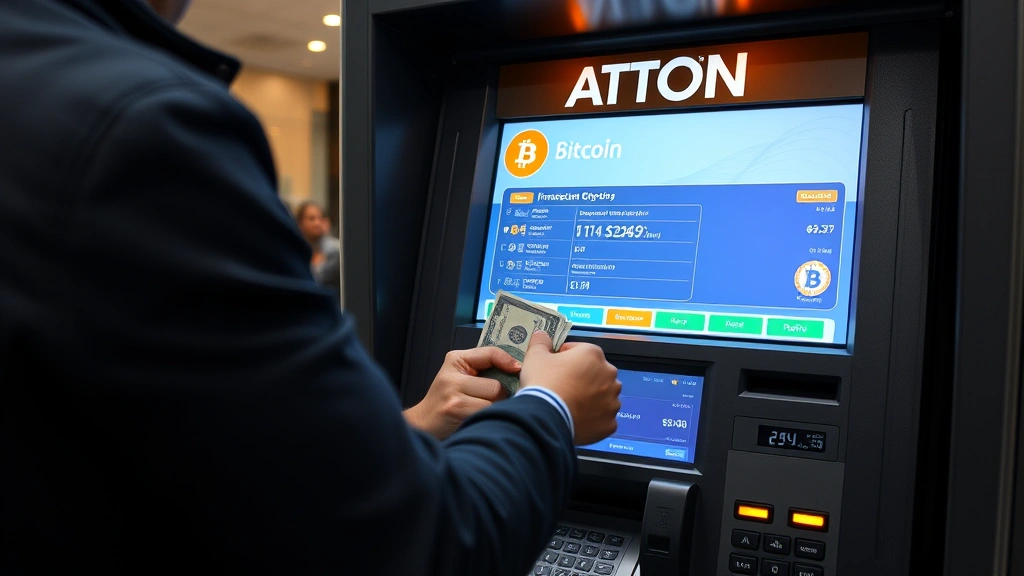
Bitcoin ATMs (BTMs) provide an alternative for those preferring cash transactions or avoiding online banking. These machines, operated by companies like Coinbase, Bitstamp, and independent operators, allow you to insert cash and receive Bitcoin directly to your wallet. Over 38,000 Bitcoin ATMs operate globally, with particularly high concentrations in North America and Europe.
The process is remarkably simple: select “Buy Bitcoin,” enter your wallet address, insert cash, and confirm the transaction. Most BTMs charge 5-15% in fees, significantly higher than online exchanges, but offer complete privacy and instant settlement. This method appeals to those uncomfortable with KYC requirements or preferring tangible, in-person transactions.
However, BTMs present challenges for beginners: limited availability in rural areas, higher fees, and the need for a functioning Bitcoin wallet beforehand. Additionally, some jurisdictions require identification for cash transactions exceeding certain thresholds, partially defeating the privacy advantage. Researching local BTM availability through platforms like Coin ATM Radar helps locate nearby machines before attempting purchases.
In-person peer-to-peer transactions with trusted individuals represent another option, though they require significant caution. Meeting strangers to exchange large sums of cash carries obvious security risks. If pursuing this method, always meet in public spaces, bring a companion, verify the seller’s reputation through community forums, and complete the Bitcoin transaction only after receiving confirmed payment.
Peer-to-Peer Platforms
Peer-to-peer (P2P) platforms eliminate intermediaries by connecting Bitcoin buyers directly with sellers. Localbitcoins, Bisq, Hodl Hodl, and Paxful facilitate millions of transactions monthly across hundreds of payment methods, including bank transfers, PayPal, gift cards, and even cash deposits.
These platforms offer unparalleled flexibility in payment methods and often provide better rates than centralized exchanges for certain transaction sizes. Sellers frequently accept regional payment methods unavailable on major exchanges. The decentralized nature also appeals to privacy-conscious users, as many P2P platforms require minimal or no KYC verification.
P2P trading requires active participation: you browse seller listings, compare rates, initiate trades, and negotiate directly. Escrow services protect both parties—Bitcoin remains locked until the buyer confirms payment receipt, preventing scams. Reputation systems similar to eBay help identify trustworthy traders with hundreds of successful transactions.
Bisq offers the highest privacy level, operating as a decentralized exchange requiring no account creation or KYC. All trades use Bitcoin multisignature escrow, ensuring neither party can steal funds. However, Bisq’s interface intimidates beginners, and liquidity for certain payment methods remains limited. Paxful and Localbitcoins provide more intuitive interfaces with broader payment options but require identity verification for larger transactions.
Traditional Finance Integration
The cryptocurrency industry has integrated with traditional finance, enabling Bitcoin purchases through conventional financial institutions. This development particularly benefits those uncomfortable with crypto-native platforms or preferring familiar interfaces.
Bitcoin ETFs and Investment Accounts: Bitcoin ETFs have revolutionized cryptocurrency investing, allowing purchases through standard brokerage accounts like Fidelity, Charles Schwab, and Vanguard. Spot Bitcoin ETFs eliminate custody concerns since the fund provider holds actual Bitcoin. This method requires only existing brokerage account access and standard trading permissions—no separate crypto exchange account necessary.
Retirement accounts now offer Bitcoin exposure through self-directed IRAs and 401(k) rollovers, enabling tax-advantaged Bitcoin accumulation. Companies like Fidelity and Kraken provide custodial services for retirement accounts, allowing you to hold Bitcoin within traditional tax-sheltered structures.
Bank Partnerships: Some banks now offer Bitcoin purchasing directly through banking apps. Traditional banks like El Banco Bilbao Vizcaya Argentaria (BBVA) in Spain provide “donde comprar bitcoin” solutions through their platforms, integrating cryptocurrency purchases with standard banking. This approach provides maximum convenience for those already using these banks, though fees typically exceed specialized crypto exchanges.
Traditional finance integration reduces barriers but introduces middlemen and associated fees. ETF expense ratios typically range from 0.2-0.25% annually, compared to one-time exchange fees of 0.1-1% for direct Bitcoin purchases. However, the tax simplicity and regulatory clarity appeal to conservative investors.
Security and Best Practices
Securing your Bitcoin after purchase proves equally important as the acquisition process itself. Understanding custody options and implementing security measures prevents catastrophic losses to theft or hacking.
Custody Options: Exchanges hold Bitcoin in “hot wallets” (internet-connected storage) for trading liquidity. This convenience introduces counterparty risk—if the exchange fails or suffers a breach, your Bitcoin could be lost. Self-custody using hardware wallets like Ledger and Trezor eliminates this risk by giving you exclusive control through private keys. Understanding transaction mechanics helps you manage self-custody effectively, particularly when moving Bitcoin between platforms.
Hardware Wallets: These physical devices store private keys offline, protecting against online attacks. Setup takes 15 minutes, costs $50-150, and provides security equivalent to enterprise-grade systems. Beginners should purchase hardware wallets directly from manufacturers, never from third-party sellers potentially exposing devices to tampering.
Security Hierarchy:
- Highest Security: Hardware wallets with passphrase protection and multisig setups
- High Security: Exchange accounts with two-factor authentication (2FA) and withdrawal whitelisting
- Medium Security: Mobile wallets with biometric authentication
- Lower Security: Exchange hot wallets without 2FA enabled
Implement 2FA on all exchange and email accounts using authenticator apps rather than SMS, which suffers from SIM-swapping vulnerabilities. Enable withdrawal whitelisting, restricting Bitcoin transfers to pre-approved addresses. For larger holdings, consider multisignature wallets requiring multiple keys to authorize transactions, distributing security across multiple devices.
Never share private keys, seed phrases, or recovery codes with anyone, including exchange support staff. Legitimate platforms never request this information. Phishing attacks commonly impersonate exchanges, so always navigate directly to official websites rather than clicking email links.
Comparing Fees and Features
Fee structures vary dramatically across purchasing methods, significantly impacting net Bitcoin acquisition. A $1,000 purchase might net 0.95 BTC on low-fee platforms versus 0.92 BTC on high-fee alternatives—a 3% difference that compounds over multiple purchases.
Fee Comparison Table:
- Centralized Exchanges: 0.1-1% maker/taker fees, plus network fees for withdrawals ($5-50)
- Bitcoin ATMs: 5-15% total fees, no additional withdrawal costs
- P2P Platforms: 0-2% platform fees, seller markups vary (0-10%)
- Bitcoin ETFs: 0.2-0.25% annual expense ratios
- Bank Integration: 1-3% for one-time purchases, 0.5-1% for recurring buys
For regular purchases, dollar-cost averaging (DCA) through low-fee exchanges minimizes timing risk and reduces stress. Setting up automatic weekly or monthly Bitcoin purchases through platforms like Kraken or Gemini costs only 0.16-0.26% in fees, making frequent small purchases economically sensible. Understanding Bitcoin cycle patterns might inform purchase timing decisions, though consistent accumulation often outperforms market-timing strategies.
Feature selection should also consider verification speed, payment method availability, and customer support quality. Coinbase prioritizes user experience and regulatory compliance, ideal for absolute beginners. Kraken offers superior customer service and lower fees for larger accounts. Binance provides the broadest asset selection and lowest fees for active traders.
Beginners should start with reputable, regulated exchanges offering insurance protection. As comfort increases, exploring Bitcoin price predictions and market analysis helps inform investment strategies. Understanding market forecasts and technical indicators enables more sophisticated trading approaches.
FAQ
What is the safest way to buy Bitcoin as a beginner?
Use established, regulated exchanges like Coinbase, Kraken, or Gemini that maintain insurance coverage and cold storage facilities. Enable two-factor authentication, use strong passwords, and transfer purchased Bitcoin to a hardware wallet for long-term storage. Avoid rushing into transactions or using unfamiliar platforms.
Do I need to provide personal information to buy Bitcoin?
Most regulated exchanges require Know Your Customer (KYC) verification, including government ID, address confirmation, and sometimes proof of income. This protects against money laundering and terrorism financing. P2P platforms and Bitcoin ATMs offer more privacy but often charge higher fees or require verification for larger transactions.
Can I buy Bitcoin with a credit card?
Yes, most major exchanges accept credit and debit cards for Bitcoin purchases. However, credit card fees typically run 2-4%, significantly higher than bank transfer fees of 0.1-0.5%. Additionally, some credit card issuers classify cryptocurrency purchases as cash advances with additional fees and interest charges.
How long does Bitcoin purchase take to complete?
Debit card purchases settle instantly within minutes. Bank transfer purchases typically clear within 1-3 business days depending on your bank and the exchange. Bitcoin ATM transactions complete in seconds. Understanding blockchain transaction timing helps manage expectations for settlement on the blockchain itself.
Is it better to buy Bitcoin all at once or gradually?
Dollar-cost averaging—purchasing fixed amounts on a regular schedule—reduces timing risk and emotional decision-making. Research consistently shows DCA outperforms lump-sum investing for most investors, particularly those uncomfortable with volatility. Automated recurring purchases through exchanges make this approach effortless.
What should I do after buying Bitcoin?
Transfer purchased Bitcoin from the exchange to a hardware wallet you control. This eliminates counterparty risk and protects against exchange hacks. Securely store your seed phrase in multiple physical locations (never digitally). Enable withdrawal whitelisting on exchange accounts you maintain for future purchases.
Are there tax implications for buying Bitcoin?
Tax treatment varies by jurisdiction. Most countries classify Bitcoin as property or an asset, requiring capital gains tax reporting when sold. Some jurisdictions tax Bitcoin purchases as income. Consult local tax professionals or use crypto tax software to track purchases, sales, and holdings accurately. Maintaining detailed transaction records simplifies tax preparation.


