Can PayPal Bitcoin Transactions Be Trusted? A Comprehensive Analysis
PayPal’s entry into the cryptocurrency space marked a significant milestone for mainstream adoption of Bitcoin and digital assets. Since launching its cryptocurrency services in 2020, millions of users have gained access to buying, holding, and transacting with Bitcoin directly through their PayPal accounts. However, the question of whether these transactions can be truly trusted remains nuanced and warrants careful examination.
The intersection of traditional finance and cryptocurrency creates unique considerations. PayPal operates as a regulated financial institution, bringing institutional safeguards and compliance frameworks to Bitcoin transactions. Yet, using PayPal for Bitcoin differs fundamentally from managing Bitcoin through self-custody or dedicated crypto exchanges. Understanding these differences is essential for anyone considering PayPal for their Bitcoin activities.
PayPal’s Cryptocurrency Infrastructure
PayPal’s cryptocurrency offering operates through a partnership with Paxos Trust Company, a regulated cryptocurrency custodian. When you purchase Bitcoin on PayPal, you’re not directly acquiring the asset—instead, PayPal holds the Bitcoin on your behalf. This custodial arrangement means PayPal maintains control of private keys, similar to how a bank holds your cash in a savings account.
The platform provides a user-friendly interface that abstracts away the technical complexity of blockchain transactions. Users can buy Bitcoin with fiat currency, track holdings in real-time, and monitor their positions without needing to understand wallet addresses or private keys. For newcomers exploring cryptocurrency investment, this accessibility represents a genuine advantage.
PayPal’s infrastructure includes multiple layers of technology designed to facilitate smooth transactions. The company maintains redundant systems, backup protocols, and disaster recovery mechanisms typical of large financial institutions. These operational safeguards differ significantly from smaller or less established cryptocurrency platforms, providing users with institutional-grade reliability.
However, this convenience comes with important tradeoffs. Users must trust PayPal’s internal systems, management, and security protocols rather than relying on the transparent, decentralized nature of blockchain technology itself. Understanding this distinction is crucial when evaluating whether PayPal Bitcoin transactions align with your risk tolerance and investment philosophy.
Security Measures and Protections
PayPal implements multiple security layers to protect user accounts and assets. Two-factor authentication, encrypted connections, fraud monitoring systems, and account verification procedures form the foundation of their security architecture. These measures represent industry-standard practices that have proven effective in traditional fintech environments.
The platform monitors transactions for suspicious activity, applying machine learning algorithms to detect unusual patterns that might indicate unauthorized access or fraud. If PayPal suspects compromised accounts, they can temporarily freeze transactions and contact users for verification. This proactive approach provides a safety net that pure blockchain transactions cannot replicate.
Paxos Trust Company, PayPal’s custody partner, maintains insurance coverage for digital assets. This insurance protects against losses from theft, hacking, or operational failures—a significant advantage over self-custody where users bear complete responsibility for security. The insurance framework provides financial recourse if catastrophic security breaches occur, though coverage limits apply.
Yet security measures, however robust, cannot eliminate all risks. PayPal’s centralized infrastructure creates attractive targets for sophisticated attackers. A major security breach could expose thousands of users’ holdings simultaneously. Additionally, PayPal’s terms of service reserve the right to freeze accounts or restrict transactions, potentially preventing users from accessing their Bitcoin during critical market moments.
Custody and Control Issues
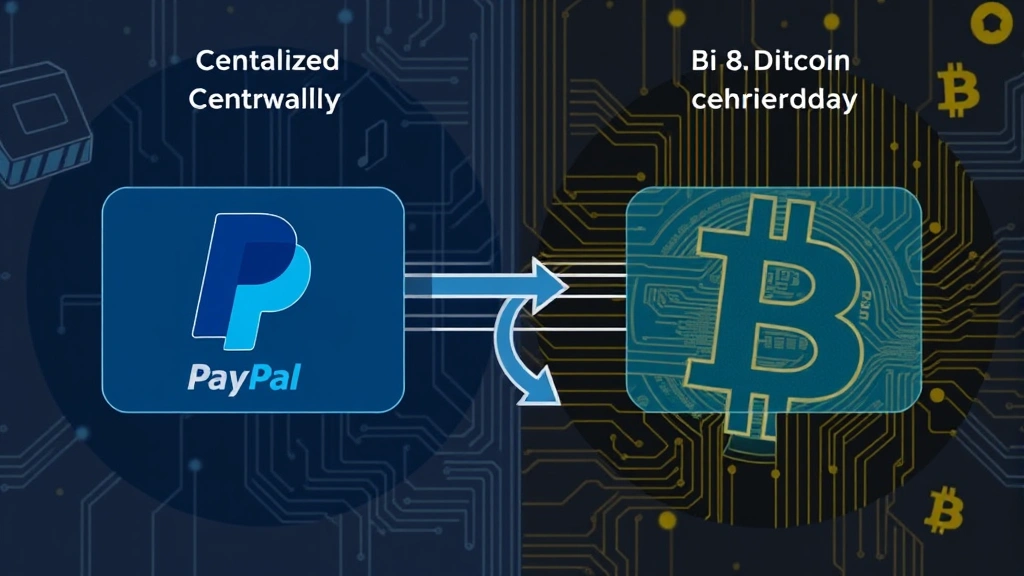
The fundamental distinction between PayPal Bitcoin and truly owned Bitcoin centers on custody and control. When you hold Bitcoin in PayPal, you don’t control the private keys—PayPal does. This arrangement means you depend entirely on PayPal’s continued operation, reliability, and good faith to access your assets.
PayPal explicitly states in their terms that users don’t own Bitcoin outright; instead, they own a contractual claim against PayPal for Bitcoin value. This distinction carries profound implications. If PayPal faces financial difficulties, regulatory action, or operational collapse, your Bitcoin holdings could be at risk regardless of PayPal’s security measures.
The company restricts certain cryptocurrency activities on their platform. Users cannot transfer Bitcoin to external wallets or other exchanges—they can only buy, sell, or hold within the PayPal ecosystem. This limitation prevents users from achieving true ownership and control, a principle many cryptocurrency advocates consider fundamental to the asset class.
For investors focused on Bitcoin power law principles and long-term wealth accumulation, this lack of control presents a philosophical concern. Bitcoin’s original design emphasized removing intermediaries and enabling direct asset ownership. PayPal’s custodial model reintroduces intermediaries, contradicting core cryptocurrency principles.
However, for casual investors, traders, or those risk-averse regarding self-custody responsibility, this tradeoff might be acceptable. The key is understanding what you’re gaining (convenience, professional management) versus what you’re sacrificing (ownership, control, direct blockchain participation).
Transaction Transparency and Blockchain Integration
When you buy or sell Bitcoin through PayPal, the transactions occur primarily within PayPal’s internal ledger rather than directly on the Bitcoin blockchain. This creates a transparency paradox: while Bitcoin itself operates with complete transaction transparency, your PayPal Bitcoin activity remains opaque to external observers.
PayPal does eventually settle certain transactions on the actual Bitcoin blockchain, but users cannot track individual holdings on-chain. You receive no public wallet address or blockchain confirmation for your Bitcoin holdings. Instead, you must trust PayPal’s internal accounting and their representations of your balance.
This opacity contrasts sharply with self-custody arrangements where users can verify their holdings independently by examining the blockchain. For transparency-focused investors or those who value the ability to prove their holdings, PayPal’s approach represents a significant departure from cryptocurrency’s foundational principles.
The lack of direct blockchain integration also affects transaction finality. Bitcoin blockchain transactions achieve immutability after sufficient confirmations, but PayPal transactions depend on PayPal’s internal systems and policies. The company could theoretically reverse transactions, modify records, or adjust balances within their system—actions impossible on the blockchain itself.
PayPal does allow limited cryptocurrency withdrawal to external wallets for some users in certain jurisdictions, but this feature remains restricted and inconsistent. Most users cannot move their Bitcoin off the PayPal platform, creating vendor lock-in that benefits PayPal more than users.
Regulatory Compliance Framework
PayPal operates under established regulatory frameworks that govern financial services companies. This regulatory oversight provides certain protections absent from unregulated cryptocurrency platforms. PayPal must comply with anti-money laundering (AML) regulations, know-your-customer (KYC) requirements, and various other compliance obligations.
The regulatory environment ensures PayPal maintains adequate capital reserves, undergoes regular audits, and implements compliance programs. These requirements create institutional safeguards that protect users from obvious fraud or mismanagement. Regulatory oversight represents a genuine advantage compared to platforms operating in regulatory gray areas.
However, cryptocurrency regulation remains in flux globally. Governments worldwide continue developing frameworks for digital asset services. PayPal’s compliance posture today might not remain adequate tomorrow if regulations tighten or shift unexpectedly. The company has already faced regulatory scrutiny in various jurisdictions regarding cryptocurrency services.
Additionally, regulatory compliance doesn’t guarantee customer protection in all scenarios. Regulations primarily protect against fraud and operational incompetence, not against government seizure, regulatory bans, or policy changes. If governments restrict cryptocurrency services, PayPal might be forced to suspend operations or restrict user access to holdings.
Users should consult current regulatory developments in their specific jurisdictions. Cryptocurrency regulations vary dramatically between countries, and PayPal’s availability and features differ accordingly. What’s permitted and protected in one jurisdiction might be restricted or prohibited elsewhere.
Comparing PayPal to Self-Custody Alternatives
Self-custody—holding Bitcoin in a personal wallet where you control private keys—represents the opposite end of the custody spectrum from PayPal. Each approach offers distinct advantages and disadvantages worth carefully weighing.
Self-custody provides complete control and ownership of your Bitcoin. You can verify holdings on the blockchain, transfer assets freely, and achieve true independence from any intermediary. This approach aligns with Bitcoin’s original design philosophy and maximizes privacy. For serious Bitcoin investors, self-custody represents the gold standard of asset ownership.
However, self-custody demands significant responsibility. Users must securely store private keys, understand security best practices, and manage recovery procedures. Lost private keys mean permanent asset loss. Security breaches or mistakes result in irreversible theft. For users lacking technical knowledge or confidence in their security practices, these risks are substantial.
PayPal offers convenience, professional security management, and simplified access. Users don’t need to understand private keys, wallet addresses, or blockchain mechanics. The platform handles all technical complexity, making Bitcoin accessible to mainstream audiences. Additionally, PayPal provides insurance coverage and account recovery options unavailable to self-custody users.
Intermediate solutions exist between PayPal and full self-custody. Hardware wallets provide secure self-custody with physical security devices. Established cryptocurrency exchanges like Kraken or Coinbase offer custodial services with professional security and insurance. These alternatives allow users to understand their actual holdings on the blockchain while maintaining professional-grade security.
Your optimal choice depends on your knowledge level, risk tolerance, investment size, and philosophy regarding cryptocurrency ownership. Beginners might reasonably start with PayPal while learning more before transitioning to self-custody. Long-term serious investors typically graduate to self-custody or alternative custodians offering greater transparency and control.
Common Scams and Fraudulent Schemes
PayPal Bitcoin transactions remain targets for various scams and fraudulent schemes. Understanding common attack vectors helps users protect themselves effectively.
Phishing Attacks: Criminals send deceptive emails impersonating PayPal, directing users to fake login pages that harvest credentials. These attacks often reference PayPal Bitcoin services to increase credibility. Users should never click email links—instead, navigate to PayPal directly through verified channels.
Account Takeover Fraud: Attackers compromise PayPal accounts through credential stuffing, phishing, or social engineering. Once inside, they purchase Bitcoin and transfer it to external wallets. Users should enable multi-factor authentication, use strong unique passwords, and monitor accounts regularly for unauthorized activity.
Seller Fraud: Users buying Bitcoin from other PayPal users through informal arrangements risk seller fraud. Scammers receive payment but don’t transfer promised Bitcoin. PayPal’s buyer protection policies have limitations for cryptocurrency transactions, leaving users vulnerable.
Fake Support Communications: Fraudsters impersonate PayPal support via email, phone, or messaging apps, requesting sensitive information or account access. Legitimate PayPal support never requests passwords or personal information through unsolicited communications.
Price Manipulation Schemes: Scammers convince users to buy Bitcoin through PayPal by falsely claiming guaranteed returns or insider knowledge. These schemes are classic investment fraud adapted to cryptocurrency context. No legitimate investment guarantees returns; guaranteed return claims always indicate fraud.
PayPal provides fraud protection for traditional transactions, but cryptocurrency transaction protections remain more limited. Users should exercise heightened caution with cryptocurrency transactions compared to regular PayPal purchases.
Best Practices for Safe PayPal Bitcoin Use
If you decide PayPal represents the right platform for your Bitcoin activities, implementing security best practices significantly reduces risks.
Account Security: Enable multi-factor authentication immediately. Use authenticator apps rather than SMS-based authentication when available. Create a strong, unique password—at least 16 characters combining uppercase, lowercase, numbers, and symbols. Never reuse passwords across platforms.
Email Security: Secure your email account associated with PayPal with equally strong protections. Email compromises often lead to account takeovers since email provides password reset access. Consider using a dedicated email address for financial accounts.
Verification Practices: Always verify communications through official PayPal channels. If you receive suspicious emails claiming to be from PayPal, navigate to PayPal independently and check your account messages. Legitimate companies never request sensitive information via unsolicited communications.
Transaction Monitoring: Review your PayPal account regularly for unauthorized activity. Check transaction history, linked payment methods, and account settings. Early detection of fraudulent activity improves recovery chances.
Limited Holdings: Consider keeping only amounts you’re willing to lose on PayPal. This approach limits exposure if catastrophic breaches occur. Larger holdings benefit from more robust custody solutions or self-custody arrangements.
Diversification: Don’t concentrate all Bitcoin holdings in a single platform. Spreading holdings across multiple platforms—PayPal, self-custody, alternative custodians—reduces risk from any single point of failure.
Educational Development: As you gain confidence and knowledge, gradually transition toward self-custody or alternative custody solutions. Understanding how Bitcoin actually works on the blockchain improves your long-term security posture.
Tax Documentation: Keep detailed records of all Bitcoin transactions through PayPal, including purchase prices, dates, and amounts. These records are essential for accurate tax reporting. PayPal provides transaction history, but you should maintain independent records.
Understanding how to read cryptocurrency charts and monitor market movements helps you make informed decisions about your PayPal Bitcoin holdings. Additionally, researching Bitcoin price predictions provides context for market timing decisions.
For those interested in systematic approaches to Bitcoin investment, exploring why Bitcoin goes up and understanding broader market dynamics strengthens your analytical framework. Tools like cryptocurrency portfolio trackers help monitor holdings across multiple platforms including PayPal.
Strategic decisions about when to buy or sell require considering broader market cycles. Articles on whether to sell or hold Bitcoin provide frameworks for these decisions, though personal circumstances always require individual analysis.
FAQ
Is PayPal Bitcoin safe?
PayPal Bitcoin transactions benefit from institutional security measures, regulatory oversight, and insurance coverage through Paxos. However, they lack the decentralized security model and transparency of blockchain-based holdings. Safety depends on your definition—PayPal provides professional protection against hacking, but introduces counterparty risk if PayPal fails or restricts access. The platform is generally considered safe for casual investors compared to unregulated platforms, but less safe than self-custody for serious Bitcoin advocates.
Can I withdraw Bitcoin from PayPal to an external wallet?
PayPal restricts cryptocurrency withdrawals significantly. Some users in certain jurisdictions can transfer Bitcoin to external wallets, but this feature remains limited and inconsistent. Most PayPal users cannot move their Bitcoin off the platform, creating vendor lock-in. This restriction is one of PayPal’s most controversial aspects for cryptocurrency enthusiasts who value true ownership and control.
What happens to my Bitcoin if PayPal goes bankrupt?
Paxos Trust Company holds Bitcoin in segregated accounts, theoretically protecting customer assets from PayPal’s operational failures. However, extreme scenarios involving simultaneous failures of both PayPal and Paxos could create complications. Additionally, insurance coverage has limits. Users should verify current insurance coverage amounts and understand that bankruptcy scenarios introduce uncertainties no company can fully eliminate.
Does PayPal report Bitcoin transactions to tax authorities?
PayPal reports transaction information to relevant tax authorities as required by law in different jurisdictions. In the United States, PayPal reports cryptocurrency transactions to the IRS. Users are responsible for accurate tax reporting regardless of PayPal’s reporting obligations. Maintaining independent records ensures you can properly report gains, losses, and income for tax purposes.
Can I be scammed through PayPal Bitcoin transactions?
Yes, multiple scam vectors target PayPal Bitcoin users. Phishing attacks, account takeovers, and seller fraud remain common. PayPal’s fraud protections for cryptocurrency transactions are less comprehensive than for traditional purchases. Users must implement strong security practices, verify communications independently, and exercise caution with peer-to-peer Bitcoin transactions through PayPal.
How does PayPal Bitcoin compare to dedicated cryptocurrency exchanges?
PayPal prioritizes convenience and accessibility over advanced features and transparency. Dedicated exchanges like Coinbase or Kraken offer more control, lower fees for frequent traders, and direct blockchain visibility. PayPal suits casual investors and beginners, while serious traders typically benefit from dedicated cryptocurrency exchanges. Consider your trading frequency and technical comfort when choosing platforms.
What are the fees for PayPal Bitcoin transactions?
PayPal charges spreads on Bitcoin purchases and sales, with costs varying based on transaction size and market conditions. The company doesn’t charge explicit transaction fees like some platforms do, but built-in spreads mean you pay more when buying and receive less when selling. Comparing PayPal’s effective costs to alternatives helps determine if convenience justifies the pricing.
Can PayPal freeze my Bitcoin holdings?
Yes, PayPal reserves the right to freeze accounts for suspected policy violations, fraud investigations, or regulatory compliance. During account reviews, users might lose access to their Bitcoin holdings temporarily or permanently. This risk represents a significant disadvantage compared to self-custody where no intermediary can restrict access.


