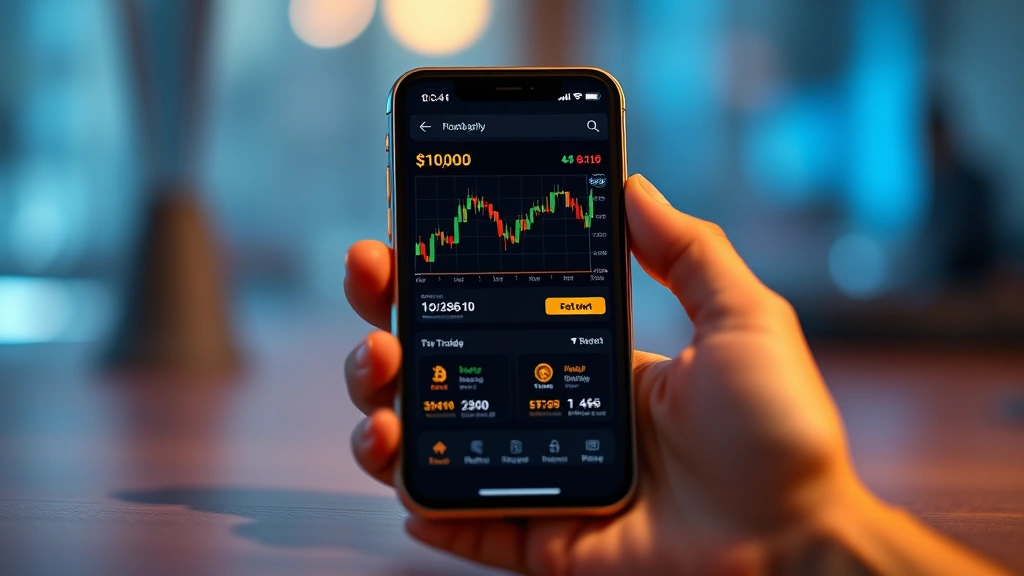
Peach Bitcoin: A New Trading Platform Review
Peach Bitcoin has emerged as a notable peer-to-peer Bitcoin trading platform designed to simplify the process of buying and selling Bitcoin while prioritizing user privacy and security. In an increasingly regulated cryptocurrency landscape, Peach Bitcoin positions itself as an alternative to centralized exchanges, offering a decentralized approach that appeals to users seeking greater control over their assets and personal information. This comprehensive review examines the platform’s features, functionality, security measures, and overall viability as a trading solution in 2025.
As the cryptocurrency market continues to evolve, traders and investors face numerous choices when selecting platforms for their Bitcoin transactions. Peach Bitcoin distinguishes itself through its emphasis on peer-to-peer trading without requiring extensive identity verification, making it particularly attractive to privacy-conscious users. Understanding how this platform compares to traditional exchanges and what unique advantages it offers is essential for anyone considering using it as part of their crypto trading strategy.
What is Peach Bitcoin?
Peach Bitcoin is a mobile-first peer-to-peer Bitcoin trading application that enables users to buy and sell Bitcoin directly with other individuals without intermediaries. Founded with the principle of promoting Bitcoin adoption through accessible and private transactions, Peach operates as a non-custodial platform, meaning users maintain full control of their private keys and funds throughout the trading process. The platform leverages blockchain technology and escrow mechanisms to facilitate secure transactions between buyers and sellers.
The platform’s core philosophy centers on removing barriers to Bitcoin entry while maintaining the principles of decentralization and financial sovereignty. Unlike traditional centralized exchanges that require extensive Know Your Customer (KYC) verification, Peach Bitcoin implements a more flexible approach to user onboarding, though it does incorporate certain safety measures to prevent fraud and money laundering. This balance between privacy and security represents a significant appeal for users frustrated with the compliance requirements of mainstream exchanges.
Peach Bitcoin operates primarily through a mobile application available on both iOS and Android devices, reflecting the modern preference for mobile-first financial services. The platform connects buyers and sellers across various payment methods, including bank transfers, cash payments, and digital payment systems, depending on regional availability and user preferences.
Key Platform Features
Peach Bitcoin offers several distinguishing features that set it apart from both centralized exchanges and other peer-to-peer trading platforms. The platform’s design prioritizes simplicity, security, and user autonomy, making it accessible to newcomers while providing functionality for experienced traders.
Peer-to-Peer Trading Mechanism: The fundamental feature of Peach Bitcoin is its direct peer-to-peer trading system. Users can browse active offers from other traders, negotiate terms, and execute transactions without the platform taking custody of funds. This decentralized approach reduces counterparty risk and eliminates the need for users to trust a central authority with their Bitcoin holdings.
Multiple Payment Methods: Peach Bitcoin supports various payment methods depending on the user’s location and preferences. This flexibility enables transactions through bank transfers, digital wallets, and in-person cash exchanges, making the platform adaptable to different regional financial infrastructures and user comfort levels.
Escrow and Dispute Resolution: To protect both buyers and sellers, Peach Bitcoin implements an escrow system where Bitcoin is held temporarily during transactions. If disputes arise, the platform provides a resolution mechanism to ensure fair outcomes. This feature is critical for maintaining trust in peer-to-peer transactions where participants are unknown to each other.
Non-Custodial Design: Peach Bitcoin operates as a non-custodial platform, meaning the service never holds users’ Bitcoin or fiat currency. Users maintain control of their private keys, reducing the risk of platform-level hacks or regulatory seizures. This architectural choice aligns with Bitcoin’s core principle of individual financial sovereignty.
Reputation System: The platform incorporates a user reputation system that tracks transaction history and user reliability. This mechanism helps build trust within the community and enables users to identify reliable trading partners, creating a more secure trading environment.
Security and Privacy Considerations
Security and privacy are paramount concerns for any trading platform, and Peach Bitcoin has implemented several measures to address these issues, though potential users should understand both the strengths and limitations of these approaches.
Privacy Features: Peach Bitcoin’s primary privacy advantage stems from its non-custodial, peer-to-peer model. Since the platform doesn’t require extensive identity verification for basic trading, users can maintain greater anonymity compared to centralized exchanges. However, this privacy benefit depends significantly on the payment method used—bank transfers and digital payments naturally leave transaction trails, while cash transactions offer greater anonymity.
Encryption and Data Protection: The platform employs encryption protocols to protect user communications and transaction data. Messages between trading partners are encrypted, and the platform implements standard cybersecurity practices to safeguard user information from unauthorized access.
Blockchain Verification: All Bitcoin transactions on Peach Bitcoin are verified through the Bitcoin blockchain itself. This immutable verification provides cryptographic proof of transaction completion and prevents double-spending or fraudulent Bitcoin transfers.
Risk Factors: Users must recognize certain risks inherent to peer-to-peer trading. Counterparty risk exists—though mitigated by escrow—because users are transacting with unknown individuals. Payment reversal risk is significant, particularly with payment methods that allow chargebacks. Users must also exercise caution to avoid scams, social engineering, and other fraud tactics common in peer-to-peer marketplaces.
Regulatory Compliance: Peach Bitcoin’s approach to regulatory compliance remains somewhat opaque. While the platform implements certain anti-money laundering measures, its minimal KYC requirements position it in a legally ambiguous space in many jurisdictions. Users should research their local regulations before using the platform.
User Experience and Interface
The user experience on Peach Bitcoin reflects its mobile-first design philosophy, prioritizing accessibility and ease of navigation for users of varying technical expertise levels.
Intuitive Mobile Interface: The Peach Bitcoin app features a clean, straightforward interface designed for quick navigation. The main screen displays active trading offers, filtering options, and user profile information, allowing traders to quickly locate suitable trading partners and execute transactions efficiently.
Onboarding Process: The registration process is streamlined compared to traditional exchanges. Users can create an account with minimal information, though they must verify a payment method to begin trading. This faster onboarding appeals to users seeking quick Bitcoin access without extensive documentation requirements.
Trading Flow: The process of buying or selling Bitcoin on Peach is relatively straightforward. Users select a trade, agree to terms, complete the payment exchange, and confirm receipt of funds. The platform guides users through each step with clear instructions, making it accessible to newcomers unfamiliar with Bitcoin trading.
Communication Features: Peach Bitcoin includes built-in messaging functionality that allows trading partners to communicate during transactions. This feature facilitates clarification of terms, coordination of payment details, and dispute resolution without requiring external communication channels.
Mobile-Only Limitation: A significant limitation of Peach Bitcoin is its mobile-only availability. Users cannot access the platform through web browsers, which may inconvenience some traders who prefer desktop trading or wish to use multiple devices interchangeably.
Fees and Cost Structure
Understanding the fee structure is essential for evaluating Peach Bitcoin’s cost-effectiveness compared to alternative trading platforms. Peach Bitcoin’s fee model differs significantly from traditional exchanges, reflecting its peer-to-peer architecture.
Trading Fees: Peach Bitcoin does not charge explicit trading fees for buying or selling Bitcoin. This represents a substantial cost advantage over centralized exchanges that typically charge 0.1% to 0.5% per trade. The absence of platform trading fees makes Peach Bitcoin particularly attractive for frequent traders seeking to minimize transaction costs.
Payment Method Fees: While Peach Bitcoin itself doesn’t charge trading fees, users may incur fees associated with their chosen payment method. Bank transfers, for example, may involve wire transfer fees or currency conversion charges depending on the user’s bank and location. Digital payment systems may also impose their own fees.
Bitcoin Network Fees: Users must account for Bitcoin network transaction fees (miner fees) when withdrawing Bitcoin from their Peach Bitcoin account to external wallets. These fees fluctuate based on network congestion and vary depending on transaction priority. During periods of high network activity, these fees can become significant.
Pricing Transparency: Peach Bitcoin provides transparent pricing information, displaying the current Bitcoin price and any applicable fees before users confirm transactions. This transparency enables informed decision-making and prevents unexpected charges.
Advantages and Disadvantages
Evaluating Peach Bitcoin requires careful consideration of its strengths and weaknesses relative to alternative platforms and individual user needs.
Advantages:
- Zero Trading Fees: The absence of trading fees significantly reduces transaction costs compared to centralized exchanges, benefiting both frequent and occasional traders.
- Enhanced Privacy: Minimal KYC requirements and peer-to-peer architecture provide greater privacy than traditional exchanges, appealing to privacy-conscious users.
- Non-Custodial Design: Users maintain control of their private keys and funds, eliminating counterparty risk associated with exchange hacks or regulatory seizures.
- Accessibility: Fast account creation and minimal documentation requirements lower barriers to Bitcoin entry for newcomers.
- Flexibility: Multiple payment method options accommodate diverse user preferences and regional financial systems.
- Community-Driven: The peer-to-peer model supports Bitcoin adoption principles and distributes transaction value to individual traders rather than centralized corporations.
Disadvantages:
- Mobile-Only Platform: The lack of web access limits usability for traders preferring desktop interfaces or multi-device workflows.
- Liquidity Variability: Peer-to-peer liquidity depends on active traders in your region, potentially resulting in slower execution or less favorable prices during low-activity periods.
- Counterparty Risk: Trading with unknown individuals introduces fraud and non-payment risks, despite escrow protections.
- Regulatory Ambiguity: The platform’s legal status remains unclear in many jurisdictions, potentially creating compliance risks for users.
- Limited Advanced Features: Peach Bitcoin lacks advanced trading tools like margin trading, futures contracts, or sophisticated charting available on larger exchanges.
- Chargeback Risk: Payment methods allowing reversals create exposure to buyer fraud and chargeback disputes.
- Learning Curve for Disputes: Users must navigate dispute resolution processes independently without institutional support.
Market Context and Bitcoin Trends
Understanding Peach Bitcoin’s positioning requires context about current Bitcoin market conditions and broader cryptocurrency trading trends. The platform emerges during a period of significant Bitcoin price volatility and evolving regulatory frameworks worldwide.
Current Bitcoin market dynamics, including recent Bitcoin price prediction May 2025 analysis, suggest continued market uncertainty and opportunity. Traders utilizing platforms like Peach Bitcoin must consider whether Bitcoin prices will appreciate or whether concerns about Bitcoin going to crash should influence their trading strategies. Additionally, understanding Bitcoin dominance in the broader cryptocurrency market helps traders contextualize Bitcoin’s relative strength and market position.
The rise of peer-to-peer trading platforms like Peach Bitcoin reflects growing user demand for alternatives to centralized exchanges. Regulatory pressures on traditional exchanges, combined with increasing cryptocurrency adoption, have created opportunities for decentralized trading solutions. Peach Bitcoin’s timing aligns with this market shift toward greater user autonomy and privacy.
For traders seeking to optimize their Bitcoin holdings, implementing proper technical analysis techniques can enhance trading decisions on Peach Bitcoin or any platform. Furthermore, managing multiple Bitcoin holdings and trading accounts benefits from utilizing cryptocurrency portfolio trackers to maintain comprehensive oversight of positions and performance. Understanding asset allocation principles ensures that Bitcoin trading on Peach Bitcoin aligns with broader investment objectives and risk management strategies.

Getting Started with Peach Bitcoin
For users interested in exploring Peach Bitcoin, understanding the initial setup process and best practices for secure trading is essential.
Account Creation: Begin by downloading the Peach Bitcoin app from your device’s app store. Create an account using an email address or phone number, set a secure password, and complete basic profile information. The process typically requires minimal documentation compared to traditional exchanges.
Payment Method Verification: Add a payment method to your account—this might be a bank account, digital wallet, or other supported payment system depending on your location. Verify ownership of the payment method through the confirmation process.
Profile Reputation Building: Start with small trades to build your profile reputation. Successful transactions create a track record that other traders can review when considering whether to trade with you, gradually increasing your access to better trading partners and rates.
Security Best Practices: Enable all available security features, including two-factor authentication if offered. Use a strong, unique password and consider using a password manager. Never share your private keys or account credentials with other users or support staff.
Payment Safety: When completing payments, use secure payment methods and verify recipient information carefully. For bank transfers, confirm account details with the seller through the app’s messaging system before sending funds. For cash transactions, meet in safe public locations and verify Bitcoin receipt on the blockchain before handing over cash.
Bitcoin Withdrawal: Once you’ve acquired Bitcoin through Peach, you can withdraw it to an external wallet that you control. Copy the withdrawal address carefully and verify it matches your intended destination before confirming the transaction. Bitcoin network fees will apply to this withdrawal.
Regulatory Considerations: Research your local regulations regarding Bitcoin trading and peer-to-peer cryptocurrency transactions. While Peach Bitcoin itself may not violate regulations, your usage might in certain jurisdictions. Consult local tax authorities regarding reporting requirements for cryptocurrency transactions.

FAQ
Is Peach Bitcoin safe to use?
Peach Bitcoin incorporates security measures including escrow protection, encryption, and a reputation system. However, peer-to-peer trading inherently involves counterparty risk. The platform’s non-custodial design protects against platform-level security breaches, but users must exercise caution to avoid individual fraud. Overall safety depends on user judgment in selecting trading partners and following security best practices.
How does Peach Bitcoin differ from traditional exchanges?
Peach Bitcoin operates as a peer-to-peer platform without taking custody of user funds, whereas traditional exchanges hold customer assets. Peach Bitcoin charges no trading fees, has minimal KYC requirements, and prioritizes privacy. Traditional exchanges offer greater liquidity, advanced trading tools, and regulatory oversight. The choice depends on whether you prioritize privacy and low fees (Peach) or liquidity and institutional safeguards (traditional exchanges).
What payment methods does Peach Bitcoin accept?
Peach Bitcoin supports multiple payment methods including bank transfers, digital wallets, and cash transactions depending on your location. The specific methods available vary by region. The platform displays available payment options when browsing trading offers in your area.
Can I use Peach Bitcoin on desktop?
Currently, Peach Bitcoin is available exclusively through mobile applications for iOS and Android. The platform does not offer a web-based desktop interface. Users preferring desktop trading must use alternative platforms or access the mobile app through an Android emulator on desktop systems.
Are there tax implications for Peach Bitcoin trading?
Yes, Bitcoin trading on Peach Bitcoin likely triggers tax obligations in most jurisdictions. Each transaction may constitute a taxable event requiring reporting of gains or losses. Users should consult with tax professionals regarding their specific obligations and maintain detailed transaction records for tax reporting purposes.
What happens if I encounter a problem with a trade?
Peach Bitcoin includes a dispute resolution system for transaction issues. If a problem arises, users can open a dispute through the platform. The resolution process involves presenting evidence to support your claim. However, resolution depends on platform judgment rather than institutional guarantee, so prevention through careful trader selection is preferable to dispute resolution.
Is Peach Bitcoin regulated?
Peach Bitcoin’s regulatory status varies by jurisdiction and remains somewhat ambiguous. The platform implements certain compliance measures but doesn’t operate under explicit financial services regulation in most regions. Users should research their local regulations before using the platform, as regulatory frameworks for peer-to-peer cryptocurrency trading continue evolving globally.
How long do transactions take on Peach Bitcoin?
Transaction speed depends on the payment method and participants’ responsiveness. Bank transfers may take 1-3 business days, while digital payment methods can complete within minutes. Bitcoin confirmation requires blockchain network confirmation, typically 10 minutes to an hour depending on network congestion. The overall timeline from initiating a trade to receiving confirmed Bitcoin typically ranges from several hours to a few days.


