
Bitcoin ETF Launch: Investor Insights and Short Bitcoin ETF Strategies
The approval and launch of Bitcoin exchange-traded funds (ETFs) represents one of the most significant developments in cryptocurrency investing history. These financial instruments have democratized access to Bitcoin exposure, allowing traditional investors to gain cryptocurrency exposure through familiar brokerage accounts without managing private keys or navigating complex crypto exchanges. The introduction of spot Bitcoin ETFs and inverse Bitcoin ETFs has fundamentally transformed the investment landscape, offering both bullish and bearish positioning opportunities.
For investors exploring short Bitcoin ETF strategies, understanding the mechanics, risks, and regulatory environment is essential. Whether you’re looking to hedge existing cryptocurrency holdings, profit from potential price declines, or diversify your investment approach, short Bitcoin ETFs present unique opportunities and challenges that warrant careful consideration. This comprehensive guide explores everything investors need to know about Bitcoin ETFs, particularly short exposure vehicles.
Understanding Bitcoin ETFs and Market Structure
Bitcoin ETFs represent a watershed moment in cryptocurrency adoption. The approval of spot Bitcoin ETFs in January 2024 by the U.S. Securities and Exchange Commission marked the culmination of years of regulatory deliberation. These instruments allow investors to track Bitcoin’s price movements directly through traditional brokerage accounts, eliminating the need for cryptocurrency exchange accounts, digital wallets, or technical knowledge about blockchain technology.
The ETF structure provides significant advantages over direct Bitcoin ownership. Investors gain regulatory oversight, tax reporting simplification, custodial security, and the ability to trade during standard market hours with familiar trading tools. Major financial institutions including BlackRock, Fidelity, and Invesco launched spot Bitcoin ETFs, bringing institutional credibility and substantial capital inflows to the market.
Understanding the distinction between different Bitcoin ETF types is crucial for developing effective investment strategies. Spot Bitcoin ETFs hold actual Bitcoin in custody, providing direct price exposure. Inverse Bitcoin ETFs, conversely, use derivatives and sophisticated financial instruments to profit when Bitcoin prices decline. Leveraged Bitcoin ETFs amplify returns—both positive and negative—through borrowing mechanisms. Each structure serves different investor objectives and risk profiles.
The launch of these products expanded the total addressable market for Bitcoin significantly. Traditional investment advisors, pension funds, and retail investors previously excluded from cryptocurrency markets due to regulatory or operational constraints could finally participate. How to diversify your investment portfolio now includes cryptocurrency allocation considerations that were previously impractical for mainstream investors.

Short Bitcoin ETFs: How They Work
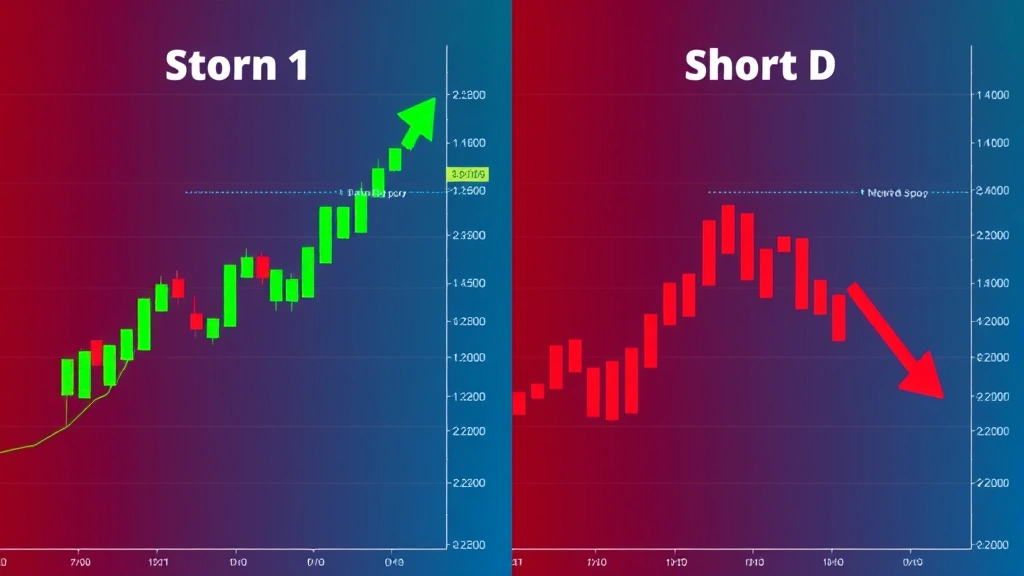
Short Bitcoin ETFs employ inverse strategies designed to profit from Bitcoin price declines. These funds use derivatives—primarily futures contracts, swaps, and options—to achieve returns that move opposite to Bitcoin’s price direction. When Bitcoin falls 10%, a simple inverse Bitcoin ETF typically gains approximately 10%, before fees and expenses.
The mechanics involve sophisticated financial engineering. Fund managers maintain positions in Bitcoin futures contracts and other derivatives that increase in value as Bitcoin’s spot price declines. This allows the ETF to deliver inverse performance without requiring the fund to actually short-sell Bitcoin directly, which would be operationally complex and potentially problematic from a custodial perspective.
Leveraged inverse Bitcoin ETFs amplify this effect. A 2x leveraged inverse Bitcoin ETF aims to deliver twice the inverse daily performance of Bitcoin. If Bitcoin declines 5% in a day, a 2x inverse fund targets a 10% gain. However, this amplification applies to daily returns, creating compounding effects over longer periods that can diverge significantly from the stated leverage multiple when measured over weeks or months.
It’s critical to understand that short Bitcoin ETFs are primarily designed for tactical, short-term positioning rather than long-term buy-and-hold strategies. Professional traders and sophisticated investors use these instruments for hedging, speculation, or temporary market timing, not as permanent portfolio allocations.
The pricing mechanism for these ETFs relies on intraday Bitcoin futures prices and derivative valuations. Unlike spot Bitcoin ETFs that hold actual Bitcoin, inverse ETFs must continuously roll futures positions, manage counterparty relationships, and navigate the complexities of derivatives markets. This operational complexity introduces costs and potential tracking error relative to theoretical inverse Bitcoin returns.
Advantages of Short Bitcoin ETF Exposure
Short Bitcoin ETFs offer several compelling advantages for specific investor situations and strategies. First, they provide a straightforward mechanism to profit from Bitcoin price declines without requiring margin accounts, short-selling stock through brokers, or establishing positions on cryptocurrency exchanges.
For investors who believe Bitcoin is overvalued or expect near-term price corrections, short Bitcoin ETFs enable profitable positioning. Rather than sitting on the sidelines during bear markets, these instruments allow active participation in downward price movements. This is particularly valuable for traders who maintain conviction that Bitcoin faces headwinds from regulatory pressure, macroeconomic tightening, or technical chart patterns.
Hedging represents another significant use case. Investors holding substantial Bitcoin positions can reduce portfolio volatility and downside risk by establishing short Bitcoin ETF positions. This creates a protective collar, limiting losses during price declines while maintaining upside exposure. Should I buy Bitcoin now decisions become less binary when investors can layer in hedging strategies.
Short Bitcoin ETFs also facilitate more sophisticated portfolio construction. Rather than simple long-only allocations, investors can implement tactical allocation shifts, rotate between long and short positioning, or maintain market-neutral strategies that benefit from volatility regardless of price direction. This flexibility appeals to professional asset managers and sophisticated individual investors.
Tax efficiency advantages exist in certain jurisdictions. Some investors may find inverse ETF positioning more tax-efficient than alternative hedging strategies. Additionally, the simplicity of trading inverse ETFs through standard brokerage accounts appeals to investors uncomfortable with cryptocurrency exchange platforms or unwilling to manage digital asset custody.
Accessibility for traditional investors represents a fundamental advantage. Investment advisors, pension funds, and institutional investors with mandates restricting cryptocurrency investments may be permitted to use inverse Bitcoin ETFs for hedging purposes. This regulatory flexibility expands the investor base capable of implementing sophisticated Bitcoin strategies.
Risks and Limitations You Must Know
Short Bitcoin ETF investing carries substantial risks that demand careful consideration. The most significant risk involves the potential for unlimited losses. Unlike long stock positions where maximum loss is limited to initial investment, short positions theoretically face unlimited loss potential if Bitcoin’s price rises indefinitely. A short Bitcoin ETF position of $10,000 could theoretically lose far more than the initial $10,000 investment.
Decay and compounding effects plague leveraged inverse ETFs over extended holding periods. These funds are designed for daily rebalancing and daily performance tracking. Over longer timeframes, the compounding of daily returns diverges substantially from stated leverage multiples. A 3x inverse Bitcoin ETF held for six months might significantly underperform three times the inverse return of Bitcoin measured over that period. This mathematical reality makes leveraged inverse ETFs unsuitable for buy-and-hold strategies.
Contango and backwardation in Bitcoin futures markets create headwinds for inverse ETF performance. When futures markets trade in contango (future prices higher than spot prices), rolling positions from expiring contracts to new contracts locks in losses. This structural market condition can erode inverse ETF value even when spot Bitcoin prices remain stable.
Fees and expense ratios impact returns substantially. Short and inverse Bitcoin ETFs typically charge higher fees than spot Bitcoin ETFs, ranging from 0.5% to 1.5% annually or higher for leveraged variants. Over time, these fees compound and reduce net returns significantly, particularly problematic for leveraged products held over extended periods.
Tracking error—the divergence between ETF performance and theoretical performance—represents another critical risk. Operational challenges, derivative pricing inefficiencies, and fund management decisions create gaps between expected and actual returns. Some inverse Bitcoin ETFs may underperform their theoretical inverse targets by 1-3% annually.
Regulatory risk cannot be ignored. Cryptocurrency regulation remains in flux globally. Adverse regulatory developments could impact Bitcoin’s price dramatically or restrict investor access to inverse Bitcoin ETFs. Additionally, exchanges could halt trading in these instruments during periods of extreme volatility, preventing exit from positions exactly when investors most need liquidity.
Psychological and behavioral risks also emerge. Short positions create emotional stress and decision-making challenges. Investors naturally resist losses and may make poor timing decisions, closing winning positions too early or holding losing positions too long hoping for reversals.
Comparing Spot vs Inverse Bitcoin ETFs
Understanding the fundamental differences between spot and inverse Bitcoin ETFs is essential for coherent portfolio strategy. Spot Bitcoin ETFs hold actual Bitcoin in secure custodial arrangements. They track Bitcoin’s price directly and benefit from long-term Bitcoin appreciation. These instruments align with investors who believe in Bitcoin’s long-term value proposition and want straightforward exposure.
Inverse Bitcoin ETFs, conversely, hold derivatives and financial instruments designed to profit from Bitcoin price declines. They represent tactical tools for specific market conditions, not strategic long-term holdings. The operational complexity, fee structures, and compounding mathematics make them fundamentally different investment vehicles.
For Bitcoin price prediction strategies, the choice between spot and inverse exposure depends entirely on directional conviction. Investors bullish on Bitcoin should emphasize spot ETFs. Those expecting near-term declines should consider inverse exposure. Many sophisticated investors maintain both positions simultaneously, adjusting the allocation based on market conditions and technical analysis.
Spot Bitcoin ETFs offer superior long-term returns if Bitcoin appreciates, which historical data suggests is likely over extended timeframes. Inverse Bitcoin ETFs excel during bear markets but destroy value during bull markets. Neither is universally superior; context determines appropriateness.
Tax treatment differs between products in many jurisdictions. Spot Bitcoin ETFs may qualify for favorable treatment in certain regions. Inverse ETFs using derivatives may face different tax classifications. Investors should consult tax professionals regarding their specific circumstances.
Cost structures heavily favor spot Bitcoin ETFs. Spot ETF expense ratios typically range from 0.2% to 0.5% annually. Inverse and leveraged variants often exceed 1% annually. Over a 10-year period, this fee differential substantially impacts compounded returns.
Strategic Implementation and Portfolio Integration
Implementing short Bitcoin ETF strategies requires disciplined planning and clear decision frameworks. First, establish specific tactical objectives. Are you hedging existing Bitcoin holdings? Timing a temporary market correction? Implementing a market-neutral strategy? Clear objectives inform position sizing and holding period expectations.
Position sizing deserves careful attention. Short Bitcoin ETF positions should typically represent small portfolio percentages—perhaps 5-15% of total cryptocurrency allocation or 1-3% of overall portfolio value. This constraint reflects the directional risk and compounding mathematics of inverse positions.
For hedging strategies, calculate the precise hedge ratio based on your Bitcoin holdings and risk tolerance. A 50% hedge means establishing inverse Bitcoin ETF positions equal to 50% of your Bitcoin holdings. This reduces downside risk but also caps upside participation. Adjust hedge ratios based on your conviction in Bitcoin’s long-term appreciation and your comfort with volatility.
Time horizon selection is critical. Short Bitcoin ETF positions should rarely exceed 3-6 months, and particularly leveraged variants should be closed within weeks. The mathematical reality of daily rebalancing makes extended holding periods problematic. Set specific exit criteria: target price levels, time-based exits, or technical indicators that trigger position closure.
For cryptocurrency price prediction 2025 strategies, incorporate macro analysis, regulatory developments, and technical patterns. Avoid relying solely on inverse Bitcoin ETFs for market timing. Combine them with other research, diversification strategies, and risk management practices.
Consider portfolio construction carefully. If your core holdings emphasize long Bitcoin positions through spot ETFs or direct ownership, short Bitcoin ETF positions should be sized to maintain overall portfolio balance. The combination creates optionality and reduces concentration risk.
Rebalancing discipline is essential. Set specific rebalancing schedules—perhaps monthly or quarterly—to maintain target allocations. This forces investors to trim winning positions and add to losing positions, creating systematic discipline that counters emotional decision-making.
Tax Implications and Regulatory Considerations
Tax treatment of short Bitcoin ETF gains and losses varies significantly by jurisdiction. In the United States, gains from short Bitcoin ETFs held less than one year typically qualify as short-term capital gains, taxed at ordinary income rates (potentially 37% for top earners). Longer holding periods rarely apply given the tactical nature of these positions.
The Section 1256 contracts treatment may apply to certain Bitcoin futures-based positions, offering potential advantages through 60/40 long-term/short-term treatment regardless of actual holding period. Investors should consult tax professionals to determine whether their specific inverse Bitcoin ETF products qualify.
Wash sale rules potentially complicate tax planning. Selling short Bitcoin ETF positions at losses while maintaining long Bitcoin positions (through spot ETFs or direct holdings) may trigger wash sale treatment, preventing loss deductions. Careful tax planning and position management help avoid these pitfalls.
International investors face different tax regimes. Some jurisdictions tax cryptocurrency gains at standard capital gains rates, while others may classify them differently. The regulatory landscape continues evolving rapidly, requiring ongoing attention to compliance.
Regulatory oversight of Bitcoin ETFs has strengthened significantly following their approval. The SEC maintains jurisdiction over these products, requiring compliance with investment company regulations, disclosure requirements, and fiduciary standards. This regulatory framework provides investor protection compared to unregulated cryptocurrency products.
However, regulatory risk remains. Future regulatory changes could restrict investor access to inverse Bitcoin ETFs, impose higher capital requirements on issuers, or create trading restrictions during volatile periods. These potential developments should inform position sizing and risk management decisions.
For Cómo comprar Bitcoin decisions, regulatory considerations differ from short ETF strategies. Direct Bitcoin purchases face different tax and regulatory frameworks than ETF investments. Understanding these distinctions helps investors optimize their overall cryptocurrency approach.
International regulatory developments warrant monitoring. Different jurisdictions may approve or restrict inverse Bitcoin ETFs based on investor protection concerns or cryptocurrency policy positions. Changes in major markets could impact product availability and pricing.
Custodial and counterparty risk requires attention despite regulatory oversight. While SEC-regulated Bitcoin ETFs offer significant protections, fund management quality and derivative counterparty relationships influence actual risk exposure. Reviewing fund prospectuses and understanding operational details protects investors from unexpected complications.
FAQ
What is the difference between a short Bitcoin ETF and a regular short position?
Short Bitcoin ETFs use derivative instruments to achieve inverse performance without requiring margin accounts or cryptocurrency exchange accounts. Regular short positions involve borrowing Bitcoin or using margin to short-sell, creating direct counterparty risk and requiring active position management. Short Bitcoin ETFs offer simplicity and regulatory protection but higher fees and compounding challenges.
Can I lose more than my initial investment in a short Bitcoin ETF?
Yes, if Bitcoin’s price rises significantly, short Bitcoin ETF positions can lose more than the initial investment. A $10,000 position could theoretically lose $15,000 or more if Bitcoin appreciates substantially. This unlimited loss potential makes position sizing and stop-loss discipline essential.
How long should I hold a leveraged inverse Bitcoin ETF?
Leveraged inverse Bitcoin ETFs are designed for short-term tactical positioning, ideally days to weeks rather than months or years. The daily rebalancing mechanism causes performance to diverge substantially from stated leverage multiples over extended periods. Holding leveraged inverse ETFs beyond a few weeks typically results in poor risk-adjusted returns.
Are short Bitcoin ETFs good for long-term investing?
No. Short Bitcoin ETFs are tactical tools for specific market conditions, not long-term strategic holdings. The combination of high fees, compounding mathematics, and Bitcoin’s historical upward bias makes short Bitcoin ETF positions unsuitable for buy-and-hold strategies. They should be viewed as temporary hedging or speculation tools only.
How do fees impact short Bitcoin ETF returns?
Inverse and leveraged Bitcoin ETF fees typically range from 0.5% to 1.5% annually, significantly higher than spot Bitcoin ETF fees of 0.2-0.5%. Over time, these fees compound and substantially reduce returns. A 1% annual fee difference grows to meaningful performance drag over multi-year periods.
What happens to short Bitcoin ETFs during extreme volatility?
During extreme volatility, inverse Bitcoin ETF performance may diverge significantly from theoretical targets due to liquidity constraints, derivative pricing inefficiencies, and potential trading halts. Additionally, if Bitcoin crashes rapidly, leveraged inverse ETFs may experience sharp gains followed by decay as volatility normalizes. Extreme volatility creates both opportunities and risks.
Can I use short Bitcoin ETFs for hedging my Bitcoin holdings?
Yes, short Bitcoin ETFs effectively hedge Bitcoin holdings. Establish positions sized to your desired hedge ratio (perhaps 25-50% of Bitcoin holdings). This reduces downside risk but also limits upside participation. Adjust hedge ratios based on your Bitcoin conviction and risk tolerance.
How are short Bitcoin ETF gains taxed?
Short-term gains (positions held less than one year) are typically taxed at ordinary income rates. Long-term gains (positions held over one year) receive preferential rates, though short Bitcoin ETF positions rarely qualify for long-term treatment given their tactical nature. Consult tax professionals regarding your specific circumstances and jurisdiction.


