Tarkov Bitcoin Price: Latest In-Game Analysis and Trading Guide
Escape from Tarkov’s in-game economy operates as one of the most sophisticated virtual marketplaces in gaming, where the Bitcoin serves as a high-value commodity that mirrors real economic principles. Understanding the Tarkov Bitcoin price fluctuations is essential for players seeking to maximize profits, fund their hideout upgrades, and maintain a competitive edge in raids. Unlike the real cryptocurrency market where cryptocurrency operates on blockchain technology, Tarkov’s Bitcoin exists purely within the game’s economy system, yet its pricing mechanics teach valuable lessons about supply, demand, and market volatility.
The in-game Bitcoin serves multiple critical functions: it’s a valuable loot item found primarily in Bitcoin farms and tech spawns, a tradeable asset on the Flea Market, and a crucial component for hideout upgrades. Players who master the intricacies of Tarkov Bitcoin pricing can transform their gameplay experience from struggling to thriving, accumulating wealth that translates into better gear, ammunition, and survival resources. This comprehensive guide explores the latest trends, price analysis, and strategic approaches to Bitcoin trading within Escape from Tarkov’s dynamic economy.

Understanding Tarkov Bitcoin Mechanics
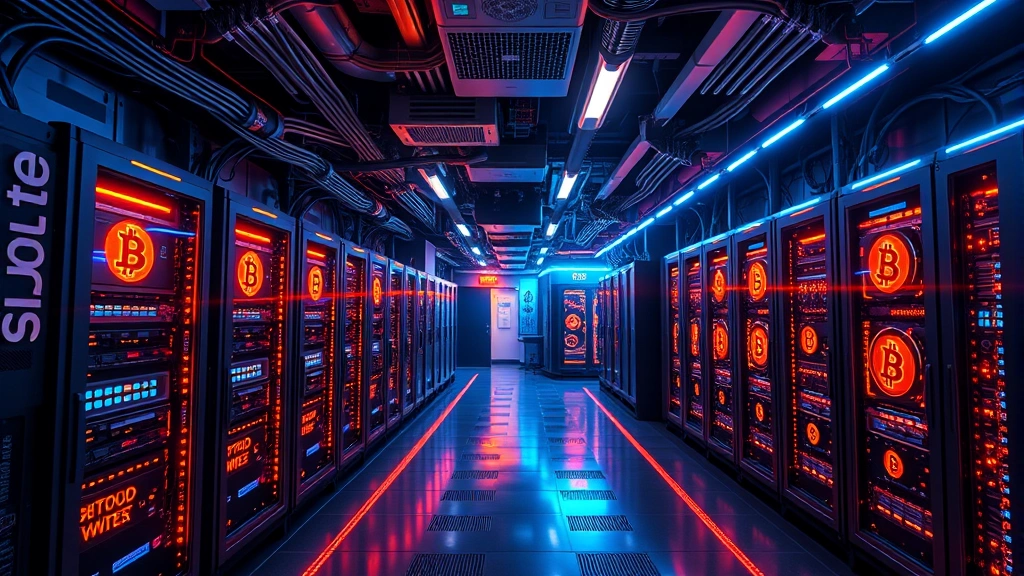
Tarkov’s Bitcoin system represents a microcosm of real economic principles, where players must understand supply chains, production costs, and market demand. The game’s Bitcoin isn’t simply a rare drop—it’s produced through dedicated hideout modules called Bitcoin farms, which generate digital currency at regular intervals based on GPU availability and electrical power. Each Bitcoin farm generates one Bitcoin approximately every 143-170 minutes, depending on the quality and quantity of graphics cards installed.
The mechanics are straightforward yet demand strategic thinking: players invest rubles into their hideout to construct Bitcoin farms, purchase expensive graphics cards to populate these farms, and maintain electrical power to keep operations running. The return on investment depends entirely on the current market price of Bitcoin and the duration of your gameplay. Understanding this production system is crucial because it directly correlates with market supply and, consequently, pricing.
Unlike real Bitcoin where price charts reveal patterns and trends, Tarkov Bitcoin pricing is influenced primarily by in-game factors: the number of active players, hideout progression rates, and raid accessibility. New wipes (server resets) typically see lower Bitcoin prices initially because fewer players have established farms, creating supply shortages that gradually stabilize as the economy matures.

Current Price Trends and Market Analysis
The Tarkov Bitcoin price has experienced significant fluctuations throughout recent patches, ranging from approximately 400,000 rubles during high supply periods to peaks exceeding 650,000 rubles during economic crises or major content updates. Current market analysis indicates that Bitcoin prices stabilize around 500,000-550,000 rubles in mid-wipe conditions, representing an equilibrium point where supply from farms meets demand from hideout investors and gear purchasers.
Recent price trends suggest increased volatility correlating with patch releases and balance changes. When developers modify Bitcoin farm efficiency, introduce new hideout requirements, or adjust loot distribution, the market responds dramatically. Experienced players monitor official patch notes and community forums to anticipate price movements, allowing them to buy low before anticipated increases or sell before expected dumps.
The Flea Market serves as Tarkov’s primary price discovery mechanism, where individual traders set asking prices and the collective market determines fair value. Unlike traditional financial markets, Tarkov’s Bitcoin lacks centralized price feeds—instead, players must monitor listings manually or consult community-maintained price tracking websites. This decentralized pricing system creates opportunities for arbitrage and market inefficiencies that savvy traders exploit.
Seasonal patterns emerge throughout wipe cycles: early wipe sees higher prices due to supply scarcity, mid-wipe stabilization as farms proliferate, and late-wipe potential crashes as players liquidate assets before the next wipe. Understanding these cyclical patterns allows players to time their investments strategically, purchasing Bitcoin when prices are depressed and selling when scarcity drives prices upward.
Factors Influencing Bitcoin Prices
Supply Side Factors: Bitcoin production directly correlates with the number of active Bitcoin farms. Each player with a fully equipped farm contributes to overall supply, increasing availability and typically depressing prices. Conversely, early-wipe periods feature limited farms, creating supply constraints that drive prices higher. GPU availability also influences supply—when graphics card loot becomes scarce or expensive, fewer players can afford farm upgrades, reducing production capacity.
Demand Side Factors: Player demand for Bitcoin stems from multiple sources: hideout upgrades requiring Bitcoin as payment, players seeking quick liquid assets to purchase gear, and investors speculating on price appreciation. When major hideout updates introduce new Bitcoin-consuming upgrades, demand spikes dramatically, pushing prices upward. Conversely, when players complete hideout progression, demand decreases, pressuring prices downward.
Game Balance Changes: Developer patches significantly influence Bitcoin economics. Adjustments to hideout upgrade costs, Bitcoin farm efficiency, or loot distribution directly impact both supply and demand dynamics. A patch increasing farm production speed, for example, would increase supply and likely depress prices, while a patch introducing expensive Bitcoin-consuming features would increase demand and elevate prices.
Player Population Dynamics: Tarkov’s player base fluctuates seasonally and following content releases. Peak player counts increase overall market activity and typically stabilize prices through increased liquidity, while player exodus during content droughts reduces trading volume and increases price volatility. New content expansions attract players who lack established farms, temporarily increasing Bitcoin demand.
Inflation and Ruble Dynamics: Tarkov’s economy experiences inflation as players accumulate wealth and rubles become more common. This inflation generally pressures Bitcoin prices upward in nominal terms as players have more rubles to spend. However, the rate of inflation varies based on loot availability and money-making opportunities, creating complex pricing dynamics that reward careful analysis.
Bitcoin Farm Profitability
Calculating Bitcoin farm profitability requires understanding both the initial investment and ongoing operational costs. A fully upgraded Bitcoin farm (level 3) with 50 graphics cards costs approximately 3-4 million rubles to construct and populate, including hideout upgrade costs and GPU purchases. At current prices near 500,000 rubles per Bitcoin, the farm produces approximately 3.5 million rubles daily, creating payback periods of 1-2 weeks for fully invested players.
However, profitability analysis must account for opportunity costs and alternative investments. Compound interest principles apply to hideout investments—early investment in farms generates returns throughout the entire wipe, while late-wipe investments may never recoup their costs before the next reset. This temporal dimension makes early-wipe farm construction significantly more valuable than equivalent investments later in the cycle.
Operational considerations affect profitability beyond raw production numbers. Electricity costs remain relatively minimal compared to Bitcoin value, but generator fuel consumption varies based on power supply reliability. Players must maintain hideout systems and occasionally replace broken graphics cards, adding minor maintenance costs. More importantly, players must secure Bitcoin farm access through successful raids and hideout access, requiring investment in gear and consumables that indirectly consume farm profits.
Advanced players optimize farm profitability through strategic timing: purchasing Bitcoin farms when prices are depressed (early wipe), maintaining consistent raid schedules to generate operational funds, and selling Bitcoin during price peaks. Some experienced players even manipulate their farm configurations based on anticipated price movements, temporarily reducing production during anticipated price crashes and maximizing production before expected increases.
Trading Strategies on the Flea Market
Successful Bitcoin trading on Tarkov’s Flea Market requires understanding market dynamics and recognizing price inefficiencies. Arbitrage trading involves identifying price discrepancies—buying Bitcoin listed below market value and reselling at premium prices. This strategy requires constant market monitoring but generates consistent profits with minimal risk, as the trader simply captures the spread between buying and selling prices.
Speculative investing involves predicting future price movements and positioning accordingly. Players who anticipate upcoming patches or balance changes can buy Bitcoin before price increases, capturing substantial gains when their predictions prove correct. This strategy carries higher risk but offers greater profit potential, rewarding players with superior game knowledge and analytical skills.
Accumulation strategies focus on long-term wealth building rather than short-term trading profits. Players consistently purchase Bitcoin throughout the wipe, averaging their cost basis and building substantial reserves. This approach requires capital reserves but eliminates the need for perfect timing, as consistent accumulation eventually produces significant wealth regardless of price fluctuations.
Dumping strategies exploit late-wipe dynamics when players liquidate assets before resets. Experienced traders accumulate Bitcoin throughout the wipe and sell aggressively as wipe approaches, capturing premium prices from desperate players seeking quick liquid assets. This strategy requires excellent timing but can generate substantial returns during the final wipe weeks.
Successful traders maintain detailed records of price history, track volume and liquidity metrics, and develop intuitive understandings of market psychology. They recognize that market volatility presents both opportunities and risks, requiring disciplined risk management and emotional control during price swings.
Hideout Investment Considerations
Bitcoin plays a critical role in hideout progression, serving as payment for multiple expensive upgrades across various hideout modules. The Lavatory level 3, Intelligence Center upgrades, and various top-tier modules require Bitcoin payments, forcing players to choose between selling Bitcoin for immediate capital or retaining it for hideout investment. This decision significantly impacts long-term progression and economic efficiency.
Strategic hideout investors calculate the value of upgrades in terms of long-term returns. Some hideout upgrades generate passive income (like Bitcoin farms and Scav case), making them exceptional investments that pay dividends throughout the wipe. Other upgrades provide utility benefits (like crafting stations or storage) that improve quality of life but don’t generate direct returns. Understanding these distinctions allows players to prioritize investments strategically.
The optimal hideout investment approach typically involves securing core income-generating upgrades first—specifically Bitcoin farms—before pursuing utility upgrades. Players who establish farms early capture months of production, while late-wipe farm construction may never generate sufficient returns. Conversely, utility upgrades become valuable throughout the entire wipe, making them suitable for late-wipe investment when farm construction no longer makes financial sense.
Some players adopt hybrid strategies, balancing farm investment with utility upgrades to optimize both passive income and quality of life. Others specialize in pure farm maximization, sacrificing comfort for maximum Bitcoin production. Neither approach is universally optimal—the best strategy depends on individual playstyle, raid success rate, and personal preferences regarding hideout aesthetics and functionality.
Risk Management and Market Volatility
Bitcoin price volatility in Tarkov can swing 20-30% within days following major patches or balance changes, creating substantial risks for poorly positioned traders. Effective risk management requires diversification—maintaining multiple asset types rather than concentrating wealth entirely in Bitcoin. Players should balance Bitcoin holdings with rubles, valuable trade goods, and equipment reserves.
Position sizing determines vulnerability to adverse price movements. Conservative traders limit Bitcoin holdings to 10-20% of total wealth, limiting potential losses from price crashes while maintaining significant upside from appreciation. Aggressive traders concentrate 50%+ of wealth in Bitcoin, accepting higher volatility for greater potential returns. Neither approach is inherently superior—the optimal position size depends on individual risk tolerance and financial security.
Stop-loss discipline prevents catastrophic losses during unexpected market collapses. Players who establish predetermined price points where they’ll sell Bitcoin regardless of sentimental attachment protect themselves from holding through extended downtrends. Conversely, profit-taking at predetermined levels captures gains during rallies, preventing the psychological pain of watching profits evaporate during subsequent corrections.
Market timing risk represents the most significant challenge—even accurate predictions of price direction can prove costly if timing proves slightly off. Players who sell Bitcoin expecting a crash but prices continue rising miss significant gains, while those waiting for deeper crashes may find prices never return to anticipated levels. Accepting imperfect timing and focusing on reasonable entry and exit points rather than optimal points reduces this risk.
Community sentiment analysis provides valuable risk management insights. When forums and social media overflow with Bitcoin buying enthusiasm, contrarian traders recognize potential overbought conditions and reduce exposure. Conversely, widespread bearish sentiment often precedes price rebounds, creating buying opportunities for disciplined investors. Understanding crowd psychology improves risk-adjusted returns.
FAQ
What is the current Tarkov Bitcoin price?
Bitcoin prices fluctuate constantly based on market conditions, typically ranging from 450,000-600,000 rubles in mid-wipe periods. Current prices require checking the Flea Market directly or consulting community price tracking resources, as prices vary between servers and change multiple times daily.
How often does a Bitcoin farm produce Bitcoin?
A fully upgraded Bitcoin farm produces one Bitcoin approximately every 143-170 minutes, depending on graphics card quality and quantity. Higher-tier graphics cards accelerate production slightly, while power interruptions pause production until electricity is restored.
Is Bitcoin farm investment worth it early wipe?
Early-wipe Bitcoin farm investment typically delivers exceptional returns, as farms produce throughout the entire wipe cycle. Players who invest in farms during the first week often generate 10+ million rubles in profit before wipe ends. Late-wipe investments rarely recoup costs before resets.
Should I sell Bitcoin or invest it in hideout upgrades?
This decision depends on hideout completion status and income sources. Players with incomplete farms should prioritize farm construction, as Bitcoin farm returns exceed most alternative investments. Players with complete farms can safely convert Bitcoin to rubles for gear purchases or utility upgrades.
How does the Flea Market price differ from trader prices?
Traders offer fixed prices unaffected by market conditions, while Flea Market prices fluctuate based on supply and demand. Flea Market prices are typically higher than trader prices, reflecting market premiums. However, traders provide price floors—if Flea Market prices fall below trader buyback values, arbitrage opportunities emerge.
What causes sudden Bitcoin price crashes?
Major patches introducing farm nerfs, balance changes reducing Bitcoin demand, or large-scale player liquidations before wipes cause price crashes. Server resets and game updates typically trigger the most dramatic price movements as the economy resets and players reassess investment strategies.
Can I predict Bitcoin price movements?
While perfect prediction is impossible, experienced players identify patterns through patch analysis, population tracking, and historical price data. Understanding price forecasting principles improves prediction accuracy, though unexpected developments always create surprises.
Is Bitcoin farming passive income?
Bitcoin farming qualifies as semi-passive income—farms generate returns automatically without active player participation, but players must maintain hideout systems, ensure power availability, and manage farm configuration. Truly passive players can neglect farms entirely, but maximum profitability requires occasional optimization and monitoring.


