Can You Buy Bitcoin on Venmo? Expert Overview
Venmo has become one of America’s most popular peer-to-peer payment platforms, with millions of users transferring money daily through their smartphones. As cryptocurrency adoption accelerates, many Venmo users naturally wonder whether they can purchase Bitcoin directly through the app. The short answer is: yes, but with significant limitations. Venmo introduced cryptocurrency buying capabilities in 2021, allowing users to purchase Bitcoin, Ethereum, and other digital assets. However, the service comes with restrictions, fees, and considerations that differ substantially from dedicated crypto exchanges.
Understanding how to buy Bitcoin on Venmo requires examining the platform’s crypto offerings, comparing them to alternative purchasing methods, and evaluating whether Venmo is the right choice for your investment strategy. This comprehensive guide explores everything you need to know about purchasing Bitcoin through Venmo, including the process, costs, security implications, and whether it aligns with your cryptocurrency investment goals.
How to Buy Bitcoin on Venmo
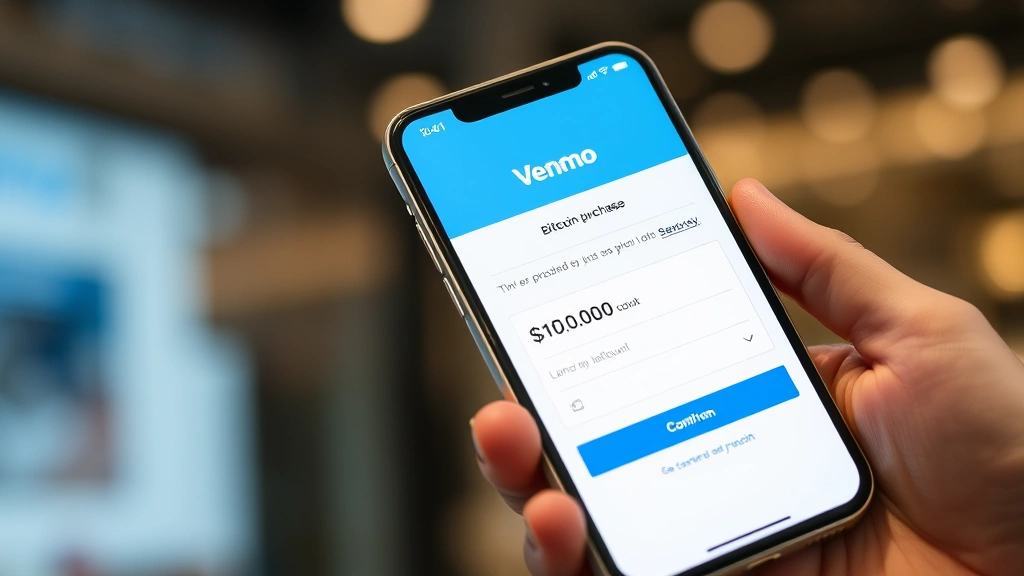
Purchasing Bitcoin on Venmo is a straightforward process designed for simplicity rather than advanced trading features. To begin, ensure you have a verified Venmo account with valid identification and a connected payment method such as a bank account or debit card. Open the Venmo app and navigate to the crypto section, typically found in the main menu or through a dedicated cryptocurrency tab.
Once you’ve accessed the crypto purchasing interface, select Bitcoin from the available digital assets. The app will display the current Bitcoin price and allow you to choose how much you want to invest—you can either specify a dollar amount or a specific quantity of Bitcoin. After reviewing the transaction details, including the current exchange rate and any applicable fees, confirm your purchase. The transaction typically completes within minutes, and your Bitcoin holdings will appear in your Venmo wallet.
The entire process requires no technical expertise, which explains Venmo’s appeal to cryptocurrency newcomers. However, this user-friendly interface comes with trade-offs in terms of functionality, control, and pricing compared to dedicated crypto platforms.
Venmo’s Cryptocurrency Features Explained
Venmo’s cryptocurrency offering extends beyond simple Bitcoin purchases. The platform allows users to buy, hold, and sell several cryptocurrencies including Bitcoin, Ethereum, Litecoin, and Bitcoin Cash. Users can monitor their crypto holdings through a dedicated portfolio view that displays current values, price changes, and historical performance.
One notable feature is Venmo’s integration with its payment system. While you cannot directly send cryptocurrency to other Venmo users through the app itself, you can purchase crypto and hold it in your Venmo wallet. The platform provides price alerts, allowing users to receive notifications when Bitcoin reaches specific price points they’ve set. This functionality helps investors stay informed about market movements without constantly checking prices.
Venmo also offers educational resources about cryptocurrency, including articles and explanations of blockchain technology basics. These resources aim to help new investors understand what they’re purchasing and the fundamental concepts behind digital assets. However, these educational materials should be supplemented with independent research from reputable sources like CoinDesk, which provides comprehensive cryptocurrency news and analysis.
The platform’s crypto features are deliberately simplified compared to advanced trading platforms. Venmo does not offer features like margin trading, limit orders, or advanced charting tools. This limitation protects inexperienced investors from sophisticated trading strategies but also restricts what experienced traders can accomplish through the platform.
Fees and Costs Associated with Venmo Bitcoin Purchases
Understanding the complete cost structure of buying Bitcoin on Venmo is essential for making informed investment decisions. Venmo charges a spread on cryptocurrency transactions, which represents the difference between the market price and the price you actually pay. This spread typically ranges from 1% to 2%, though it can vary based on market conditions and the specific cryptocurrency being purchased.
Beyond the spread, Venmo may charge additional transaction fees depending on your payment method. Using a debit card often incurs lower fees than credit card purchases, as credit card companies impose their own transaction fees that Venmo passes along to users. Bank transfers may have different fee structures, and it’s worth checking Venmo’s current fee schedule before completing your purchase.
When you sell Bitcoin on Venmo, similar fees apply. The combination of buying and selling spreads means that round-trip transactions—purchasing Bitcoin and later selling it—can cost 2-4% or more in fees alone. This cost structure makes Venmo less suitable for frequent traders but acceptable for long-term Bitcoin forecast 2025 investors who plan to hold their assets for extended periods.
To compare, dedicated crypto exchanges like Kraken, Coinbase, and Gemini typically charge lower percentage-based fees, often ranging from 0.1% to 0.5% for standard transactions. For significant Bitcoin purchases, the fee differential can amount to substantial savings. Use a fee calculator to determine whether Venmo’s convenience justifies its higher costs for your specific investment amount.
Comparing Venmo to Dedicated Crypto Exchanges
While Venmo offers convenience and simplicity, dedicated cryptocurrency exchanges provide superior features, lower costs, and greater control over your digital assets. Platforms like Coinbase, Kraken, and Gemini offer more extensive cryptocurrency selections, advanced trading tools, and lower fee structures than Venmo.
Dedicated exchanges typically provide access to hundreds of cryptocurrencies, whereas Venmo limits users to a small selection. If you’re interested in exploring alternative digital assets beyond Bitcoin and Ethereum, you’ll need to use a dedicated exchange. Additionally, these platforms offer features like limit orders, which allow you to automatically purchase Bitcoin when it reaches a specific price point—a tool unavailable on Venmo.
The security infrastructure of dedicated exchanges often surpasses that of payment apps like Venmo. Major crypto exchanges employ institutional-grade security measures, including cold storage of customer assets, insurance coverage, and regular security audits. While Venmo provides security protections, its primary focus remains peer-to-peer payments rather than cryptocurrency custody.
However, Venmo excels in user experience for absolute beginners. If you’re just starting to explore cryptocurrency and want to make a small initial investment without navigating complex exchange interfaces, Venmo’s straightforward approach has merit. The platform’s integration with your existing Venmo account eliminates the need to create a new account on another service.
Security and Custody Considerations
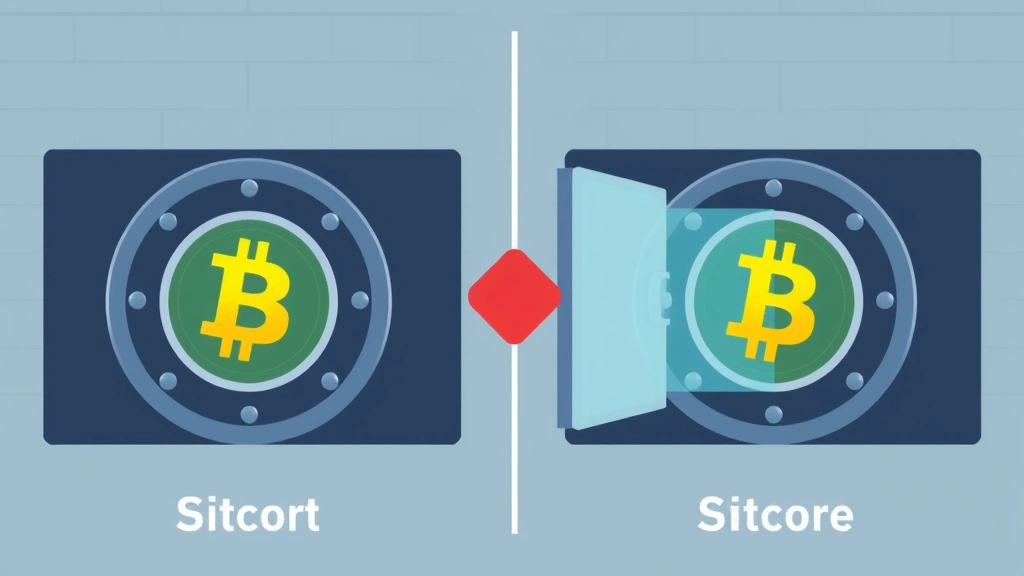
When you purchase Bitcoin on Venmo, PayPal (Venmo’s parent company) maintains custody of your digital assets. This arrangement means you don’t control the private keys to your Bitcoin—PayPal does. While PayPal is a regulated financial institution with substantial resources dedicated to security, this custody model differs fundamentally from self-custody approaches where you control your own private keys.
The custody model has both advantages and disadvantages. On the positive side, you cannot lose your Bitcoin due to personal security mistakes like forgetting a password or losing a hardware wallet. PayPal’s security infrastructure protects against many common attack vectors. However, you’re dependent on PayPal’s continued operation and security practices. If PayPal experiences a breach or ceases operations, your Bitcoin could be at risk.
PayPal does provide some insurance coverage for cryptocurrency held through Venmo, though the specific coverage limits and conditions are important to review. Check PayPal’s official documentation for current information about insurance protections for cryptocurrency holdings.
Additionally, you cannot withdraw Bitcoin from Venmo to an external wallet or send it to another person’s wallet address. This restriction means your Bitcoin is essentially locked within the Venmo ecosystem. If you want to transfer your Bitcoin to a hardware wallet, use it for transactions, or move it to another exchange, you must first sell it on Venmo and repurchase it elsewhere—incurring additional fees in the process.
For investors concerned with maximum security and control, self-custody through a hardware wallet like Ledger or Trezor offers superior protection, though it requires more technical knowledge and personal responsibility.
Venmo Bitcoin Purchase Limits
Venmo imposes purchase limits on cryptocurrency transactions to comply with regulatory requirements and manage risk. These limits vary based on your account verification level and history with the platform. New users typically face lower limits than established account holders with verified identities and transaction histories.
The specific purchase limits change periodically based on PayPal’s policies and regulatory requirements. Generally, users can purchase anywhere from a few hundred to several thousand dollars worth of Bitcoin per transaction, with higher weekly and monthly limits for verified accounts. Check your Venmo app or contact customer support for your specific account’s current limits.
These limits can be frustrating for investors wanting to make larger purchases. If you’re interested in acquiring significant amounts of Bitcoin, you may need to use a dedicated exchange where limits are typically higher or nonexistent for verified accounts. Consider the Bitcoin price prediction May 2025 and your investment timeline when deciding whether Venmo’s limits accommodate your strategy.
For dollar-cost averaging strategies where you invest fixed amounts regularly, Venmo’s limits are usually sufficient. However, if you want to invest a lump sum, you may need to split purchases across multiple transactions or use an alternative platform.
Tax Implications of Buying Bitcoin on Venmo
Purchasing Bitcoin on Venmo creates tax obligations in most jurisdictions. The IRS and equivalent tax authorities in other countries treat cryptocurrency as property, not currency. This classification means that buying Bitcoin is a taxable event that must be reported on your tax return, and selling or trading Bitcoin triggers capital gains taxes.
When you buy Bitcoin on Venmo, you must record the purchase price and date for your records. If you later sell that Bitcoin at a higher price, you owe taxes on the profit (capital gain). If you sell at a loss, you may be able to deduct the loss on your tax return, subject to applicable limitations.
Venmo and PayPal provide tax documents to users who meet certain transaction thresholds. In the United States, if you have significant cryptocurrency transactions, you may receive a Form 1099-K or Form 1099-MISC. However, these forms may not capture all necessary information for accurate tax reporting, so maintaining your own detailed records is essential.
For understanding investment returns and tax implications, review our guide on how to calculate investment returns. Consulting with a tax professional familiar with cryptocurrency taxation ensures you comply with all applicable regulations and optimize your tax situation.
Keep meticulous records of every Bitcoin purchase and sale on Venmo, including dates, amounts, prices, and fees paid. This documentation becomes crucial when preparing your tax return and defending your tax position if audited.

Alternatives to Buying Bitcoin on Venmo
Several alternatives to Venmo offer different advantages depending on your needs and experience level. Kraken provides a user-friendly interface for beginners while offering advanced features for experienced traders. The platform charges lower fees than Venmo and allows you to withdraw Bitcoin to external wallets.
Square’s Cash App offers a Bitcoin purchasing experience similar to Venmo’s, with comparable fees and simplicity. However, Cash App also doesn’t allow you to withdraw Bitcoin to external wallets, making it equally restrictive in terms of custody control.
For those interested in FintechZoom Bitcoin ETF investments, exchange-traded funds provide exposure to Bitcoin price movements without directly purchasing and holding the cryptocurrency. Bitcoin ETFs can be purchased through any brokerage account and offer tax advantages in certain situations.
Gemini is another reputable exchange offering competitive fees and strong security practices. The platform allows both beginners and advanced traders to access the cryptocurrency markets with appropriate tools for each experience level.
For those interested in understanding cryptocurrency more broadly, explore the pros and cons of cryptocurrency before committing funds. This knowledge helps you make informed decisions about whether Bitcoin and other digital assets align with your investment philosophy.
Hardware wallets like Ledger and Trezor offer maximum security for Bitcoin holders willing to manage their own private keys. After purchasing Bitcoin on any platform, transferring it to a hardware wallet provides superior protection against exchange hacks and account compromises.
Understanding what is fundamental analysis helps you evaluate whether Bitcoin represents a sound investment based on underlying factors rather than price momentum alone. This analytical framework applies regardless of which platform you use to purchase Bitcoin.
FAQ
Is it safe to buy Bitcoin on Venmo?
Buying Bitcoin on Venmo is reasonably safe from a fraud perspective, as PayPal maintains substantial security infrastructure. However, you don’t control your private keys, and you cannot withdraw Bitcoin to external wallets. For maximum security and control, consider dedicated exchanges or hardware wallets.
What fees does Venmo charge for Bitcoin purchases?
Venmo charges a spread of typically 1-2% on cryptocurrency purchases, plus potential payment method fees. Selling Bitcoin incurs similar fees. These costs are higher than dedicated crypto exchanges, which often charge 0.1-0.5% in fees.
Can I send Bitcoin to someone else from Venmo?
No, Venmo does not allow you to send Bitcoin to other users or external wallet addresses. You can only buy, hold, and sell Bitcoin within the Venmo app. To transfer Bitcoin elsewhere, you must sell it on Venmo and repurchase it on another platform.
What are the purchase limits for Bitcoin on Venmo?
Purchase limits vary based on account verification level and history. New users typically face lower limits than established accounts. Check your Venmo app for your specific limits, which may range from a few hundred to several thousand dollars per transaction.
Do I need to pay taxes on Bitcoin purchased through Venmo?
Yes, purchasing Bitcoin is a taxable event. You must report the purchase price and date. When you sell, any profit is subject to capital gains tax. Maintain detailed records and consult a tax professional for accurate reporting.
Is Venmo better than dedicated crypto exchanges for buying Bitcoin?
Venmo offers simplicity and convenience for beginners but charges higher fees and lacks advanced features. Dedicated exchanges like Coinbase or Kraken provide lower fees, more cryptocurrencies, and better tools. Choose based on your experience level and investment needs.
Can I withdraw my Bitcoin from Venmo to a hardware wallet?
No, Venmo does not allow Bitcoin withdrawals to external wallets. Your Bitcoin remains in PayPal’s custody. To move Bitcoin to a hardware wallet, sell it on Venmo and purchase it again on an exchange that allows withdrawals.
What happens to my Bitcoin if Venmo shuts down?
While PayPal is a regulated financial institution unlikely to shut down, your Bitcoin would be at risk if it did. This custody risk is one reason many investors prefer self-custody through hardware wallets or regulated exchanges with explicit insurance coverage.


