Can Bitcoin Mining Still Pay Off? Expert Insight on Miner Profitability in 2024
Bitcoin mining has evolved dramatically since the early days when a personal computer could successfully validate blocks and earn rewards. Today’s landscape presents a vastly different picture—one dominated by industrial-scale operations, sophisticated hardware, and razor-thin margins. Yet the question remains: can individual miners and smaller operations still turn a profit? The answer is nuanced, depending on electricity costs, hardware efficiency, network conditions, and strategic positioning within the industry.
The profitability equation for Bitcoin miners has become increasingly complex. While the block reward remains substantial, the halving mechanism—which reduces mining rewards every four years—combined with rising difficulty levels and volatile energy prices creates an environment where only optimized operations thrive. Understanding these dynamics is essential for anyone considering entry into mining or evaluating existing operations.
The Current State of Bitcoin Mining Economics
Bitcoin mining profitability exists at the intersection of several interconnected variables. The network currently generates new bitcoins through mining rewards, with miners receiving newly created coins plus transaction fees. However, understanding historical context helps frame current conditions. Bitcoin price in 2019 established baselines that miners used for profitability calculations, yet today’s environment differs substantially.
Mining economics fundamentally depend on the relationship between three core elements: the block reward (currently 6.25 BTC after the 2024 halving), the price of Bitcoin, and the cost of mining. When Bitcoin prices rise, profitability margins expand dramatically. Conversely, price declines can render marginal operations unprofitable almost overnight. This volatility creates both opportunity and risk for miners at every scale.
The competitive landscape has intensified considerably. Large institutional players and established mining companies now control significant portions of the network’s hash rate. According to recent data from CoinDesk, the top mining pools command substantial network influence, making it increasingly difficult for smaller operations to compete independently.
Recent halvings have compressed profit margins significantly. The 2024 halving event reduced block rewards, forcing miners to either improve operational efficiency or accept lower returns. This structural change has permanently altered the profitability threshold for mining operations, eliminating many marginal players from the market.
Hardware Requirements and Equipment Costs
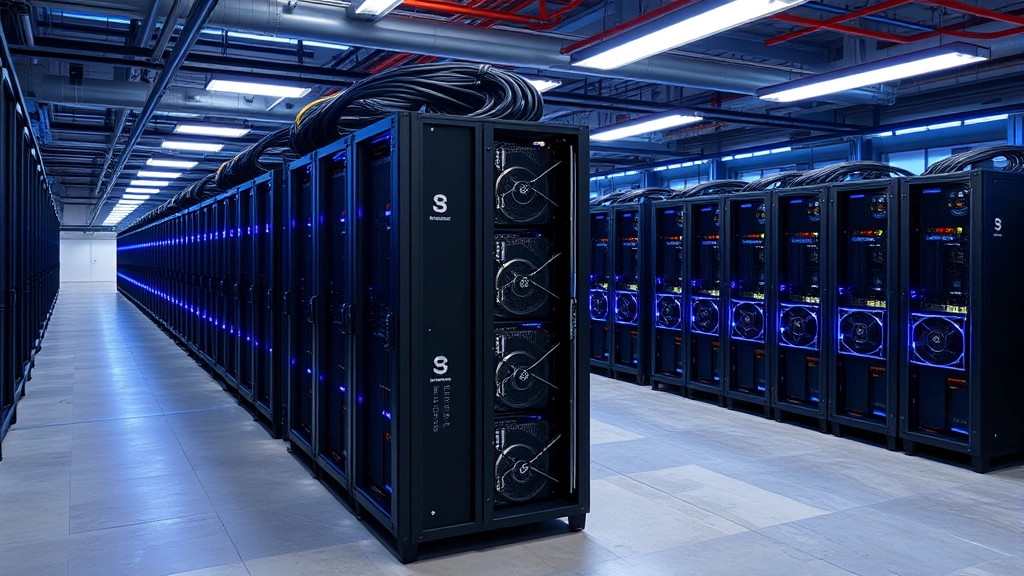
Modern Bitcoin mining requires specialized application-specific integrated circuit (ASIC) hardware designed exclusively for SHA-256 hashing. These devices represent substantial capital investments, with top-tier models costing between $5,000 and $15,000 per unit depending on specifications and market conditions.
The primary hardware considerations include:
- Hash rate: Measured in terahashes per second (TH/s), determining computational power and block discovery probability
- Power consumption: Measured in watts, directly impacting operational costs and profitability calculations
- Efficiency rating: Joules per terahash (J/TH), indicating how effectively hardware converts electricity into computational work
- Lifespan: Typically 3-5 years before obsolescence, requiring ongoing capital reinvestment
Popular ASIC models include the Antminer S21 Pro, WhatsMiner M60, and Avalon A1326, each offering different efficiency profiles. Newer generations consistently improve efficiency by 10-20% annually, but purchasing the latest hardware requires significant upfront capital. Many miners operate older equipment with lower efficiency to minimize capital requirements, accepting lower profitability in exchange for reduced investment.
Beyond hardware, miners must invest in supporting infrastructure: power supplies, cooling systems, network connectivity, and monitoring equipment. These ancillary costs often represent 15-25% of total equipment investment but prove essential for reliable operation and profitability.

Electricity: The Critical Factor in Profitability
Electricity costs represent the single most important variable determining mining profitability. Bitcoin mining consumes substantial electricity—the network uses approximately 150 terawatt-hours annually, comparable to some nations’ total consumption. For individual miners, electricity typically comprises 60-80% of operational costs.
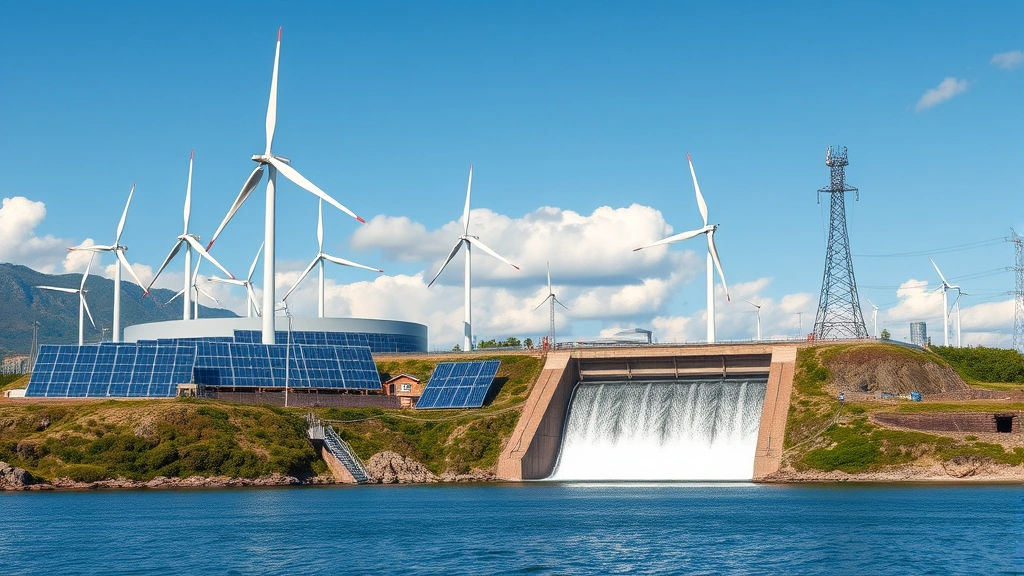
The profitability threshold varies geographically based on local electricity rates. Regions with abundant renewable energy, hydroelectric power, or surplus generation capacity offer competitive advantages. Iceland, parts of Canada, and certain U.S. states like Texas have attracted mining operations due to relatively low energy costs.
Electricity rate considerations include:
- Baseline rates: Average cost per kilowatt-hour, varying from $0.03 in advantaged locations to $0.25+ in expensive regions
- Demand charges: Additional fees for peak consumption, particularly in industrial settings
- Renewable energy premiums: Some regions offer discounted rates for renewable-powered mining
- Seasonal variations: Hydroelectric-dependent regions experience seasonal rate fluctuations
- Grid stability concerns: Some jurisdictions impose restrictions on mining during peak demand periods
The relationship between electricity costs and Bitcoin price creates dynamic profitability conditions. When Bitcoin trades at $40,000 and electricity costs $0.05/kWh, mining remains highly profitable. However, if Bitcoin drops to $20,000 while electricity costs rise to $0.10/kWh, many operations face losses. This volatility explains why miners often hold reserves to weather unprofitable periods.
Strategic miners negotiate direct power purchase agreements with utilities or renewable energy producers, securing long-term rate locks that provide stability and competitive advantages. Others locate operations near sources of waste heat or surplus generation capacity, accessing electricity at below-market rates.
Mining Difficulty and Network Dynamics
Bitcoin’s difficulty adjustment mechanism represents a crucial factor in mining economics. The network recalibrates difficulty every 2,016 blocks (approximately two weeks) to maintain consistent block discovery timing. This self-adjusting system ensures that as more miners join the network, difficulty increases proportionally, maintaining 10-minute average block intervals.
Understanding difficulty dynamics is essential for profitability projections. When large institutional miners enter the market, difficulty spikes, reducing individual miner rewards proportionally. Conversely, when marginal operations shut down due to unprofitability, difficulty declines, temporarily improving conditions for remaining miners.
Historical difficulty trends show exponential growth, increasing approximately 1,000-fold over the past decade. This trajectory reflects network maturation and increased competition. Miners must continuously upgrade hardware to maintain consistent profitability, as older equipment becomes progressively less competitive.
Network hash rate—the combined computational power of all miners—currently exceeds 500 exahashes per second (EH/s). This enormous computational capacity creates a high barrier to entry and makes individual mining increasingly impractical for most participants. The network’s security benefits from this distributed computational power, but miners face intensified competitive pressure.
Pool Mining vs Solo Mining
The dichotomy between pool mining and solo mining fundamentally shapes modern mining strategy. Pool mining involves joining forces with other miners, combining computational resources to increase block discovery probability. Solo mining means competing independently for block rewards.
Pool mining advantages include:
- Consistent income: Regular payouts based on contributed hash rate rather than sporadic block discoveries
- Lower variance: Reduced earnings volatility through shared reward distribution
- Accessibility: Enables participation with modest hardware investments
- Predictable cash flow: Essential for planning and debt servicing
Pool mining disadvantages:
- Pool fees: Typically 1-3% of earned rewards
- Centralization concerns: Large pools concentrate hash rate and decision-making power
- Reduced autonomy: Miners follow pool operator policies regarding transaction selection
Solo mining offers complete autonomy and avoids pool fees but requires substantially more hardware to achieve reasonable block discovery probability. A solo miner with 100 TH/s currently discovers blocks approximately once every several years, making solo mining impractical for most participants unless operating industrial-scale facilities.
Most modern miners participate in pools, with major pools including Foundry USA, Antpool, and ViaBTC commanding significant network hash rate shares. Blockchain explorers like Blockchair provide real-time pool statistics and mining distribution data.
Geographic Advantages and Location Strategy
Geography fundamentally shapes mining economics through electricity availability, climate conditions, regulatory environment, and infrastructure development. Strategic location selection can mean the difference between profitability and losses.
Optimal mining jurisdictions share common characteristics:
- Abundant renewable energy: Hydroelectric, geothermal, or wind power providing cost advantages
- Cool climate: Reducing cooling costs and improving hardware efficiency
- Developed infrastructure: Reliable power grids, high-speed internet, and technical support
- Favorable regulations: Supportive policy frameworks without punitive taxation or restrictions
- Industrial real estate: Inexpensive space suitable for mining facility development
Specific regions demonstrating mining advantages include parts of Texas with abundant wind energy and low electricity costs, Iceland with geothermal power and cool climate, and certain Canadian provinces with hydroelectric abundance. El Salvador’s government has actively promoted mining through renewable energy partnerships and favorable regulations.
Conversely, jurisdictions with expensive electricity, restrictive regulations, or environmental concerns present significant challenges. Several U.S. states and European countries have imposed restrictions or threatened bans on mining due to environmental concerns, reducing viability in these regions.
Miners increasingly evaluate climate change impacts on water availability and cooling requirements. Regions dependent on hydroelectric power face variability if precipitation patterns shift, while areas experiencing extreme heat face rising cooling costs. Long-term geographic strategy must account for climate resilience and sustainability.
Regulatory Landscape and Compliance
The regulatory environment surrounding Bitcoin mining continues evolving, creating both opportunities and challenges. Different jurisdictions adopt varying approaches ranging from active promotion to outright prohibition.
Regulatory considerations for miners include:
- Licensing requirements: Some regions require mining operations to obtain specific licenses or permits
- Environmental compliance: Regulations addressing energy consumption and carbon footprint
- Tax obligations: Income tax on mining rewards and capital gains on sold bitcoins
- AML/KYC requirements: Know-your-customer and anti-money-laundering compliance for pool participation
- Energy grid restrictions: Limitations on mining during peak demand periods or grid stress
The European Union has proposed comprehensive cryptocurrency regulations, with environmental impact assessments required for mining operations. The United States lacks federal mining-specific regulation but imposes general taxation and environmental compliance requirements. The SEC and CFTC continue developing regulatory frameworks affecting mining operations.
Tax treatment varies significantly by jurisdiction. Some countries tax mining rewards as ordinary income immediately upon receipt, while others apply capital gains treatment. Understanding tax obligations is critical for accurate profitability calculations and compliance.
Investors should diversify their investment portfolio across multiple mining locations and operational models to mitigate regulatory risk. Concentrating mining operations in a single jurisdiction creates vulnerability to regulatory changes.
Future Outlook for Miner Profitability
Projecting Bitcoin mining profitability requires analyzing multiple interconnected factors and potential scenarios. The upcoming halving events, network growth, and technological advancement will significantly influence future conditions.
Key considerations for future profitability include:
Halving cycles and reward compression: Subsequent halvings will continue reducing block rewards, compressing profit margins. By 2140, block rewards approach zero, with transaction fees becoming the primary miner incentive. This structural reality means miners must operate increasingly efficiently or accept lower returns.
Technology advancement: Continued ASIC efficiency improvements of 10-20% annually provide competitive advantages to early adopters. Miners who consistently upgrade hardware maintain profitability despite increasing difficulty. However, continuous capital expenditure requirements exclude many potential participants.
Bitcoin price trajectories: Mining profitability remains intrinsically linked to Bitcoin valuation. Is Bitcoin going to crash represents the existential question for mining operations. Price appreciation enables marginal operations to remain profitable, while declines force consolidation and efficiency improvements.
Energy market evolution: The transition to renewable energy and grid modernization could provide cost advantages to mining operations aligned with these trends. Conversely, carbon pricing or energy taxes could increase costs substantially in some jurisdictions.
Institutional integration: Publicly traded mining companies now operate at scale, institutionalizing mining and potentially stabilizing the industry. This professionalization may reduce volatility but increase competitive intensity for independent operators.
Analyzing Bitcoin power law relationships suggests mining profitability may follow predictable patterns correlating with price cycles. Historical data shows mining profitability peaks during bull markets and contracts during bear markets, with structural margins compressing over time as the network matures.
For potential miners evaluating entry, current conditions suggest profitability remains possible but requires:
- Access to electricity below $0.06/kWh
- Modern ASIC hardware with efficiency above 30 J/TH
- Operational scale exceeding 100 TH/s to justify infrastructure investment
- Long-term commitment to hardware upgrades
- Risk tolerance for Bitcoin price volatility
FAQ
What is the minimum investment required to start Bitcoin mining profitably?
Minimum profitable mining operations typically require $50,000-$100,000 initial investment for hardware, infrastructure, and working capital. This investment covers 5-10 modern ASIC miners, power supplies, cooling systems, and operational reserves. Smaller investments may generate returns but face diminished profitability and higher risk.
How long does it take to recover mining equipment investment?
Payback periods vary dramatically based on electricity costs, Bitcoin price, and hardware efficiency. Under favorable conditions (cheap electricity, high Bitcoin price, efficient hardware), payback occurs within 12-18 months. Under challenging conditions, payback may extend beyond 3-4 years or never occur if Bitcoin prices decline substantially.
Can cloud mining services provide reliable profits?
Cloud mining services present significant risks. Many operators charge excessive fees, manipulate difficulty calculations, or operate Ponzi schemes. Legitimate cloud mining rarely provides returns exceeding direct mining operations due to operator markups. Investors should approach cloud mining with extreme caution and thorough due diligence.
Is residential mining still viable?
Residential mining is generally unviable for Bitcoin due to electricity costs, hardware requirements, and noise/heat generation issues. Residential electricity rates typically exceed $0.10/kWh, making mining unprofitable. Residential mining may work for other cryptocurrencies with lower computational requirements, but Bitcoin mining requires dedicated industrial facilities.
How does Bitcoin halving affect mining profitability?
Halvings reduce block rewards by 50%, immediately compressing miner revenues. Profitability depends on whether Bitcoin price appreciation compensates for reward reduction. Historically, halvings trigger price volatility and market adjustments, but the structural impact is reduced miner income requiring either efficiency improvements or exit from the industry.
What role do transaction fees play in mining economics?
Currently, transaction fees represent 3-5% of miner rewards, but this percentage will increase substantially as block rewards continue halving. Eventually, transaction fees will comprise miners’ primary income source. High-fee periods during network congestion provide temporary profitability boosts, while low-fee periods reduce revenues.
Should miners hold or sell their Bitcoin earnings?
This depends on individual circumstances and market outlook. Bitcoin Trump era commentary highlighted political factors affecting cryptocurrency markets. Miners must balance operational cost coverage against potential price appreciation. Conservative operators sell sufficient Bitcoin to cover expenses and debt service, holding remaining Bitcoin as appreciation bets.
What is the environmental impact of Bitcoin mining?
Bitcoin mining consumes approximately 150 terawatt-hours annually, roughly 0.5% of global electricity consumption. Environmental impact depends critically on energy sources—renewable-powered mining has minimal environmental impact, while fossil fuel-based mining contributes to carbon emissions. This distinction increasingly influences regulatory frameworks and investor preferences.


