Are Bitcoin Memes Influencing Traders? Expert Insights
The intersection of internet culture and financial markets has created an unprecedented phenomenon in the cryptocurrency space. Bitcoin memes have evolved from simple jokes shared among enthusiasts to potentially significant drivers of market sentiment and trading behavior. What started as humorous commentary on price volatility and market cycles has transformed into a cultural force that influences how millions of retail traders perceive and interact with digital assets. This shift raises critical questions about market efficiency, investor psychology, and the role of social media in determining cryptocurrency valuations.
The relationship between meme culture and Bitcoin trading represents a fascinating case study in modern financial markets. Unlike traditional assets governed primarily by fundamental analysis and institutional decision-making, cryptocurrency markets demonstrate heightened susceptibility to sentiment-driven movements. Bitcoin memes serve as cultural artifacts that encapsulate market psychology, distilling complex trading concepts into shareable, digestible content that resonates across social platforms. Understanding this dynamic is essential for anyone seeking to navigate the crypto landscape effectively.
The Rise of Bitcoin Meme Culture
Bitcoin memes emerged organically from cryptocurrency communities, particularly on platforms like Reddit, Twitter, and 4chan during the early 2010s. As Bitcoin experienced dramatic price swings, community members created humorous content to process the emotional rollercoaster of volatile markets. Early classics like “HODL” (a misspelling of “hold” that became a rallying cry for long-term investors) and charts depicting parabolic rises followed by catastrophic crashes became cultural touchstones. These memes served dual purposes: they provided entertainment and emotional catharsis while simultaneously encoding genuine trading wisdom and market observations.
The evolution of Bitcoin meme culture accelerated significantly following major price movements and market events. The 2017 bull run saw an explosion of meme creation as mainstream media attention brought millions of new retail investors into the space. Memes became the lingua franca of trading communities, with sophisticated concepts about blockchain technology, market cycles, and investment strategy compressed into simple, shareable images and videos. Platforms like Twitter and Reddit became breeding grounds for increasingly sophisticated meme formats that referenced everything from classical art to popular television shows, all adapted to cryptocurrency themes.
Today’s Bitcoin meme ecosystem is remarkably diverse and rapidly evolving. Memes range from simple price-tracking jokes (“Bitcoin is down 5%, time to panic”) to complex commentary on market structure and regulatory developments. The professionalization of meme creation has attracted talented artists and designers who craft increasingly polished content. Major cryptocurrency exchanges and established financial firms now monitor meme trends as potential indicators of retail sentiment, acknowledging the cultural phenomenon’s market relevance. This mainstream recognition has paradoxically amplified meme influence, creating a feedback loop where memes become news, which generates more memes, which influences trading behavior.
How Memes Shape Market Sentiment
Bitcoin memes function as sentiment amplifiers within trading communities. When market conditions deteriorate, memes help traders process negative emotions and maintain community cohesion. Conversely, during bull markets, memes celebrate gains and reinforce optimistic narratives. This emotional regulation role is crucial in volatile markets where psychological factors heavily influence decision-making. Research in behavioral finance increasingly recognizes that investor sentiment, often expressed through cultural artifacts like memes, can meaningfully impact asset prices, particularly in retail-dominated markets like cryptocurrency.
The mechanism through which memes influence sentiment operates through several channels. First, memes democratize financial discourse by making complex concepts accessible to non-specialists. A trader unfamiliar with technical analysis might internalize concepts about support levels, resistance, and market cycles through repeated exposure to meme content. Second, memes create in-group identity and belonging, strengthening community bonds among traders who share meme-based cultural references. This social reinforcement can increase conviction in trading positions and reduce the likelihood of panic selling during downturns. Third, memes serve as rapid-response communication tools, allowing trading communities to collectively process breaking news and market developments almost instantaneously.
The relationship between meme proliferation and actual price movements has become increasingly apparent. During major market corrections, the volume of self-deprecating memes typically spikes, suggesting that heavy meme creation correlates with heightened emotional volatility. Some research suggests that meme sentiment indices could potentially serve as leading indicators of retail trading activity. The Reddit communities devoted to cryptocurrency, particularly r/Bitcoin and r/cryptocurrency, have grown to hundreds of thousands of members who actively share memes as part of their daily engagement. This concentration of retail traders discussing assets through meme-mediated discourse creates potential for coordinated, sentiment-driven trading patterns that can move markets, particularly in smaller-cap cryptocurrencies.
Understanding Bitcoin forecast 2025 requires acknowledging how sentiment factors, including meme culture, might influence price discovery mechanisms. The integration of memes into mainstream trading discourse means that traditional market analysis must now account for cultural and social factors previously considered outside the scope of financial analysis.

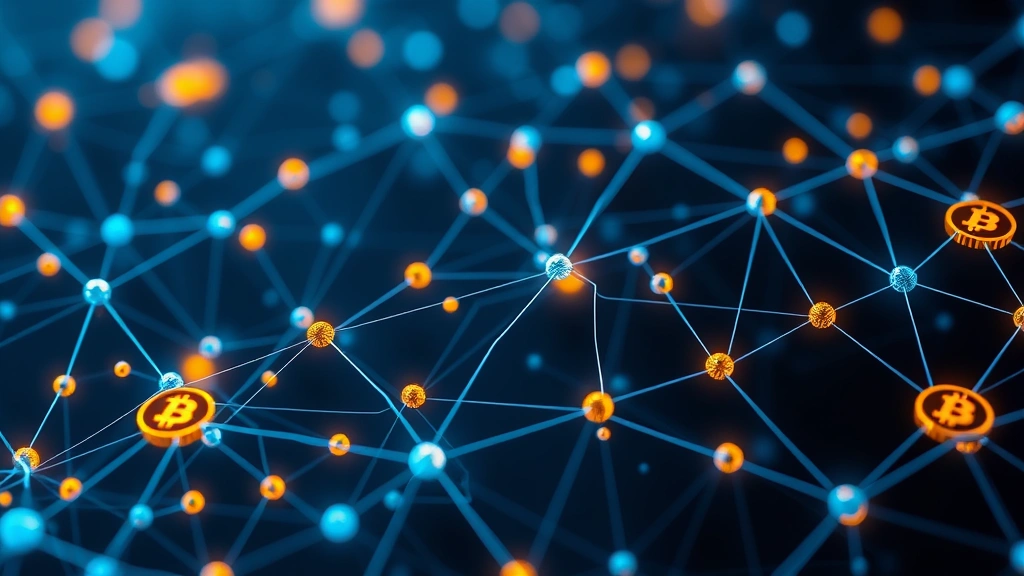
” alt=”Bitcoin blockchain network visualization with interconnected nodes and digital currency symbols glowing in blue and gold” />
Psychological Mechanisms Behind Meme-Driven Trading
The psychological appeal of Bitcoin memes operates on multiple levels rooted in established behavioral finance principles. Memes leverage the availability heuristic, a cognitive bias where people overestimate the likelihood of events they frequently encounter. Traders exposed to repeated meme content about Bitcoin’s scarcity and adoption narratives may unconsciously overweight these factors in their investment decisions. Additionally, memes tap into confirmation bias by presenting information in formats that reinforce existing beliefs, making traders more likely to hold positions they might otherwise question during periods of doubt.
Social proof mechanisms amplified through memes create powerful psychological pressure to conform to prevailing market narratives. When a meme about Bitcoin’s institutional adoption gains thousands of shares and retweets, individual traders internalize this as evidence of widespread consensus. This social validation strengthens conviction in positions and can create self-reinforcing feedback loops where meme-driven optimism attracts new traders, generating more memes, which attracts additional participants. The psychological satisfaction of participating in a shared cultural moment can become as motivating as potential financial gains, leading traders to maintain positions based on community sentiment rather than rational analysis.
Memes also serve important psychological functions related to loss aversion and regret minimization. Traders who experience losses find emotional solace in shared meme content that normalizes their experiences and positions them as part of a larger narrative. This community-based emotional support can prevent panic selling and help traders maintain long-term perspectives during market stress. However, this same mechanism can also entrench poor trading decisions, as traders rationalize losses through meme-based narratives rather than conducting objective reassessments of their positions. The “diamond hands” meme culture, which celebrates holding positions despite losses, exemplifies how meme-based identity can override rational portfolio management.
The role of memes in reducing cognitive load should not be underestimated. Cryptocurrency markets involve complex technological, economic, and regulatory factors that require substantial effort to understand comprehensively. Memes distill these complexities into memorable, emotionally resonant formats that allow traders to feel informed without investing the time required for deep analysis. This efficiency, while democratizing market participation, may also increase the likelihood of uninformed trading decisions based on incomplete understanding of underlying assets.
Expert Perspectives on Meme Influence
Prominent cryptocurrency analysts and market observers increasingly acknowledge meme culture’s influence on market dynamics. Some experts view memes as valuable sentiment indicators that provide real-time windows into retail trader psychology. CoinDesk, a leading cryptocurrency news outlet, has published multiple analyses examining how social media sentiment correlates with price movements. These analyses suggest that while memes alone don’t determine prices, they serve as important contextual factors in understanding broader market movements, particularly for retail-driven assets.
Institutional traders and hedge fund managers have begun incorporating social media sentiment analysis into their trading algorithms, recognizing that meme-driven retail activity can create exploitable market inefficiencies. Some firms employ dedicated teams monitoring Reddit, Twitter, and TikTok to track emerging meme trends and anticipate potential retail trading flows. This institutionalization of meme analysis represents a significant shift in how financial markets evaluate information relevance. However, experts caution that treating memes as predictive signals requires careful methodology to distinguish genuine sentiment shifts from temporary viral phenomena.
Blockchain researchers studying Bitcoin technical analysis frameworks note that meme-influenced trading can create technical patterns that appear significant despite lacking fundamental support. For example, coordinated retail buying spurred by viral memes might create breakouts that traditional technical analysts interpret as meaningful, leading to additional buying from trend-following systems. This layering of meme-driven retail activity atop algorithmic trading creates complex market dynamics that challenge conventional analysis methodologies.
Financial psychologists emphasize that memes represent a natural human response to uncertainty and complexity. Rather than viewing meme-driven trading as irrational or problematic, some experts suggest that meme culture serves important functions in market ecosystems by facilitating information sharing, community building, and emotional processing. The key distinction lies between memes that communicate genuine insights about markets and memes that primarily reinforce speculation divorced from fundamental analysis.
Memes vs. Fundamental Analysis
The tension between meme-driven sentiment and fundamental analysis represents a central debate in cryptocurrency trading philosophy. Fundamental analysis of Bitcoin typically focuses on factors like network growth, transaction volumes, developer activity, institutional adoption, and regulatory developments. These factors require substantial research effort to evaluate properly, and their impact on prices may unfold over months or years. Meme culture, by contrast, operates on much shorter timescales, often responding to daily news cycles or momentary market movements.
This temporal mismatch creates potential for divergence between fundamental value and meme-driven prices. During periods when fundamental developments are positive but memes emphasize short-term bearishness, traders face genuine uncertainty about which signals to prioritize. Some evidence suggests that when fundamental and sentiment indicators diverge significantly, mean reversion eventually occurs as fundamental factors reassert influence over extended periods. However, the timing of such reversions remains unpredictable, creating substantial risk for traders attempting to exploit sentiment-fundamental divergences.
The relationship between cryptocurrency price prediction 2025 models and meme-driven sentiment illustrates this complexity. Predictive models incorporating fundamental factors may accurately forecast long-term price trends while completely missing short-term meme-driven volatility. Conversely, models tracking meme sentiment might successfully predict near-term price movements while providing no insight into longer-term trajectory. Professional traders increasingly employ both approaches, using sentiment analysis for tactical timing decisions while maintaining fundamental analysis for strategic positioning.
A critical distinction exists between memes that encode legitimate market insights and memes that primarily facilitate speculation. High-quality memes often compress genuine wisdom about market cycles, risk management, and long-term investing into memorable formats. For example, memes celebrating Bitcoin’s four-year halving cycles reflect actual historical patterns in cryptocurrency price behavior. Such memes serve educational functions while also entertaining audiences. By contrast, memes purely celebrating price appreciation or denigrating skeptics may promote overconfidence and excessive risk-taking without providing substantive market insights.
Risk Factors and Market Manipulation
The influence of memes on trading behavior creates potential vulnerabilities to market manipulation and coordinated trading schemes. Sophisticated actors with substantial capital could theoretically engineer viral meme campaigns designed to influence retail sentiment and create profitable trading opportunities. The decentralized nature of meme creation makes such manipulation difficult to detect and prosecute, as authentic grassroots meme activity and coordinated manipulation campaigns may appear identical to outside observers.
Pump-and-dump schemes have historically exploited retail communities through coordinated hype campaigns. While these schemes predate meme culture, memes have provided new mechanisms for orchestrating such operations at scale. A group of traders might simultaneously promote a particular cryptocurrency through meme content across multiple platforms, driving retail buying that temporarily inflates prices. Once prices rise sufficiently, insiders exit positions, leaving retail traders holding depreciated assets. Regulatory bodies have begun investigating whether certain viral meme campaigns constitute coordinated manipulation, though enforcement remains challenging given meme culture’s decentralized structure.
The concentration of meme discussion on specific platforms creates additional risks. Reddit communities devoted to particular cryptocurrencies, while genuine communities, can become echo chambers reinforcing one-sided perspectives. Traders immersed in such communities may develop unrealistic expectations and underestimate risks. The psychological comfort of community membership can overcome individual skepticism, leading traders to maintain positions they would otherwise abandon. This dynamic becomes particularly dangerous during market downturns when communities might collectively rationalize losses rather than acknowledge portfolio mistakes.
Information asymmetries between meme creators and followers represent another risk factor. Individuals who create memes promoting particular cryptocurrencies may have financial interests in those assets that they don’t disclose. Unlike traditional financial influencers operating under regulatory frameworks requiring clear disclosure of financial interests, meme creators operate largely outside regulatory oversight. A trader who creates humorous content promoting Bitcoin might simultaneously maintain substantial long positions, creating conflicts of interest that followers cannot readily identify.
Additionally, crypto market rally dynamics can be substantially distorted by meme-driven momentum. During speculative frenzies, meme content proliferation can create feedback loops where increasing price attracts meme creation, which attracts new traders, which drives prices higher. These dynamics create conditions for bubble formation where prices disconnect substantially from fundamental value. When such bubbles inevitably deflate, retail traders who joined late in the cycle suffer significant losses, potentially damaging their financial wellbeing and trust in cryptocurrency markets broadly.
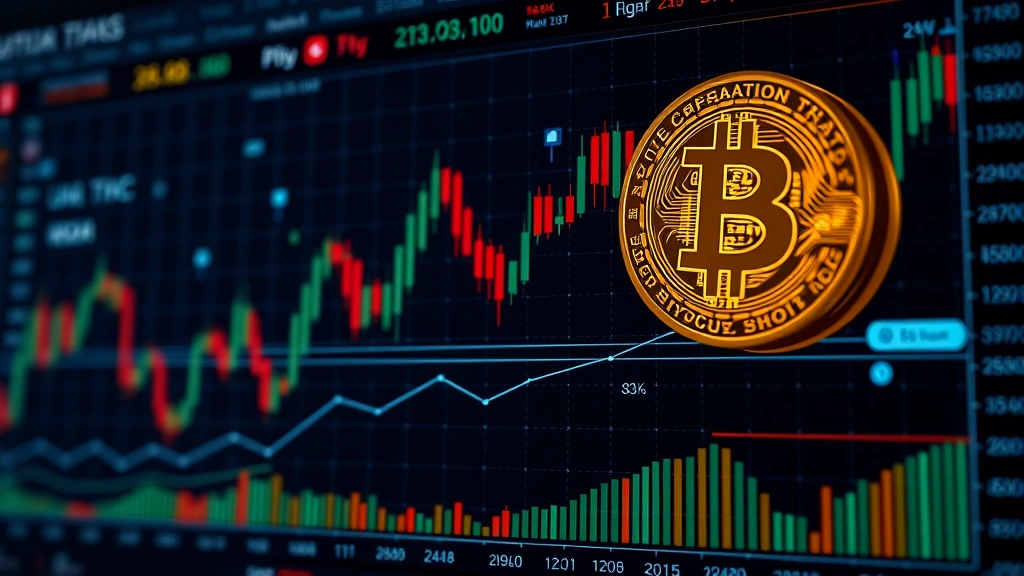
” alt=”Digital wallet and security concept with Bitcoin symbol, cryptographic keys, and blockchain ledger in modern tech aesthetic” />
The Future of Meme-Influenced Markets
As cryptocurrency markets mature and institutional participation increases, the influence of meme culture on prices may evolve significantly. Institutional investors operating under fiduciary obligations and regulatory constraints cannot base trading decisions primarily on meme sentiment. As institutional capital increasingly dominates cryptocurrency trading volumes, meme-driven retail activity might become a smaller percentage of total market activity, potentially reducing sentiment’s influence on prices. However, certain cryptocurrencies and market segments will likely remain retail-dominated for years, meaning memes will continue influencing trading behavior in those areas.
The integration of artificial intelligence and machine learning into trading systems may change how memes influence markets. Algorithms capable of analyzing meme content could identify emerging sentiment shifts before they translate into price movements, potentially exploiting meme-driven trading patterns. This would create a new layer of market efficiency where meme influence gets arbitraged away by sophisticated systems. Alternatively, if meme-driven retail trading becomes predictable enough for algorithmic exploitation, retail traders might lose confidence in trading strategies based on meme sentiment, reducing meme influence on their behavior.
Regulatory developments will substantially impact meme culture’s future market role. If regulators successfully prosecute coordinated meme-based manipulation campaigns, the perceived risks of meme-driven trading may increase, reducing participation. Conversely, if memes become formally integrated into market analysis frameworks used by regulated entities, their legitimacy would increase substantially. The regulatory environment remains unclear, with authorities still developing frameworks for addressing cryptocurrency market manipulation and retail investor protection.
The evolution of pros and cons of cryptocurrency discussions will increasingly incorporate meme culture’s role in market dynamics. As cryptocurrency adoption expands into mainstream finance, education about meme influence becomes important for protecting retail investors. Financial literacy programs may increasingly address how to evaluate information sources, distinguish between entertainment and analysis, and avoid overweighting sentiment signals in investment decisions.
Interestingly, meme culture might evolve to become more sophisticated in encoding genuine market insights. As audiences become more educated about cryptocurrencies, memes that communicate complex concepts will likely gain prominence over simpler content. This could result in meme culture serving increasingly valuable educational and analytical functions while simultaneously entertaining audiences. The potential exists for meme-based communication to become a legitimate channel for financial analysis, comparable to how academic papers, news articles, and technical documentation currently function.
Understanding what is a cryptocurrency token requires increasingly sophisticated frameworks that account for sentiment factors alongside technical and fundamental analysis. The future of cryptocurrency markets will likely involve explicit integration of meme-based sentiment indicators into professional analysis, reflecting the genuine influence of social media culture on asset prices.
FAQ
Do Bitcoin memes actually move prices?
Bitcoin memes don’t directly determine prices, but they influence retail trader sentiment and behavior, which collectively affects supply and demand dynamics. During retail-dominated market periods, meme-driven sentiment can create meaningful price movements. However, fundamental factors and institutional trading ultimately constrain how far sentiment can move prices away from underlying value. The relationship between memes and prices is correlational rather than purely causal.
How can traders distinguish between meme hype and genuine market signals?
Traders should evaluate whether meme content encodes genuine market insights or primarily celebrates speculation. Memes referencing actual technical patterns, regulatory developments, or adoption metrics provide more reliable signals than memes purely focused on price appreciation. Comparing meme sentiment against fundamental analysis and technical indicators helps identify divergences that might indicate unsustainable price movements. Consulting multiple information sources beyond meme communities reduces echo chamber effects.
Are memes more influential in cryptocurrency than traditional markets?
Yes, memes demonstrate substantially greater influence in cryptocurrency markets compared to traditional assets. This reflects cryptocurrency markets’ retail dominance, lower institutional presence, and lack of established information hierarchies that exist in traditional finance. Additionally, cryptocurrency’s technological complexity makes memes valuable for democratizing information, whereas traditional assets benefit from more established analysis frameworks. As cryptocurrency markets mature institutionally, meme influence may gradually decrease.
Can meme-based trading strategies be profitable?
Some traders have successfully developed strategies that predict meme-driven sentiment shifts and trade accordingly. However, this requires sophisticated analysis to distinguish genuine sentiment changes from temporary viral phenomena. Most retail traders attempting to profit from meme-driven trading face substantial risks of entering positions late in hype cycles and suffering losses when sentiment shifts. Professional traders employing meme analysis typically use it as one input among many rather than a primary decision factor.
What regulatory approaches might address meme-driven manipulation?
Regulators are developing frameworks to distinguish between authentic grassroots meme activity and coordinated manipulation campaigns. Potential approaches include requiring disclosure of financial interests from influential meme creators, prosecuting clear pump-and-dump schemes utilizing memes, and implementing surveillance systems detecting coordinated trading patterns. However, meme culture’s decentralized nature makes enforcement challenging, and regulators must balance protection against manipulation with preserving free expression and community discussion.
How should investors incorporate meme sentiment into analysis?
Sophisticated investors treat meme sentiment as one variable among many rather than a primary decision driver. Monitoring meme activity can help identify when retail sentiment becomes extremely bullish or bearish, potentially indicating overbought or oversold conditions. However, memes should be evaluated alongside fundamental analysis, technical indicators, and professional research. Investors should maintain independent perspectives and avoid allowing community membership to override individual judgment about appropriate risk levels and position sizing.


