Is “The Bitcoin Standard” Worth Reading? A Comprehensive Review
“The Bitcoin Standard: The Decentralized Alternative to Central Banking” by Saifedean Ammous has become one of the most influential and controversial books in the cryptocurrency space. Published in 2018, this 400+ page tome explores Bitcoin through the lens of monetary history, Austrian economics, and the critique of fiat currency systems. Whether you’re a crypto enthusiast, economist, or simply curious about Bitcoin’s philosophical foundations, this book has sparked intense debate about its merits and limitations.
This comprehensive review examines whether Ammous’s work deserves a place on your reading list, analyzing its strengths, weaknesses, and relevance to understanding Bitcoin’s role in the modern financial landscape. We’ll explore the core arguments, evaluate their validity, and help you decide if this book aligns with your interests and level of financial knowledge.

What Is The Bitcoin Standard?
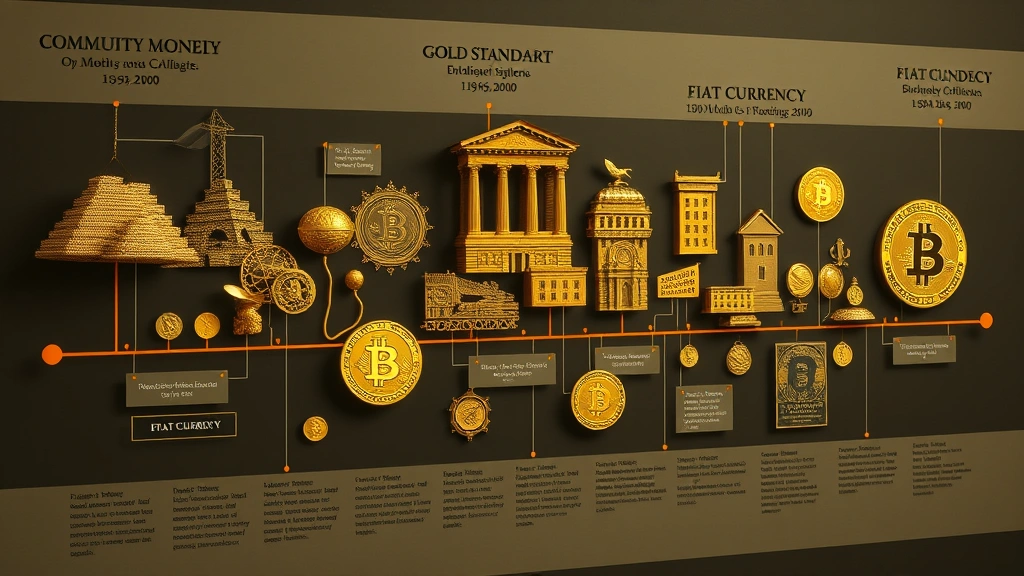
“The Bitcoin Standard” is not primarily a technical guide to Bitcoin or blockchain technology. Instead, Ammous crafts a narrative that positions Bitcoin as the culmination of centuries of monetary evolution. The book traces humanity’s relationship with money from commodity-based systems through the gold standard to modern fiat currency, ultimately arguing that Bitcoin represents a return to sound money principles.
Saifedean Ammous, an economist and Bitcoin advocate, uses historical analysis and Austrian school economic theory to build his case. The Bitcoin Standard PDF version has become widely circulated in crypto communities, though reading the physical or digital book provides better context than scattered excerpts. The work is densely packed with economic theory, historical anecdotes, and philosophical arguments that require careful reading.
The central thesis revolves around the concept of “sound money”—currency that cannot be easily devalued or manipulated by authorities. Ammous argues that Bitcoin’s fixed supply, decentralized nature, and immutable ledger make it the soundest form of money ever created, superior even to the gold standard that economists like Ludwig von Mises championed.
Core Arguments and Main Themes
The book’s architecture follows a logical progression through monetary history. Ammous begins by explaining why money exists, examining the problems with barter systems and how commodity money emerged naturally as a solution. He then explores the gold standard era, analyzing why it functioned relatively well for economic stability compared to fiat systems.
One of Ammous’s most compelling arguments addresses why Bitcoin keeps gaining value and adoption. He contends that sound money naturally appreciates as it gains network effects and broader acceptance. This contrasts sharply with fiat currency, which he argues inevitably depreciates due to constant monetary expansion by central banks.
The book extensively critiques the Keynesian economic framework that dominates modern central banking. Ammous argues that quantitative easing, low interest rates, and deficit spending don’t stimulate genuine economic growth—they merely create asset bubbles and distort price signals. Bitcoin, by contrast, cannot be inflated away, making it immune to monetary manipulation.
Key themes include:
- Monetary history: How different societies chose their money and why
- The failure of fiat systems: Why government-issued currencies inevitably debase
- Time preference and interest rates: How sound money creates better long-term economic planning
- Bitcoin’s technological properties: Why decentralization and scarcity matter
- Hyperinflation cycles: How unsound money leads to economic collapse
Strengths of the Book
“The Bitcoin Standard” excels at providing historical context for understanding money’s role in society. Readers unfamiliar with monetary economics will appreciate Ammous’s accessible explanations of complex concepts. The book doesn’t require advanced economics training, making it valuable for general audiences seeking to understand Bitcoin beyond its technical specifications.
The historical perspective is genuinely enlightening. Ammous draws parallels between past monetary crises and modern economic instability, showing how Bitcoin addresses problems that have plagued fiat systems for decades. His analysis of hyperinflation in countries like Zimbabwe, Venezuela, and Argentina provides real-world context for why sound money matters.
Another strength lies in challenging mainstream economic assumptions. The book encourages readers to question central banking orthodoxy and consider alternative monetary frameworks. This critical thinking approach appeals to those who feel dissatisfied with traditional financial narratives, particularly those interested in understanding Bitcoin’s future potential.
The philosophical arguments are well-constructed. Ammous effectively explains why Bitcoin’s properties—immutability, decentralization, fixed supply—matter philosophically, not just technologically. This resonates with readers seeking meaning in their investment choices beyond mere speculation.
The book also provides valuable insights into Austrian economics for readers unfamiliar with this school of thought. Understanding time preference, the Austrian business cycle theory, and critiques of Keynesian economics enriches one’s comprehension of economic phenomena.
Criticisms and Limitations
Despite its influence, “The Bitcoin Standard” faces legitimate criticisms from economists and crypto skeptics. One major weakness is Ammous’s dismissal of modern economic theory without engaging deeply with its strongest arguments. Critics argue he presents a strawman version of Keynesian economics rather than grappling with nuanced contemporary monetary policy debates.
The book’s treatment of the gold standard is somewhat romanticized. While Ammous acknowledges certain problems with gold-based systems, he underplays how the gold standard’s rigidity contributed to the Great Depression’s severity. Modern economists across the political spectrum recognize this historical lesson, yet the book glosses over it.
Another criticism concerns Bitcoin’s practical viability as everyday money. Ammous argues that Bitcoin’s properties make it ideal for commerce, yet the book largely ignores technical limitations—transaction speed, scalability, and user experience challenges. These issues remain relevant when considering how many Bitcoins are left to mine and what happens when mining incentives change.
The book also lacks engagement with legitimate concerns about Bitcoin’s environmental impact, wealth concentration among early adopters, and the challenges of transitioning to a Bitcoin-based monetary system. These omissions weaken the work’s comprehensiveness, even if they don’t invalidate all its arguments.
Some readers find the book’s tone overly ideological. While passion can be engaging, critics argue Ammous sometimes sacrifices objectivity for persuasiveness. The book reads more like advocacy than neutral analysis, which may concern readers seeking balanced perspectives.
Additionally, the book predates major developments in cryptocurrency, including the rise of stablecoins, institutional adoption (as discussed in articles about Bitcoin reserve discussions), and regulatory frameworks. These gaps limit its utility for understanding modern crypto markets.
Who Should Read This Book?
Ideal readers include those interested in monetary economics, Bitcoin philosophy, and alternative economic systems. If you want to understand the ideological foundations driving Bitcoin adoption and the Austrian economics perspective, this book is invaluable. It’s particularly useful for investors seeking intellectual justification for their crypto holdings beyond technical analysis or short-term price movements.
The book appeals to readers skeptical of central banking and interested in sound money principles. If you’ve questioned why governments can print unlimited currency or felt concerned about inflation’s impact on savings, Ammous provides a comprehensive framework for understanding these concerns.
However, the book may disappoint those seeking practical guidance on buying, storing, or using Bitcoin. It’s not a “how-to” manual but rather a philosophical and historical treatise. Readers looking for current Bitcoin price analysis or technical trading strategies should look elsewhere.
Academic economists and finance professionals should read it with critical awareness. The book presents one school of economic thought persuasively but doesn’t engage deeply with counterarguments from mainstream economics. It’s valuable as a perspective but shouldn’t be your sole source for understanding monetary policy.
Not recommended for:
- Complete beginners to finance (too dense without foundational knowledge)
- Those seeking balanced analysis of multiple economic schools
- Traders focused on short-term price movements
- Readers uncomfortable with ideological arguments
- Those wanting current cryptocurrency market information
Practical Applications to Modern Crypto
While “The Bitcoin Standard” was written before many recent crypto developments, its core arguments remain relevant to understanding Bitcoin’s place in the financial ecosystem. The book provides philosophical grounding for why Bitcoin matters beyond speculation, which proves valuable during market volatility when prices fluctuate significantly.
Understanding Ammous’s arguments about sound money helps contextualize Bitcoin’s appeal in countries experiencing currency crises. The book’s historical examples of hyperinflation become increasingly relevant as some nations face economic instability. This perspective enriches discussions about Bitcoin’s real-world utility.
The work also illuminates debates about Bitcoin’s role as “digital gold.” Ammous’s argument that Bitcoin represents superior money to gold—due to its divisibility, portability, and verifiability—provides intellectual ammunition for those arguing Bitcoin’s long-term value proposition. This matters when considering whether Bitcoin serves as an inflation hedge or speculative asset.
However, readers should note that the book doesn’t address altcoins, DeFi, NFTs, or other crypto developments. Its singular focus on Bitcoin means it has limited utility for understanding the broader cryptocurrency ecosystem. For comprehensive modern crypto knowledge, you’ll need supplementary sources.
How It Compares to Other Bitcoin Books
Several other influential Bitcoin books offer different perspectives. “The Age of Cryptocurrency” by Paul Vigna and Michael J. Casey provides a more journalistic approach, examining Bitcoin’s cultural and economic impact without heavy Austrian economics theory. It’s more accessible but less philosophically rigorous.
“The Bitcoin Standard” differs significantly from technical guides like “Mastering Bitcoin” by Andreas M. Antonopoulos, which focuses on blockchain technology rather than economics. Those seeking technical understanding need different resources.
Compared to “The Sovereign Individual” by James Dale Davidson and William Rees-Mogg, “The Bitcoin Standard” offers more focused economic analysis. “The Sovereign Individual” takes a broader view of technology’s impact on governance and economics, while Ammous concentrates specifically on money and Bitcoin.
For Austrian economics perspectives, “The Bitcoin Standard” surpasses most alternatives in accessibility. It makes complex economic theory understandable without oversimplifying, positioning it as a valuable entry point for those interested in Austrian school thinking.
The book’s main competitor for comprehensive Bitcoin philosophy is probably “The Little Bitcoin Book,” which offers shorter, more accessible arguments. For readers wanting depth and historical context, Ammous provides more substance despite greater complexity.
FAQ
Is the Bitcoin Standard PDF version legitimate?
Yes, legitimate PDF versions are available through authorized retailers like Amazon Kindle and official publishers. However, be cautious of unauthorized sources. Supporting the author through official channels ensures quality and supports continued writing.
Do I need economics background to understand the book?
Not necessarily, but basic familiarity with economic concepts helps. Ammous explains terms clearly, making the book accessible to motivated general readers. However, those with economics education will extract deeper value.
Has Ammous updated the book since 2018?
The original publication remains unchanged in most editions. Ammous has written additional works and essays addressing newer developments, but the core book hasn’t been substantially revised. Be aware it predates recent crypto market developments.
Does the book convince most readers?
Not universally. The book strongly appeals to those already skeptical of central banking and attracted to libertarian economic philosophy. However, readers committed to mainstream economics often find his arguments unconvincing, particularly regarding dismissed Keynesian frameworks.
Can I use this book for investment decisions?
The book provides philosophical justification for Bitcoin investment but shouldn’t be your sole basis for financial decisions. It’s not investment advice and doesn’t provide price forecasts or portfolio guidance. Consult financial advisors and conduct independent research.
Is Bitcoin Standard still relevant in 2024-2025?
The core monetary philosophy remains relevant, but the book doesn’t address recent developments like institutional Bitcoin adoption, regulatory frameworks, or technological improvements. It provides foundational thinking but needs supplementation with current information.
What external sources complement this book?
For balanced perspectives, read critiques from economists like Paul Krugman or research from institutions like CoinDesk for contemporary analysis. For technical Bitcoin information, consult Bitcoin.org. For regulatory perspective, check SEC and Federal Reserve resources. For blockchain data, explore Blockchain.com explorers.
Should I buy the physical book or PDF?
The physical book is better for careful study and annotation. The PDF version offers convenience and searchability. Consider your reading style—deep academic study benefits from physical format, while reference checking favors digital.
Final Verdict: “The Bitcoin Standard” is worth reading if you’re interested in Bitcoin’s philosophical foundations, monetary economics, or Austrian school perspectives. It won’t appeal to everyone and has legitimate criticisms, but it provides valuable historical context and intellectual grounding for understanding Bitcoin’s significance. Approach it as one perspective among many, not as the definitive Bitcoin analysis, and supplement it with contemporary sources addressing recent developments in cryptocurrency and finance.


