Are National Bitcoin ATMs Safe? User Reviews and Security Analysis
Bitcoin ATMs have become increasingly prevalent across the United States, offering convenient access to cryptocurrency for both beginners and experienced investors. However, the question of safety remains paramount for users considering these machines. National Bitcoin ATM networks operate across thousands of locations, but not all are created equal, and understanding the security landscape is essential before conducting any transactions.
This comprehensive guide examines the safety of national Bitcoin ATMs through the lens of user reviews, security protocols, regulatory oversight, and real-world incident data. Whether you’re looking to buy Bitcoin for the first time or seeking the most secure way to exchange cryptocurrency, understanding the risks and safeguards associated with these machines will help you make informed decisions.
What Are National Bitcoin ATMs and How Do They Work
National Bitcoin ATMs are physical machines that allow users to buy and sell Bitcoin and other cryptocurrencies using fiat currency. Major operators include Coinbase, Bitcoin Depot, and LibertyX, with machines located in convenience stores, gas stations, shopping centers, and other high-traffic locations. These machines function similarly to traditional ATMs but facilitate cryptocurrency transactions instead of cash withdrawals.
The typical transaction process involves inserting cash, scanning a QR code from your digital wallet, and receiving Bitcoin directly to your address within minutes. Some machines also allow users to sell Bitcoin for cash. The speed and accessibility of these machines have made them popular entry points for new cryptocurrency investors, though they come with distinct advantages and disadvantages compared to other purchase methods.
Understanding how these machines operate is crucial for assessing their safety. Unlike traditional ATMs that connect directly to your bank account, Bitcoin ATMs function as independent exchanges, each with their own security infrastructure, fee structures, and compliance measures.
Security Features and Protocols at Major Operators
Reputable national Bitcoin ATM operators implement multiple layers of security to protect user funds and personal information. Identity verification has become increasingly important, with most machines now requiring some form of KYC (Know Your Customer) verification for transactions above certain thresholds. This process typically involves scanning a government-issued ID and may include facial recognition technology.
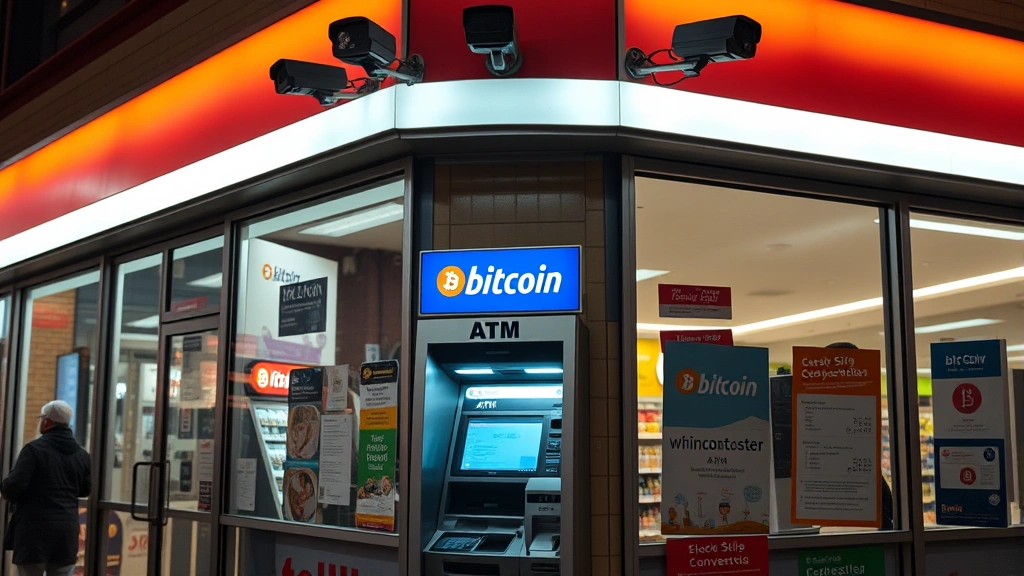
Physical security measures vary by location but generally include surveillance cameras, secure cash handling mechanisms, and tamper-evident components. The machines themselves are designed to be resistant to physical attacks, with reinforced casings and secure connection protocols.
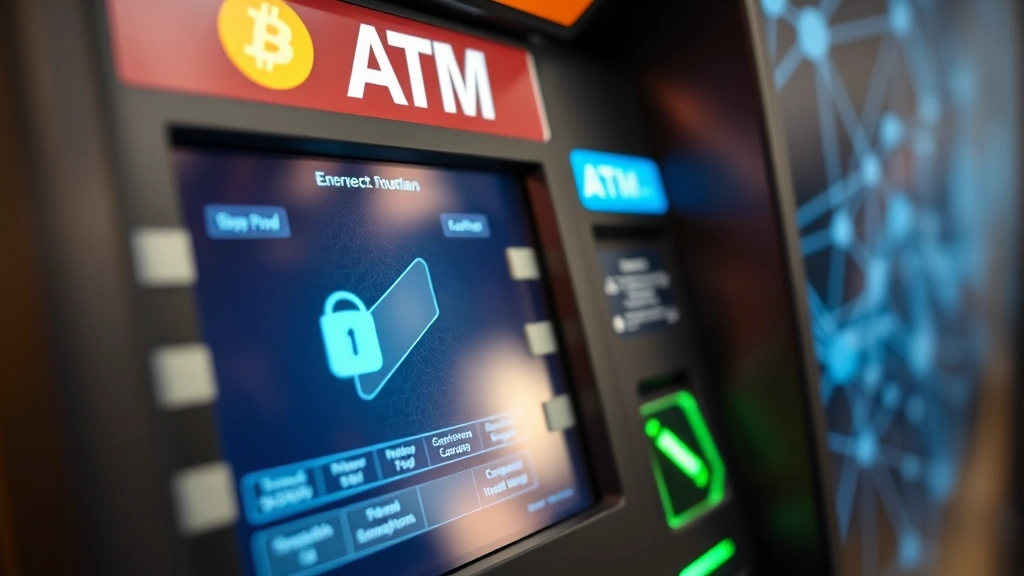
Data encryption represents another critical security layer. Legitimate operators employ end-to-end encryption for all transaction data, ensuring that sensitive information remains protected during the exchange process. The blockchain itself provides an immutable record of transactions, though this doesn’t prevent user error or fraud before the transaction is confirmed.
Thermal imaging, GPS tracking, and real-time monitoring systems are increasingly deployed by major operators to prevent unauthorized access and detect suspicious activity. Some machines require users to complete security questions or provide additional verification before large transactions can proceed.
User Reviews and Real-World Experiences
Analyzing user reviews across multiple platforms reveals a mixed but generally positive sentiment regarding national Bitcoin ATM safety. On Reddit’s cryptocurrency communities, many users report straightforward transactions without incident, particularly at machines operated by established companies. Users consistently praise the convenience factor and the ability to quickly acquire Bitcoin without creating online exchange accounts.
However, common complaints emerge across review platforms. High fees are the most frequent criticism, with users reporting transaction costs between 7-15%, significantly higher than online exchanges. Some users report encountering non-functional machines or receiving incorrect amounts, though these incidents appear relatively rare among major operators.
Privacy concerns feature prominently in user discussions. While Bitcoin ATMs don’t require extensive personal information for smaller transactions, the increasing implementation of KYC requirements has prompted some users to seek alternative purchase methods. Reviews indicate that users appreciate operators who clearly communicate fee structures and verification requirements upfront.
Positive reviews frequently highlight the anonymity available at machines with lower verification thresholds, the speed of transactions, and the ability to avoid creating accounts on cryptocurrency exchanges. Users in areas with limited banking access particularly value these machines as viable entry points to cryptocurrency.
Negative experiences, while less common, include instances of machines being out of service, incorrect exchange rates, and difficulties retrieving funds when technical issues occur. Some users report feeling rushed or uncomfortable during transactions, particularly when using machines in less-trafficked locations late at night.
Common Risks and Vulnerabilities Associated with Bitcoin ATMs
Fraud and scams represent the primary risk category. Criminals sometimes target Bitcoin ATM users, employing social engineering tactics to convince victims to send funds to fraudulent addresses. These scams typically originate outside the ATM itself but exploit users’ lack of cryptocurrency experience.
Machine malfunctions can result in lost funds if users don’t receive their Bitcoin after depositing cash. While reputable operators have customer service processes to address these issues, recovery can be time-consuming. The irreversible nature of blockchain transactions means that if Bitcoin is sent to an incorrect address, recovery is virtually impossible.
Physical theft remains a concern, though modern machines are designed to prevent this. Users should be cautious about conducting large transactions in isolated locations or during late-night hours. Some machines are located in areas with high crime rates, increasing the risk of robbery before or after using the ATM.
Regulatory uncertainty creates an additional layer of risk. Different jurisdictions have varying requirements for Bitcoin ATM operators, and changes in regulations could affect machine availability or require new verification procedures. Some regions have begun restricting or banning Bitcoin ATMs entirely due to money laundering concerns.
Technical vulnerabilities, while rare in machines operated by major companies, could potentially be exploited by sophisticated attackers. Firmware vulnerabilities or compromised network connections could theoretically allow theft or data interception, though no major incidents of this type have been publicly documented at reputable operators.
Skimming devices, similar to those sometimes found on traditional ATMs, could theoretically be installed on Bitcoin machines, though the nature of cryptocurrency transactions makes this attack vector less effective than on traditional ATMs. Users should visually inspect machines for any signs of tampering before use.
Regulatory Oversight and Compliance Standards
The regulatory landscape for Bitcoin ATMs varies significantly across jurisdictions. In the United States, the Financial Crimes Enforcement Network (FinCEN) classifies Bitcoin ATM operators as money services businesses, requiring compliance with anti-money laundering (AML) and know-your-customer (KYC) regulations.
Many states have implemented additional requirements beyond federal guidelines. New York’s BitLicense framework, for example, imposes strict operational standards on cryptocurrency businesses, including Bitcoin ATM operators. This regulatory framework, while sometimes criticized for being overly burdensome, does provide users with greater consumer protections.
Compliance with these regulations generally enhances user safety by preventing criminals from using machines for money laundering. However, the increasing regulatory burden has caused some operators to exit certain markets, reducing availability in some regions.
International variations in regulation create challenges for national operators. Some countries have banned Bitcoin ATMs entirely, while others embrace them with minimal oversight. This fragmented regulatory environment means that safety standards can vary significantly depending on location.
Third-party audits and certifications, while not mandated, provide additional assurance of safety and compliance. Some operators voluntarily undergo security audits and maintain compliance certifications that exceed minimum regulatory requirements.
Best Practices for Safe Bitcoin ATM Transactions
Choose reputable operators by researching the company before using their machines. Established operators like Bitcoin Depot, Coinbase, and LibertyX have transparent fee structures and customer service channels. Check online reviews and verify that the operator has physical addresses and contact information available.
Verify the machine’s legitimacy by checking the operator’s official website for machine locations. Scammers sometimes place fake machines or signage to deceive users. Use only machines that you can confirm are operated by legitimate companies.
Before conducting a transaction, double-check all details. Verify the exchange rate, confirm your wallet address multiple times, and ensure you understand the fee structure. Take screenshots of the QR code and transaction details for your records.
Conduct transactions during daylight hours in well-populated areas. Avoid using machines in isolated locations or late at night when personal safety could be compromised. Be aware of your surroundings and avoid displaying large amounts of cash.
Start with small transactions if you’re new to Bitcoin ATMs. This allows you to understand the process and verify that everything works correctly before committing larger amounts of money.
Consider alternative purchase methods for large transactions. If you’re planning to invest significantly in Bitcoin, evaluating whether now is a good time to buy Bitcoin should include comparing Bitcoin ATM costs to exchange purchases.
Keep records of all transactions for tax and security purposes. Document the machine location, operator, amount, exchange rate, and your wallet address. This information will be valuable if disputes arise.
Never share your private keys or seed phrases with anyone, including machine operators. Legitimate operators never ask for this information. If anyone requests access to your private keys, it’s a scam.
Comparing Bitcoin ATMs to Other Purchase Methods
Bitcoin ATMs offer distinct advantages and disadvantages compared to alternative purchase methods. Online cryptocurrency exchanges typically offer lower fees (1-3%) and wider selection of cryptocurrencies, but require account creation, identity verification, and bank account linking. They also expose users to cybersecurity risks associated with online platforms.
For those considering longer-term investment strategies, understanding different purchase methods is essential. checking Bitcoin forecasts for 2025 can help inform your decision about which purchase method aligns with your investment timeline.
Traditional brokerage platforms and Bitcoin ETF options through platforms like Vanguard provide regulated investment vehicles with lower fees and integration with existing investment accounts. These methods are ideal for long-term investors but don’t provide direct Bitcoin ownership.
Peer-to-peer transactions offer potential for better rates but carry higher counterparty risk and require meeting individuals in person. This method also lacks the security infrastructure of established ATM networks.
Cryptocurrency ATMs advantages: Immediate transactions, minimal account requirements, 24/7 availability, and direct Bitcoin ownership. Disadvantages: Higher fees, limited privacy due to KYC requirements, geographic limitations, and vulnerability to user error.
For portfolio management across multiple cryptocurrencies and investment types, using cryptocurrency portfolio trackers helps monitor your holdings regardless of purchase method.
The choice between purchase methods depends on your priorities: whether you value speed and convenience (favoring ATMs), lower costs (favoring exchanges), regulatory oversight (favoring ETFs), or privacy (favoring peer-to-peer or lower-threshold ATMs).
” alt=”Secure Bitcoin ATM transaction showing encrypted data transmission between machine and blockchain network, modern cryptocurrency security infrastructure”>
Incident Reports and Safety Statistics
Data on Bitcoin ATM-related incidents remains limited due to decentralized reporting and varying regulatory requirements across jurisdictions. However, available information suggests that security incidents at legitimate machines are relatively rare compared to the volume of transactions conducted.
The most commonly reported issues involve user error rather than machine or operator failure. Sending Bitcoin to incorrect addresses, misunderstanding exchange rates, and falling victim to external scams account for the majority of user complaints. These incidents reflect user education gaps rather than inherent machine insecurity.
Instances of physical theft from Bitcoin ATMs are documented but appear uncommon at machines operated by major companies with proper security measures. Machines in high-crime areas or with inadequate surveillance face greater theft risk.
Regulatory actions against Bitcoin ATM operators have increased in recent years, primarily due to non-compliance with AML/KYC requirements or operating in jurisdictions where they’re prohibited. These actions generally result in machine removal or operator penalties rather than user fund loss.
Customer dispute resolution varies by operator. Major companies typically maintain customer service processes for addressing transaction issues, though resolution timelines can be lengthy. The irreversible nature of blockchain transactions means that some disputes cannot be resolved in the user’s favor.
Red Flags and Warning Signs
Several warning signs should prompt you to avoid a particular Bitcoin ATM or operator. Unusually high fees exceeding 15% warrant investigation, as they suggest either an unestablished operator or a scam.
Machines without visible operator identification, customer service contact information, or clear fee disclosure should be avoided. Legitimate operators provide transparent information about their operations.
Pressure tactics from anyone near the machine, requests for personal information beyond what’s necessary for the transaction, or suggestions to send Bitcoin to another address are all major red flags. Legitimate machines don’t require assistance from other individuals to operate.
Physical signs of tampering, such as loose components, damaged screens, or evidence of modification, indicate that the machine may have been compromised. Report these machines to the operator immediately.
Machines in locations that seem inappropriate or temporary, such as unlicensed businesses or pop-up locations, carry higher risk. Established operators place machines in legitimate, licensed establishments.
Requests to use a specific Bitcoin address provided by someone else, rather than your own wallet address, are almost certainly scams. Never send cryptocurrency to addresses suggested by strangers.
” alt=”Modern Bitcoin ATM terminal in secure location with surveillance cameras and proper lighting, demonstrating legitimate operator security standards”>
Future Developments in Bitcoin ATM Safety
The Bitcoin ATM industry continues evolving with enhanced security technologies. Biometric authentication, including fingerprint and facial recognition, is becoming more common, providing additional security layers beyond traditional PIN systems.
Blockchain integration is improving transaction transparency and reducing disputes. Some operators are implementing smart contracts to facilitate dispute resolution and ensure that transactions proceed correctly before funds are released.
Regulatory standardization across jurisdictions would enhance safety by establishing consistent requirements for operators. Industry associations are working toward developing best practice standards that exceed minimum regulatory requirements.
Enhanced customer education initiatives are addressing the primary source of Bitcoin ATM-related losses: user error and external scams. Operators are implementing in-machine tutorials and warnings to help users avoid common mistakes.
Advanced monitoring systems using artificial intelligence can detect suspicious patterns and prevent fraudulent transactions in real-time. These systems can identify potential scams before funds are transferred.
For those building long-term cryptocurrency portfolios, staying informed about safety developments is crucial. understanding foundational Bitcoin concepts through resources like The Bitcoin Standard provides context for evaluating new security developments.
FAQ
Are Bitcoin ATMs completely safe?
Bitcoin ATMs operated by reputable companies with proper security measures are reasonably safe for transactions. However, no financial transaction is completely risk-free. The primary risks involve user error, external scams, and physical theft rather than machine or operator failure at legitimate operations.
What’s the safest Bitcoin ATM operator?
Bitcoin Depot, Coinbase, and LibertyX are among the most established operators with strong security records. Research any operator before using their machines, verify machines through their official website, and check user reviews across multiple platforms.
How much Bitcoin can I buy at one time?
Transaction limits vary by operator and machine, typically ranging from $500 to $5,000 per transaction. Some machines have daily limits. Regulatory requirements may impose additional restrictions based on your verification level.
What identification do I need for a Bitcoin ATM?
Requirements vary by operator and transaction amount. Small transactions may require minimal identification, while larger transactions typically require government-issued ID for KYC compliance. Some operators use facial recognition for verification.
Can Bitcoin ATM transactions be reversed?
No, blockchain transactions are irreversible once confirmed. This is why it’s critical to verify all details before confirming a transaction. If you send Bitcoin to an incorrect address, recovery is virtually impossible.
How long do Bitcoin ATM transactions take?
Transactions typically complete within 10-30 minutes, though blockchain confirmation can take longer during periods of network congestion. Some machines provide faster settlement than others.
What should I do if a Bitcoin ATM malfunctions?
Contact the operator’s customer service immediately with documentation of your transaction. Provide the machine location, time of transaction, and any receipt or confirmation information. Reputable operators have processes for addressing malfunction-related issues, though resolution can take time.
Are Bitcoin ATMs legal?
Bitcoin ATMs are legal in most U.S. jurisdictions, though some states and cities have implemented restrictions or bans. Check your local regulations before using a machine. Operators must comply with federal AML/KYC requirements.
How do Bitcoin ATM fees compare to exchanges?
Bitcoin ATMs typically charge 7-15% in fees, significantly higher than online exchanges which usually charge 1-3%. The convenience factor of ATMs justifies higher fees for some users, while others prefer the lower costs of exchanges.
What’s the best way to store Bitcoin after buying at an ATM?
Transfer Bitcoin to a secure wallet you control, preferably a hardware wallet for larger amounts. Never leave Bitcoin on a machine or with a third party. A hardware wallet provides the highest security for long-term storage.