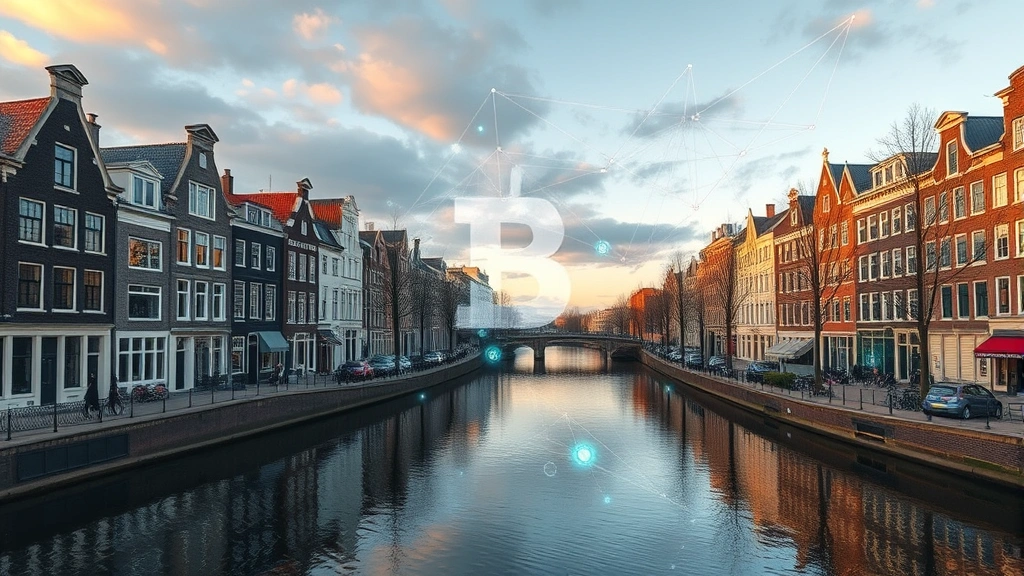
Bitcoin Amsterdam: Europe’s New Crypto Hub?
Amsterdam has long been known as a progressive city embracing innovation and forward-thinking policies. In recent years, the Dutch capital has positioned itself as a potential epicenter for cryptocurrency and blockchain development in Europe. With its favorable regulatory environment, tech-savvy population, and strategic location, Bitcoin Amsterdam represents more than just a city—it symbolizes Europe’s growing acceptance of digital assets and decentralized finance. The convergence of institutional interest, regulatory clarity, and grassroots adoption has created a unique ecosystem where crypto entrepreneurs, investors, and enthusiasts can thrive.
The emergence of Amsterdam as a crypto hub reflects broader trends across Europe, where countries are recognizing the potential economic benefits of blockchain technology and cryptocurrency adoption. Unlike some nations that have taken a restrictive approach, the Netherlands has adopted a more balanced regulatory framework that encourages innovation while maintaining consumer protection standards. This nuanced approach has attracted major cryptocurrency exchanges, blockchain startups, and fintech companies to establish operations in the city, creating a vibrant community that rivals other global crypto centers.
Regulatory Landscape and Government Support
The Netherlands has established itself as one of Europe’s most progressive jurisdictions regarding cryptocurrency regulation. The Dutch Financial Markets Authority (AFM) and the Dutch Central Bank (DNB) have worked to create a framework that provides clarity for businesses operating in the crypto space while protecting consumers from fraud and money laundering. This regulatory clarity is a significant advantage for Amsterdam, as it reduces legal uncertainty and encourages legitimate businesses to set up operations in the city.
The regulatory approach in the Netherlands is based on the principle of proportionality, meaning that rules are tailored to the level of risk posed by different activities. For instance, cryptocurrency exchanges and wallet providers must register with the AFM and comply with anti-money laundering (AML) and know-your-customer (KYC) requirements. However, the regulations are designed to be implementable by businesses of all sizes, not just large multinational corporations. This balanced approach has made Amsterdam attractive to both established financial institutions and innovative startups.
The Dutch government has also shown openness to blockchain technology beyond just cryptocurrency trading. The government has invested in blockchain research and development, recognizing its potential applications in supply chain management, digital identity, and smart contracts. This broader vision of blockchain adoption creates opportunities for companies working on various aspects of the technology, not just trading platforms.
The Business Ecosystem and Major Players
Amsterdam’s crypto ecosystem includes a diverse range of businesses, from established cryptocurrency exchanges to innovative blockchain startups. Major players in the space have recognized the city’s potential and established significant operations there. Bitstamp, one of the world’s oldest and most reputable cryptocurrency exchanges, operates from Amsterdam and has become a flagship example of how traditional financial institutions can embrace cryptocurrency.
Beyond exchanges, Amsterdam hosts numerous blockchain development companies, cryptocurrency consulting firms, and fintech startups. These businesses benefit from the city’s excellent infrastructure, skilled workforce, and proximity to other European financial centers. The presence of multiple successful businesses creates a network effect, where each new company that arrives makes the ecosystem more attractive to others, leading to exponential growth in the local crypto industry.
The venture capital community in Amsterdam has also become increasingly focused on cryptocurrency and blockchain investments. Several blockchain-focused venture funds have established operations in the city, providing funding and mentorship to promising startups. This access to capital is crucial for entrepreneurs looking to build the next generation of crypto applications and services. Understanding risk tolerance becomes essential for investors evaluating these opportunities.
Institutional Adoption and Investment
One of the most significant developments in Amsterdam’s evolution as a crypto hub is the increasing participation of traditional financial institutions. Major Dutch banks and insurance companies have begun exploring cryptocurrency and blockchain applications, recognizing that digital assets are no longer a fringe phenomenon but a legitimate asset class. This institutional adoption provides legitimacy to the crypto market and attracts further investment from conservative investors who were previously skeptical of digital currencies.
Institutional players are particularly interested in Bitcoin as a store of value and portfolio diversification tool. Many wealth management firms in Amsterdam now offer Bitcoin exposure to their clients, either through direct holdings or cryptocurrency investment products. This trend aligns with broader global movements toward Bitcoin acceptance among institutional investors. For those interested in long-term Bitcoin prospects, the Bitcoin forecast 2025 provides valuable insights into market expectations.
The institutional adoption extends beyond just investment. Some of Amsterdam’s largest companies have begun accepting cryptocurrency payments or exploring blockchain solutions for their operations. This real-world adoption demonstrates that Bitcoin and other cryptocurrencies have moved beyond speculative assets to become functional tools in the economy.
Community Culture and Events
Amsterdam’s crypto community is vibrant and welcoming, with numerous meetups, conferences, and educational events throughout the year. These gatherings bring together developers, investors, entrepreneurs, and enthusiasts to share knowledge and build connections. Major cryptocurrency conferences held in Amsterdam attract attendees from across Europe and beyond, positioning the city as a thought leadership center for the industry.
The community aspect of Amsterdam’s crypto hub is particularly important because it fosters innovation and knowledge sharing. Developers can collaborate on open-source projects, entrepreneurs can find co-founders and mentors, and investors can identify promising opportunities. This collaborative culture differentiates Amsterdam from purely financial centers and creates a more sustainable ecosystem for long-term growth.
Education is another crucial component of Amsterdam’s crypto community. Several universities and training organizations offer courses on blockchain technology, cryptocurrency investing, and related topics. This educational infrastructure helps develop local talent and ensures that Amsterdam maintains its competitive advantage as the technology evolves. Understanding fundamental concepts like why Bitcoin is valuable is essential for anyone participating in the ecosystem.
Challenges and Future Outlook
Despite its advantages, Amsterdam faces several challenges in maintaining and expanding its position as Europe’s crypto hub. Regulatory uncertainty at the European Union level could impact the city’s business-friendly environment. The EU’s Markets in Crypto-Assets Regulation (MiCA) has introduced new requirements that affect crypto businesses across the bloc, and how these are implemented could significantly impact Amsterdam’s competitiveness.
Competition from other European cities is also intensifying. Lisbon, Malta, and other jurisdictions have made significant efforts to attract crypto businesses with attractive tax incentives and regulatory frameworks. Amsterdam must continue to innovate and improve its offerings to maintain its edge. Additionally, the global nature of cryptocurrency means that businesses can operate from anywhere, so Amsterdam must offer more than just regulatory clarity to remain attractive.
Money laundering and financial crime concerns remain a challenge for the entire cryptocurrency industry. While Amsterdam’s regulatory approach is generally seen as balanced, the city must continue to invest in compliance infrastructure and work with authorities to prevent abuse of the financial system. Proper implementation of Bitcoin encryption and security standards is essential for maintaining trust in the ecosystem.
The energy consumption associated with Bitcoin mining has also become a concern for environmentally conscious stakeholders in Amsterdam. The city has been at the forefront of sustainability efforts, and the crypto industry must address environmental concerns to maintain public support. This has led to increased interest in renewable energy-powered mining operations and more energy-efficient blockchain technologies.
How Amsterdam Compares to Other European Hubs
When comparing Amsterdam to other European cryptocurrency hubs, several factors stand out. Lisbon has attracted significant crypto businesses through generous tax incentives, while Malta has positioned itself as a blockchain island with comprehensive legislation. Switzerland’s Crypto Valley in Zug has established itself as a hub for blockchain development and has strong institutional support. However, Amsterdam differentiates itself through its combination of regulatory clarity, business-friendly environment, and cultural openness to innovation.
Amsterdam’s advantage lies not in extreme incentives but in creating a sustainable ecosystem where businesses can operate efficiently. The city’s existing financial infrastructure, educated workforce, and quality of life make it attractive to entrepreneurs and employees alike. Unlike some jurisdictions that have offered temporary tax breaks, Amsterdam offers long-term stability and a genuine commitment to blockchain innovation.
The comparison with other hubs also reveals that different cities serve different purposes within the European crypto ecosystem. While Malta focuses on regulatory innovation and Zug emphasizes blockchain development, Amsterdam has become the commercial and institutional hub where established financial institutions and major exchanges operate. This specialization actually strengthens Amsterdam’s position, as it attracts businesses seeking legitimacy and institutional-grade infrastructure.
Investment Opportunities for Crypto Enthusiasts
For investors interested in the Amsterdam crypto ecosystem, several opportunities exist beyond simply buying Bitcoin or other cryptocurrencies. Venture capital investments in Amsterdam-based blockchain startups offer potential for significant returns, though they come with corresponding risks. Learning how to read cryptocurrency charts is essential for evaluating market opportunities and timing investments strategically.
Real estate investment in areas with high concentrations of crypto businesses could also benefit from the sector’s growth. As more crypto companies establish operations in Amsterdam, demand for office space and housing increases, potentially driving up property values in popular neighborhoods. However, this opportunity requires careful analysis and understanding of local market dynamics.
For those interested in direct cryptocurrency exposure, understanding different purchasing methods is important. Those concerned with privacy might research how to buy Bitcoin anonymously, though it’s essential to comply with local regulations. Amsterdam’s regulated exchanges offer secure, compliant ways to purchase and hold Bitcoin and other digital assets.
Cryptocurrency lending and staking services have also emerged as investment opportunities, allowing investors to earn returns on their digital asset holdings. These services operate within Amsterdam’s regulatory framework and offer an alternative to traditional savings accounts, though they carry specific risks that investors must understand.

FAQ
Is Amsterdam truly Europe’s crypto capital?
Amsterdam is certainly one of Europe’s leading crypto hubs, but whether it’s “the” capital depends on criteria. It’s the institutional and exchange hub, while other cities excel in different areas. Malta leads in regulatory innovation, and Zug in blockchain development. Amsterdam’s strength lies in combining regulatory clarity with institutional adoption and a vibrant business ecosystem.
What makes Amsterdam attractive for cryptocurrency businesses?
Several factors contribute: progressive but balanced regulations from the AFM and DNB, existing financial infrastructure, skilled workforce, proximity to other European markets, quality of life, and a culture of innovation. The city also benefits from its historical role as a financial center and its openness to new technologies.
Are cryptocurrency transactions legal in Amsterdam?
Yes, cryptocurrency transactions are legal in Amsterdam and the Netherlands. However, they’re regulated to prevent money laundering and fraud. Individuals can buy, sell, and hold Bitcoin and other cryptocurrencies legally, provided they comply with tax reporting requirements and use regulated exchanges.
Can I mine Bitcoin in Amsterdam?
Bitcoin mining is technically legal in Amsterdam, but it faces practical challenges. The high electricity costs in the Netherlands make mining less profitable than in regions with cheaper power. Additionally, environmental concerns about mining’s energy consumption have led to increased scrutiny. Some operations use renewable energy to address these concerns.
How does Amsterdam’s regulatory approach differ from other European countries?
Amsterdam’s approach is notably balanced, avoiding both excessive restriction and complete deregulation. Businesses must comply with AML and KYC requirements, but regulations are proportionate to risk. This differs from countries with stricter bans or countries with minimal oversight, positioning Amsterdam as a middle ground that attracts legitimate businesses.
What’s the future of Bitcoin and crypto in Amsterdam?
Amsterdam is likely to remain a significant European crypto hub, though it will face competition from other jurisdictions. The city’s focus should be maintaining regulatory clarity, supporting innovation, addressing environmental concerns, and developing institutional infrastructure. EU-level regulations will also significantly impact the city’s future trajectory in the crypto space.


